What is the Iglesia de San Juan Bautista in Grañón known for?
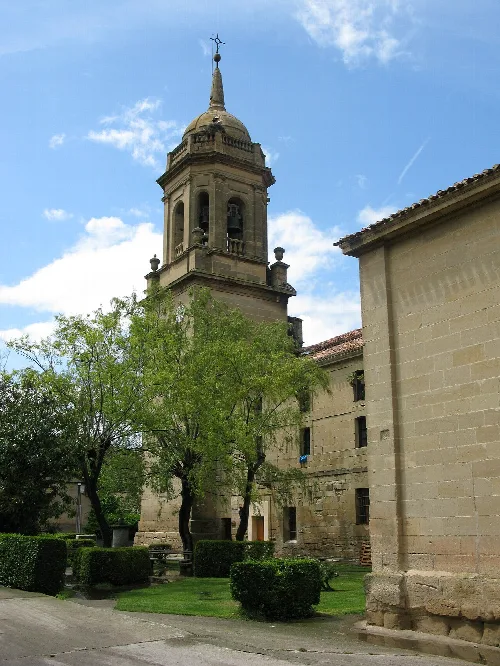
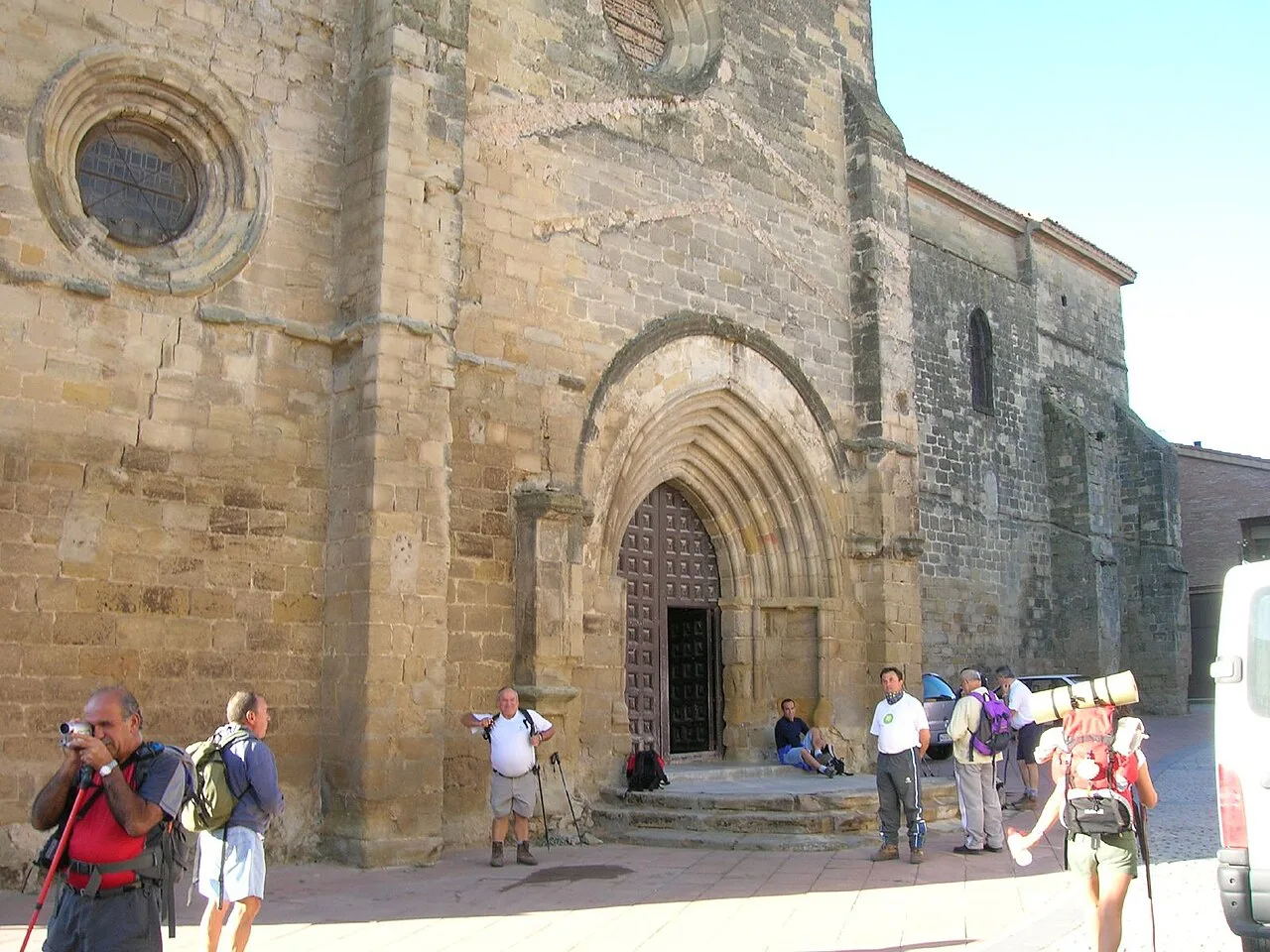
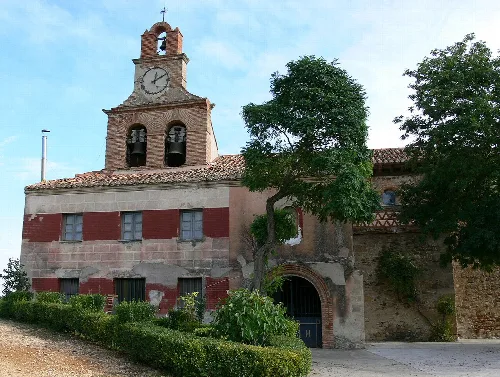
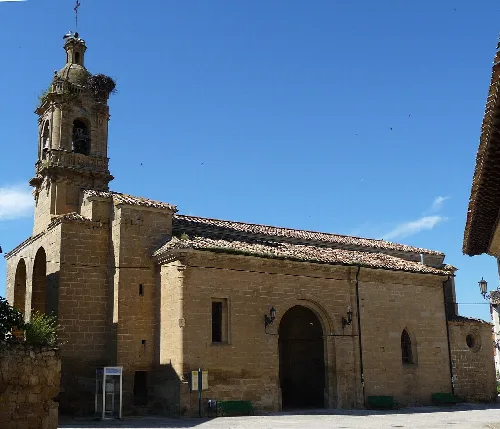
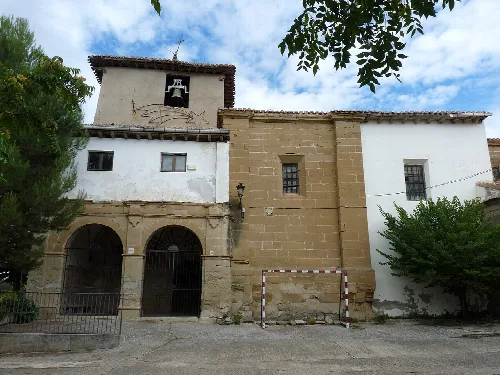
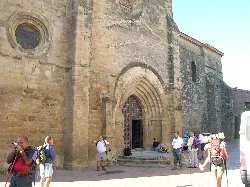
The Iglesia de San Juan Bautista is a significant historical and artistic site in Grañón. It features a nave with three bays and a unique octagonal apse. Notable interior elements include a 12th-century baptismal font and a richly ornamented reredos dedicated to Saint John, constructed between 1545 and 1556. The church has been designated a Site of Cultural Interest since 1982 and serves as a key stop on the Camino de Santiago.
Sights
Iglesia de San Juan Bautista
What can I expect to see at the Ermita de los Judíos?
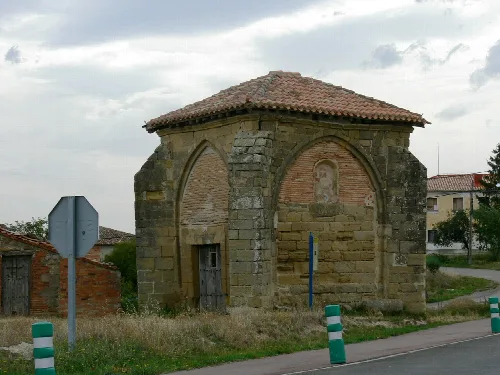
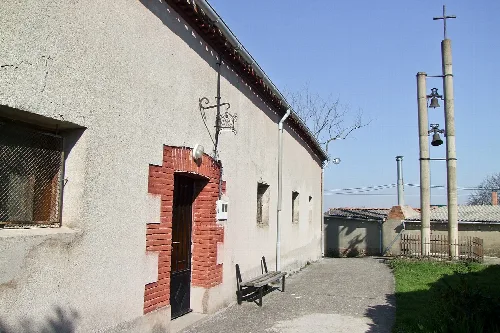
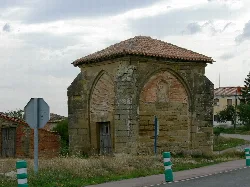
The Ermita de los Judíos is a chapel located at the town's exit, serving as a historical guide for pilgrims. Inside, there is a cross atop a Tuscan column with an inscription. The chapel's altar features a mannerist altarpiece from 1540, depicting Jesus during the crowning with thorns. It is only open to the public on Good Friday when a traditional Via Crucis takes place.
Sights
Ermita de los Judíos
What is the significance of the Leyenda de los Valientes in Grañón?
The Leyenda de los Valientes recounts a historic dispute between Grañón and Santo Domingo over a parcel of land. It tells the story of Martín García, a local hero who won a fight for the land. This legend is commemorated each August with a pilgrimage to the Cruz de los Valientes, where residents from both towns gather to honor García and enjoy traditional caparrones.
Festivals & events
For residents
What kind of flora can I find around Grañón?
Grañón is surrounded by diverse flora, particularly in areas like Monte Carrasquedo and Monte Alto. Common species include Pyrenean oak, kermes oak, and various types of pine. The undergrowth features a variety of bushes such as hawthorn and heather, along with herbs like oregano and wild marjoram. This rich biodiversity supports a range of wildlife, enhancing the natural beauty of the area.
Nature
What are the main festivals celebrated in Grañón?
Grañón hosts several important festivals throughout the year, including the Fiesta de la Virgen de Carrasquedo on March 25, where open-air dancing takes place. The pilgrimage on May 1 involves processing the Virgin from the chapel to the church. Other notable celebrations include the Saint John festivities in June and the Festival of Thanksgiving in August, which marks the end of the harvest season.
Festivals & events
What is the historical importance of the San Juan monastery in Grañón?
The San Juan monastery is central to Grañón's history, as the village developed around it. Originally established in the medieval period, it has historical significance tied to the Camino de Santiago. The monastery's influence shaped the urban layout of Grañón, and its remnants contribute to the town's cultural heritage, including the current parish church that stands on its site.
History
For residents
How is the local architecture in Grañón characterized?
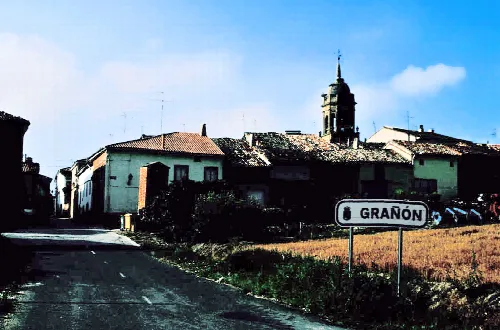
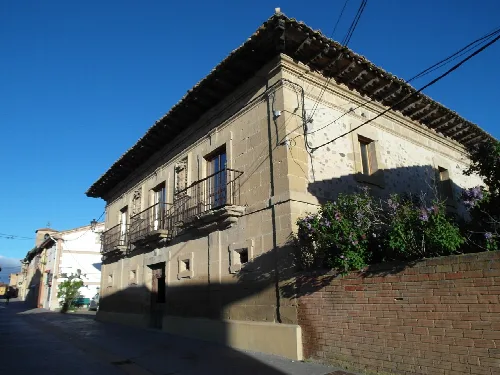
Grañón features traditional civil architecture with a medieval layout centered around the San Juan monastery. The oldest streets, such as Calle Santiago and Calle Mayor, showcase two-storey houses made from ashlar and rubble masonry, with wooden upper floors. Many buildings display old coats of arms, reflecting the town's rich history and architectural heritage from the 16th and 17th centuries.
Living there
For residents
What wildlife can I expect to see in the area around Grañón?
The area around Grañón is home to diverse wildlife. Common birds include coal tits, chaffinches, and woodpeckers, while birds of prey like goshawks and sparrow hawks can also be spotted. Mammals such as squirrels, wild boar, and foxes are prevalent, along with reptiles like green lizards. This variety contributes to the region's ecological richness and makes it a great spot for nature enthusiasts.
Nature
What are caparrones, and why are they significant in Grañón?
Caparrones, or red kidney beans, are significant in Grañón due to their connection to the Leyenda de los Valientes. During the annual celebration of Martín García's victory, locals prepare and enjoy caparrones as part of the festivities. This dish symbolizes local heritage and community spirit, bringing residents together to honor their history and traditions.
Food & drink
For residents
How has the Camino de Santiago influenced Grañón?
The Camino de Santiago has greatly influenced Grañón, revitalizing the village during medieval times when the route was redirected to pass through it. The town became a notable stop for pilgrims, leading to the establishment of the parish albergue (Hospital de Peregrinos de San Juan Bautista). This connection has enriched Grañón's cultural heritage and contributed to its historical significance.
History
 espana.net