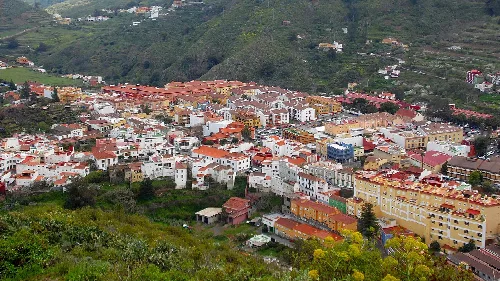
Ingenio is a municipality located in Gran Canaria, part of the Las Palmas province in the Canary Islands. Known for its rich cultural heritage and traditional crafts, it hosts the International Folklore Festival each summer, attracting performers from various countries.
02Geography
Ingenio is situated in the southeastern part of Gran Canaria, approximately 27 kilometers from the island's capital. The municipality covers an area of 38.15 km² and is bordered by Valsequillo, Telde, and Agüimes. Its terrain is characterized by a triangular shape, with the highest point reaching 1673 meters above sea level.
Distance to the coast
Approx. 27 km
Maximum elevation
1673 m
Minimum elevation
340 m
03History
The name Ingenio derives from a sugar mill established in the early 16th century, which marked the beginning of the area's agricultural significance. Over time, Ingenio evolved from a rural settlement into a municipality, with its own administrative structure established in the 19th century.
Foundation of the sugar mill
Establishment of the parish of Candelaria 1815
Municipality of Ingenio officially formed 1835
Ingenio is a culturally rich municipality in Gran Canaria, known for its crafts and the International Folklore Festival.
04Economy
Historically, Ingenio's economy was centered around sugar cane cultivation, facilitated by the sugar mill. Although sugar production has declined due to competition, agriculture remains significant, with a growing emphasis on the service sector and tourism, particularly due to the proximity of Gran Canaria Airport.
Main economic activities Agriculture, tourism, services
Notable local products Traditional crafts, especially calado
Importance of Gran Canaria Airport
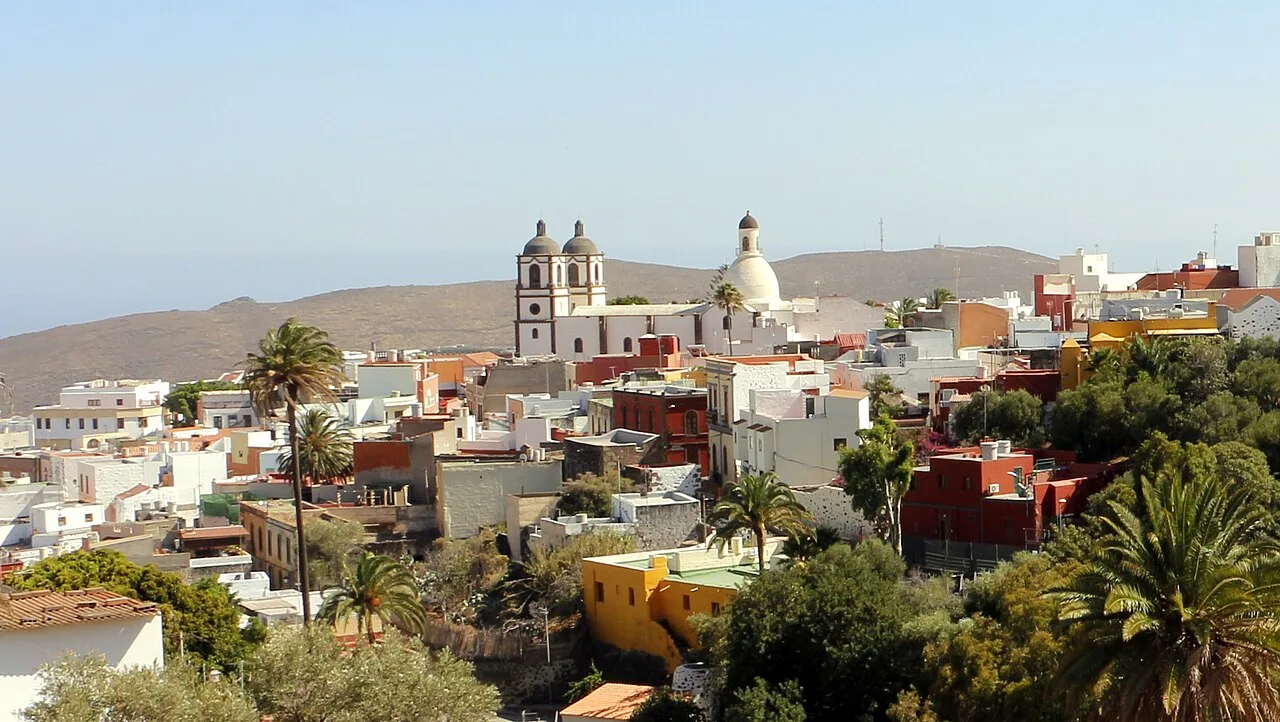
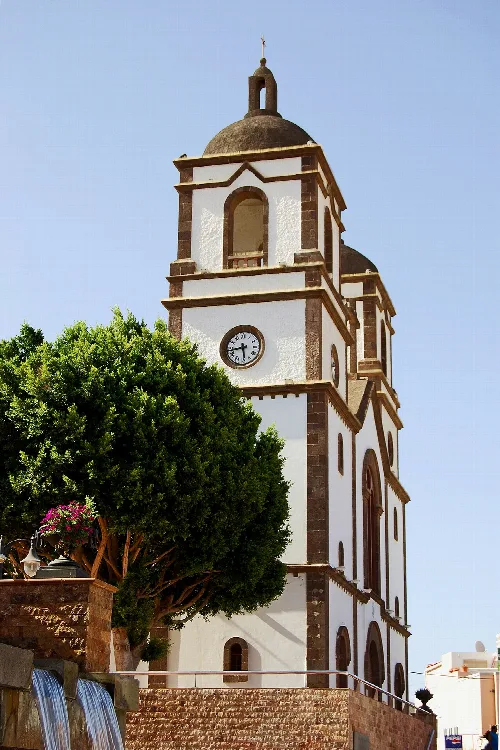
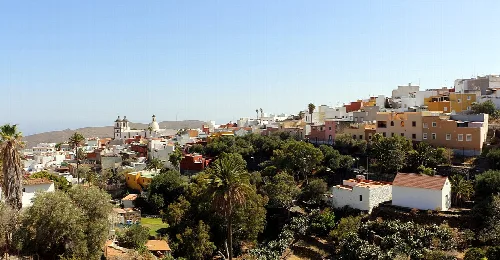
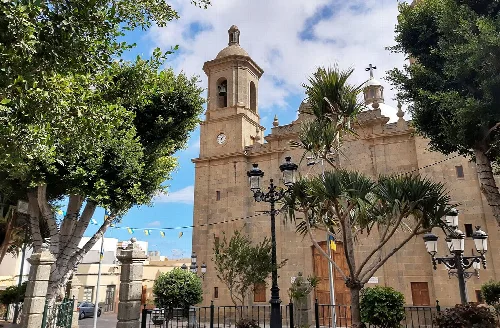
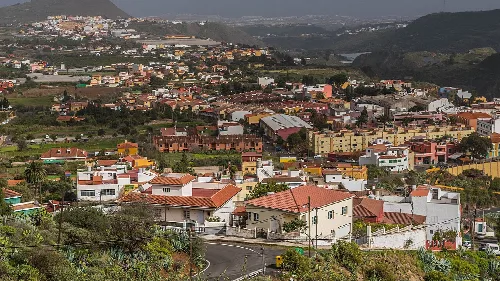
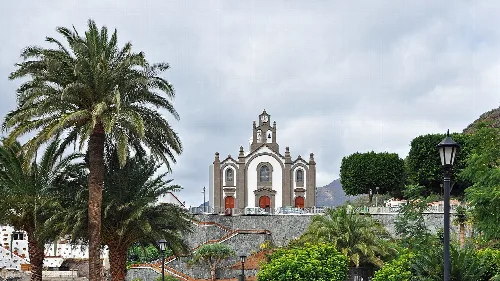
The church of Ingenio in Gran Canaria, with its tower and clock, stands beside a lush tree and a fountain in the foreground.Panoramic view of Ingenio's old town from the El Sequero neighborhood.
05Cultural Heritage
Ingenio is rich in cultural heritage, with numerous historical sites and traditional crafts. The municipality is known for its artisans, particularly in calado, a delicate lacework technique. Various museums and cultural events highlight its historical significance and artistic contributions.
Museums Museum of Water and Sugar, Interpretation Center of Guayadeque
Cultural events International Folklore Festival, Feria del Sureste
Traditional crafts Calado, pottery, basketry
06Festivals
Ingenio hosts several festivals throughout the year, celebrating its patron saints and cultural heritage. The International Folklore Festival is particularly notable, showcasing diverse global cultures through music and dance.
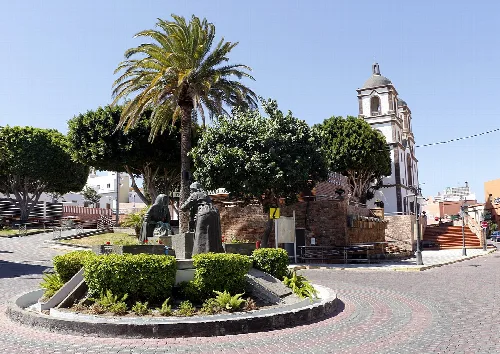
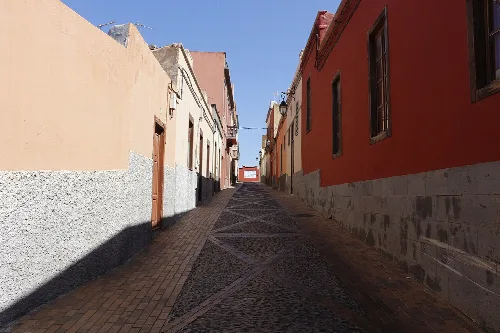
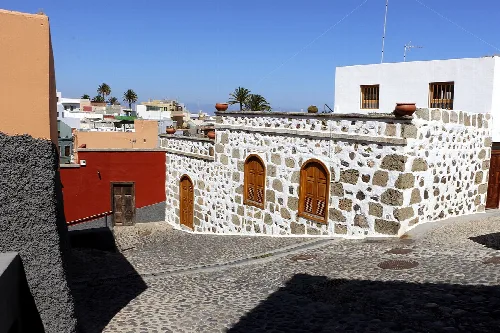
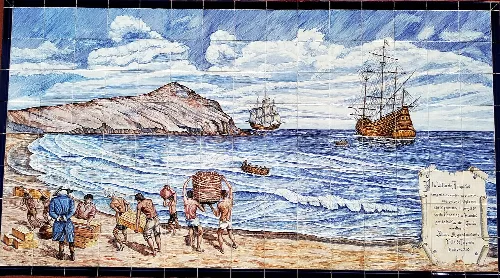
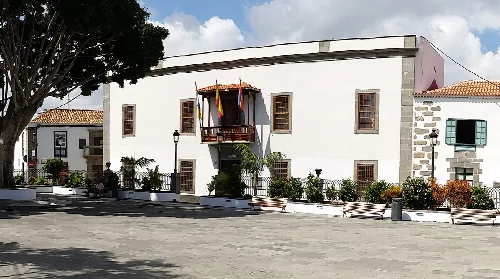
View of the laundresses' monument with the church and the square of Our Lady of Candelaria in the background in IngenioCalle Nueva in Ingenio, featuring colorful houses and a sloped cobbled street.Cobblestone streets in Ingenio's historic center, with stone houses and wooden windows.Artistic depiction of sugar trade at Gando Bay in Ingenio, with ships and workers on the beach.Néstor Álamo Park in Ingenio with the Paquesito palm tree in the background.
Frequently asked questions
What is the history behind the name Ingenio?
Ingenio derives its name from the sugar mill established in the early 16th century. This mill, built by Antonio Sardinha, became the center of sugar production in the area. Although the mill ceased operations by the late 1580s, the name stuck, representing the region's agricultural heritage.
What can I see at the church of Nuestra Señora de La Candelaria?
The church of Nuestra Señora de La Candelaria, built between 1901 and 1908, features an eclectic architectural style with three longitudinal naves and a cross-shaped transversal nave. Its interior boasts a semi-ovoide dome and two square towers, making it a prominent landmark in Ingenio.
Ingenio hosts several popular events, including the Festival Internacional de Folclore, showcasing diverse musical groups from around the world. Additionally, local celebrations like the Fiesta del Cochino and Día de los Finaos attract many visitors, highlighting the town's rich cultural traditions.
How is the climate in Ingenio throughout the year?
Ingenio has a warm, arid climate with average annual temperatures around 19.3 °C. August is the hottest month, reaching up to 23 °C, while January is the coldest at 16.2 °C. Rainfall is minimal, averaging 183 mm annually, with most precipitation occurring in December.
Ingenio is close to several beautiful beaches, including Playa del Burrero, known for its calm waters, ideal for swimming. Other nearby beaches like Las Torrecillas and San Agustín also offer great spots for sunbathing and water activities, making them popular among locals and visitors alike.
Ingenio is renowned for its traditional crafts, particularly the calado, a lace-making technique. Visitors can explore the municipal artisan workshop, where local artisans showcase their skills in creating intricate textiles, ceramics, and other handcrafted items, reflecting the island's cultural heritage.
In Ingenio, you can explore several historical sites, including the old town's charming streets and the church of Nuestra Señora de La Candelaria. Additionally, museums like the Museo del Agua y del Azúcar offer insights into the region's agricultural past and cultural significance.
What is the significance of the Barranco de Guayadeque?
The Barranco de Guayadeque is a protected natural area in Ingenio, known for its stunning landscapes and archaeological significance. It features ancient cave dwellings and is part of the Red Natura 2000, making it a great spot for hiking and exploring the island's natural beauty.
What transportation options are available in Ingenio?
Ingenio offers various transportation options, including guagua (bus) services connecting to different parts of the island. Many residents also use private vehicles for commuting, as the town is well-connected to the capital and other localities on Gran Canaria.
Are there any local delicacies I should try in Ingenio?
When in Ingenio, be sure to try local dishes such as carne de cabrito (kid goat), cochino frito (fried pork), and garbanzos compuestos (chickpeas). The area is also known for its artisan cheeses and traditional bread, making it a delightful culinary destination.
 espana.net