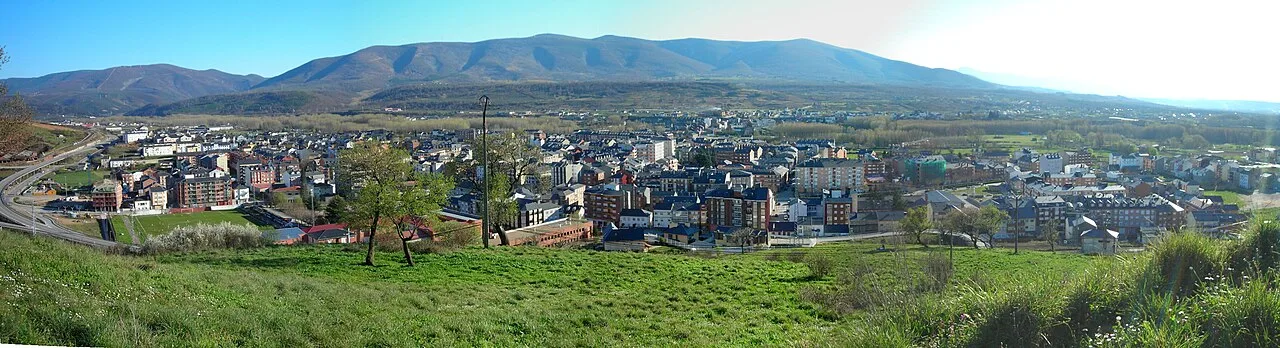
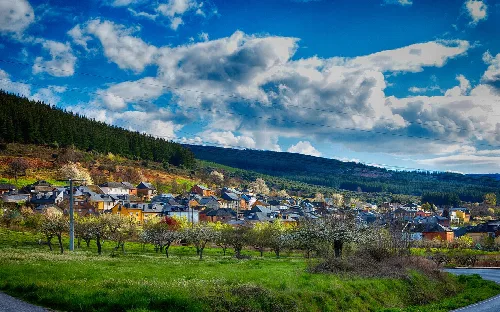
Bembibre is a municipality located in the province of León, within the autonomous community of Castile and León. Known for its historical significance and cultural heritage, it has a population of 8,041 and is recognized for its mining history and the annual Festival de Exaltación del Botillo.
02Geography
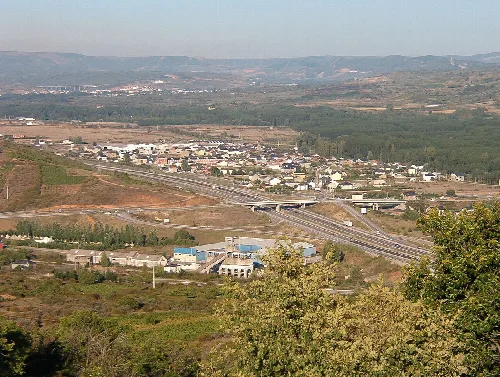
Bembibre is situated in the comarca of El Bierzo, approximately 97 km from the provincial capital. The municipality is traversed by the A-6 motorway and the old N-VI road, with the Boeza River flowing through the valley to the south of the town, surrounded by mountains that rise to the north.
03History
Bembibre has a rich history dating back to prehistoric times, with evidence of human presence from the Lower Paleolithic. The area was later inhabited by the Asturian tribes and became significant during the Roman conquest, with the establishment of the Roman settlement Interamnium Flavium.
Foundation of Bembibre Integrated into the Kingdom of León in 910.
First mention of the Tenencia del Boeza 1124.
Fuero granted to Bembibre 1198.
Declaration as a Cultural Heritage site March 16, 2023.
Bembibre is a municipality in León, Spain, known for its mining history and the Festival de Exaltación del Botillo.
04Cultural Heritage
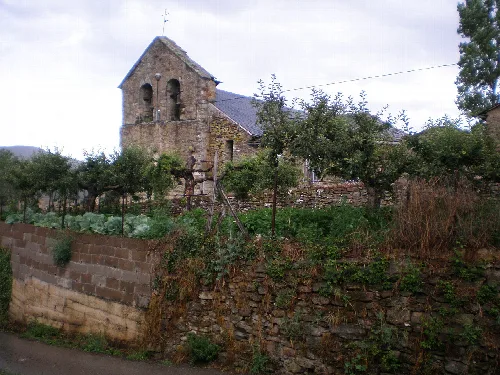
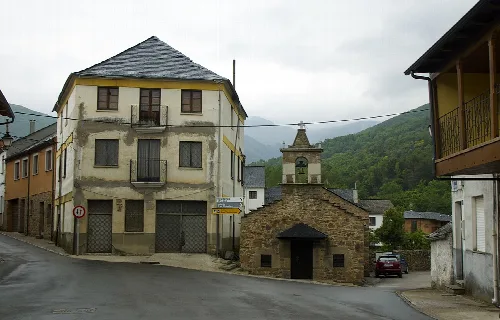
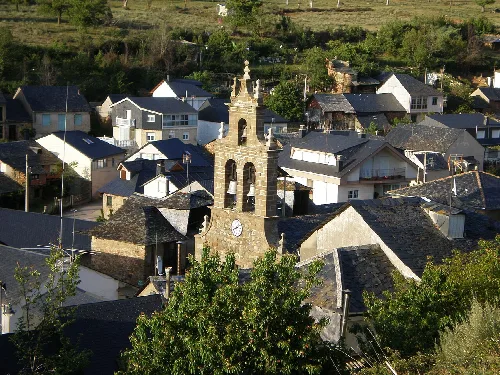
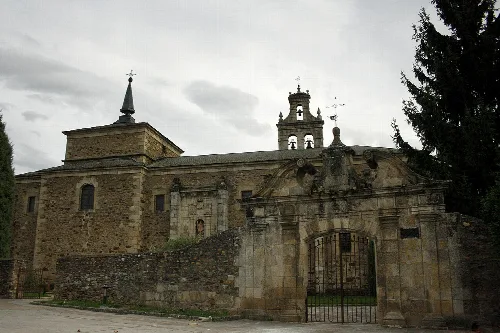
The municipality is home to several notable cultural sites, including the Church of San Pedro, a Romanesque structure, and the Sanctuary of Santo Ecce-Homo, which is significant to the local community. Bembibre was declared a historical complex in 2023, highlighting its cultural importance.
Church of San Pedro Romanesque origin.
Sanctuary of Santo Ecce-Homo Houses the image of the patron saint.
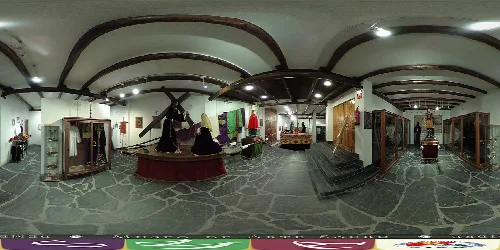
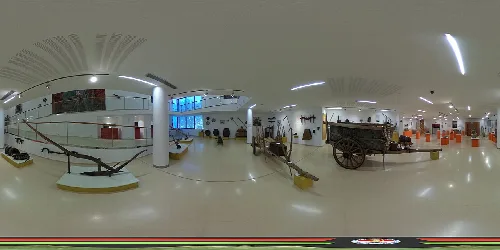
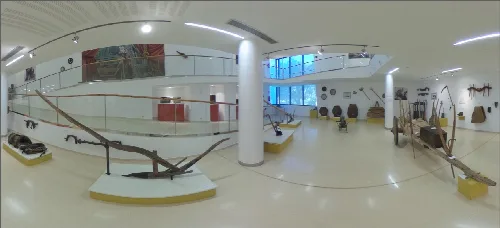
Museum Alto Bierzo Part of the regional museum network.
Teatro municipal Benevívere Cultural center for local events.
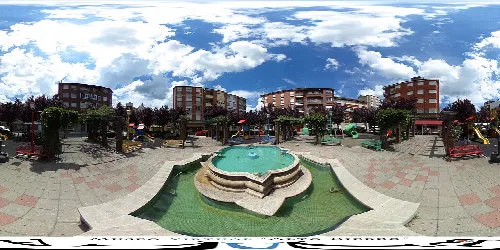
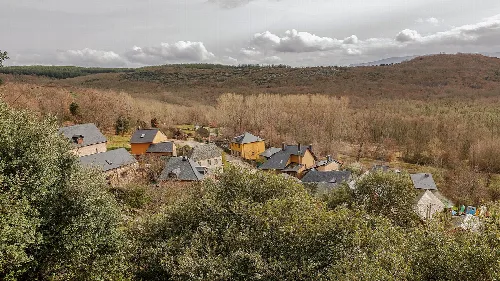
Bernardo Alonso Villarejo Park in Bembibre with playground and central fountain.Panoramic view of Labaniego, a village in Bembibre, surrounded by forests and hills.
05Festivals and Traditions
Bembibre hosts several annual festivals that reflect its cultural identity. The Festival de Exaltación del Botillo, celebrated in February, has gained national recognition and is a major event attracting visitors. Other festivities include the Feria del Mercado Medieval and the Fiestas del Cristo in September.
Festival de Exaltación del Botillo Declared of National Interest in 2009, International Interest in 2025.
Feria del Mercado Medieval Takes place in June.
Fiestas del Cristo Celebrated in mid-September.
Salida del Santo Occurs every seven years, next in 2029.
06Economy and Daily Life
Historically, Bembibre's economy was heavily reliant on coal and iron mining, which has declined in recent decades. The town now features a mix of local businesses and services, with a weekly market providing fresh produce and goods to residents.
Main economic activities Mining, local commerce.
Weekly market Held every Thursday.
Local products Includes wine, botillo, and cecina.
Public services Managed by the Junta de Castilla y León.
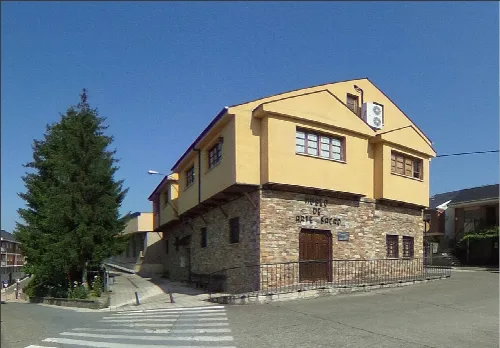
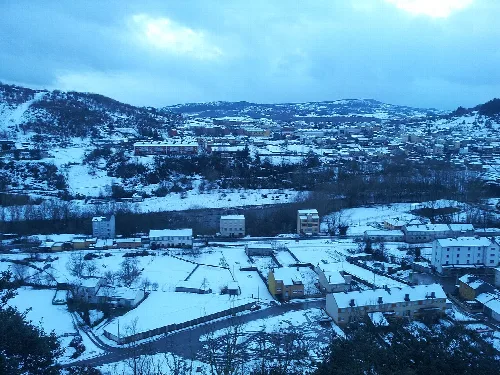
View of Bembibre with the Northwest Autovía and the almázcara in the foregroundView of the central space and banner at the Sacro Art Museum of Bembibre in León.Facade of the Sacred Art Museum of Bembibre, with a stone base and yellow walls on top.Interior of the Alto Bierzo Museum in Bembibre, with ethnographic exhibits and traditional objects.Interior of the Alto Bierzo Museum in Bembibre, showcasing traditional tools and objects.
Frequently asked questions
What is the significance of the Festival de Exaltación del Botillo in Bembibre?
The Festival de Exaltación del Botillo is a popular celebration in Bembibre that highlights the region's culinary heritage. Recognized as a Fiesta de Interés Turístico Internacional in October 2025, it plays a crucial role in promoting tourism and showcasing local traditions, particularly the unique dish made from cured meat, known as botillo. This festival attracts visitors and stimulates the local economy.
What can you tell me about the history of mining in Bembibre?
Bembibre has a rich mining history, particularly in coal and iron. The mining activity significantly influenced the town's development and population, peaking in the late 20th century. Although many mines have closed, remnants of this industrial past remain, shaping the community's identity and economy.
What is the white building on the hill in the panoramic view of Bembibre?
The white building on the hill in the panoramic view is likely the remnants of the historical castle of Bembibre. This structure played a significant role in the town's medieval history, serving as a strategic point for controlling the surrounding valley and as a residence for local nobility.
How has Bembibre's population changed over the years?
Bembibre currently has a population of 8,041 residents, a figure that reflects its historical significance as a mining town. However, the population has seen fluctuations over the years, particularly due to the decline of the mining industry, which has impacted local demographics and economic stability.
What outdoor activities are available in Parque Bernardo Alonso Villarejo?
Parque Bernardo Alonso Villarejo in Bembibre offers various outdoor activities for visitors and residents. The park features playgrounds, walking paths, and green spaces, making it an ideal spot for families and those looking to enjoy nature and recreational activities in a serene environment.
Can you tell me about the historical significance of Bembibre during the Roman era?
During the Roman era, Bembibre was strategically important due to its location along the Vía Nova, connecting Astorga and Braga. It is believed that the area housed the Roman settlement Interamnium Flavium, which played a role in trade and military logistics, contributing to the region's historical development.
The main church in Bembibre is the Church of San Pedro. This church has historical significance and is a focal point for the local community's religious life. It reflects the town's architectural heritage and is associated with various cultural traditions and events throughout the year.
Are there any notable archaeological sites in Bembibre?
Yes, Bembibre has notable archaeological sites that date back to prehistoric times. Artifacts such as stone tools from the Lower Paleolithic have been found in areas like El Parral, indicating early human presence. These findings contribute to understanding the region's ancient history and cultural development.
What are the main transportation options in Bembibre?
Bembibre is well-connected by various transportation options. The town has a railway station that provides services to destinations like León and Ponferrada. Additionally, it is located near the A-6 motorway, facilitating road travel to other major cities. Local roads connect Bembibre to neighboring municipalities.
The name 'Bembibre' is believed to derive from the pre-Roman term Paemeióbriga. Historical references suggest that it may have been associated with the Roman settlement Interamnium Flavium, highlighting the area's long-standing significance as a transit point and settlement throughout various historical periods.
 espana.net