What can you tell me about the blast furnace ruins in Sabero?
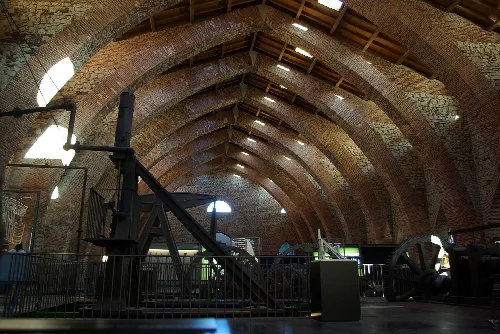
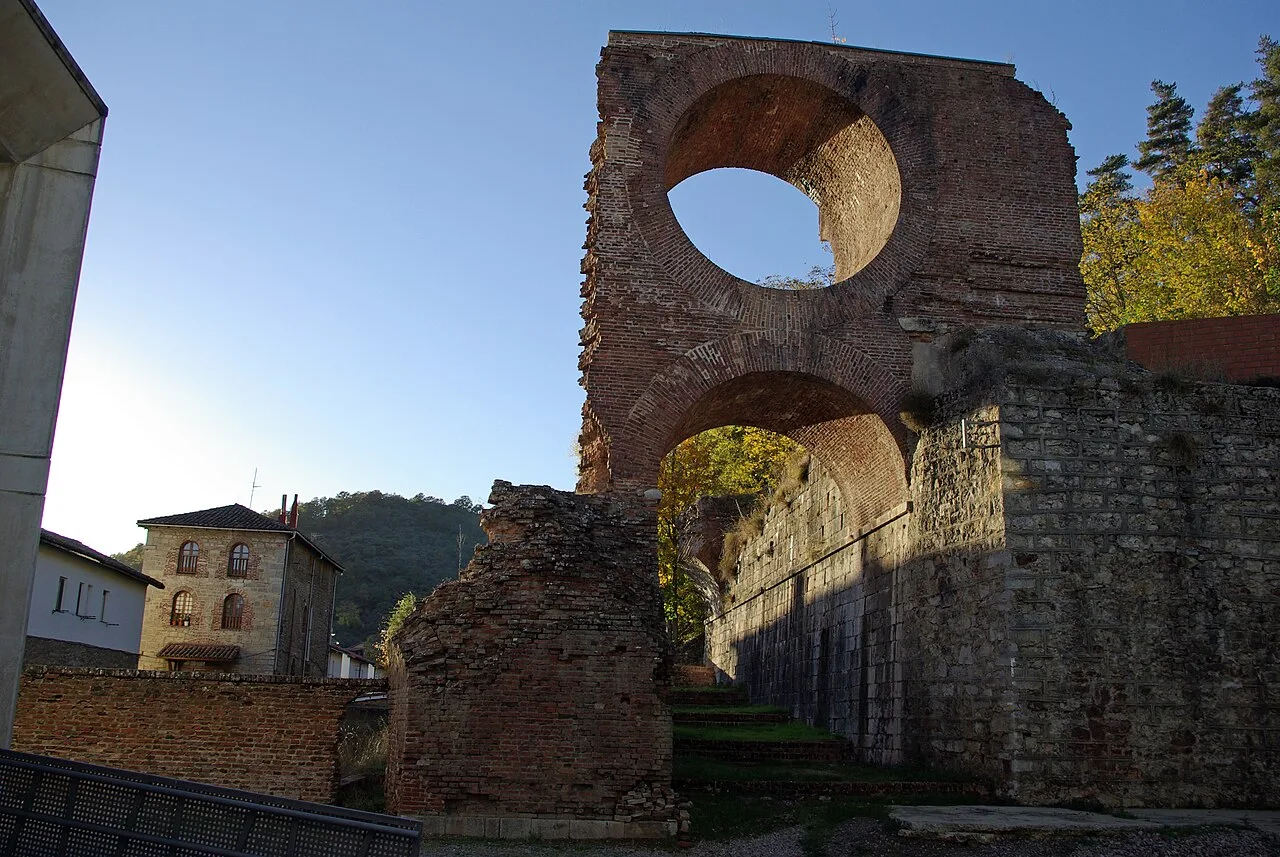
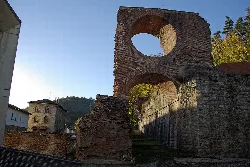
The blast furnace ruins in Sabero are part of the Ferrería de San Blas, which was the first ironwork in Spain, established in 1846. This historical site showcases the industrial heritage of the area and represents the early days of iron production in the country, utilizing coke in its operations.
Sights
Ferrería de San Blas
What is the history behind the name 'Sabero'?
The name 'Sabero' evolved from its earlier Latin name, Villa Sancti Petri, named after Saint Peter, the patron of the local parish. Over time, the name transformed through castellanization, reflecting the region's linguistic and cultural changes since the 15th century.
History
For residents
Are there any interesting events in Sabero?
Sabero hosts several notable events throughout the year, including the major festival for Nuestra Señora Reina de los Ángeles on August 22 and 23. Additionally, the medieval market, held since 2002, features period costumes, archery, and medieval dinners, attracting many visitors.
Festivals & events
What is the significance of the Cueva de Valdelajo?
The Cueva de Valdelajo, discovered in 1999, is notable for its stunning geological formations, including stalactites and columns. The cave has been developed for public visits while preserving its natural state, showcasing the area's natural beauty and geological interest.
Nature
Cueva de Valdelajo
What type of food is traditional in Sabero?
Sabero's traditional cuisine reflects its agricultural roots, featuring dishes made from local ingredients. Common meals include cocido, made with various meats and vegetables, and breakfast often consists of hearty items like garlic soup and fried pork, showcasing the region's culinary heritage.
Food & drink
For residents
What are the main industries in Sabero?
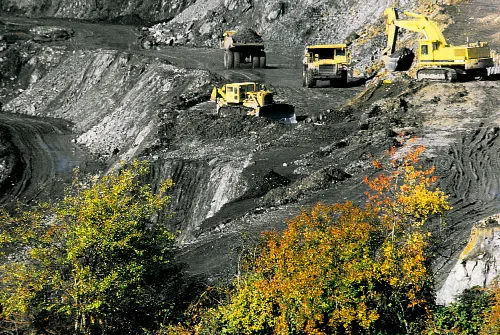
Historically, Sabero's economy was driven by coal mining, particularly until 1998. Currently, the main industry is Tecoi Corte S.L, which specializes in advanced technology for sheet processing. This company has become the primary economic driver, providing jobs to both former miners and local youth.
Living there
For residents
What is the medieval market in Sabero like?
The medieval market in Sabero, established in 2002, transforms the town into a lively historical setting where locals dress in period costumes. It features activities like archery, falconry demonstrations, and a medieval dinner, making it a vibrant cultural event for residents and visitors alike.
Festivals & events
What can you tell me about the medieval castle in Sabero?
The medieval castle of Aquilare, located in Sabero, was historically significant as it governed an extensive area known as the Alfoz de Aguilar. It played a key role in local history, being associated with various noble families and serving as a venue for royal hunts.
History
castle of Aquilare For residents
How is the fishing in Sabero?
Fishing in Sabero is a cherished tradition, particularly in the nearby rivers, which are known for their excellent trout populations. The region offers over 200 kilometers of fishing waters, attracting anglers who enjoy both the natural beauty and the quality of the catch.
Nature
What is the Plaza Cerrada in Sabero?
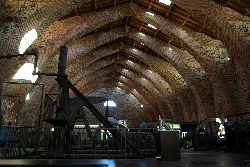
The Plaza Cerrada is a central building in Sabero that was part of the Ferrería de San Blas. This architectural structure reflects the town's industrial past and is an important landmark, showcasing the neogothic style and the historical significance of iron production in the area.
Sights
Plaza Cerrada
 espana.net