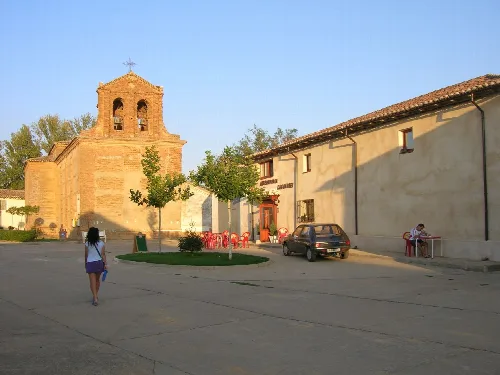
What can you tell me about the Semana Santa de Sahagún?
Semana Santa de Sahagún is a significant religious celebration that takes place annually, attracting both locals and tourists. The event features various processions, including the carrying of religious images, and is marked by a deep sense of tradition and community involvement. The celebrations highlight the town's cultural heritage and are an integral part of its identity, showcasing the rich history and devotion of the residents.
Festivals & events
Semana Santa
What is the history behind the Iglesia de San Lorenzo?
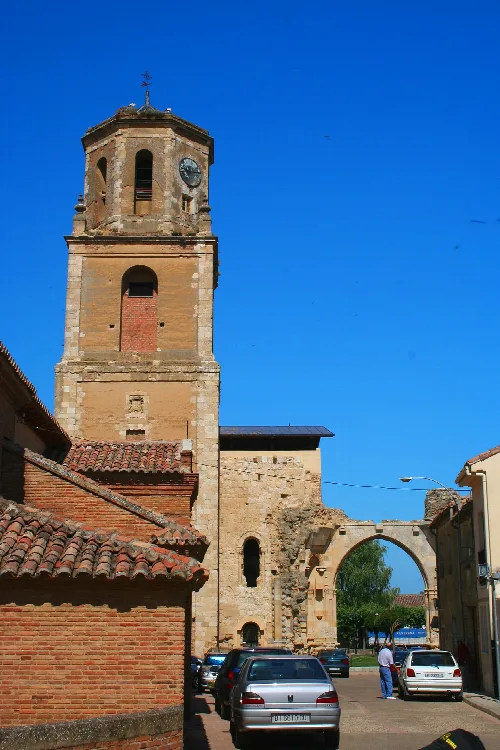
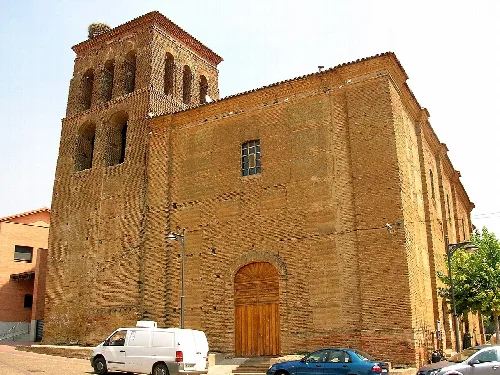
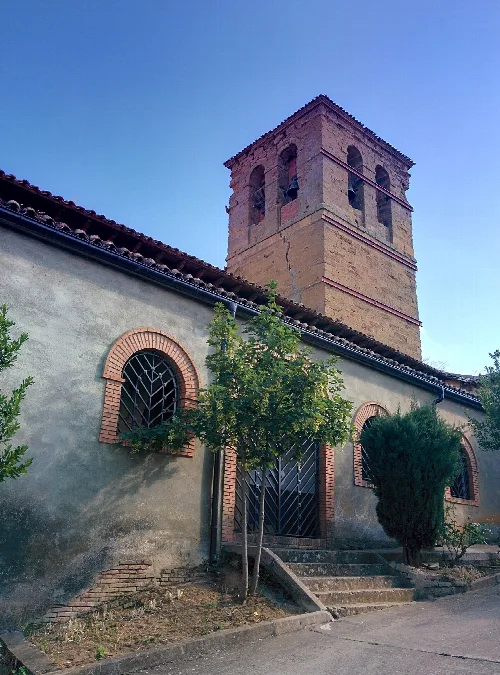
The Iglesia de San Lorenzo is a notable example of Mudéjar Romanesque architecture, built in the 13th century. It features a basilical layout with three naves and a tripartite apse adorned with horseshoe arches. The church's tower, dating from the 14th century, has four distinct sections. Despite its historical significance, it has faced preservation challenges, leading to its inclusion in a list of endangered heritage sites.
History
Iglesia de San Lorenzo
How did Sahagún become an important stop on the Camino de Santiago?
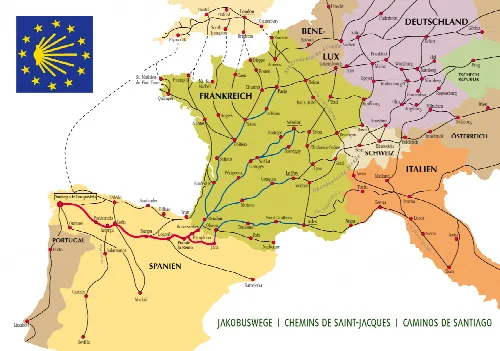
Sahagún's significance on the Camino de Santiago stems from its historical ties to the Order of Cluny in the 11th century, which promoted the pilgrimage route. The town developed around a sanctuary dedicated to martyrs Facundo and Primitivo, attracting pilgrims. Its strategic location and cultural richness enhanced its role as a key stop for travelers on their journey to Santiago de Compostela.
History
What is the Santuario de la Peregrina known for?
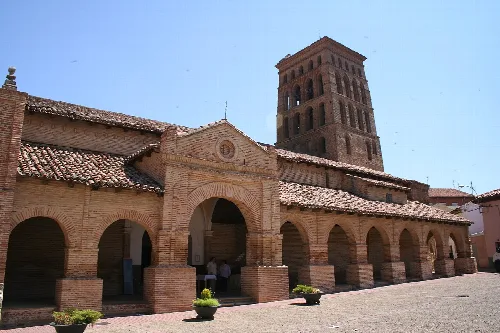
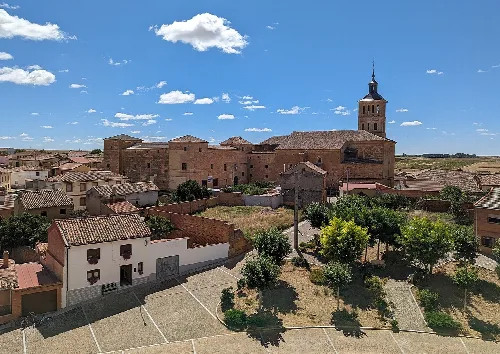
The Santuario de la Peregrina, founded in 1257, is recognized for its Mudéjar architectural style and historical significance as a former Franciscan convent. The sanctuary features a single nave with five sections and is adorned with decorative arches. It has undergone several restorations, and recent efforts aim to convert it into a Center for Documentation of the Camino de Santiago, enhancing its cultural role.
Sights
Santuario de la Peregrina
What are the main agricultural products in Sahagún?
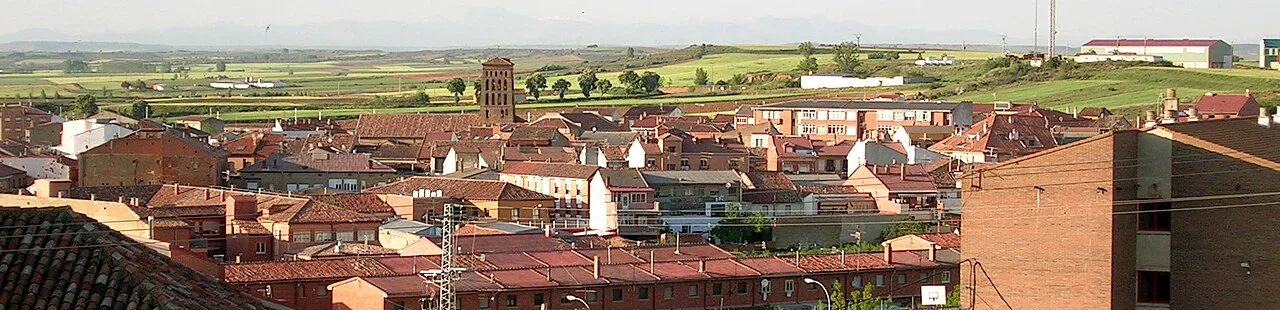
Sahagún's economy is predominantly based on agriculture, with major crops including cereals. The fertile land along the Cea River supports extensive farming. Additionally, the region is known for its sheep farming, which plays a significant role in local livelihoods. The area also has a history of viticulture, although this has declined in recent years.
Food & drink
For residents
What are the main features of the Monasterio Real de San Benito?
The Monasterio Real de San Benito was a significant Benedictine monastery established in the 11th century under the Order of Cluny. It played a crucial role in the religious reform movement in León and Castilla. The monastery's historical importance is reflected in its extensive jurisdiction over numerous other religious institutions, marking it as a center of culture and spirituality during its peak.
History
Monasterio Real de San Benito
What is the climate like in Sahagún?
Sahagún experiences a Mediterranean continental climate, characterized by moderate annual temperatures ranging from 10 to 12 °C. Winters can be cold with frost and occasional snow, while summers are hot and dry. Rainfall is irregular, peaking in spring and autumn, with the region experiencing about 400 to 700 mm of precipitation annually.
Nature
For residents
How can I get to Sahagún by train?
Sahagún is accessible by train via its station, which is part of the Palencia-La Coruña line. This railway connection facilitates travel to and from the town, making it convenient for visitors and residents. Train services are managed by RENFE, providing an essential link for commuting and tourism.
Getting there
What wildlife can I expect to see around Sahagún?
The area around Sahagún is home to diverse wildlife, including species such as storks, owls, and various birds of prey like the hawk and buzzard. Notably, the region is known for the presence of the vulnerable bustard. Mammals like wild boars and deer can also be found, making the natural surroundings rich in biodiversity.
Nature
For residents
What are the main transportation options in Sahagún?
Sahagún offers various transportation options, including a train station that connects to the Palencia-La Coruña line. For road travel, it is accessible via several highways. The nearest airport is in León, providing air travel options for residents and visitors. Local bus services also facilitate transportation within the region.
Practical
For residents
 espana.net