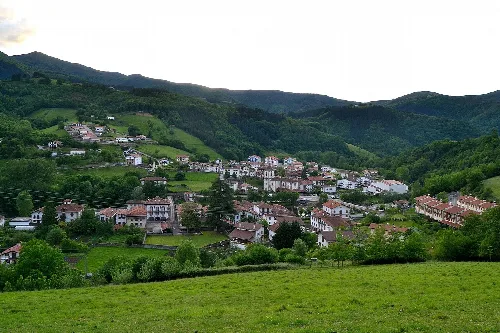
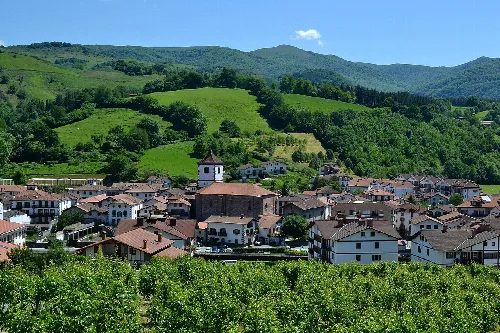
What are some popular dishes to try in Baztan?
In Baztan, you can enjoy traditional dishes such as Baztan zopak, busti, and cordero en chilindrón. Other local specialties include piper opilek, talo, and cuajada, which is made by boiling with hot stones. These dishes reflect the region's rich culinary heritage and are often featured in local festivities and gatherings.
Food & drink
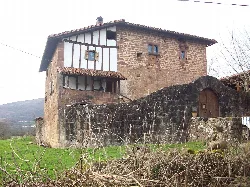
What is the significance of the Ursua Palace in Arizkun?
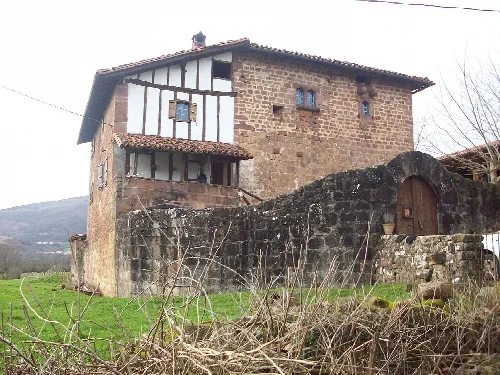
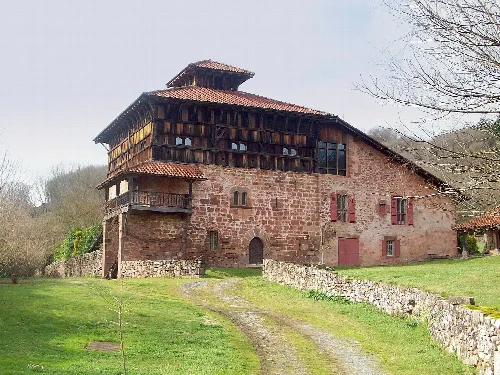
The Ursua Palace in Arizkun is a notable landmark in Baztan, reflecting the region's architectural heritage. It is associated with the historical and cultural identity of the area, representing the traditional lifestyle and the historical significance of the local nobility. The palace showcases the unique styles of local construction and is a point of interest for visitors.
Sights
Ursua Palace
What is the history behind the name Baztan?
The name Baztan has enigmatic origins. A popular etymology suggests it derives from 'bat han', meaning 'there all one' in Euskera, highlighting the solidarity among its people. However, it likely comes from the Basque word 'baste', meaning 'spiny broom', combined with a suffix indicating place, showing its deep-rooted cultural significance.
History
For residents
What can you tell me about the climate in Baztan?
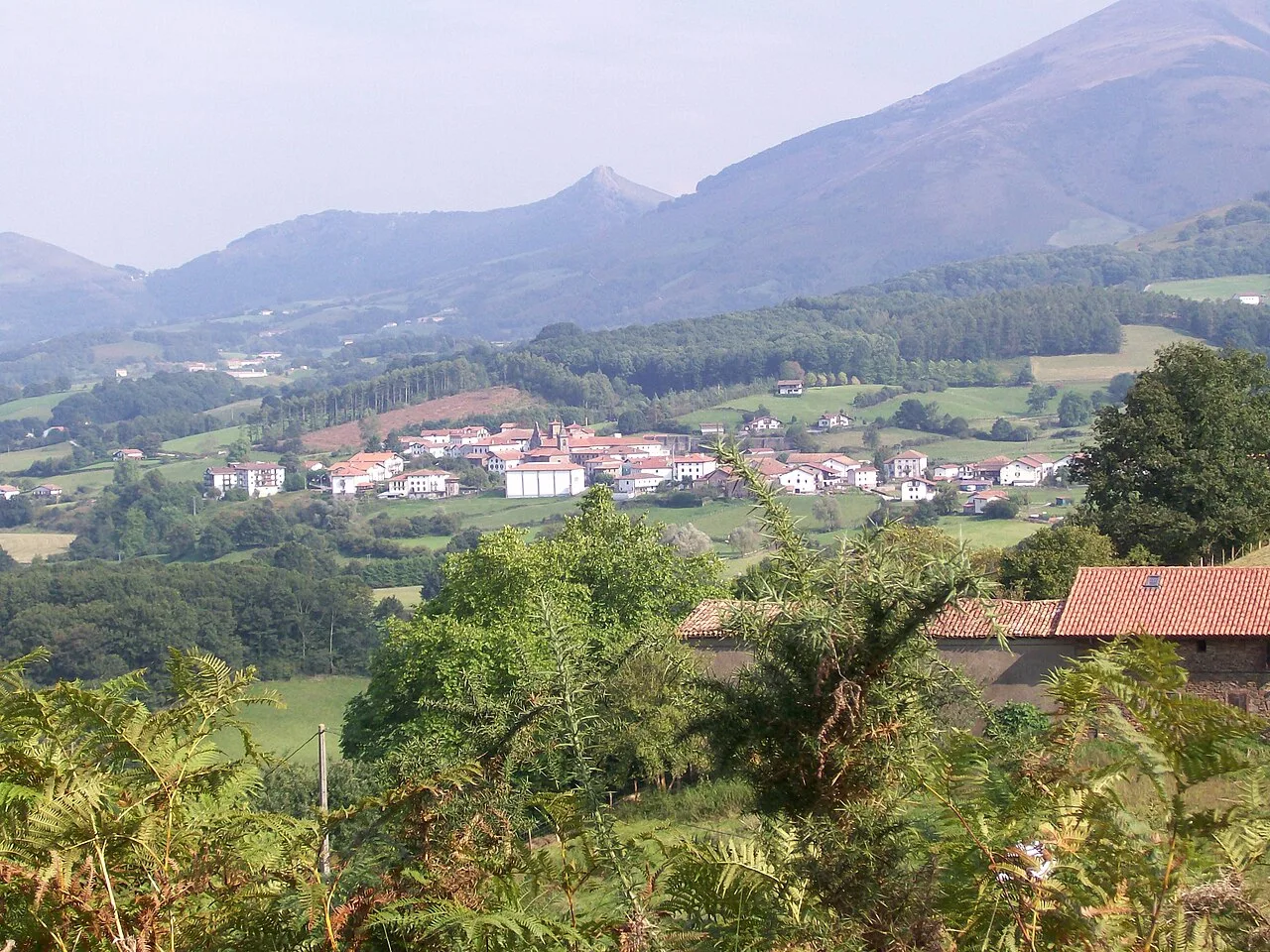
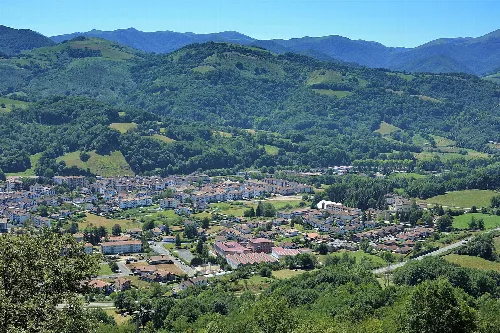
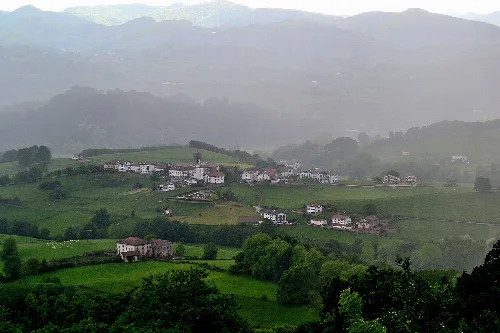
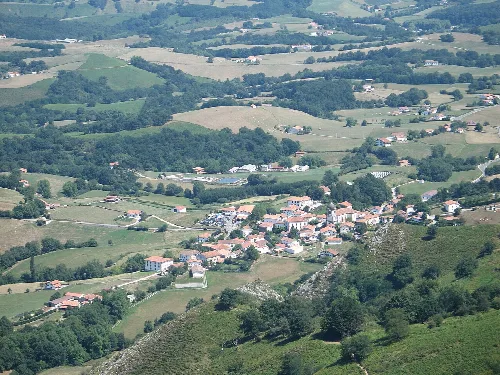
Baztan has a temperate-Atlantic climate characterized by abundant and regular rainfall. The average annual temperature ranges from 10 °C to 15 °C, with between 1400 and 2200 mm of precipitation yearly. This climate supports a rich biodiversity and lush landscapes throughout the valley, making it ideal for outdoor activities.
Nature
What are the main events celebrated in Baztan?
One of the main events in Baztan is Baztandarren Biltzarra, which celebrates local culture and traditions. Additionally, Elizondo hosts seasonal fairs such as the Spring and Autumn Fairs, along with gastronomic events focused on hunting and local produce. These events highlight the community's vibrant culture and culinary heritage.
Festivals & events
How is the local government structured in Baztan?
Baztan is governed by a democratic municipal council elected every four years. The local administration is managed by the Ayuntamiento, while the Junta General del Valle oversees the management of communal lands and resources. Each of the 15 localities has a jurado or mayor, elected by residents, ensuring community representation.
Living there
For residents
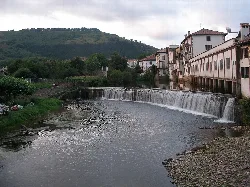
What is the river that runs through Baztan?
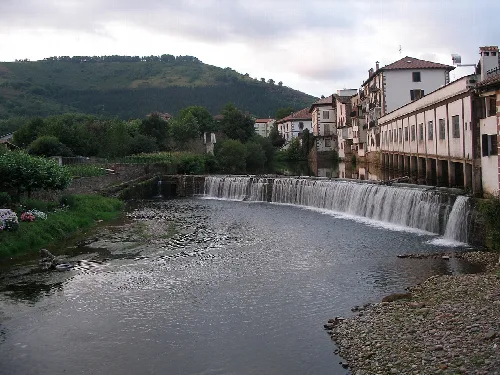
The main river in Baztan is the Bidasoa, known locally as Baztanzubi at its source. It flows through the valley, providing essential water resources and contributing to the area's rich biodiversity. The river is also a scenic feature, enhancing the natural beauty of the landscape.
Nature
What historical significance does the battle of Navas de Tolosa have for Baztan?
The battle of Navas de Tolosa in 1212 is significant for Baztan as it is believed that the valley's residents were granted their coat of arms in recognition of their valor. This historical event is a point of pride for the locals and reflects the valley's long-standing tradition of loyalty and bravery in defense of their territory.
History
For residents
What types of wildlife can be found in Baztan?
Baztan is home to a diverse range of wildlife, including mammals like foxes, wild boars, deer, and squirrels. Interestingly, coipus, a South American mammal, have also settled along the banks of the Baztán River. This rich fauna contributes to the valley's ecological diversity and attracts nature enthusiasts.
Nature
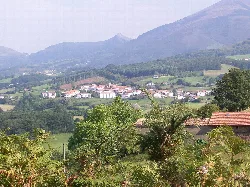
What is the architectural style of the houses in Baztan?
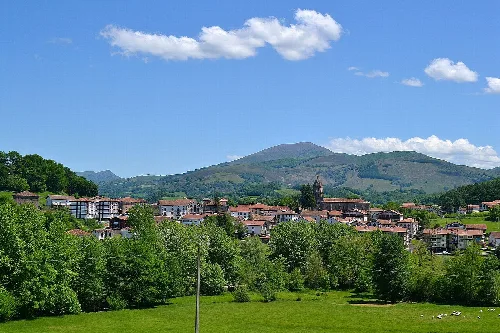
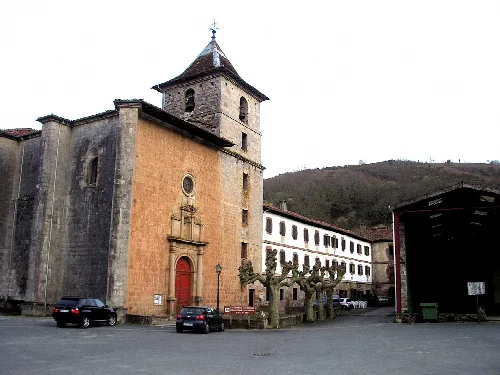
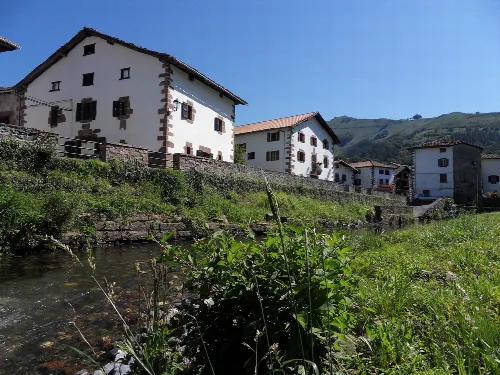
The architecture in Baztan features traditional Basque styles, with many houses displaying half-timbered designs and stone facades. Notable are the medieval tower houses and baroque palaces, which reflect the region's historical significance and cultural heritage. These structures are integral to the valley's charm and character.
Sights
 espana.net