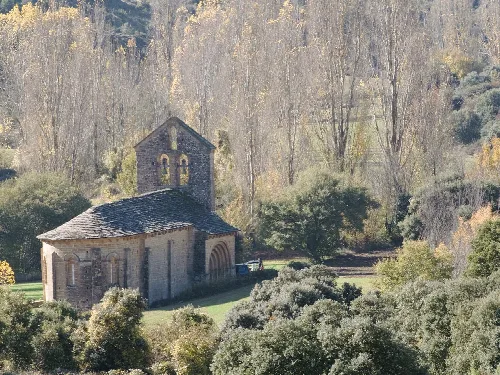
What is the history behind the Ermita del Santo Cristo de Catalain?
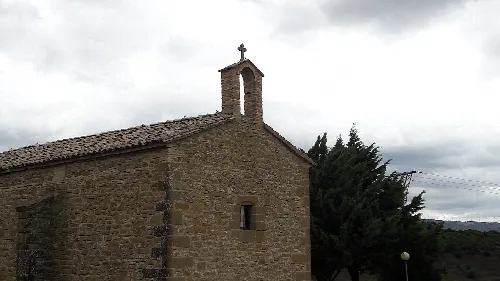
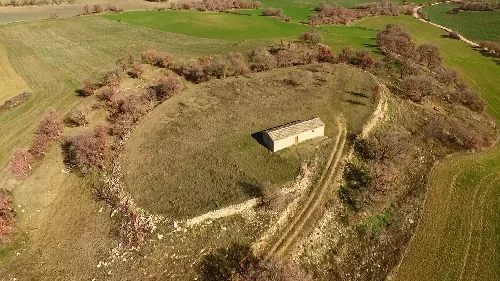
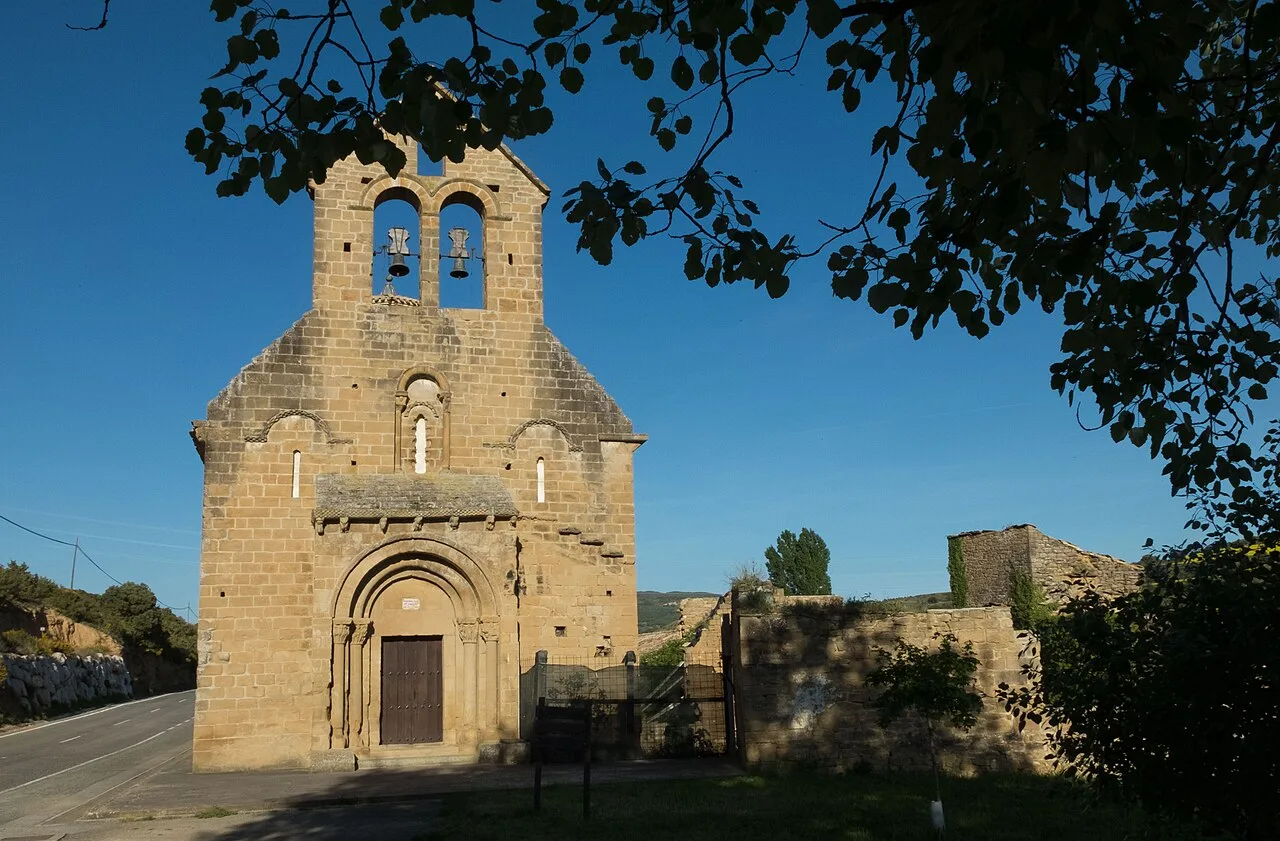
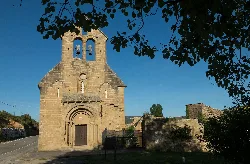
The Ermita del Santo Cristo de Catalain dates back to the early 13th century when it was donated to the Colegiata de Roncesvalles. Originally a Romanesque church, it was transformed in 1776 into a Baroque style. The restoration aimed to return it to its original medieval appearance, preserving elements like the perimeter walls and Romanesque capitals depicting King David.
History
Ermita del Santo Cristo de Catalain
What can you tell me about the climate in Garínoain?
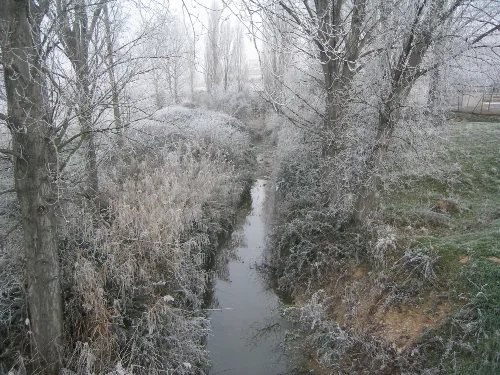
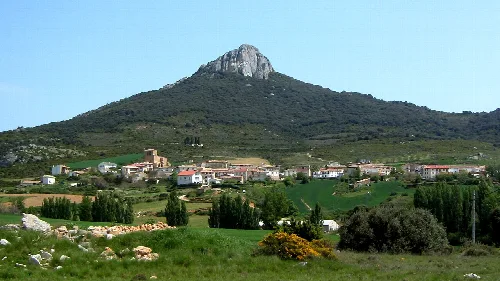
Garínoain has a continental Mediterranean climate characterized by cold winters, especially when the cierzo wind blows, and moderately hot, dry summers. The average annual temperature ranges between 12°C and 13°C, with annual precipitation between 500 and 700 mm, and about 80 days of precipitation each year.
Nature
For residents
What is the significance of the Virgen Blanca festival in Garínoain?
The Virgen Blanca festival is celebrated on the weekend closest to September 8th, honoring the town's patron saint. This event brings together the community for various festivities, including religious ceremonies and cultural activities, fostering a sense of unity and tradition among the residents.
Festivals & events
What types of wildlife can I expect to see in Garínoain?
Garínoain is home to a variety of wildlife, including small mammals like roe deer, wild boars, rabbits, and foxes. Bird species typical of the Mediterranean continental climate can also be spotted, such as herons, partridges, and various small songbirds. The local rivers host fish like carp and pike.
Nature
For residents
How did Garínoain get its name?
The name Garínoain likely originates from a person named Garindo, combined with the suffix 'ain' indicating ownership. This naming convention is common in Navarre and other regions. Historical documents show variations of the name dating back to the 12th century, supporting its evolution over time.
History
For residents
What is the Iglesia de San Martín like?
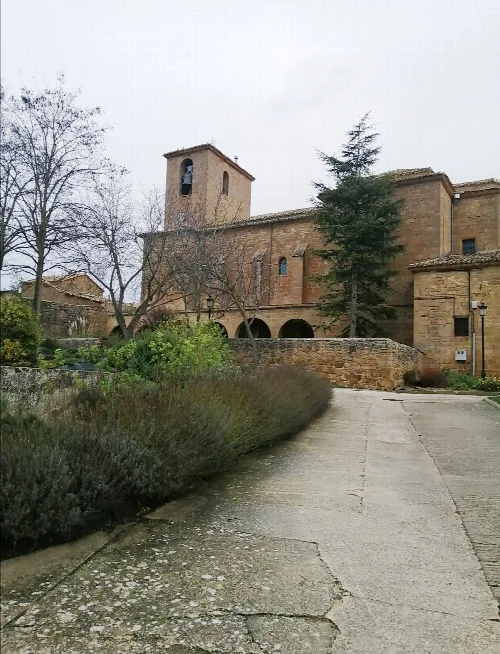
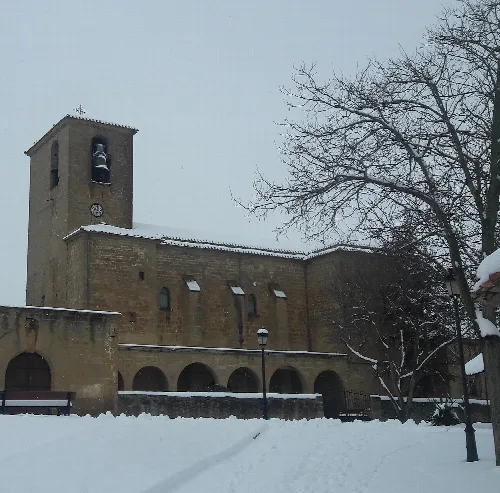
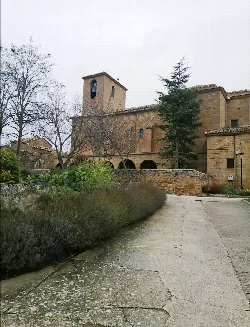
The Iglesia de San Martín, built in 1773, features a Latin cross layout with a pentagonal apse. It retains parts of a medieval tower and showcases a variety of artistic elements, including Gothic baptismal fonts and several altarpieces. The church is central to the community's religious life.
Sights
Iglesia de San Martín
What are the main agricultural products in Garínoain?
Garínoain's agricultural landscape has been significantly altered for cultivation, primarily focusing on crops suited to the Mediterranean climate. While specific products are not detailed, the region is known for its agricultural activities, which likely include grains and vegetables typical of Navarre.
Living there
For residents
What is the significance of the monument to Joxe Ulibarrena?
The monument to Joxe Ulibarrena, located in Plaza Príncipe de Viana, is carved from a fallen oak tree and features the phrase 'Utrimque roditur,' symbolizing the historical context of Navarre. It serves as a cultural landmark, reflecting local heritage and artistic expression.
Sights
Monumento Roble Ulibarrena
Can you tell me about the Romería to Santa Cecilia?
The Romería to Santa Cecilia takes place in mid-June, starting from the church in Garínoain. Participants walk to the hermitage, where a mass is held, followed by communal meals featuring traditional dishes like calderetes and grilled meats, fostering community spirit and celebration.
Festivals & events
Ermita de Santa Cecilia
What is the local cuisine like in Garínoain?
Garínoain's local cuisine reflects traditional Navarrese flavors. Common dishes include calderetes and grilled meats, often enjoyed during community gatherings and festivals. The emphasis on local ingredients showcases the agricultural heritage of the region, making meals a central part of local culture.
Food & drink
For residents
 espana.net