What is the history of the Iglesia de Santa María in Los Arcos?
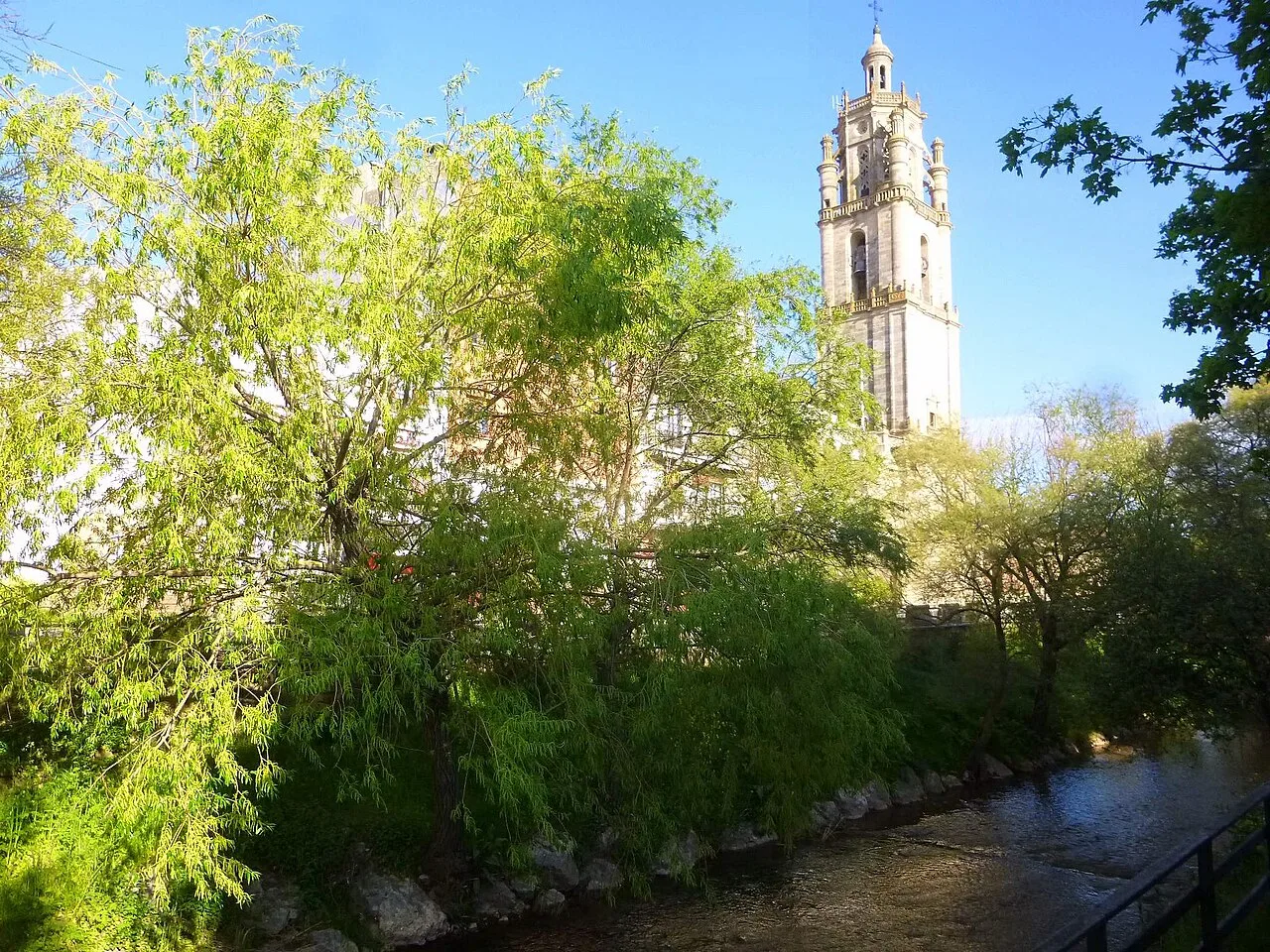
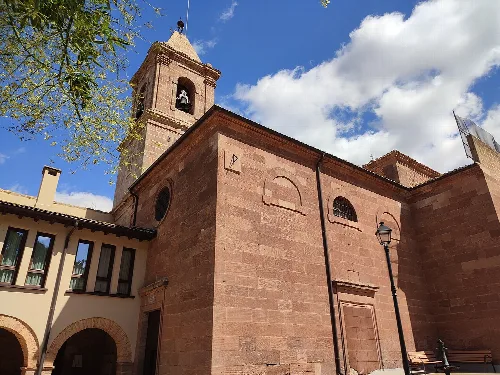
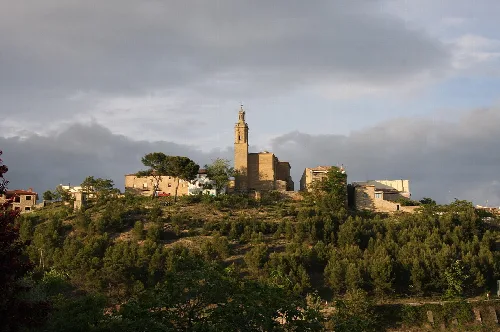
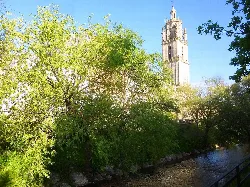
The Iglesia de Santa María dates back to the 12th century, originally built in a Romanesque style. Over the centuries, it has incorporated various architectural elements from Gothic, Renaissance, Baroque, and Neoclassical styles. The church features a single nave with lateral chapels and a notable Plateresque portal from 1591, showcasing intricate craftsmanship.
History
Iglesia de Santa María
What can you tell me about the Portal de Castilla in Los Arcos?
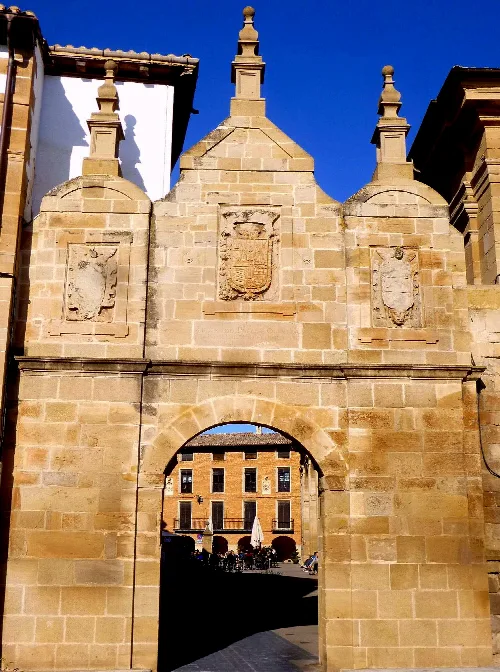
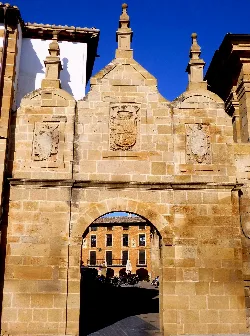
The Portal de Castilla is a 17th-century structure that serves as an entrance to the town square. It features the coats of arms of Felipe V of Spain and is a significant historical landmark in Los Arcos, reflecting the architectural style of its time and the town's importance in regional history.
Sights
Portal de Castilla
What are the main agricultural products in Los Arcos?
Los Arcos primarily engages in agriculture, focusing on Mediterranean crops like grapes and olives. Additionally, wheat and barley are cultivated both in dry and irrigated conditions, with barley occupying the largest area. The fertile land, aided by the nearby river Odrón, supports these agricultural activities.
Food & drink
For residents
How is the climate in Los Arcos?
Los Arcos has a Mediterranean climate characterized by moderate rainfall, averaging between 500 to 600 mm annually, with about 60 to 80 rainy days. Summers are typically dry, and the average annual temperature ranges from 10 °C to 13 °C, influenced by the area's elevation.
Nature
For residents
What are the main events during the patronal festival in Los Arcos?
The patronal festival in Los Arcos takes place from August 14 to 20. It features various activities, including encierros (bull runs) and vaquillas (young bulls). The first encierro occurs on August 15 at 18:00, followed by nightly vaquillas and additional encierros throughout the festival days.
Festivals & events
What is the significance of the archaeological site El Castillo near Los Arcos?
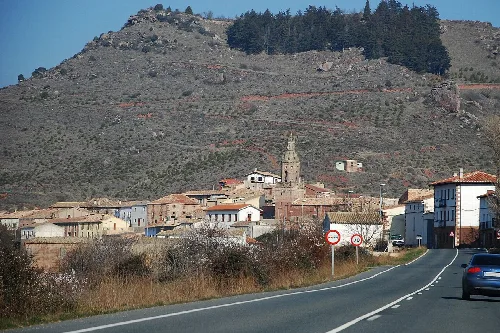
El Castillo is an archaeological site believed to be the ancient Vascon city of Curnonium, dating from the late Bronze Age to the Iron Age. Historical records suggest its existence until the 2nd century AD. Excavations have revealed numerous artifacts, indicating a rich historical background beneath modern Los Arcos.
History
For residents
How do I get to Los Arcos from Pamplona?
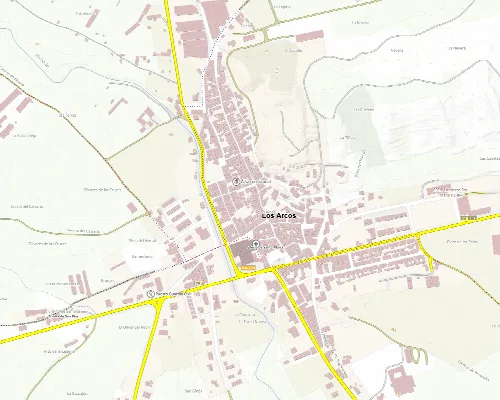
Los Arcos is located approximately 62 km from Pamplona. The town is accessible via the A-12 highway, which connects Pamplona to Logroño, making it easy to reach by car. Local roads also provide access to nearby towns and attractions.
Getting there
What is the main square in Los Arcos like?
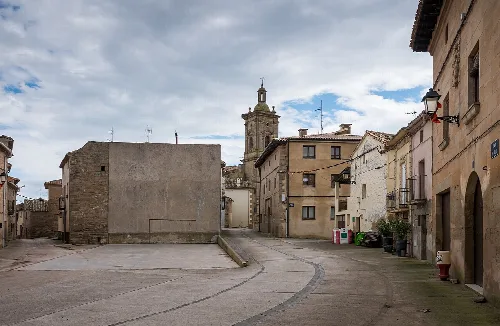
The main square in Los Arcos, known as Plaza de Santa María, is a vibrant area surrounded by historical buildings, including the Iglesia de Santa María. It serves as a social hub for locals and visitors, hosting various events and activities throughout the year, reflecting the town's cultural heritage.
Sights
What outdoor activities are available in Los Arcos?
Los Arcos offers various outdoor activities, particularly due to its agricultural landscape and proximity to nature. Residents and visitors can enjoy hiking, cycling, and exploring the scenic routes along the river Odrón, as well as participating in local events like the Media Maratón Camino de Santiago.
Nature
For residents
What is the local economy like in Los Arcos?
The economy of Los Arcos is primarily based on agriculture, with a significant portion of the population engaged in farming. The town also has a growing secondary sector, including textile and food industries, and a portion of the workforce is involved in commerce and services, contributing to a diverse local economy.
Living there
For residents
 espana.net