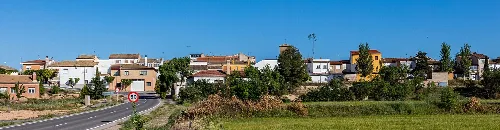
What are the main historical events that shaped Tudela?
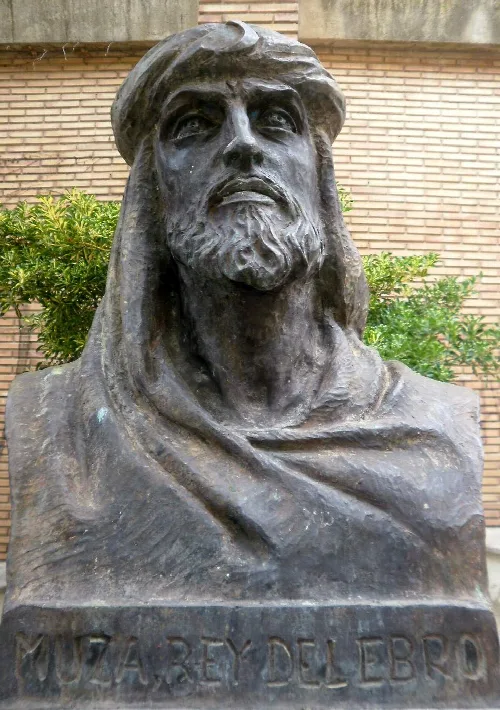
Tudela has a rich history marked by significant events such as its fortification in 802, the reconquest by Alfonso I in 1119, and the granting of city status by Carlos III in 1390. It was a cultural hub during the Muslim period and later became a center of Jewish life. The city also played a role in the Napoleonic Wars, with the Battle of Tudela in 1808 being a notable military engagement.
History
What is the significance of La Mejana in Tudela?
La Mejana is a natural islet on the Ebro River near Tudela, formed by sedimentation. It is famous for its lush gardens and agricultural produce, especially vegetables like artichokes and tomatoes. The area is cherished by locals and features a bridge adorned with a statue of Santa Ana, the patron saint of Tudela, making it a beloved recreational spot.
Nature
La Mejana For residents
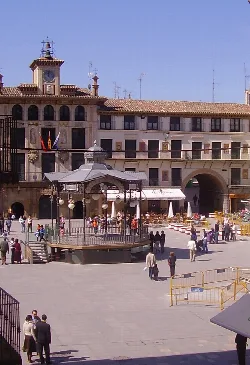
What can I see in the main square of Tudela?
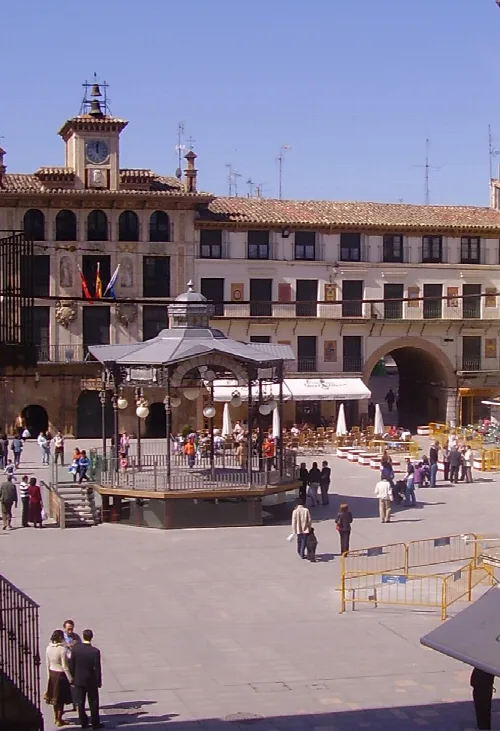
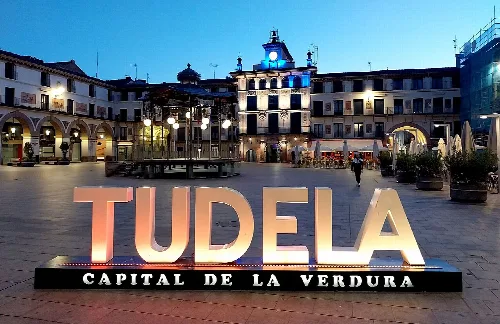
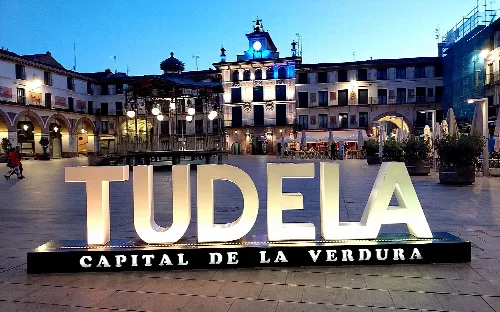
Tudela's main square features a charming gazebo and is surrounded by historic buildings, including the town hall. It's a lively area where locals gather, and you can enjoy various cafes and shops. The square often hosts events and markets, making it a vibrant spot to experience the local culture.
Sights
Tudela plaza
What is the climate like in Tudela?
Tudela has a typical Mediterranean climate characterized by hot summers and mild winters. Rainfall is scarce, primarily occurring in autumn, with an annual average of about 400 mm. The city enjoys around 2,500 hours of sunshine each year, making it suitable for growing various crops, including fruits and vegetables.
Nature
For residents
What historical figures are associated with Tudela?
Tudela is linked to several historical figures, including Alfonso I, who reconquered the city in 1119, and Carlos III, who granted it city status in 1390. Additionally, Benjamin of Tudela, a famous Jewish traveler from the 12th century, documented his journeys through the Mediterranean, highlighting the city's historical significance.
History
What types of food is Tudela known for?
Tudela is renowned for its fresh vegetables, particularly artichokes and asparagus, which thrive in the fertile lands around the Ebro River. The local cuisine features these ingredients prominently, often prepared in traditional dishes that reflect the region's agricultural heritage.
Food & drink
What events take place in Tudela throughout the year?
Tudela hosts various events, including cultural festivals, local markets, and religious celebrations. Notable is the Fiesta de la Verdura, celebrating the region's agricultural bounty, where visitors can enjoy local produce and traditional music. These events foster community spirit and attract visitors.
Festivals & events
How is the local transportation in Tudela?
Tudela is well-connected by road and rail, making it accessible for both residents and visitors. The city has local bus services that facilitate travel within the area. Its strategic location in Navarre also allows for easy access to nearby cities, enhancing its role as a commercial hub.
Practical
For residents
What are some notable landmarks in Tudela?
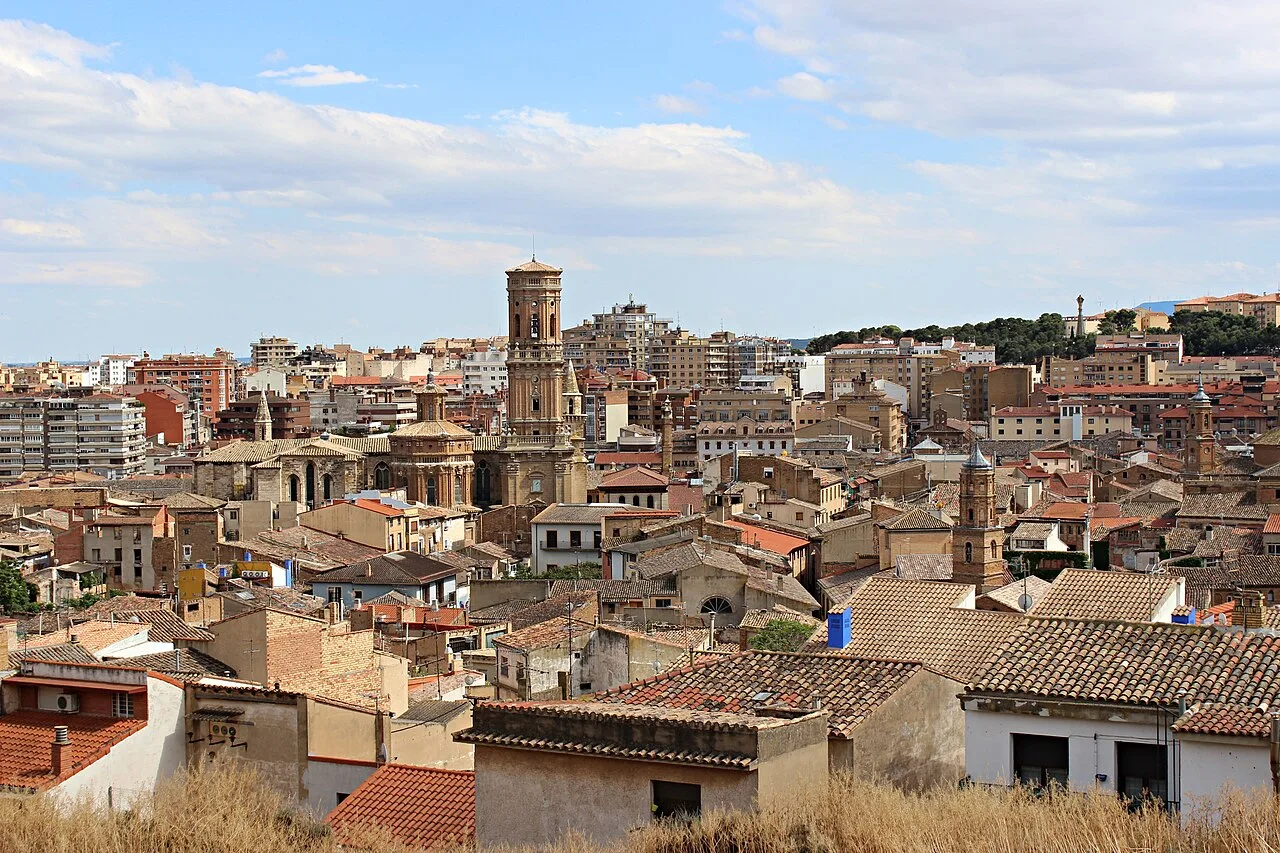
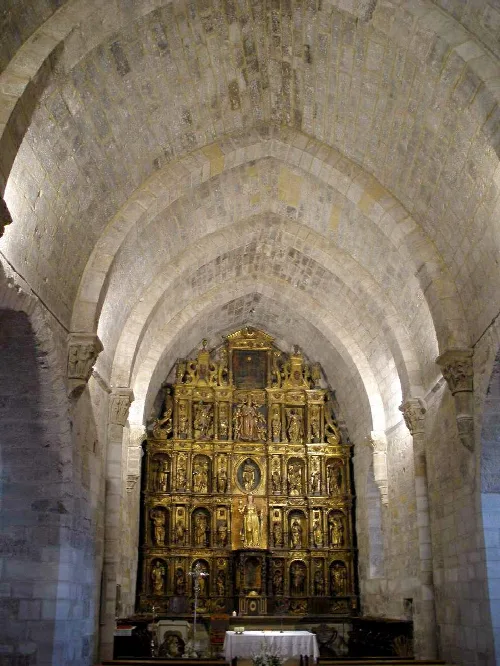
Tudela boasts several notable landmarks, including the Cathedral of Santa María, which reflects its historical significance. The old town features charming plazas, historic buildings, and the Alcázar ruins. The city's rich architectural heritage showcases its diverse cultural influences over the centuries.
Sights

What is the story behind the title of city granted to Tudela?
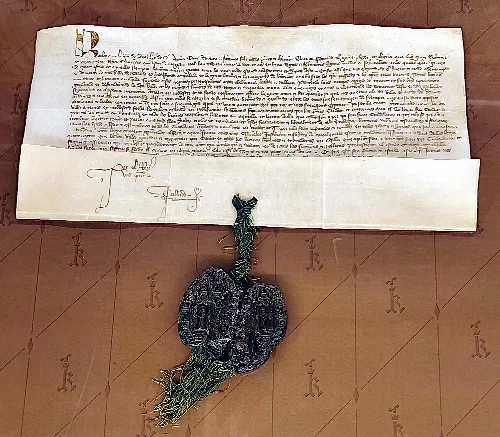
Tudela was granted the title of city by Carlos III of Navarre on May 20, 1390. This title was part of a broader effort to elevate the status of the city, allowing its main church, Santa María, to become a cathedral. This marked a significant moment in Tudela's history, reflecting its importance in the region.
History
For residents
 espana.net