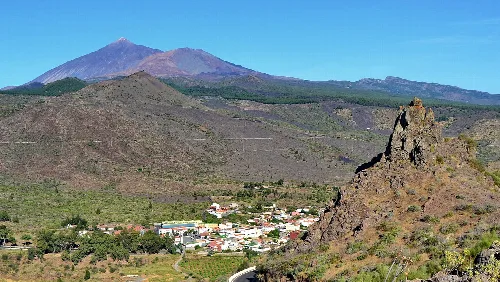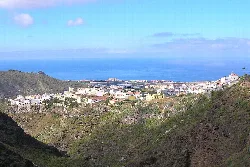
What can you tell me about the view from Barranco del Infierno?
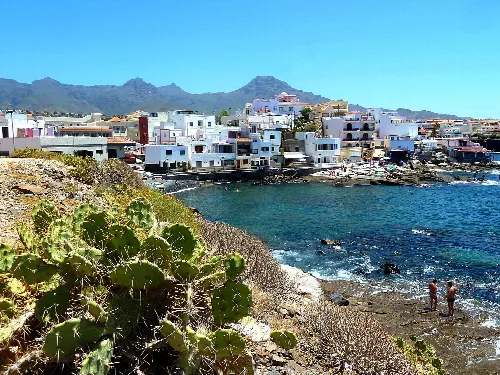
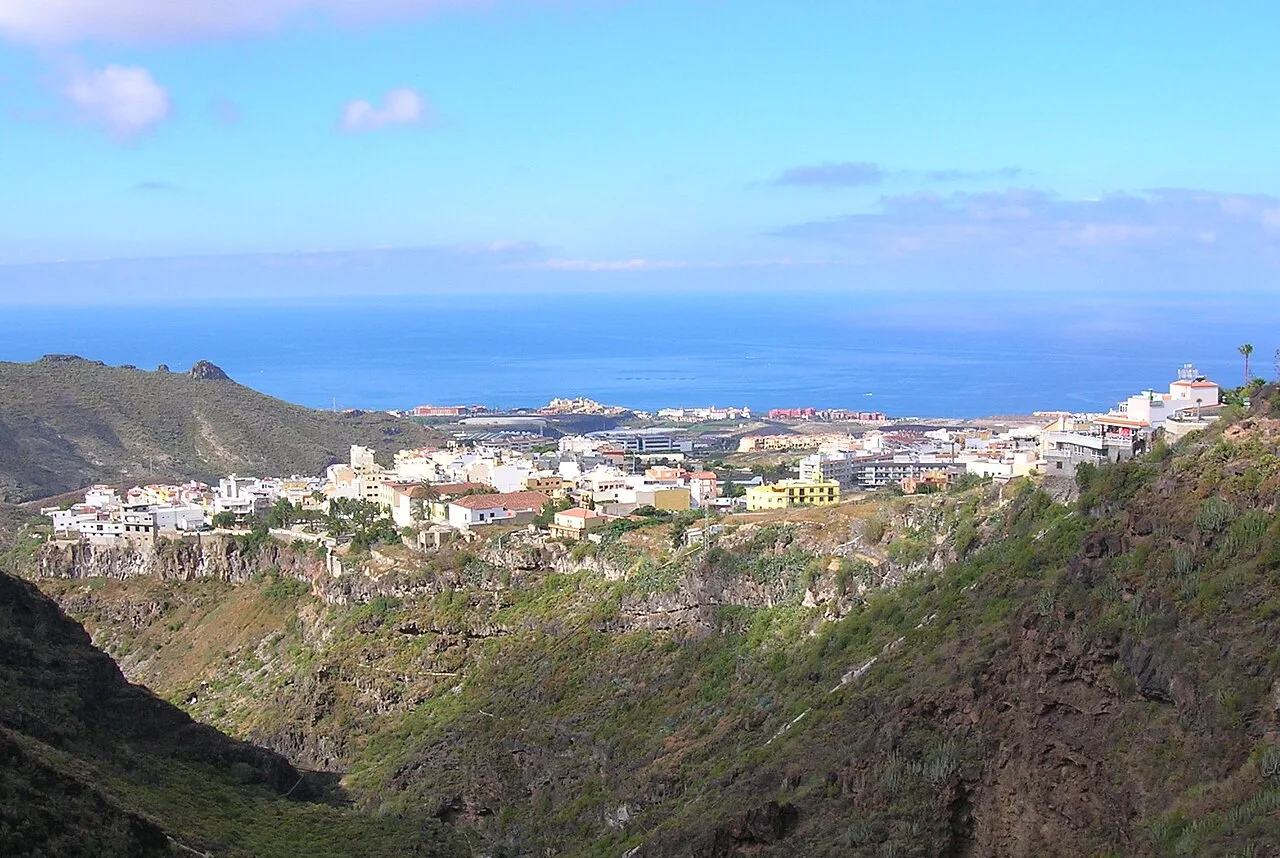
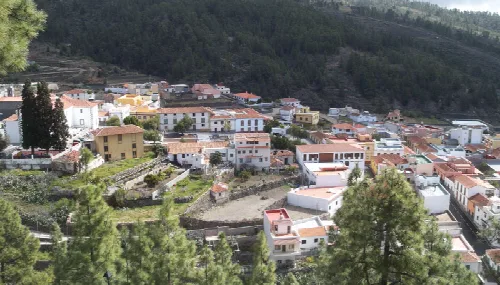
Barranco del Infierno offers stunning views of Adeje and the surrounding landscape. This natural ravine is known for its rich biodiversity and unique geological features. Visitors can enjoy hiking trails that lead through lush vegetation and dramatic cliffs, culminating in breathtaking vistas of the coastline and the Atlantic Ocean. It's a popular spot for nature lovers and photographers alike.
Nature
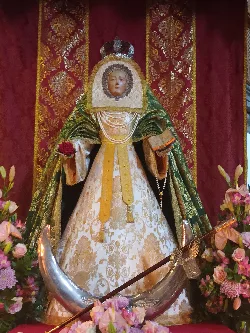
What is the Virgen de la Encarnación?
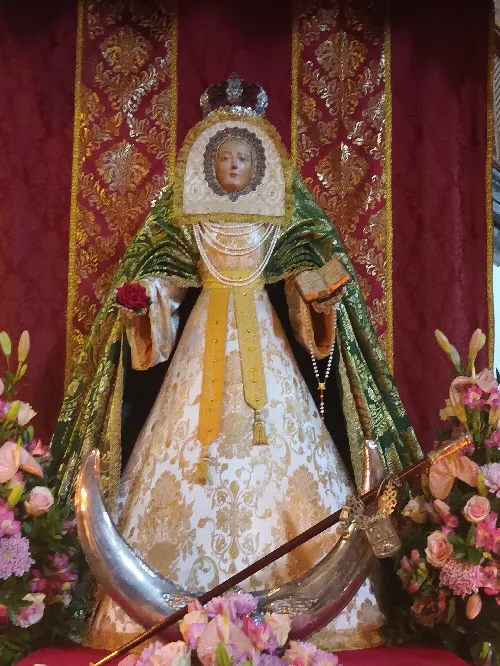
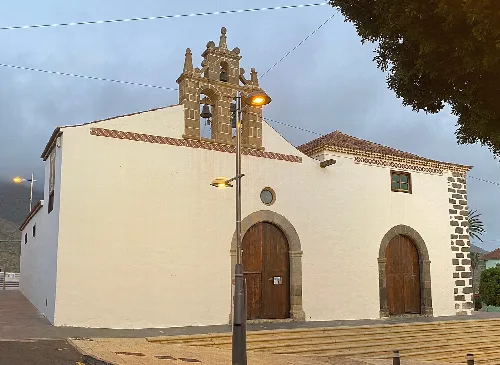
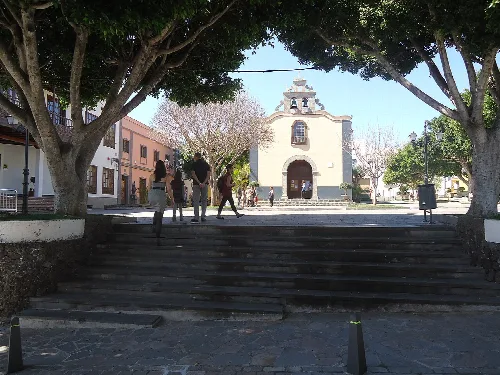
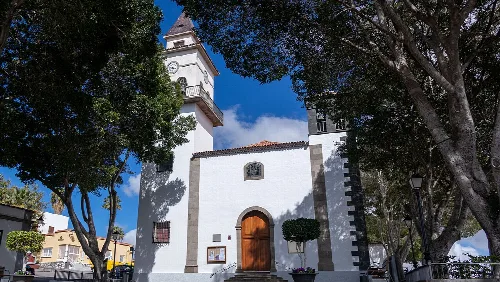
The Virgen de la Encarnación is a revered image located in the Church of Santa Úrsula in Adeje. She is the patron saint of the municipality and is celebrated during local festivals. The statue is notable for its artistic value and is part of the church's rich collection of religious artifacts, which also includes other significant images like the Virgen de Candelaria.
Sights
Virgen de la Encarnación
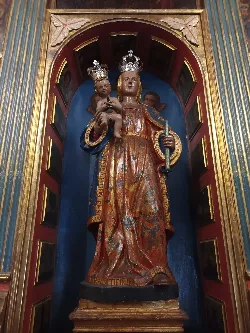
What is the significance of the Virgen de Candelaria in Adeje?
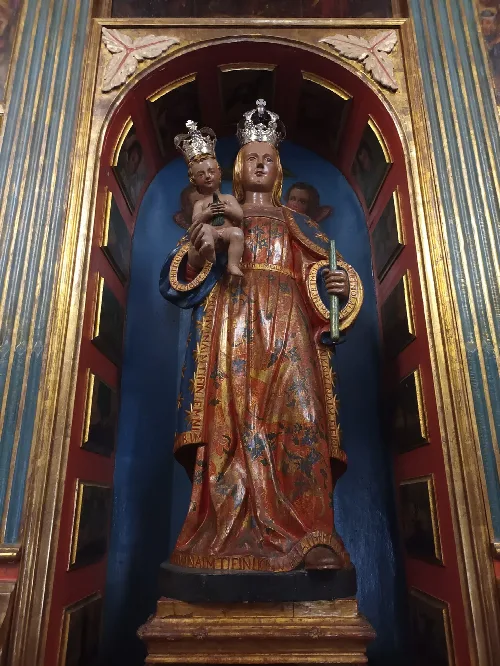
The Virgen de Candelaria is another important religious figure housed in the Church of Santa Úrsula in Adeje. This statue is cherished by locals and is part of the cultural heritage of the area. The Virgen de Candelaria represents the island's deep-rooted religious traditions and is celebrated during various local festivities, enhancing the community's spiritual life.
Sights
Virgen de Candelaria
What are some popular events in Adeje?
Adeje hosts several vibrant events throughout the year. Notable among them are the fiestas in honor of the Virgen de la Encarnación and Santa Úrsula in October, which feature religious and cultural activities. The San Sebastián celebration on January 20 includes a unique procession to the sea, showcasing local traditions. Additionally, Semana Santa is marked by various processions and community participation.
Festivals & events
How does the history of Adeje reflect its indigenous roots?
Adeje's history is deeply intertwined with its indigenous Guanche roots. Before the Spanish conquest in the 15th century, it was a significant political center for the Guanche people. The last mencey, Pelinor, signed a peace treaty with the Spanish, marking a pivotal moment in the area's history. This heritage is still celebrated today through various cultural events and local traditions.
History
For residents
What is the main economic activity in Adeje?
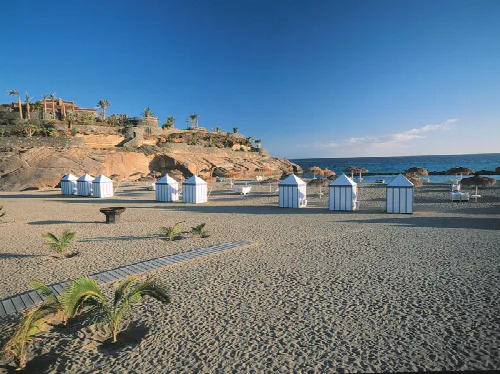
The primary economic activity in Adeje is tourism, particularly in the Costa Adeje area. This region has seen significant development in recent years, attracting visitors with its beautiful beaches and favorable climate. Additionally, construction has played a crucial role in supporting the tourism infrastructure, contributing to the local economy and job creation.
Living there
For residents
What natural spaces can I explore in Adeje?
Adeje is home to several protected natural spaces, including the Barranco del Infierno, a special natural reserve known for its unique landscapes and biodiversity. Other notable areas include the Caldera del Rey and parts of the Teide National Park, which offer opportunities for hiking and enjoying the island's stunning scenery. These spaces are vital for conservation and outdoor activities.
Nature
How can I get to Adeje?
Adeje is accessible primarily via the Autopista del Sur TF-1, which connects it to other parts of Tenerife. Additionally, local roads such as TF-47 and TF-82 provide access. Public transport options include buses operated by TITSA, with several stops throughout the municipality, making it easy to navigate the area without a car.
Getting there
What is the Casa Fuerte in Adeje?
The Casa Fuerte is a historic building in Adeje, recognized as a cultural monument. Originally serving as a fortification, it has undergone various changes in use over the centuries. Located near the Church of Santa Úrsula, it offers insights into the area's historical significance and is a point of interest for visitors exploring Adeje's rich heritage.
Sights
Casa Fuerte
What is the population of Adeje?
Adeje has a population of approximately 50,021 residents, making it one of the most populous municipalities on the island of Tenerife. The demographic includes a diverse mix of nationalities, with a significant percentage of the population born abroad, reflecting the area's appeal as a tourist destination and residential community.
Living there
For residents
 espana.net