Trescasas is a municipality located in the province of Segovia, within the autonomous community of Castile and León. Characterized by its rich history and proximity to the Sierra de Guadarrama, it comprises the population entities of La Atalaya, Sonsoto, and Trescasas itself.
02Geography
Trescasas is situated in a diverse geographical area, bordered by the SG-P-6121 road, which connects to the CL-601 and N-110 routes. The municipality is divided into two regions: Tierras de Segovia and La Vera de la Sierra, each with its own historical significance and geographical features.
Climate
Mediterranean with oceanic influence
Flora
Pastures, thorny shrubs, and reforested pines
03History
The history of Trescasas dates back to its founding around 1100, with its name appearing in documents from 1247. The area has seen various phases of settlement, from prehistoric times through Roman and Visigothic occupations, to its role during the Reconquista.
1100 Foundation of Trescasas.
1247 First documented mention of Trescasas.
1347 Royal privilege granted by Alfonso XI.
1811 Significant battle during the French occupation.
1844 Union of Trescasas and Sonsoto.
Trescasas is a municipality in Segovia, known for its history and proximity to the Sierra de Guadarrama.
04Economy
Historically, Trescasas relied on agriculture and livestock, particularly due to its location along the Cañada Real Soriana Occidental. In modern times, the economy has diversified, with the Bezoya water bottling plant playing a significant role, alongside rural tourism.
Main economic activities Agriculture, livestock, and tourism.
Water bottling plant Bezoya.
Average household income 31,479 euros.
Employment agency Agency of Employment and Local Development.
Tourism facilities Several rural houses and a spa.
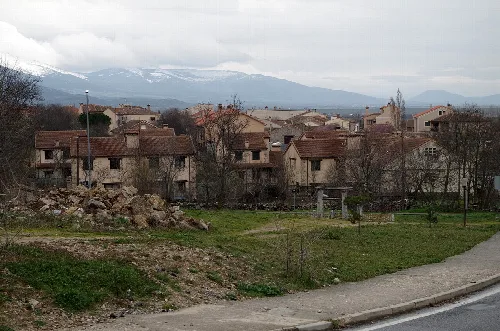
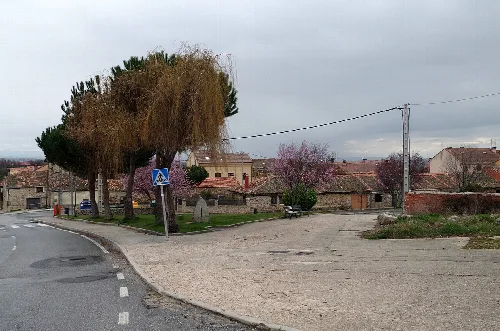
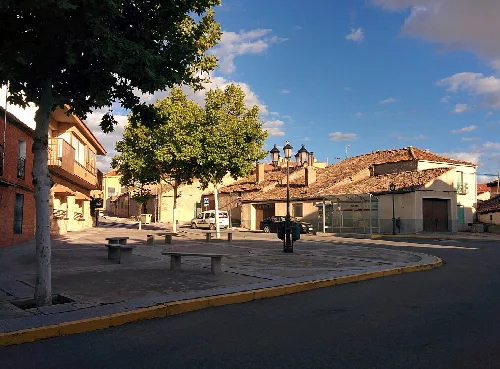
View of Trescasas with traditional houses and mountains in the background in Segovia, SpainView of a square in Trescasas with trees and paths on a cloudy day.
05Flora and Fauna
The natural environment of Trescasas is characterized by diverse flora and fauna, including various protected species. The municipality is home to a significant number of animal species, including amphibians, reptiles, and birds, making it a vital area for biodiversity.
Flora Pastures, thorny shrubs, and various pine species.
Animal species 166 species excluding insects.
Protected amphibians Common spadefoot toad, Iberian painted frog.
Bird species 110 species, including various raptors.
Mammals 31 species, including wolf and Iberian desman.
06Cultural Heritage
Trescasas boasts a rich cultural heritage, with remnants of its historical architecture and significant archaeological sites. The area reflects its medieval past through various structures and the ongoing preservation efforts of its historical sites.
Historical sites Medieval archaeological site of Aragoneses.
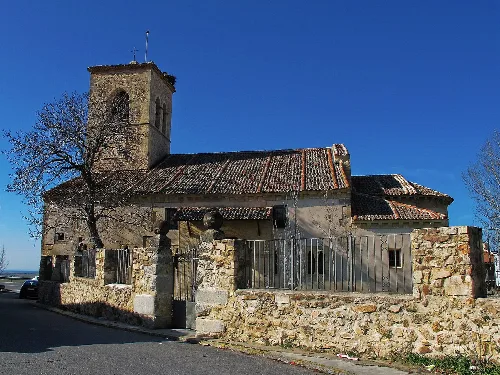
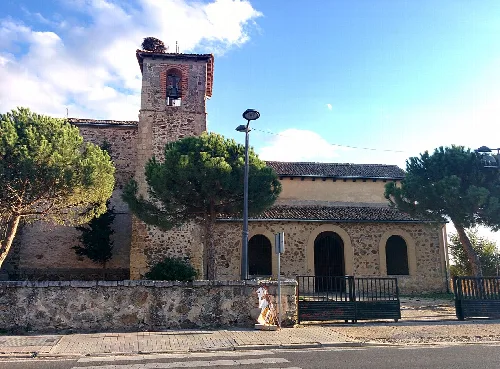
Architectural landmarks Iglesia de San Benito, former cemetery.
Cultural events Local festivals celebrating heritage.
Natural parks Part of Sierra de Guadarrama National Park.
Heritage conservation Efforts to preserve historical buildings.
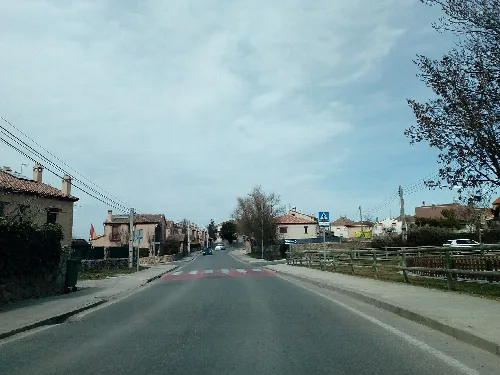
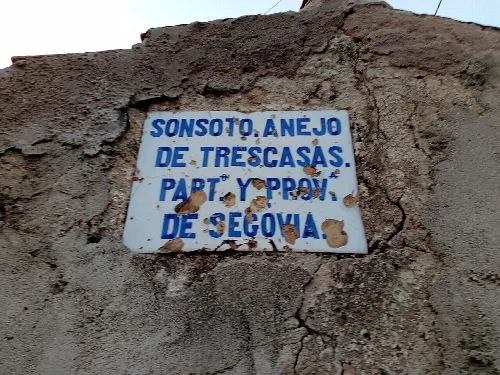
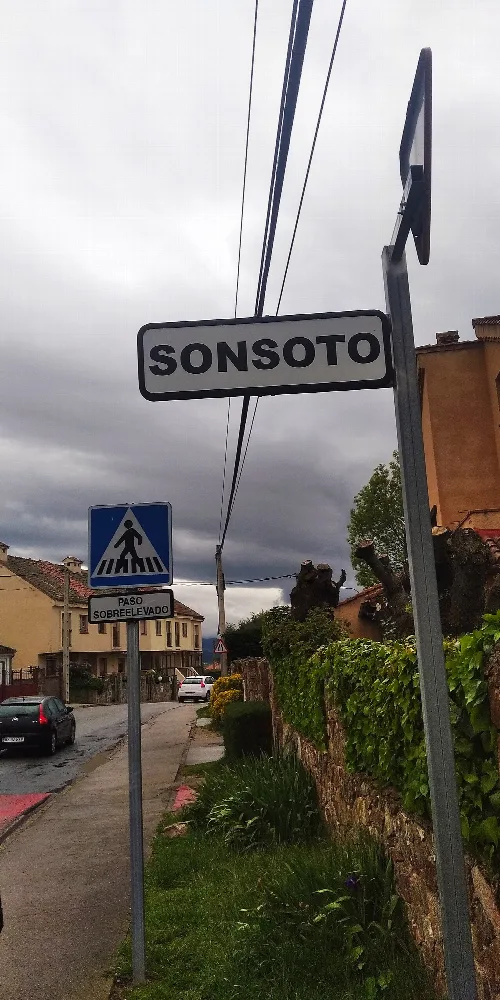
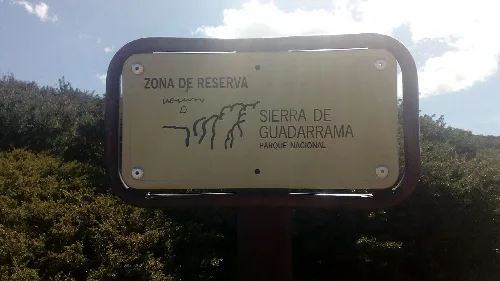
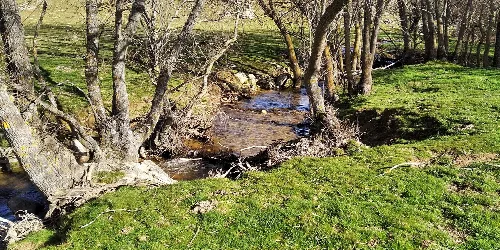
View of the street in Trescasas, Segovia, with houses and trees on the sides.Old inscription about Sonsoto in Trescasas, Segovia, on a stone wall.Sign indicating the entrance to Sonsoto, Trescasas, Segovia, next to a pedestrian crossing and warning sign.Sign for a protected area in the Sierra de Guadarrama in Trescasas, Segovia.The Ciguiñuela River flows through a green, wooded landscape in Trescasas, Segovia.
Frequently asked questions
What is the Iglesia de la Concepción in Trescasas?
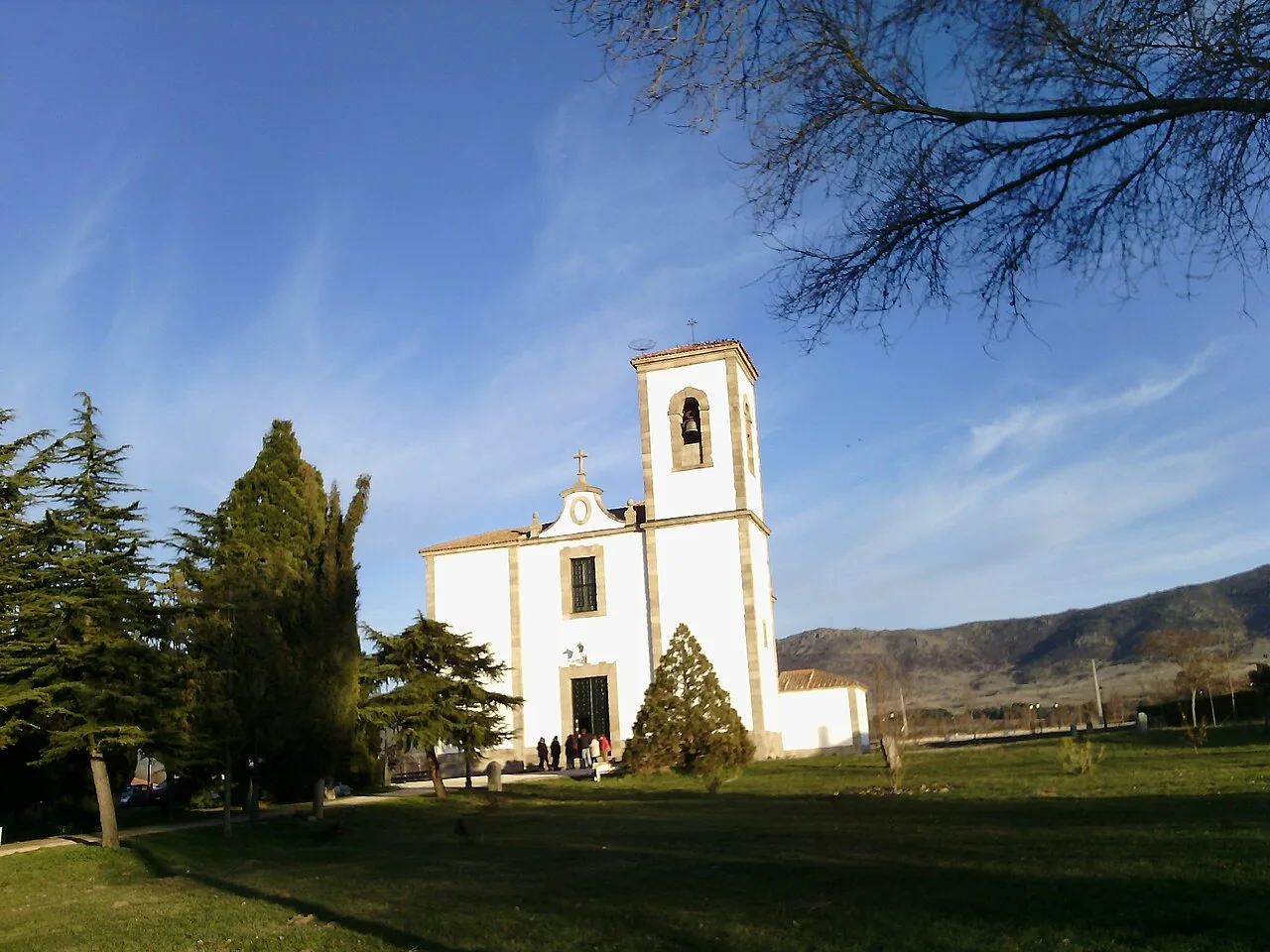
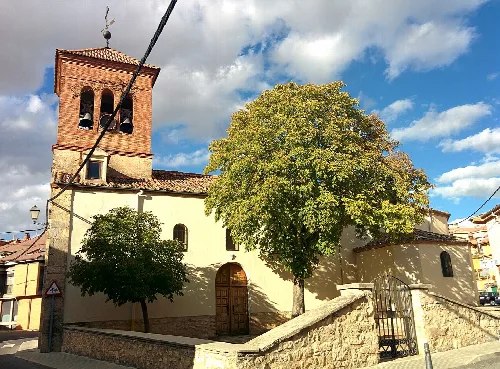
Iglesia de la Concepción is a neoclassical church located in Trescasas, built under the orders of Carlos III. It was constructed to replace an older Romanesque church, which was repurposed as a cemetery. This church serves as the main parish for the town, symbolizing the historical connection between Trescasas and Sonsoto.
The name Trescasas is believed to originate from the three shearing houses historically used for transhumance in the area. However, historical references dating back to 1247 suggest that the name predates these structures. It may also refer to three buildings or settlements sharing water rights from the nearby river Cambrones.
What are the main geographical features of Trescasas?
Trescasas is bordered by the Sierra de Guadarrama, featuring significant elevations like Pico de La Atalaya and Pico de La Fecha. The municipality includes 456 hectares of the national park and is part of the protected areas for wildlife, making it a significant location for nature enthusiasts.
Trescasas is home to a diverse range of wildlife, including 166 species of animals. Notable species include the Iberian wolf and various birds of prey such as the golden eagle and black vulture. The area also supports numerous amphibians and reptiles, making it a rich habitat for biodiversity.
While specific food specialties for Trescasas aren't detailed, the region is known for its agricultural and livestock activities. Local cuisine often features traditional Castilian dishes, which may include lamb and various dairy products, reflecting the area's agrarian roots.
What is the historical significance of the river Cambrones?
The river Cambrones has been vital for the local community, historically managed by the Noble Junta de Cabezuelas for water distribution. Its importance is highlighted in documents dating back to the 15th century, emphasizing its role in sustaining local agriculture and settlements.
The reference material does not specify annual events in Trescasas. However, like many small towns in Spain, it likely hosts local festivals and celebrations related to agricultural cycles or religious observances, common in the region.
What are the main challenges facing Trescasas today?
Trescasas faces challenges related to urban development and maintaining its rural character amidst population growth. The proximity to Segovia has led to increased infrastructure demands, impacting the local environment and community dynamics.
How has the population of Trescasas changed over time?
The population of Trescasas has seen significant growth, especially in the 21st century, increasing due to its appeal as a suburban area near Segovia. As of 2025, it has a population of 1,130, reflecting its transformation into a more urbanized community.
Trescasas has a Mediterranean climate with oceanic influences, characterized by mild, dry summers and cool winters. The average temperature during the warmest month does not exceed 22 °C, making it a pleasant environment for outdoor activities.
 espana.net