What is Écija known for?
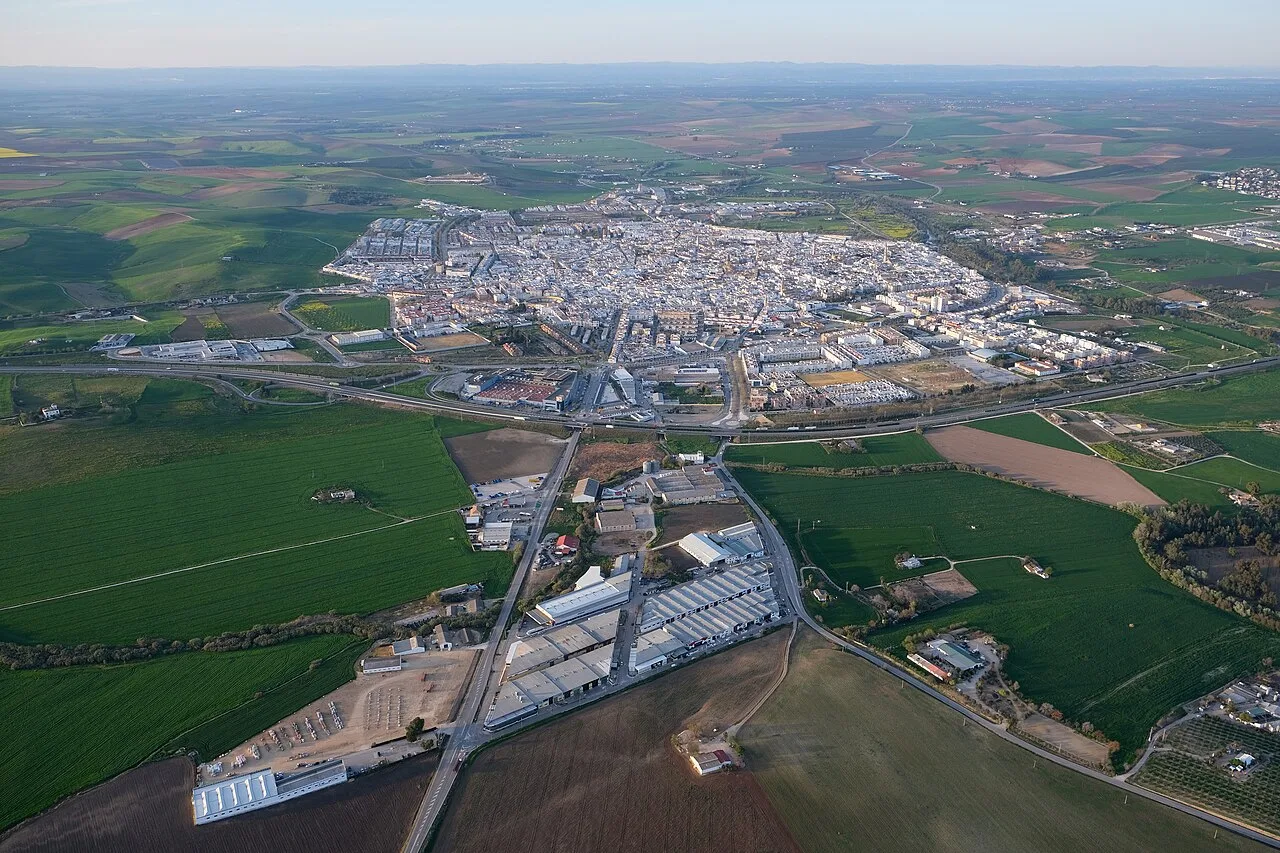
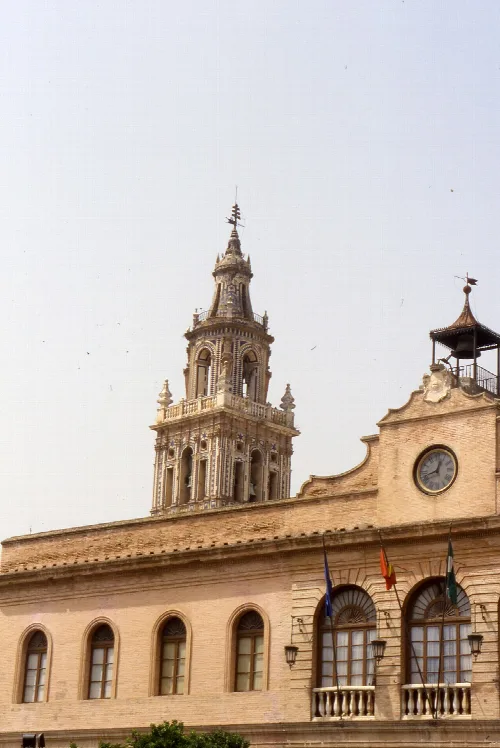
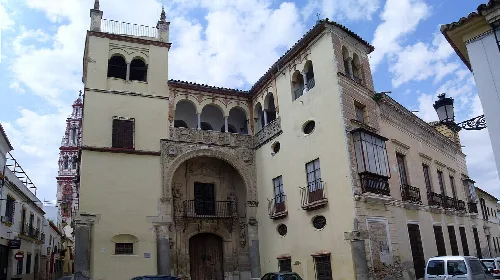
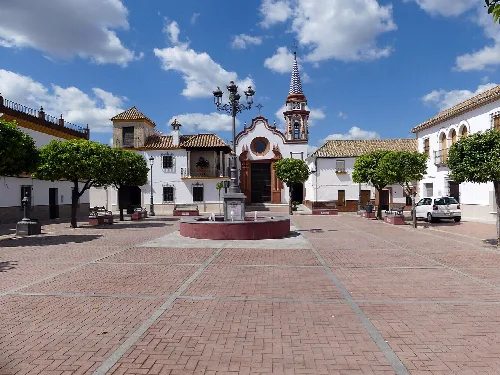
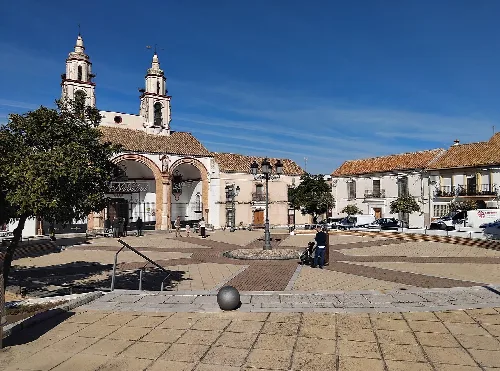
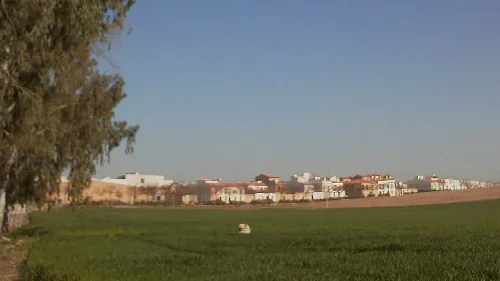
Écija is often referred to as the 'Ciudad del Sol' and 'the City of Towers' due to its numerous historical towers. It's recognized for its rich history, particularly from Roman and Islamic periods, and is considered one of the most important historical complexes in Andalusia. The town is also famous for its high summer temperatures, earning it the nickname 'Sartén de Andalucía.'
History
What festivals are celebrated in Écija?
Écija hosts two main festivals: the Virgen del Valle, the city's patron saint, celebrated on September 8, and the Feria de Septiembre, which takes place a week later. These events showcase local traditions, music, and cuisine, attracting both residents and visitors.
Festivals & events
What can you tell me about the Roman mosaics in Écija?
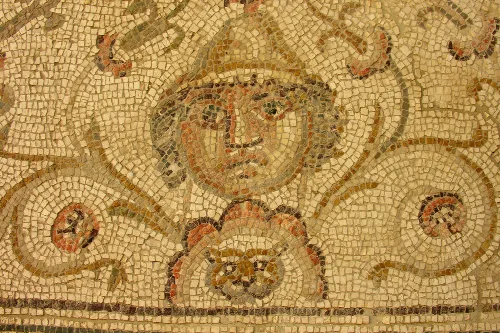
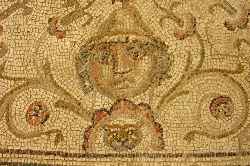
Écija features notable Roman mosaics, which reflect its historical significance during the Roman Empire. One prominent example is a Roman mosaic depicting a warrior, showcasing the artistic craftsmanship of the time. These mosaics are a testament to the city's rich cultural heritage.
Sights
mosaics
How is the climate in Écija?
Écija has a typical Mediterranean climate characterized by extremely hot summers and mild winters. Summer temperatures often exceed 37 °C, with occasional peaks above 40 °C. Winters are generally mild, with temperatures occasionally dropping below 5 °C at night, leading to frequent frosts.
Nature
What is the significance of the Iglesia de San Francisco in Écija?
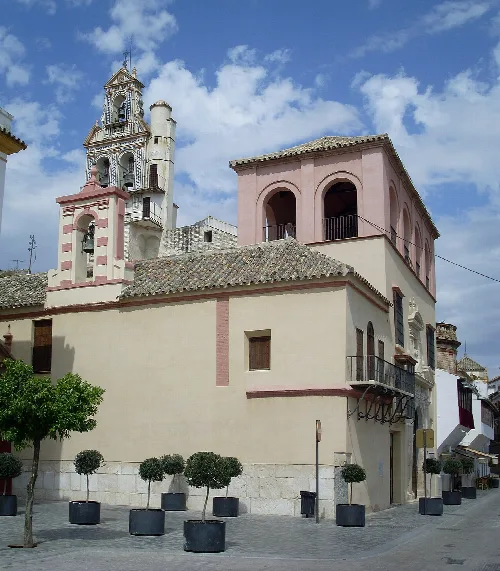
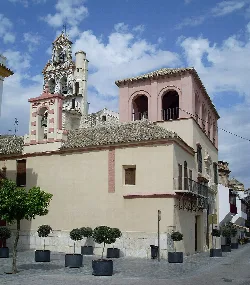
The Iglesia de San Francisco is an important historical church in Écija, showcasing a blend of architectural styles. It serves as a cultural landmark and is a popular site for both locals and visitors, reflecting the city's rich religious heritage and history.
Sights
Iglesia de San Francisco
What are the main agricultural products in Écija?
Écija's agriculture is marked by extensive cereal and olive plantations. Key crops include wheat, maize, and vegetables like tomatoes and potatoes. The region also cultivates industrial crops such as cotton and sugar beets, benefiting from the fertile lands around the Genil River.
Food & drink
For residents
How can I get to Écija?
Écija is accessible via the A-4 motorway, which connects it to major cities like Córdoba and Sevilla. Several secondary roads also link the town to nearby areas, making it convenient for visitors traveling by car.
Getting there
What types of parks are available in Écija?
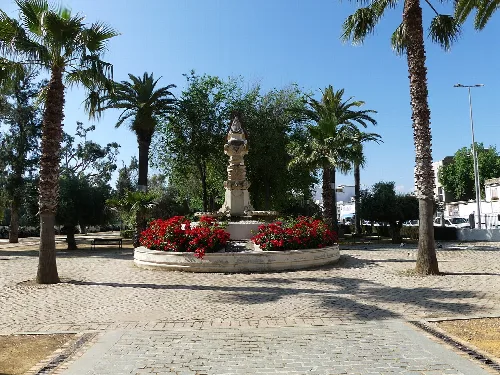
Écija offers several parks for residents and visitors, including Parque del Barrero, an area with repopulated greenery, and Parque San Pablo, which features landscaped gardens. These parks provide recreational spaces amidst the urban environment.
Nature
For residents
What is the history of Écija during the Roman period?
During the Roman period, Écija was known as Colonia Augusta Firma and became an important administrative center in the province of Bética. It was strategically located along the Vía Augusta, facilitating trade and communication, and was known for its production of olive oil.
History
For residents
What wildlife can I expect to see in Écija?
Écija is home to diverse wildlife, particularly avian species. The area is part of a Special Protection Area for Birds, featuring species like the sisón and the golden eagle. Additionally, various mammals and reptiles inhabit the region, highlighting its ecological richness.
Nature
For residents
 espana.net