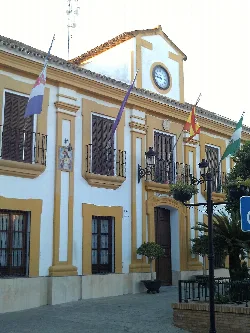
What is the Ayuntamiento de Guillena?
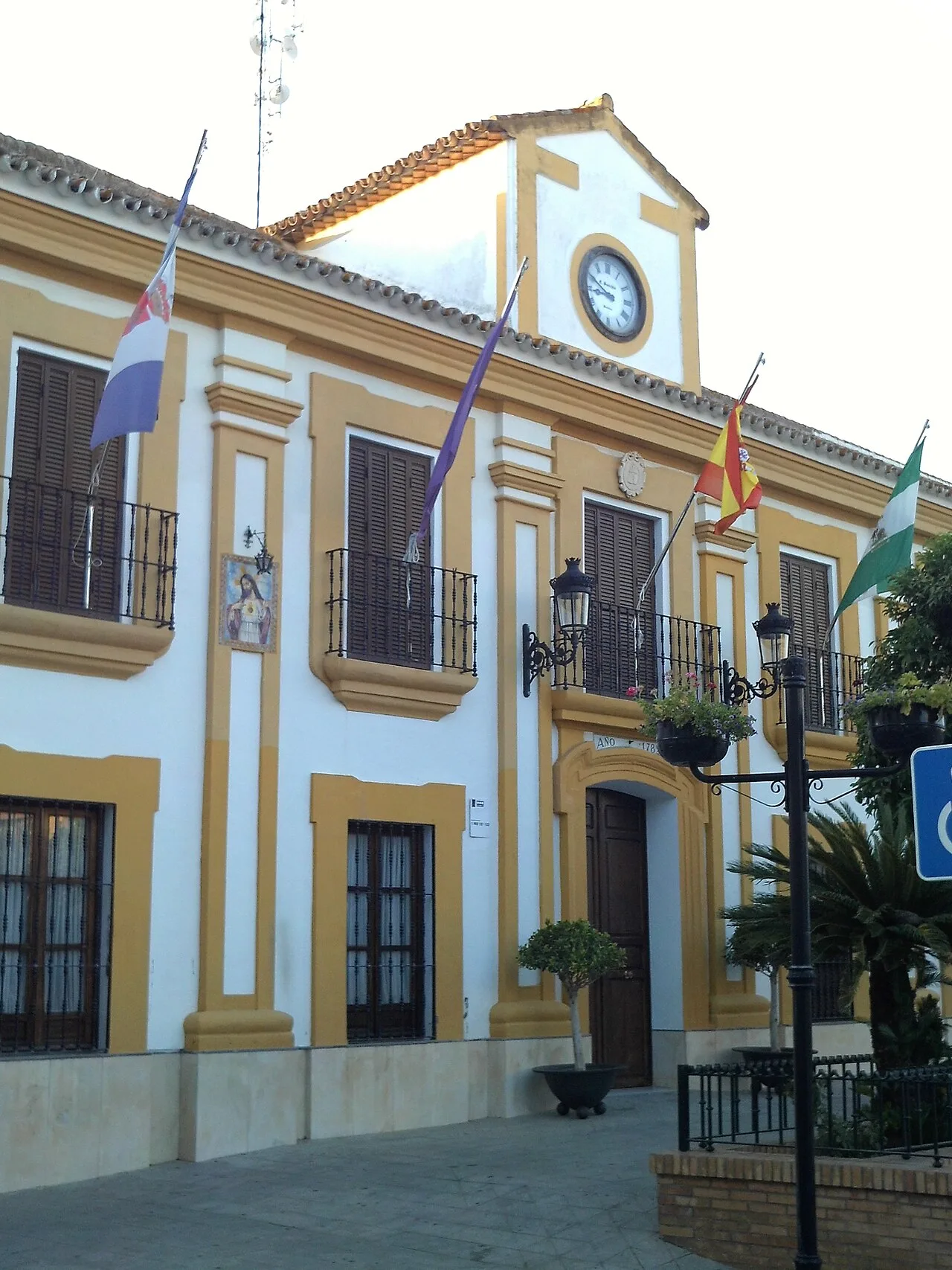
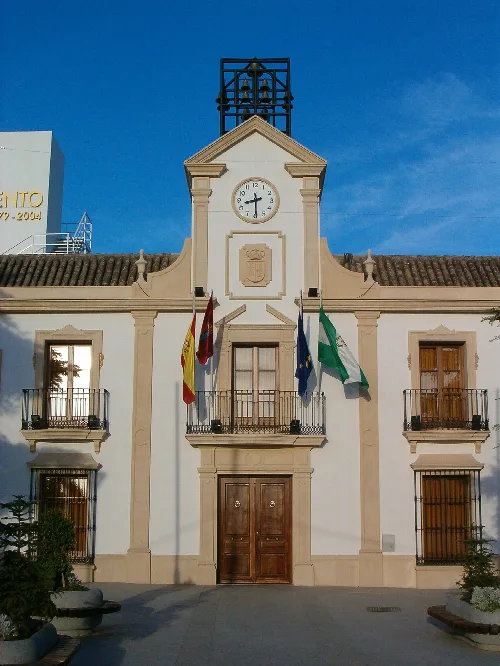
The Ayuntamiento de Guillena is the town hall of Guillena, located in the province of Seville, Andalusia. It serves as the administrative center of the municipality, housing local government offices and providing services to residents. The building features a neoclassical facade and is a significant landmark in the town, reflecting its historical and cultural importance.
Practical
For residents
What can I see during the Semana Santa in Guillena?
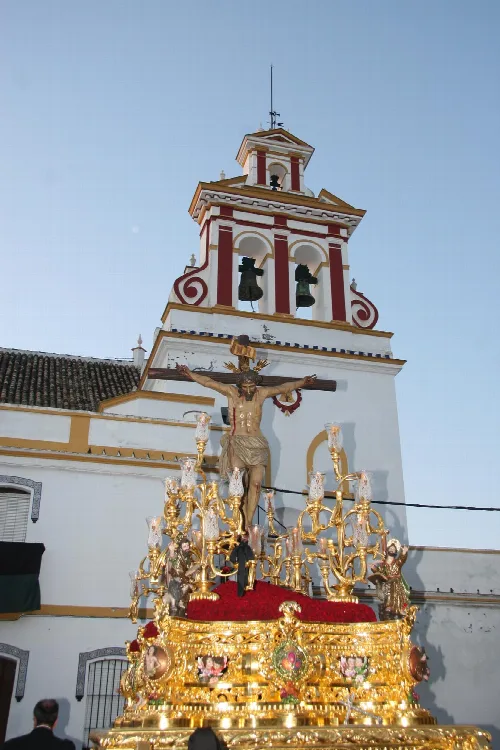
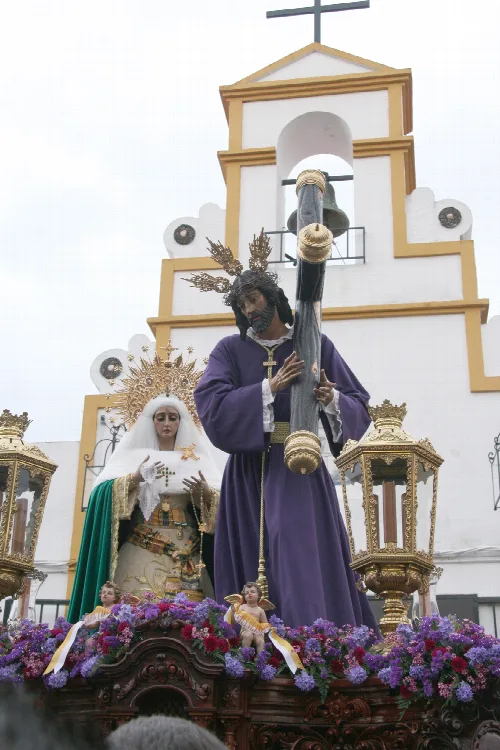
During Semana Santa, or Holy Week, Guillena hosts various processions, including the Hermandad y Cofradía de Nazarenos del Stmo. Cristo de Vera Cruz. This event features beautifully decorated floats and traditional religious imagery, creating a solemn and festive atmosphere. The processions are a significant cultural and religious event for the community, attracting both locals and visitors.
Festivals & events
Semana Santa
What is the Cabalgata de Reyes Viviente?
The Cabalgata de Reyes Viviente in Guillena is a unique living nativity scene that depicts biblical scenes from the New Testament, celebrating the arrival of the Three Wise Men. It features 12 floats and involves local residents portraying characters, making it an engaging experience for all ages. This event has been celebrated since 1992 and was declared a Fiesta de Interés Turístico de Andalucía in 2017.
Festivals & events
Cabalgata de Reyes Viviente
What historical significance does the Plaza de Toros have?
The Plaza de Toros in Guillena is built on the site of a former Muslim castle and has historical roots dating back to Roman times. It has hosted various cultural events, including bullfights and community celebrations. The structure has undergone several renovations, with the latest completed in 2002, enhancing its role as a cultural venue in the town.
History
Plaza de Toros For residents
What can you tell me about the church in Guillena?
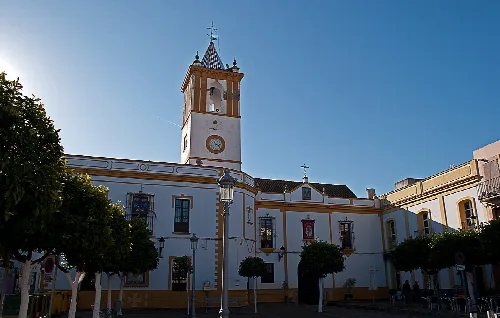
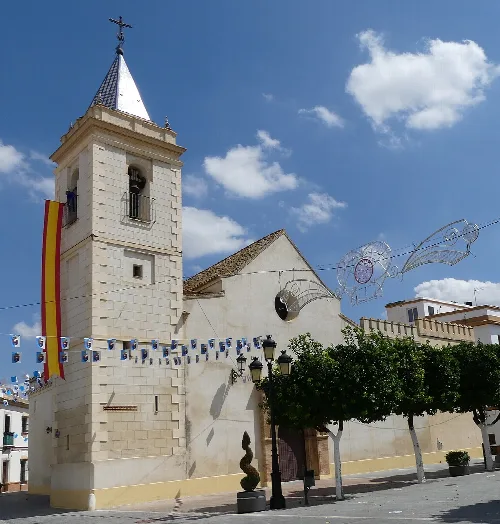
The church in Guillena, known as Parroquia de Ntra. Sra. de la Granada, is a Gothic-Mudéjar style building established in 1247. It has undergone several renovations due to earthquakes and other damages, with significant work completed in the 18th century. The church houses important religious artworks, including the image of the Virgen de la Granada, the town's patron saint.
Sights
Parroquia de Ntra. Sra. de la Granada
What are the main natural features around Guillena?
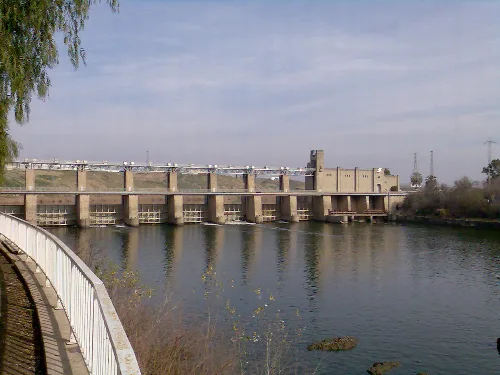
Guillena is located near the Sierra Norte and is characterized by its diverse landscape, which includes hills, valleys, and rivers. The area is watered by the Rivera de Huelva and Rivera de Cala, and features several reservoirs such as embalse de Cala and embalse de Gergal. This natural setting provides opportunities for outdoor activities and exploration.
Nature
How has Guillena's population changed over the years?
Guillena currently has a population of approximately 14,260 residents. The demographic evolution shows changes over the 20th and 21st centuries, reflecting various social and economic factors. The town's growth is influenced by its proximity to Seville and its appeal as a residential area.
Living there
For residents
What is the significance of the Casa de Maera?
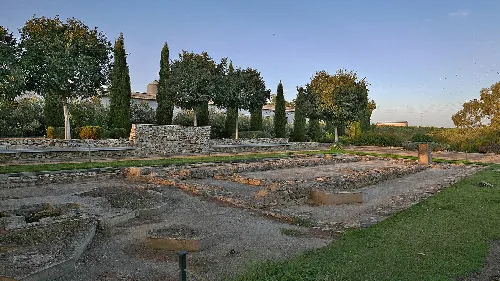
The Casa de Maera is an important archaeological site in Guillena, showcasing remnants of Roman habitation. It features a subterranean chamber and has yielded significant artifacts, including pottery and a stone milestone. These findings provide insight into the region's historical significance during the Roman era.
History
Casa de Maera For residents
What events are celebrated in the Plaza de España?
The Plaza de España serves as the social and cultural hub of Guillena, hosting various events throughout the year. It is the site of local festivities, gatherings, and celebrations, including the annual fair. The plaza has a rich history as a meeting point for the community, making it central to local life.
Festivals & events
Plaza de España For residents
What is the Palacio de Parladé?
The Palacio de Parladé, built in 1914, is a historic residence in Guillena designed in a romantic, historicist style. It was originally a country estate associated with bull breeding. The palace features a distinctive architecture with towers and a landscaped garden, reflecting the grandeur of early 20th-century designs.
Sights
Palacio de Parladé
 espana.net