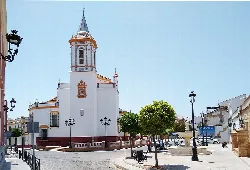
What is the significance of the Iglesia de Santa María la Mayor in Pilas?
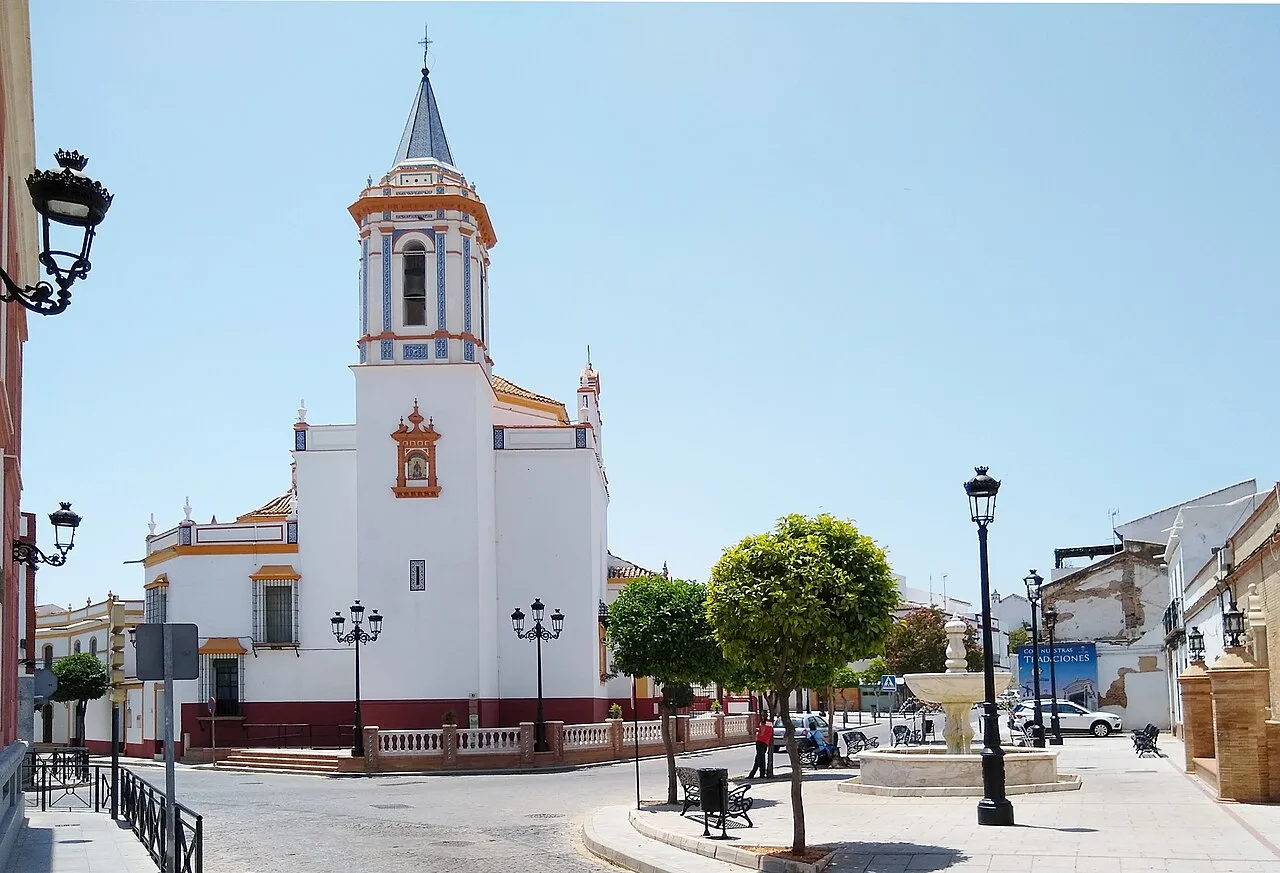
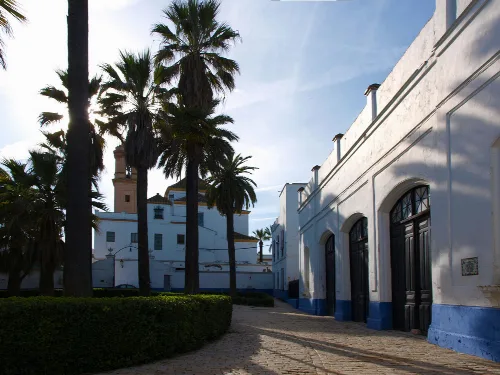
Iglesia de Santa María la Mayor, built in the 18th century, is a key landmark in Pilas. Designed by architect Diego Antonio Díaz, it features a neoclassical altar from the early 20th century. The church houses important images, including Santa María la Mayor and Cristo Crucificado, and showcases various artistic styles, making it a center of local religious life.
Sights
Iglesia de Santa María la Mayor
What can you tell me about the annual events in Pilas?
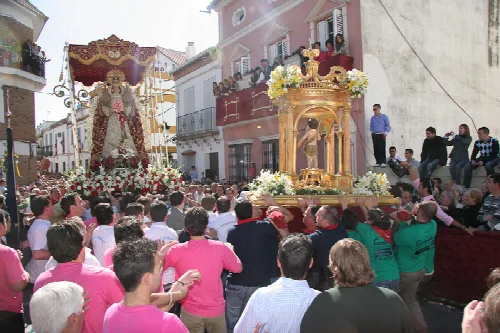
Pilas hosts several significant events throughout the year, including the Jornada de Historia, which has celebrated its XXII edition. Additionally, the Feria de Pilas features local festivities, highlighting cultural traditions and community spirit, particularly the Carreritas during Easter, where religious images are paraded through the streets.
Festivals & events
What are the main agricultural products of Pilas?
Pilas is renowned for its olive production, particularly the manzanilla variety, which has earned it the title of Capital Mundial de la Aceituna de Mesa. Other agricultural activities include the cultivation of cereals, fruit trees, and vineyards, contributing significantly to the local economy.
Food & drink
For residents
What historical significance does Pilas have?
Pilas has a rich history, dating back to Roman times when it was known for its oil production. The town developed significantly during the Arab period and continued to grow post-Reconquista. Notably, it was home to the famous painter Bartolomé Esteban Murillo, who married a local woman and spent time in the area.
History
For residents
What is the landscape like around Pilas?
The landscape of Pilas is characterized by flat terrain with gentle slopes, primarily composed of yellow clayey loam and limestone. The area includes the Alcarayón stream, which is vital for agriculture, and features rich vegetation and wildlife, particularly in the marshy regions to the south.
Nature
For residents
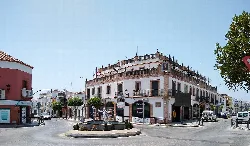
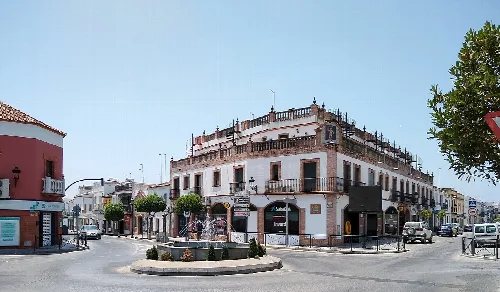
What is the Rotonda entre la avenida Pío XII and calle Nuestra Señora de Fátima?
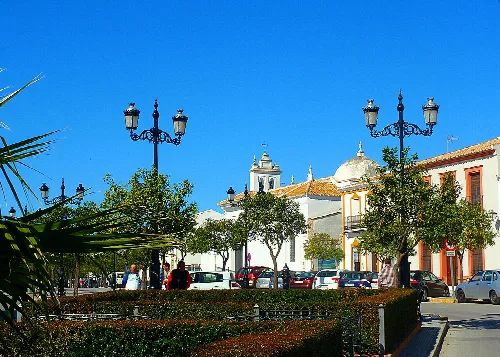
The Rotonda entre la avenida Pío XII and calle Nuestra Señora de Fátima is a notable roundabout in Pilas, serving as a central point for traffic and pedestrian access. It features a fountain and is surrounded by local shops and residences, making it a lively area in the town.
Sights
Rotonda entre la avenida Pío XII y calle Nuestra Señora de Fátima
How has the economy of Pilas evolved over the years?
Pilas' economy has transitioned from primarily agricultural to a more industrial base, particularly in olive oil production and textile manufacturing. The introduction of mechanization and new agricultural techniques in the mid-20th century significantly boosted local industry and employment opportunities.
Living there
For residents
What is the climate like in Pilas?
Pilas experiences an Atlantic-Mediterranean climate, characterized by hot, dry summers and mild, dry winters. The average annual temperature is around 21 °C, with summer highs often exceeding 38 °C. Rainfall is most common in autumn, while summers can be quite arid.
Nature
For residents
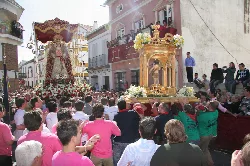
What are the Carreritas in Pilas?
The Carreritas are a traditional Easter celebration in Pilas, where local religious images are carried through the streets. This event is particularly vibrant, showcasing the community's devotion and cultural heritage, and is a highlight of the local festivities during Holy Week.
Festivals & events
What historical figures are associated with Pilas?
Pilas is historically linked to the renowned painter Bartolomé Esteban Murillo, who married a local woman and spent time in the town. This connection adds a cultural depth to Pilas, highlighting its significance in the art history of Spain.
History
For residents
 espana.net