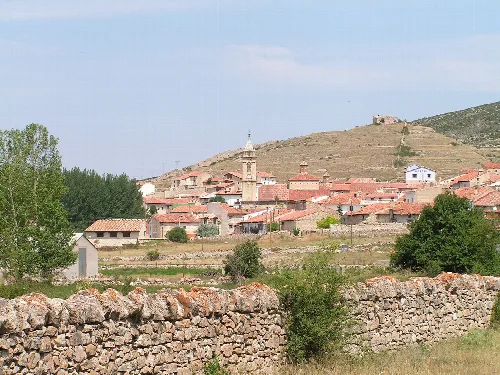
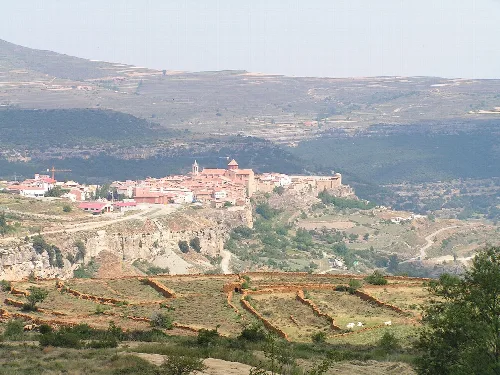
What is Mosqueruela known for?
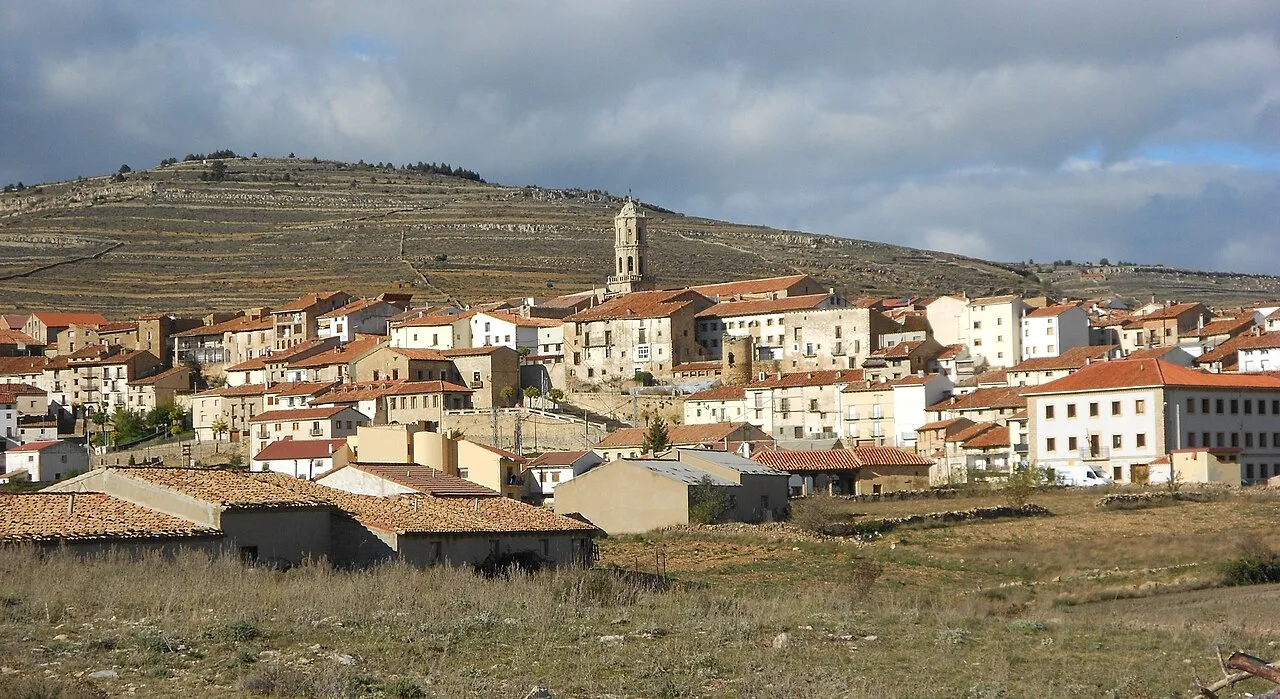
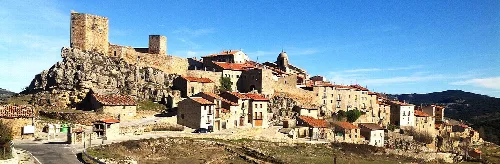
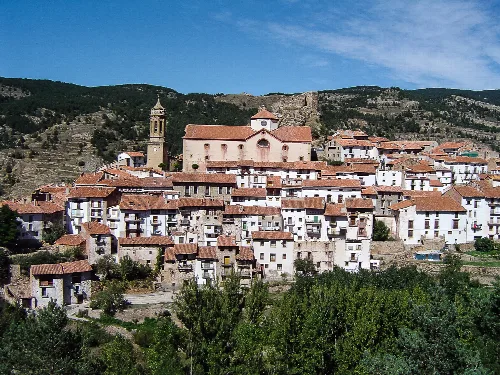
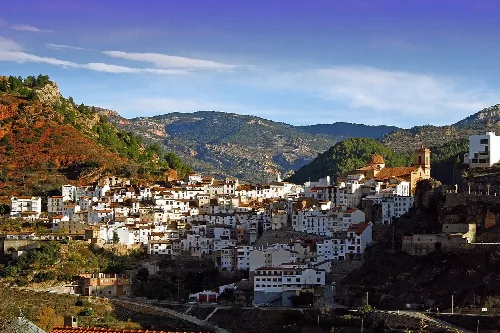
Mosqueruela is known for its rich history, stunning medieval architecture, and beautiful natural surroundings. It features well-preserved walls and historic sites like the Portal de San Roque and the Plaza Mayor. The town's elevation at 1471 m makes it one of the highest municipalities in Aragon, contributing to its unique climate and landscape.
Sights
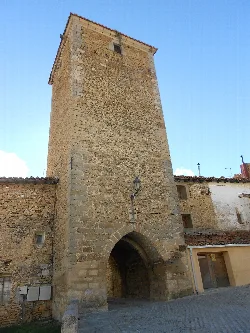
What can I see at the Portal de San Roque?
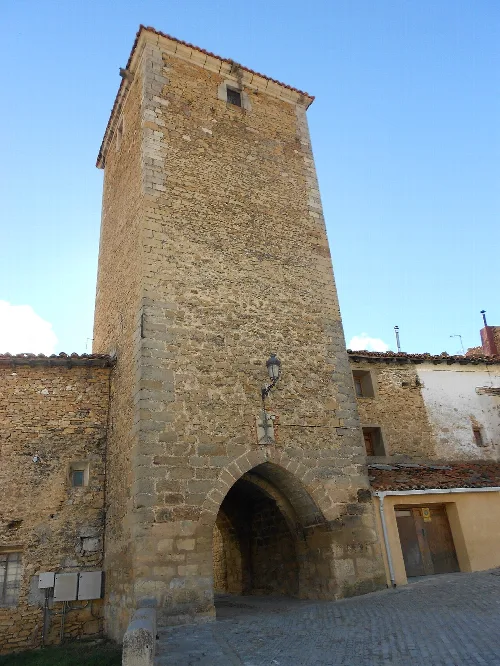
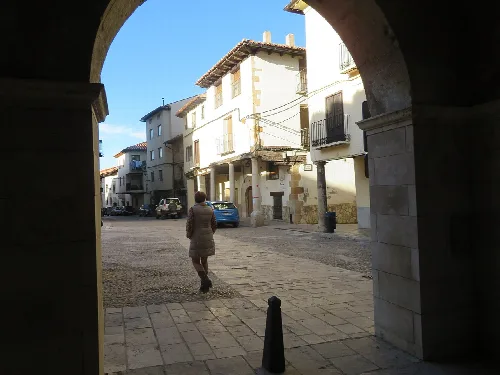
The Portal de San Roque is an impressive main entrance to the town's medieval walls. It features a robust stone structure with a pointed arch and a tall tower, showcasing the architectural style of the period. This site offers a glimpse into Mosqueruela's historical defenses and is a popular spot for photography.
Sights
Portal de San Roque
What historical events took place in Mosqueruela?
Mosqueruela has a rich historical background, including its reconquest from the Moors by Alfonso II in 1181. It served as a strategic point during the conquest of Valencia and was involved in conflicts over grazing rights in the 14th century. The town also faced challenges during the Carlist Wars and the Spanish Civil War, impacting its population and heritage.
History
What is the significance of the Virgen de la Estrella festival?
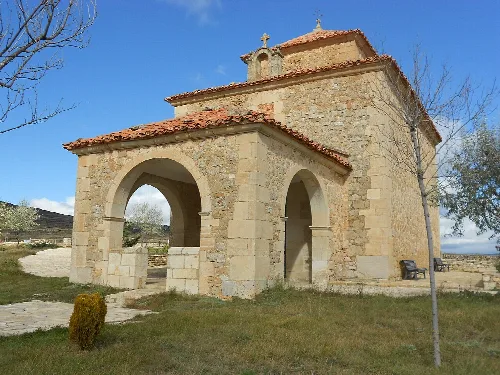
The Virgen de la Estrella festival, celebrated on the last Sunday of May, is the most important event in Mosqueruela. It includes traditional activities like making 'rollos de la Caridad' and a solemn procession to the sanctuary. The festival fosters community spirit and showcases local customs, making it a vibrant cultural experience.
Festivals & events
How is the climate in Mosqueruela?
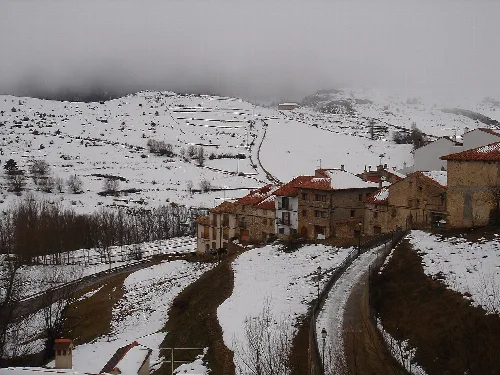
Mosqueruela has a unique climate due to its high elevation, with an average annual temperature of 8.3 °C. Winters can be cold with snowfall, while summers are warm with occasional storms. The region experiences irregular rainfall, contributing to its lush vegetation and scenic landscapes.
Nature
For residents
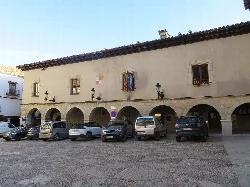
What are the main attractions in the Plaza Mayor?
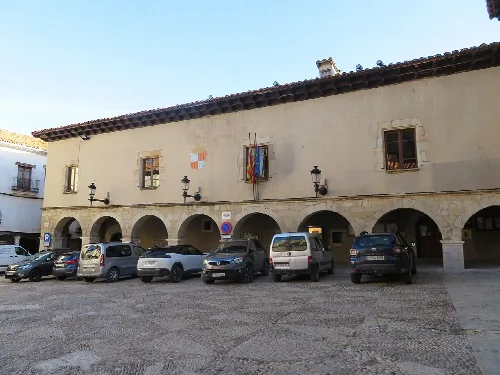
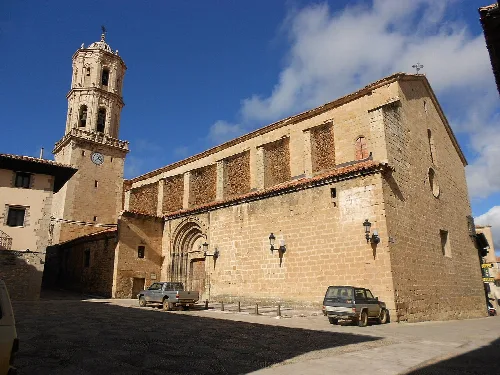
The Plaza Mayor is a central hub in Mosqueruela, featuring the parish church and the town hall. The church, with its intricate architecture and historical significance, is a highlight. The square also serves as a gathering place for community events and festivals, making it a lively spot for visitors.
Sights
Plaza Mayor
Are there any archaeological sites near Mosqueruela?
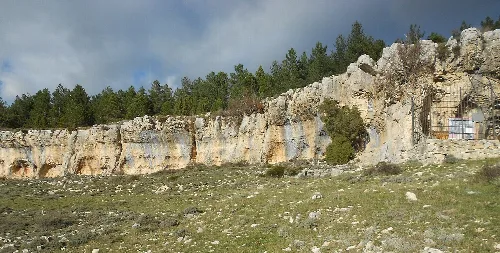
Yes, the region around Mosqueruela is rich in archaeological sites, including ancient settlements from the Bronze Age and Iberian period. Notable sites include the workshops of flint and rock paintings in the Givert ravine, recognized as part of UNESCO's World Heritage. These sites offer insight into the area's prehistoric cultures.
History
What makes the Casa de la Cultura special?
The Casa de la Cultura, originally the hermitage of Santa Engracia, now houses the Museum of Historical Documents. It is significant for preserving the archival history of the Comunidad de Aldeas de Teruel. The building itself reflects the town's architectural heritage and serves as a cultural center for residents and visitors.
Sights
For residents
What is the history behind the Castle of Mallo?
The Castle of Mallo, located near Mosqueruela, was initially under Muslim control until its capture by local residents in 1234. It played a crucial role during the reconquest and was a strategic military site during the Middle Ages, reflecting the town's historical significance in regional conflicts.
History
What can I expect from the local cuisine in Mosqueruela?
The local cuisine in Mosqueruela features traditional Aragonese dishes, often centered around hearty ingredients like lamb and game. Visitors can enjoy regional specialties during festivals, especially during the fair in September, where food and agricultural products are highlighted, providing a taste of local culture.
Food & drink
 espana.net