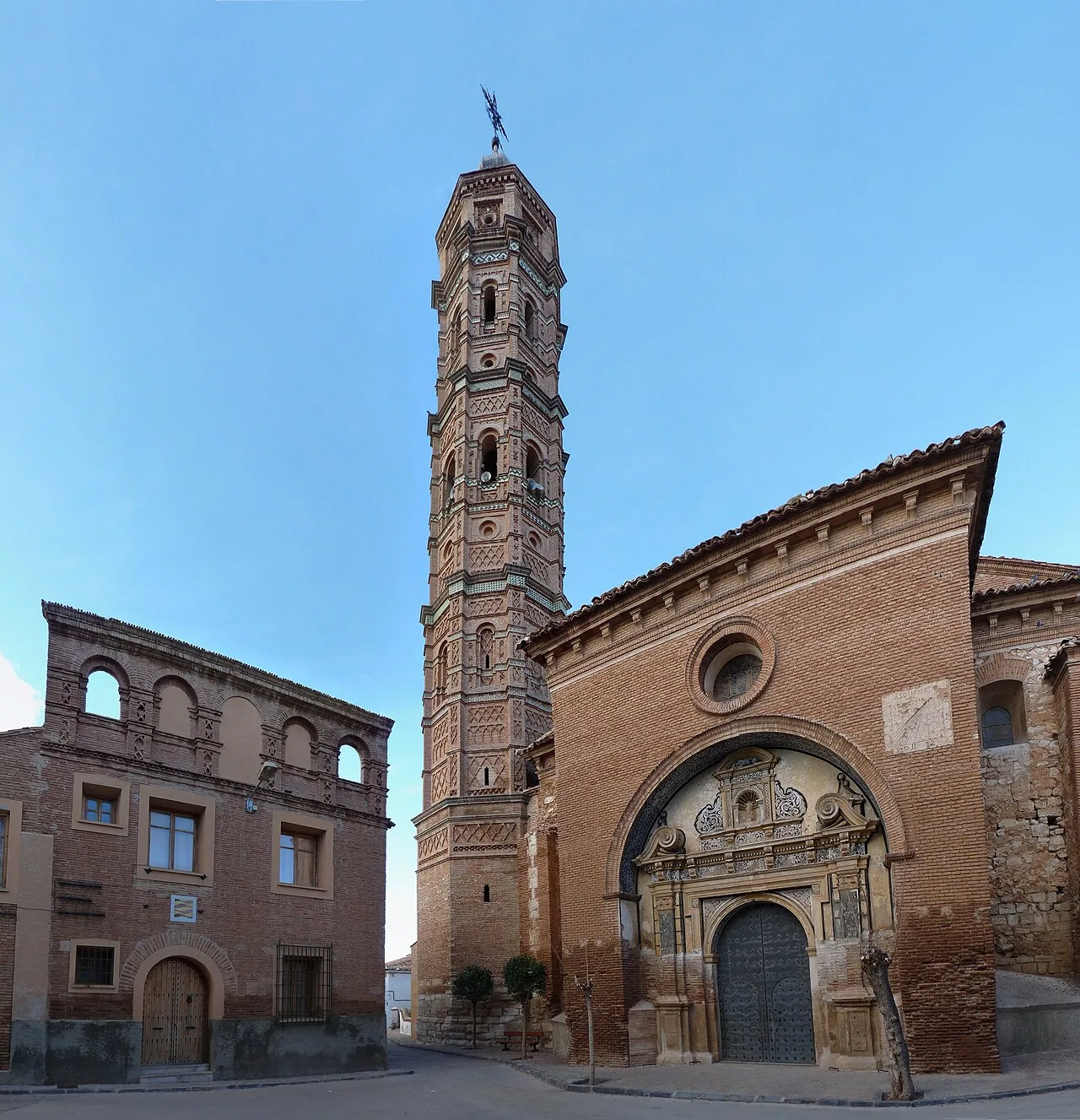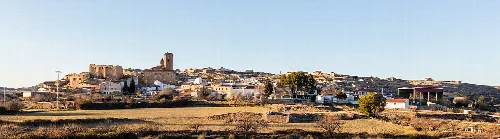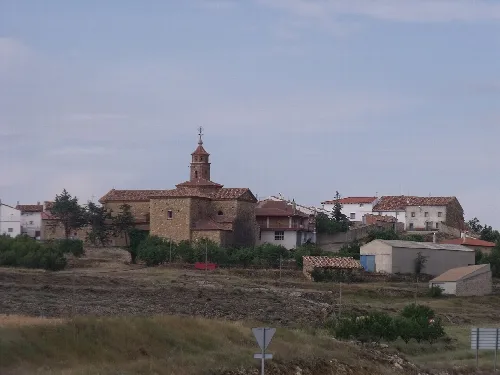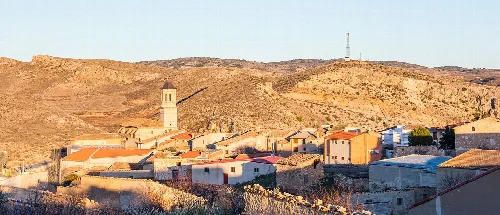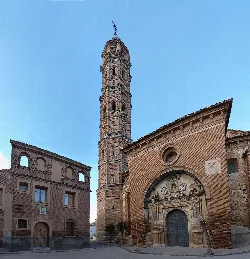
Church and tower in Muniesa, Teruel, with blue sky. Ecelan, CC BY-SA 4.0

Muniesa

Aragon

575Population
129.80 km²Area
782 mElevation
44780Postal code

Muniesa is a municipality located in the province of Teruel, Aragon, characterized by its agricultural economy and rich historical heritage. Nestled in a northern depression surrounded by limestone hills, it has a population of 575 and is known for its significant architectural landmarks and local festivals.

02Geography

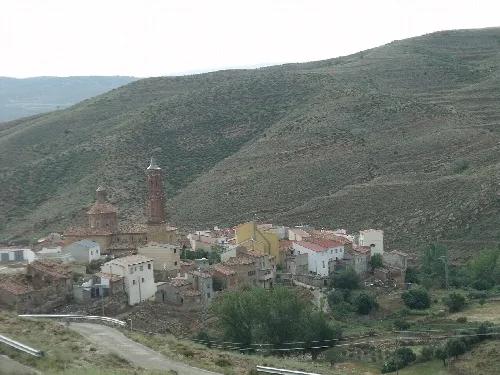
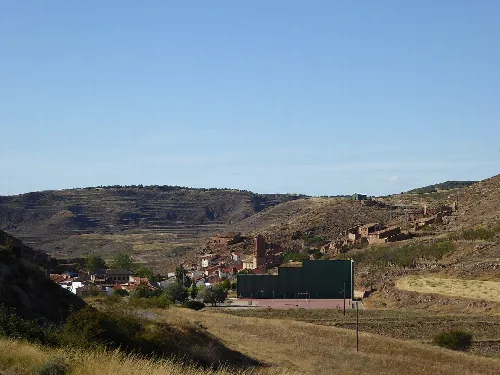
Muniesa is situated in the northern part of Teruel province, surrounded by the Sierra de Arcos and the Sierra de los Moros. The area features a small depression filled with clay and conglomerate soils, ideal for agriculture. The local climate supports the growth of various crops, while the natural vegetation includes xerophytic shrubs and pine forests.

Distance to Teruel
101 km
Distance to Zaragoza
85 km
Main agricultural products
Grapes, cereals, olives, vegetables
Natural vegetation
Xerophytic shrubs, pine forests

03History

The history of Muniesa is linked to the Honor or Común de Huesa after the Aragonese conquest. It became part of the Sesma of Huesa in 1328 when Alfonso IV sold it to Pedro de Luna. Muniesa remained a village until it was incorporated into the Comunidad de Daroca in 1559.

Muniesa is a municipality in Teruel, Aragon, known for its agriculture, historical sites, and vibrant local festivals.

04Sights

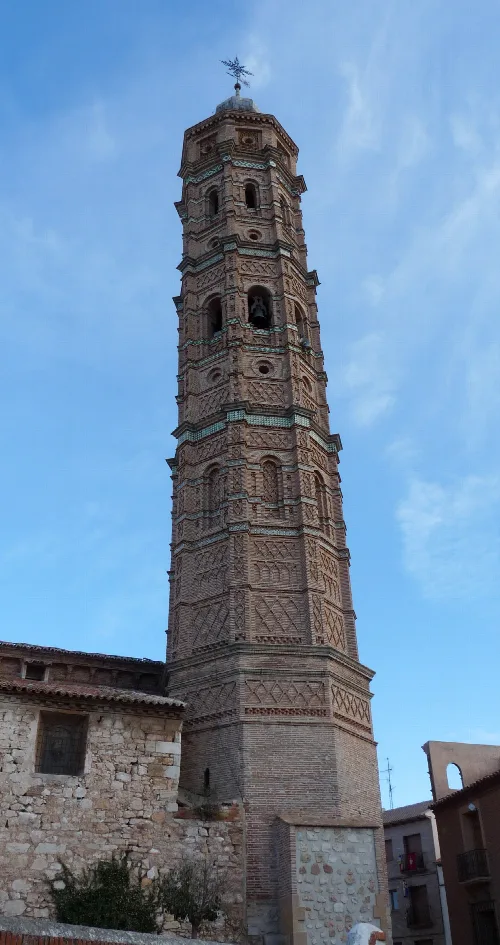
Muniesa is home to several notable architectural sites, including the Church of Nuestra Señora de la Asunción, a significant 16th-century structure, and the mudéjar tower, which is a UNESCO World Heritage site. Other important sites include the Ermita de la Virgen de la Aliaga and Casa Aranguren, showcasing the town's rich cultural heritage.

Brick mudéjar tower in Muniesa.
Mudéjar tower of the Church of Our Lady of the Assumption in Muniesa, with brick and tile details.
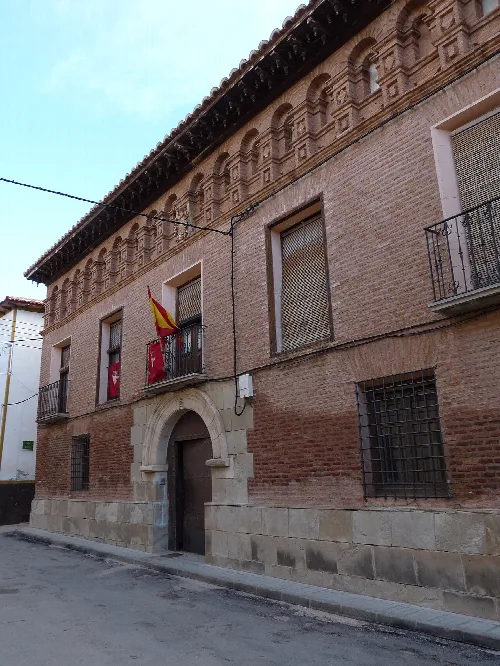
Brick building with stone arch and flags in Muniesa.
Casa Aranguren from the 17th century with brick facade and architectural details in Muniesa, Teruel.

05Economy and Culture

The economy of Muniesa primarily relies on agriculture and livestock, with vineyards being particularly significant. The town celebrates various local festivals, including the patron saint festivities for San Lorenzo and the agricultural tribute to San Isidro Labrador, reflecting its rural traditions.

Muniesa · Data
Province
Teruel
Autonomous community
Aragon
Population
575
Area
129.80 km²
Elevation
782 m
Postal code
44780
Website
https://www.muniesa.org/
Coordinates
41.0316, -0.8100

Photos

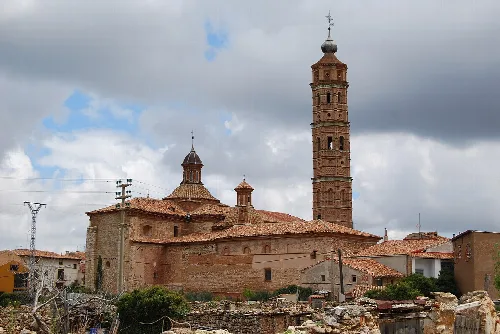
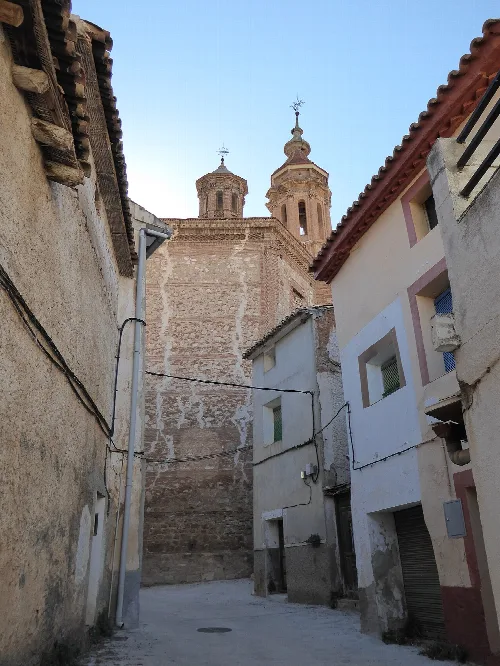
Mudejar church with a tall tower in Muniesa, Teruel, Spain.
Mudejar church from the 18th century in Muniesa, featuring a tall tower and brick structure.
Church of Our Lady of the Assumption in Muniesa, with 17th-century apse.
The Church of Our Lady of the Assumption in Muniesa, with its 17th-century apse, visible from the main street.
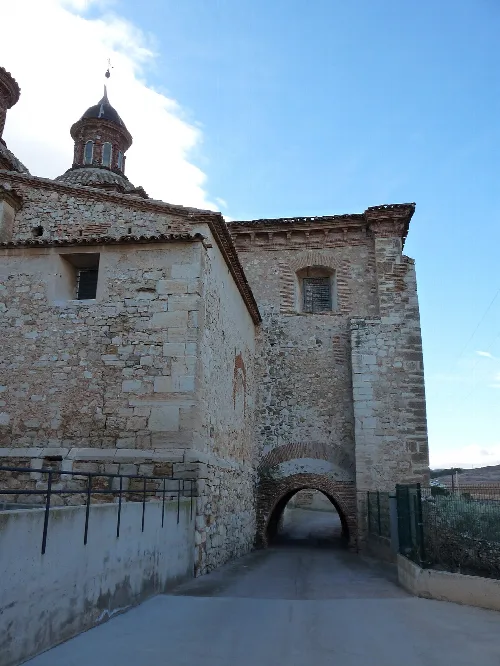
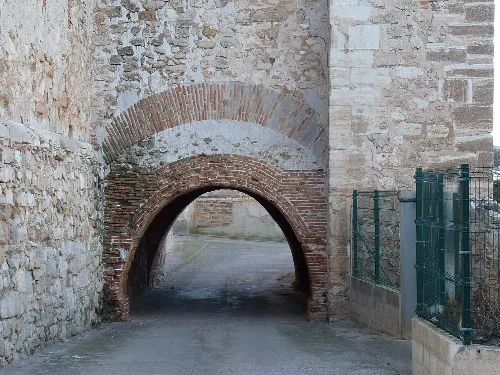
Brick arch under the church apse in Muniesa.
Tunnel under the apse of the Church of Our Lady of the Assumption in Muniesa, from the 17th century.
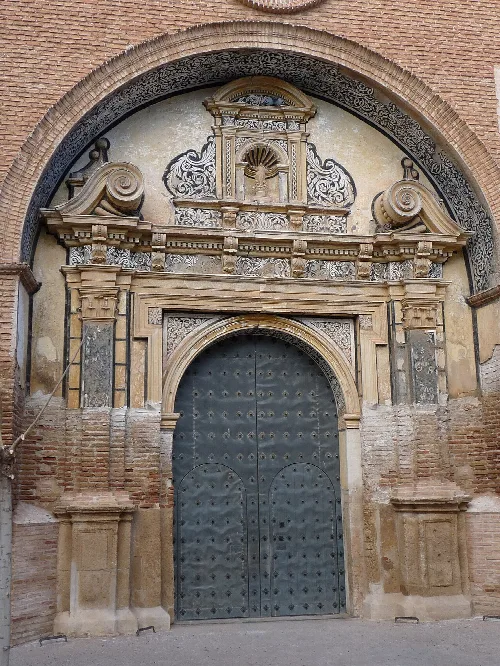
Church entrance with a rounded arch and baroque decorative details.
Baroque entrance of the Church of Our Lady of the Assumption in Muniesa from the 17th century.
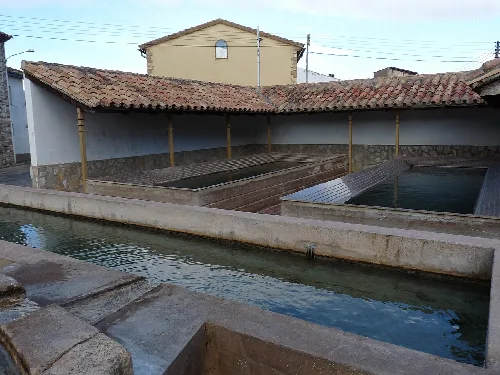
Watering trough and laundry area in Muniesa with water and stone and wood structures.
Traditional watering trough and laundry area in Muniesa with stone and wooden structures.

Frequently asked questions

Church and tower in Muniesa, Teruel, with blue sky.

What is the significance of the Iglesia de Nuestra Señora de la Asunción in Muniesa?

The Iglesia de Nuestra Señora de la Asunción is a significant landmark in Muniesa, dating back to the 16th century. It features a large structure with three naves and various types of vaults. The adjacent mudéjar tower, built in the 16th century, is notable for its octagonal shape and intricate brickwork, making it a prime example of Aragonese architecture and a UNESCO World Heritage site since 2001.

Sights Iglesia de Nuestra Señora de la Asunción
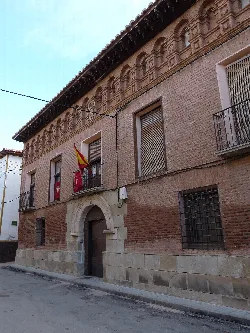
Brick building with stone arch and flags in Muniesa.

What can you tell me about the Casa Aranguren?

Casa Aranguren is a notable civil architecture example in Muniesa, built in the 17th century. This three-story house features a grand archway and large windows adorned with iron railings. Its upper level showcases a traditional Aragonese gallery and a prominent wooden eave, reflecting the architectural style of the region.

Sights Casa Aranguren

What are the main agricultural products of Muniesa?

Muniesa's economy is primarily based on agriculture and livestock. Key crops include various grape varieties like garnacha and tempranillo, alongside cereals, olives, vegetables, and herbs. The area also supports sheep and pig farming, contributing to the local economy.

Food & drink For residents

How does the local community celebrate San Lorenzo?

The patron saint festivities for San Lorenzo take place around August 10th, lasting five to seven days. The celebrations are vibrant, featuring traditional activities such as communal meals, music from local bands, and a festive atmosphere as residents gather to enjoy the events together.

Festivals & events

What historical significance does the name Muniesa have?

The name Muniesa has Arabic roots, derived from 'munia(t) ʿā'iša(t)', which translates to 'garden of [someone named] ʿā'iša(t)'. This reflects the area's historical connections to Arabic culture and its agricultural heritage.

History For residents
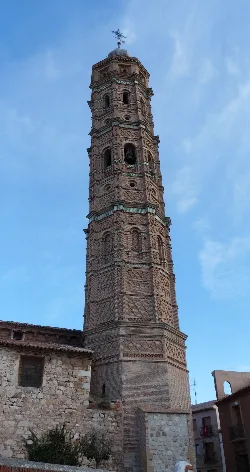
Brick mudéjar tower in Muniesa.

What is the Torre de la Iglesia de la Asunción known for?

The Torre de la Iglesia de la Asunción is renowned for its unique octagonal design and intricate mudéjar architecture from the 16th century. Standing at 55 meters tall, it is a prominent feature of Muniesa's skyline and a significant example of Aragonese architectural heritage.

Sights Torre de la Iglesia de la Asunción

Are there any outdoor activities around Muniesa?

Yes, Muniesa is surrounded by natural landscapes, including the Sierra de Arcos and Sierra de los Moros, which offer opportunities for hiking and exploring the local flora. The area is characterized by its unique geological formations and natural vegetation, providing a scenic backdrop for outdoor enthusiasts.

Nature For residents

What is the significance of the Ermita de la Virgen de la Aliaga?

The Ermita de la Virgen de la Aliaga is an important religious site located at the southern entrance of Muniesa. It features a beautiful brick façade and a dome adorned with popular paintings. The site is historically linked to local traditions and hosts annual pilgrimages, connecting the community to its cultural heritage.

Sights Ermita de la Virgen de la Aliaga

What is the local economy like in Muniesa?

Muniesa's economy is primarily agricultural, with a focus on crops like grapes, cereals, and olives, alongside livestock farming. The closure of the local toy factory in the 1990s shifted the economic landscape, but agriculture remains the backbone of the community's livelihood.

Living there For residents

What events take place in Muniesa during May?

In May, Muniesa celebrates the feast of San Isidro Labrador on the 15th, honoring the patron saint of farmers. This event includes prayers for good harvests and is a significant occasion for the local agricultural community, reflecting their traditions and cultural values.

Festivals & events

Map

Nearby

Plou, Teruel, Spain
Plou
Teruel · 42 inhabitants
Narrow street with buildings and a church in the background in Blesa
Blesa
Teruel · 74 inhabitants
Vista general del pueblo.
Josa
Teruel · 34 inhabitants
Moneva, Zaragoza, Spain
Moneva
Zaragoza · 107 inhabitants
Maicas
Maicas
Teruel · 35 inhabitants

Own text, written with AI assistance from the facts in Wikipedia · Muniesa · Data: Wikidata Q1651022 · Photos: Wikimedia Commons, see individual licenses. · CC BY-SA 4.0