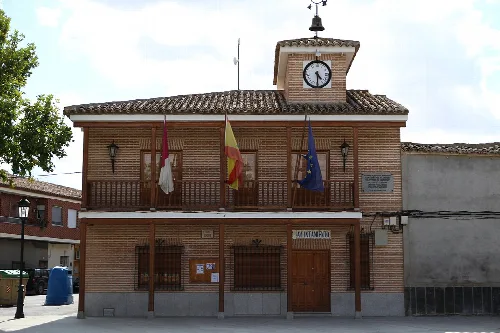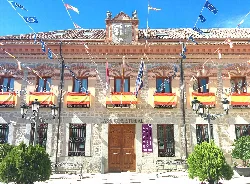
What is the Casa Consistorial de Sonseca?
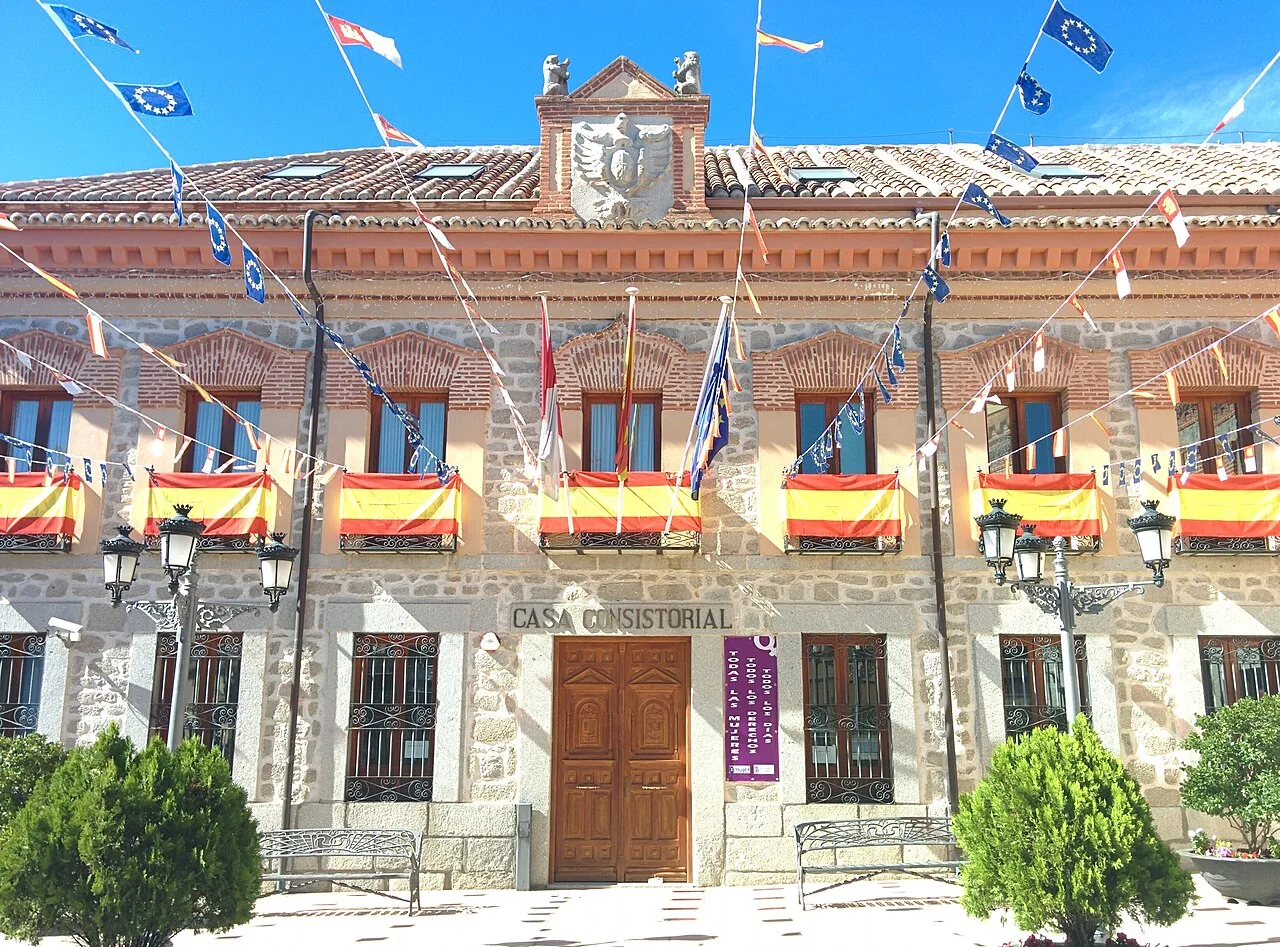
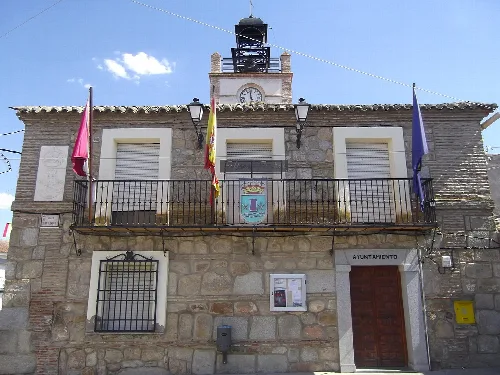
The Casa Consistorial de Sonseca serves as the town hall and is a notable building in the municipality. It reflects the architectural style typical of the region and is a central point for local governance. The building is adorned with flags and serves as a symbol of the town's administration.
Sights
Casa Consistorial de Sonseca
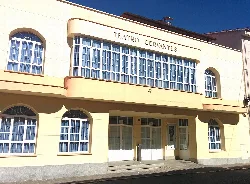
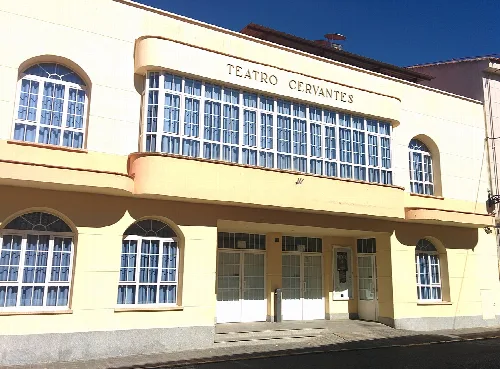
What can you tell me about the Teatro Cervantes in Sonseca?
Teatro Cervantes is a cultural venue in Sonseca that hosts various performances and events. It is an important part of the local cultural scene, offering residents and visitors opportunities to enjoy theater and other artistic expressions. The building itself showcases a distinctive architectural style.
Sights
Teatro Cervantes
How does the geography of Sonseca affect its climate?
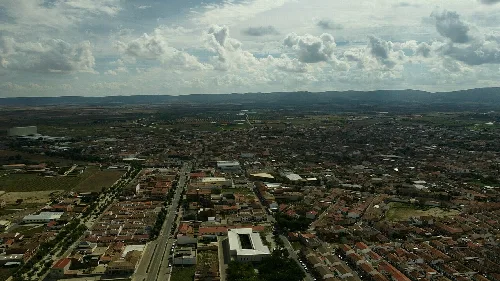
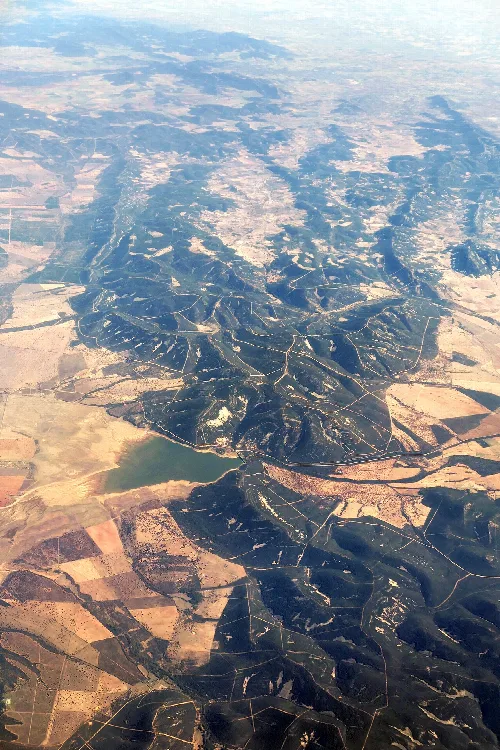
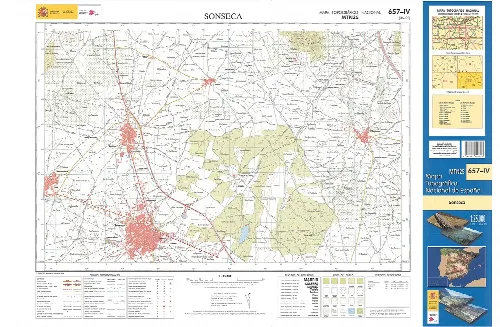
Sonseca's geography, characterized by a predominantly flat terrain with some gentle hills, contributes to its semi-arid climate. The region experiences hot summers and cool winters, with significant temperature variations. The proximity to the Montes de Toledo influences local weather patterns, leading to limited rainfall and dry conditions.
Nature
For residents
What historical significance does Sonseca have?
Sonseca has a rich history dating back to prehistoric times, with evidence of Calcolithic and Bronze Age communities. It was integrated into the Roman province of Tarraconensis after the conquest in 179 BC. Over the centuries, it has seen various cultural influences, including Moorish and Christian, shaping its development.
History
Are there any notable festivals in Sonseca?
Sonseca hosts various local festivals throughout the year, celebrating its cultural heritage and community spirit. These events often include traditional music, dance, and local cuisine, providing a vibrant atmosphere for both residents and visitors to enjoy. Specific details about festival dates can vary annually.
Festivals & events
What is the population trend in Sonseca?
Sonseca has experienced significant population changes over the years. The population peaked at 11,630 in 2012, but recent figures show a slight decline. The town remains one of the most populated in the province, with a diverse demographic, including a notable percentage of younger residents.
Living there
For residents
What is the significance of the arroyos in Sonseca?
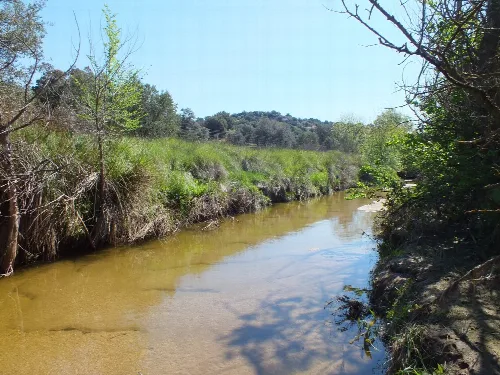
The arroyos in Sonseca, such as the arroyo de Casalgordo and arroyo del Guajaraz, play an essential role in the local ecosystem. They contribute to the landscape and serve as natural boundaries. Although many are dry for much of the year, they are crucial for agricultural activities and local wildlife.
Nature
For residents
How did Sonseca's industry evolve over time?
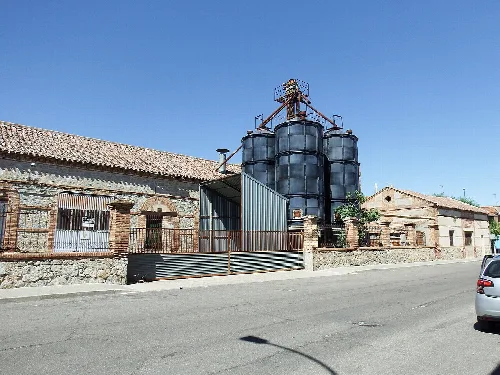
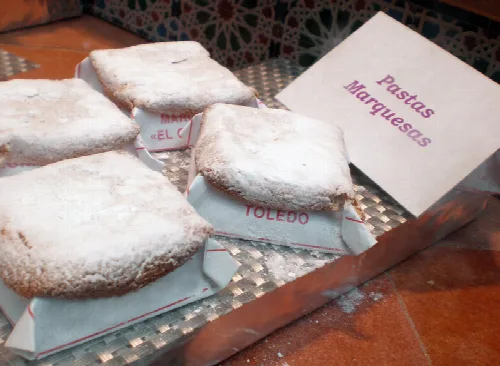
Sonseca's industry has evolved significantly, particularly in the textile and food sectors. The production of mazapán and turrones became prominent in the 19th century, while the furniture industry gained traction in the 1950s. This industrial growth attracted population influx and shaped the town's economy.
History
For residents
What are the main sources of water in Sonseca?
Sonseca relies on a combination of sources for its water supply, including rivers, reservoirs, and wells. The average daily water consumption per person is about 151.84 liters, reflecting a moderate use of resources. Efficient management of these water sources is crucial due to the region's limited rainfall.
Practical
For residents
What is the altitude of Sonseca?
Sonseca is situated at an altitude of approximately 756 meters above sea level. This elevation contributes to its geographical characteristics, with a landscape that includes both flat areas and gentle hills, particularly as one moves towards the Montes de Toledo.
Nature
For residents
 espana.net