Sights

53 questions

TrijuequeGuadalajara

What are the notable buildings in Trijueque?

In Trijueque, notable buildings include the town hall, constructed in 1560, which features the coats of arms of the Mendoza family and Spain. The ruins of the church dedicated to the Assumption of Our Lady also stand out, as does the Real Parador de Carruajes from the 18th century, which adds historical significance to the town's architecture.
For residents ›

ElgoibarGipuzkoa

What is the significance of the Plaza de los Fueros?

The Plaza de los Fueros is a central square in Elgoibar, notable for its Baroque architecture and historical importance. It features the town hall, the church of San Bartolomé, and other significant buildings. This square serves as a gathering place for local events and celebrations.

For residents ›

Puerto del RosarioLas Palmas

Are there any cultural institutions in Puerto del Rosario?

Yes, Puerto del Rosario boasts several cultural institutions, including the Centro de Arte Juan Ismael, which features exhibition spaces and artist workshops. Additionally, the town has various museums, such as the Casa Museo de Unamuno, dedicated to the philosopher's life, and the Ecomuseo La Alcogida, showcasing traditional rural life.

For residents ›

Las Palmas de Gran CanariaLas Palmas

What can you tell me about the architecture in Las Palmas?

Las Palmas features a mix of architectural styles, including colonial, modernist, and contemporary designs. Notable structures include the Casa Museo de Colón and the Teatro Pérez Galdós. The city’s historical districts, like Vegueta and Triana, showcase beautiful buildings that reflect its rich cultural heritage.

For residents ›

TurciaLeón

What is the architecture like in Turcia?

Turcia features traditional architecture, including houses made of tapial and adobe. Notable buildings include the town hall, constructed between 1911 and 1913, and the schools built in 1917. This architectural heritage reflects the town's historical development and community identity over the years.

For residents ›

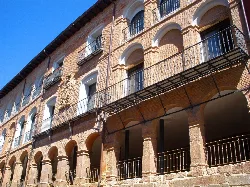
Building with arches and balconies on Calle Mayor Baja, Navarrete.
NavarreteLa Rioja

What are the Cocinos and Certijos in Navarrete?

The Cocinos and Certijos are unique urban architectural features in Navarrete. Cocinos are partially covered streets with curved layouts, while Certijos are passages built against the remnants of the town's medieval walls, showcasing the town's historical layout.

For residents ›

FonzalecheLa Rioja

What is the significance of the Fuente Dura in Fonzaleche?

Fuente Dura, also known as El Pilón, is located within the urban area of Fonzaleche. Historically used for livestock, it now serves as a recreational spot where children fish for trout. This source of water has become a community landmark, reflecting the local culture and traditions surrounding water use.

Fuente Dura For residents ›

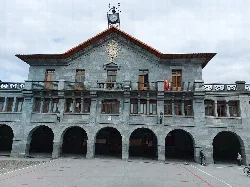
Building in Leitza with arches on the ground floor and a clock on top.
LeitzaNavarre

What is the significance of the Casa consistorial in Leitza?

The Casa consistorial, built in 1915, serves as the town hall and is an important civic building in Leitza. It has also functioned as a school in the past. The architecture reflects the historical significance of the municipality and houses local government offices and the local radio station.

Casa consistorial For residents ›

Etxarri AranatzNavarre

What are the main architectural styles in Etxarri Aranatz?

Etxarri Aranatz displays a mix of architectural styles, prominently featuring neoclassical and late Gothic elements. The town's buildings, including the Town Hall and the Iglesia de la Asunción, reflect historical influences and the evolution of local architecture over the centuries.

For residents ›

Auritz-BurgueteNavarre

What is the architecture like in Burguete?

The architecture in Burguete features traditional Navarrese styles, with many houses built from stone and characterized by their rectangular shapes and sloping roofs. The town's layout, particularly along the main street, reflects its historical development and offers a picturesque setting for visitors.

For residents ›

AllarizOurense

What is the significance of the Parque Etnográfico del Arnoya?

The Parque Etnográfico del Arnoya is an important cultural site in Allariz, showcasing buildings related to traditional industries like milling and leather tanning. It serves as a museum complex that preserves and promotes local heritage, offering insights into the region's historical economic activities.

Parque Etnográfico del Arnoya For residents ›

ReusTarragona

What are the main cultural venues in Reus?

Reus boasts several cultural venues, including the Fortuny Theatre, Teatro Bràvium, and Bartrina. The city also features the Museo Salvador Vilaseca and various art galleries. These spaces host a range of performances and exhibitions, enriching the local cultural scene.

For residents ›

VallsTarragona

What can you tell me about the Museo Casteller being built in Valls?

The Museo Casteller de Cataluña, set to open in Valls, will focus on the heritage of castells. Initiated in 2015, this museum aims to provide an immersive experience celebrating the tradition of human towers. Designed by architect Dani Freixes Melero, it will showcase the history and cultural significance of this unique Catalan practice.

Museo Casteller For residents ›

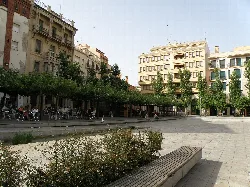
Square with benches, trees, and buildings in Valls, Tarragona.
VallsTarragona

What is the significance of the Plaça del Pati in Valls?

Plaça del Pati is a central square in Valls, known for its lively atmosphere and historical importance. It serves as a gathering place for locals and hosts various events and markets throughout the year. The square is surrounded by charming architecture, making it a great spot to relax and enjoy the local culture.

Plaça del Pati For residents ›

La RàpitaTarragona

What is the local architecture like in La Ràpita?

The local architecture in La Ràpita features a neoclassical style, influenced by the construction initiatives of Carlos III. Notable buildings include the Glorieta and the iglesia nueva, both of which reflect the historical significance and architectural ambitions of the area.

For residents ›

MosqueruelaTeruel

What makes the Casa de la Cultura special?

The Casa de la Cultura, originally the hermitage of Santa Engracia, now houses the Museum of Historical Documents. It is significant for preserving the archival history of the Comunidad de Aldeas de Teruel. The building itself reflects the town's architectural heritage and serves as a cultural center for residents and visitors.

For residents ›

Añover de TajoToledo

What is the significance of the Plaza de España in Añover de Tajo?

Plaza de España is the central gathering place in Añover de Tajo, where community events and celebrations take place. It is surrounded by important buildings like the Ayuntamiento and the Iglesia de Santa Ana, making it a hub for cultural activities, including Carnival and Christmas festivities.

Plaza de España For residents ›

ValmojadoToledo

What is the architectural style of the old school in Valmojado?

The old school in Valmojado is an example of functionalist architecture from the 1920s. Completed in 1930, it served as an educational institution until 2007 and is now home to the Centro Cultural Las Escuelas, showcasing the town's commitment to preserving its cultural heritage.

Antiguo Grupo Escolar For residents ›

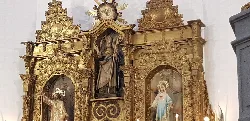
Gilded religious altarpiece in Herreruela de Oropesa.
Herreruela de OropesaToledo

What is the significance of the church of San Ildefonso in Herreruela de Oropesa?

The church of San Ildefonso is a key cultural landmark in Herreruela de Oropesa, originally built in the 16th century. It features a Latin cross layout and reflects the architectural styles of its time. This church serves as a center for local religious activities and community gatherings.

San Ildefonso For residents ›

SellentValencia

What types of activities are available at the campo de actividades cinegéticas?

The campo de actividades cinegéticas in Sellent offers various shooting sports, including clay pigeon shooting and training for hunting dogs. It also features a children's playground and a bar-restaurant, making it a versatile recreational area.

campo de actividades cinegéticas For residents ›

VallancaValencia

What is the significance of the Vía Crucis in Vallanca?

The Vía Crucis in Vallanca is a recent construction that connects the village to the Ermita de San Roque. It consists of ceramic bricks framed in iron and culminates in a cross, serving as a spiritual path for locals and visitors alike, reflecting the community's religious traditions and devotion.

For residents ›

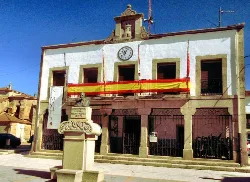
Town hall with bust and flags on the facade.
Bermillo de SayagoZamora

What is the significance of the monument in the town square?

The monument in the town square honors Federico Requejo, a notable local politician. It was sculpted by Mariano Benlliure in 1917 and stands in front of the Ayuntamiento, symbolizing the town's recognition of its historical figures and contributions to local governance.

For residents ›

UncastilloZaragoza

What are the main architectural styles found in Uncastillo?

Uncastillo showcases a variety of architectural styles, primarily Romanesque, as seen in its six historic churches. The town's urban layout is an excellent example of rural architecture from the Cinco Villas region, preserving its historical character. Additionally, the Gothic architecture of the Palacio de Pedro IV adds to its architectural diversity.

For residents ›

ÁvilaÁvila

What can you tell me about the Palacio de Don Diego del Águila?

The Palacio de Don Diego del Águila, constructed in the 16th century, is an important example of secular architecture in Ávila. Located within the city walls, it served as a defensive structure against Muslim troops. The palace reflects the historical significance of the Águila family and contributes to the rich architectural heritage of the town.

Palacio de Don Diego del Águila For residents ›