Sights

3,246 questions

Puebla de AlcocerBadajoz

What are the main attractions in Puebla de Alcocer?

Puebla de Alcocer boasts several attractions, including its 13th-century castle, which offers panoramic views of the surrounding area. The Iglesia de Santiago Apóstol, a beautiful example of Romanesque-Mudéjar architecture, and the Convento de San Francisco, known for its historical significance, are also notable sites. Additionally, the Museo Etnográfico showcases local culture and history.

For visitors ›

Panoramic view from Puebla de Alcocer castle tower showing the landscape.
Puebla de AlcocerBadajoz

What is the significance of the castle in Puebla de Alcocer?

The castle of Puebla de Alcocer, dating back to the 13th century, is significant for its strategic location on a rocky outcrop, allowing for extensive surveillance of the surrounding area. It features a polygonal layout with thick walls and a cylindrical keep. The castle's restoration efforts have made it a focal point for visitors, offering stunning views of the valley and nearby reservoirs.

castillo For visitors ›

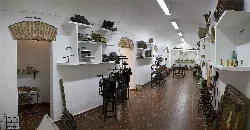
Interior of a room with shelves and objects in an ethnographic museum.
Puebla de AlcocerBadajoz

What is the Museo Etnográfico like?

The Museo Etnográfico in Puebla de Alcocer is located in the former convent of San Francisco. It features three interconnected naves showcasing a variety of artifacts that reflect local culture and history. Visitors can explore archaeological finds from the Roman villa of Lacimurga, as well as everyday items used by the townspeople in the past.
Museo Etnográfico For visitors ›

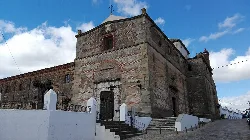
Stone church facade with stairs and cloudy sky.
Higuera la RealBadajoz

What can you tell me about the Iglesia de San Bartolomé in Higuera la Real?

The Iglesia de San Bartolomé, founded in 1666 by Francisco Fernández Dávila, features a Baroque style with a notable Tardorenacentista entrance. It was built as a promise after Dávila survived a shipwreck. The church is designed in the Jesuit style and includes impressive altars and a unique interior layout, reflecting its historical significance and architectural beauty.

Iglesia de San Bartolomé For visitors ›

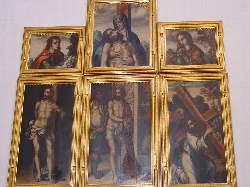
Six religious paintings framed in Higuera la Real church.
Higuera la RealBadajoz

Can you describe the Iglesia de Santa Catalina?

The Iglesia de Santa Catalina, located in the center of Higuera la Real, was built in the early 16th century on a Gothic foundation. It features a single nave with pointed arches and several chapels. The interior includes a significant retablo from the 17th century, showcasing works by the painter Jerónimo Ramírez, dedicated to the life of Santa Catalina.

Iglesia de Santa Catalina For visitors ›

Cabeza del BueyBadajoz

What can I see at the Santuario de Nuestra Señora de Belén?

The Santuario de Nuestra Señora de Belén is the most important historical monument in Cabeza del Buey. It is surrounded by centenary elms, which were declared singular trees due to their significance. The sanctuary houses the image of the town's patron, Nuestra Señora de Belén, and offers a picturesque setting for visitors.

Santuario de Nuestra Señora de Belén For visitors ›

Cabeza del BueyBadajoz

What is the Castillo de Almorchón like?

The Castillo de Almorchón is a historical castle with ruins of two towers, dating back to the Muslim period. After the Reconquista, it was briefly under the control of the Order of the Temple. Today, it stands in ruins, offering a glimpse into the region's medieval past.

Castillo de Almorchón For visitors ›

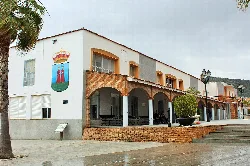
Building in the town hall square with coat of arms and arches in Arroyo de San Serván.
Arroyo de San ServánBadajoz

What is the Plaza del Ayuntamiento in Arroyo de San Serván like?

The Plaza del Ayuntamiento is a central square in Arroyo de San Serván, characterized by its open space and surrounding buildings. It serves as a gathering place for locals and visitors alike, often hosting events and celebrations. The architecture reflects a blend of traditional and modern styles, making it a pleasant spot to relax and enjoy the atmosphere of the town.

Plaza del Ayuntamiento For visitors ›

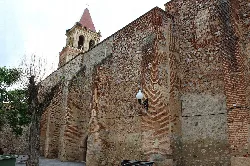
South facade of the parish church in Arroyo de San Serván, with brick walls and bell tower.
Arroyo de San ServánBadajoz

What can you tell me about the Iglesia Parroquial de la Santa Cruz?

The Iglesia Parroquial de la Santa Cruz began construction in 1508 and was completed in 1550. This church features a mix of granite and masonry, with a notable tower and three main entrances. Its architectural design includes a conopial arch and a richly decorated interior, making it a significant landmark in Arroyo de San Serván.

Iglesia Parroquial de la Santa Cruz For visitors ›

Church of Santa María de la Encarnación in Jerez de los Caballeros.
Jerez de los CaballerosBadajoz

What can you tell me about the Iglesia de Santa María de la Encarnación?

The Iglesia de Santa María de la Encarnación is the oldest church in Jerez de los Caballeros, with its structure dating back to the 16th century. The tower, built in the 18th century, is square-shaped and topped with a slender capital. This church showcases a blend of architectural styles, reflecting the town's rich historical heritage.

Iglesia de Santa María de la Encarnación For visitors ›

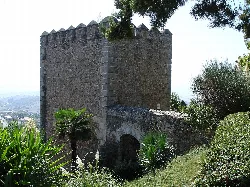
Stone tower with battlements and surrounding vegetation in Jerez de los Caballeros.
Jerez de los CaballerosBadajoz

What is the significance of the Castillo Templario?

The Castillo Templario in Jerez de los Caballeros was built on a former Muslim alcazaba and features walls and towers from the 13th century. It served as a stronghold for the Templars and represents the town's medieval heritage and strategic importance during the Reconquista.

Castillo Templario For visitors ›

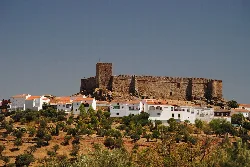
Stone castle on a hill with white houses and trees in the foreground.
Segura de LeónBadajoz

What can you tell me about the Castillo de Segura de León?

The Castillo de Segura de León is a significant historical landmark, constructed by the Knights of the Order of Santiago during the Reconquista. It features well-preserved walls and remnants of its original structure, symbolizing the town's historical importance. The castle stands prominently, offering a glimpse into the architectural styles of the time and the strategic significance of the area.

Castillo de Segura de León For visitors ›

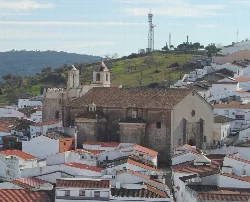
Our Lady of the Assumption church in Segura de León, with white houses and green hills.
Segura de LeónBadajoz

What can I expect to see at the Iglesia de Nuestra Señora de la Asunción?

The Iglesia de Nuestra Señora de la Asunción is a Catholic parish church located in Segura de León. It showcases architectural elements typical of the region and serves as a central place of worship. Visitors can appreciate its historical significance and the role it plays in the local community's religious life.

Iglesia de Nuestra Señora de la Asunción For visitors ›

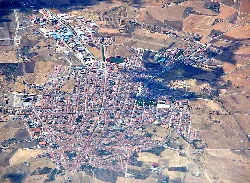
Aerial view of Azuaga with streets and buildings visible.
AzuagaBadajoz

What can you tell me about the aerial view of Azuaga?

The aerial view of Azuaga showcases its layout and the surrounding landscape, highlighting the town's position at the edge of Sierra Morena. The extensive area features a mix of urban structures and agricultural land, illustrating the blend of rural and urban life in this part of Extremadura.

For visitors ›

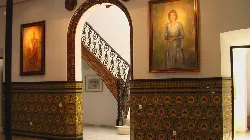
Museum room with paintings on the walls and carved wooden stairs.
AzuagaBadajoz

What is the Museo Etnográfico de Azuaga like?

The Museo Etnográfico de Azuaga is located in the basement of the Central Cinema, a romantic modernist building. It showcases the cultural heritage and identity of the region through various exhibits, making it a significant stop for those interested in local history and traditions.

Museo Etnográfico de Azuaga For visitors ›

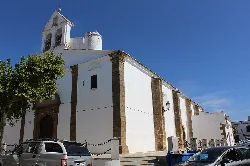
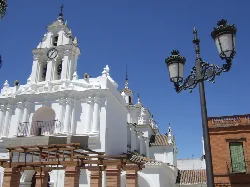
White church with tower and clock in Azuaga.
AzuagaBadajoz

What can you tell me about the Cristo del Humilladero?

The Cristo del Humilladero is an important sculpture by Francisco de Ocampo y Felguera, regarded as one of Spain's finest works. Its artistic value and historical significance make it a key attraction in Azuaga, reflecting the town's rich cultural heritage.

Cristo del Humilladero For visitors ›

Villar del ReyBadajoz

What are the main attractions in Villar del Rey?

Villar del Rey offers a mix of historical and natural attractions. Key sites include the Iglesia parroquial under the patronage of Nuestra Señora del Rosario and the Pozo de la Nieve, a historical monument. The surrounding nature, including the Peña del Águila reservoir, provides scenic views and outdoor activities.

For visitors ›

SalvaleónBadajoz

What are some notable sights in Salvaleón?

In Salvaleón, visitors can explore the Iglesia parroquial católica dedicated to Santa Marta, built in the 16th century, which houses a remarkable statue of Cristo de la Misericordia. Additionally, the remains of the castle on Sierra de Monsalud offer a glimpse into the area's medieval past.

For visitors ›

SalvaleónBadajoz

What is the significance of the Centro de Interpretación de la Dehesa?

The Centro de Interpretación de la Dehesa provides insights into the ecological and cultural aspects of the dehesa ecosystem. It features exhibits on local history, traditional lifestyles, and the importance of the dehesa in the region's agriculture and biodiversity.

Centro de Interpretación de la Dehesa For visitors ›

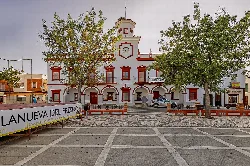
Town hall building with red details in Villanueva del Fresno.
Villanueva del FresnoBadajoz

What is the significance of the Ayuntamiento in Villanueva del Fresno?

The Ayuntamiento, or town hall, is an important landmark in Villanueva del Fresno, serving as the center of local government. It reflects the town's architectural style and historical significance, representing the community's governance and public affairs. The building is a focal point for local events and activities, showcasing the town's culture and civic pride.

Ayuntamiento For visitors ›

White church with tower and simple facade in Villanueva del Fresno.
Villanueva del FresnoBadajoz

What can you tell me about the Iglesia de Nuestra Señora de la Concepción?

The Iglesia de Nuestra Señora de la Concepción is a key religious site in Villanueva del Fresno. Constructed after the destruction of the previous church during the 1643 siege, it symbolizes the town's resilience and faith. The church features a blend of architectural styles and serves as a venue for important religious ceremonies and community gatherings.

Iglesia de Nuestra Señora de la Concepción For visitors ›

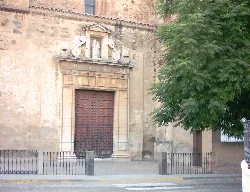
Facade of a church with a wooden door and sculpture on top.
Villalba de los BarrosBadajoz

What can you tell me about the Iglesia Nuestra Señora de la Purificación?

The Iglesia Nuestra Señora de la Purificación is a significant Catholic church in Villalba de los Barros. Constructed mainly of unplastered stone, it features a single nave with three sections and a polygonal apse. The church is adorned with a star-shaped ribbed vault and has chapels between the buttresses, making it an architectural highlight of the town.

Iglesia Nuestra Señora de la Purificación For visitors ›

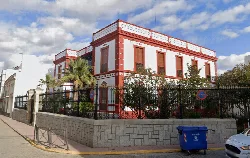
Building with white and red walls, surrounded by plants and a wrought iron fence in Santa Marta de los Barros.
Santa MartaBadajoz

What can you tell me about Villa Sofía in Santa Marta?

Villa Sofía is a notable building in Santa Marta, characterized by its distinctive architecture. It serves as a cultural and social hub for the community, often hosting events and gatherings. The villa reflects the local heritage and is a popular spot for visitors interested in the town's history and architectural style.

Villa Sofía For visitors ›

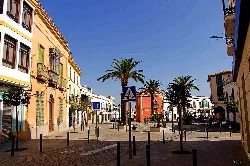
Square with palm trees and buildings in Santa Marta de los Barros.
Santa MartaBadajoz

What is the Plaza de las Palmeras like?

Plaza de las Palmeras is a vibrant square in Santa Marta, known for its palm trees and lively atmosphere. It's a popular gathering place for locals and visitors alike, featuring benches and areas to relax. The plaza often hosts community events, making it a central part of social life in the town.

Plaza de las Palmeras For visitors ›