Sights

3,246 questions

Stone bridge with multiple arches over the Duero River in Langa de Duero.
Langa de DueroSoria

What is the bridge over the Duero like?

The bridge over the Duero is a remarkable stone structure with twelve arches, believed to date back to the late medieval period. It has undergone several restorations throughout its history, with the latest significant work completed in 2021, ensuring its preservation as a vital connection between Langa and neighboring towns.
bridge For visitors ›

Langa de DueroSoria

What is the main church in Langa de Duero?

The main church in Langa de Duero is the Iglesia de San Miguel Arcángel, built in the 18th century. It features a blend of Gothic architecture and houses a notable retablo created by Juan Zábalo, reflecting the town's historical and artistic heritage.

Iglesia de San Miguel Arcángel For visitors ›

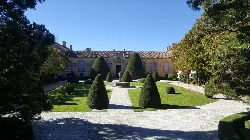
Garden with geometrically shaped trees in front of a palace.
Quintana RedondaSoria

What can you tell me about the Palacio de los González de Gregorio?

The Palacio de los González de Gregorio is a notable landmark in Quintana Redonda, featuring beautiful gardens and a rich architectural style. This historic house belongs to the González de Gregorio family and adds to the cultural heritage of the area, showcasing the elegance of local aristocratic residences.

Palacio de los González de Gregorio For visitors ›

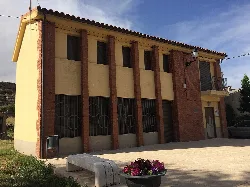
Building with brick facade and windows at the old school.
Miño de MedinaceliSoria

What can I see at the Museo Arqueológico del Valle de Ambrona?

The Museo Arqueológico del Valle de Ambrona, located in Miño de Medinaceli, features archaeological artifacts from the region, including items related to ancient civilizations. The museum provides insight into the area's historical significance and showcases the rich cultural heritage of the valley.

Museo arqueológico del Valle de Ambrona For visitors ›

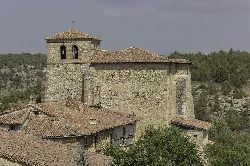
Santa María Church with tower and stone walls in Calatañazor.
CalatañazorSoria

What can you tell me about the Iglesia de Nuestra Señora del Castillo?

The Iglesia de Nuestra Señora del Castillo is the main parish church of Calatañazor, featuring a single nave and a bell tower. It has Romanesque origins, with remnants of the original structure still visible. The church houses notable historical artifacts, including a Romanesque baptismal font and a retablo from the 17th century.

Iglesia de Nuestra Señora del Castillo For visitors ›

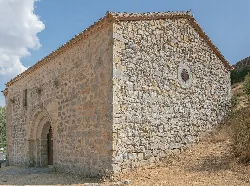
Stone church with arched entrance and circular window in Calatañazor.
CalatañazorSoria

What is the significance of the Ermita de la Soledad?

The Ermita de la Soledad is an important church located outside the town, notable for its well-preserved apse and entrance. The structure showcases impressive architectural details, including beautifully carved capitals and a unique exterior archway. It serves as a historical site reflecting the region's religious heritage.

Ermita de la Soledad For visitors ›

CalatañazorSoria

What are the main features of the castle in Calatañazor?

The castle of Calatañazor, dating back to the 14th or 15th century, showcases remnants of its medieval architecture, including a tower and surrounding walls. It was historically significant as the residence of the Padilla family and offers insights into the town's defensive past, with some elements reflecting earlier Arabic construction.

castle For visitors ›

CaracenaSoria

What can I see in Caracena?

In Caracena, you can explore its medieval heritage, including the castle, the churches of Santa María and San Pedro, and remnants of the town's ancient walls. The picturesque landscape surrounding the village adds to its charm.

For visitors ›

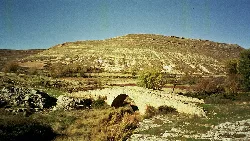
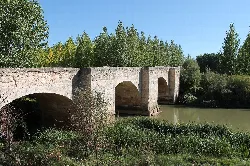
Medieval stone bridge over a river with green hills behind.
CaracenaSoria

What does the medieval bridge in Caracena look like?

The medieval bridge in Caracena, known as Puente Cantos, is a beautiful example of Romanesque architecture. It dates back to the same period as the town's walls and served as a key entrance into the village, showcasing sturdy stone construction.

Puente Cantos For visitors ›

CaracenaSoria

What are the architectural styles of the churches in Caracena?

The churches in Caracena, particularly Santa María and San Pedro, showcase Romanesque architectural styles. They feature simple yet robust designs, characteristic of the medieval period, with notable elements like decorative windows and sturdy towers.

For visitors ›

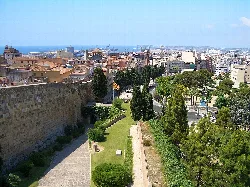
View of Tarragona with harbor and gardens.
TarragonaTarragona

What can I see from the view of Tarragona near the Roman wall?

From the viewpoint near the Roman wall, you can enjoy a stunning panorama of Tarragona, showcasing the city's harbor and the Mediterranean Sea. This elevated perspective highlights the blend of historical architecture and modern developments, making it a perfect spot for photography and relaxation while taking in the coastal scenery.

For visitors ›

TarragonaTarragona

What historical sites should I visit in Tarragona?

Tarragona is home to several significant historical sites, including the Roman Amphitheatre, the Archaeological Complex of Tàrraco, and the Tarragona Cathedral. The Roman ruins are recognized as a UNESCO World Heritage Site, reflecting the city's ancient Roman heritage and its importance as a historical center in Spain.

For visitors ›

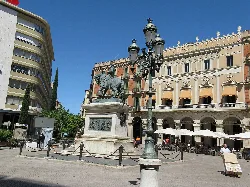
Joan Prim statue in a square with lampposts and cafes in Reus.
ReusTarragona

What is the Monument of Joan Prim in Reus?

The Monument of Joan Prim is a significant landmark located in Reus, Catalonia. It stands in front of the Teatre Fortuny and is recognized as a cultural heritage site in Spain. The monument commemorates Joan Prim, a prominent figure in Spanish history, reflecting the city's rich historical background.

Monument of Joan Prim For visitors ›

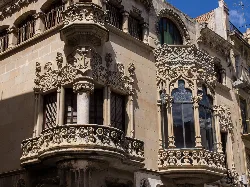
Facade of a building in Reus with ornamental details and decorative balconies.
ReusTarragona

What can you tell me about Casa Navàs?

Casa Navàs is a stunning modernist building located in the plaza Mercadal of Reus. Designed by architect Lluís Domènech i Montaner, it showcases intricate decorative elements typical of the modernist style. This architectural gem is a significant cultural heritage site, attracting many visitors interested in art and history.

Casa Navàs For visitors ›

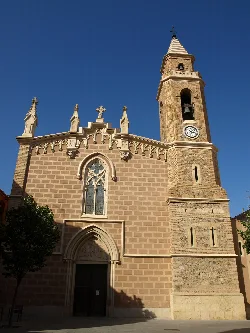
Santa María Parish Church with tower and clock in Cambrils.
CambrilsTarragona

What is the significance of the Iglesia parroquial de Santa María?

The Iglesia parroquial de Santa María is a key historical landmark in Cambrils. This church showcases beautiful architectural elements and serves as a central place of worship for the community. Its historical significance is tied to the development of Cambrils during the Middle Ages, making it a must-visit for those interested in local history.

Iglesia parroquial de Santa María For visitors ›

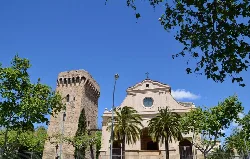
Old tower and church with palm trees and green trees in Cambrils.
CambrilsTarragona

What is the Torre del santuari del Camí?

The Torre del santuari del Camí is a historical tower located within the Sanctuary of the Virgin of the Way. Dating back to the 14th century, it served as a lookout point along the coast. Today, it is recognized for its architectural significance and is part of the local cultural heritage, attracting visitors interested in history.

Torre del santuari del Camí For visitors ›

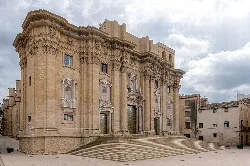
West façade of Tortosa Cathedral with stairs and architectural details in stone.
TortosaTarragona

What can I see at Tortosa Cathedral?

Tortosa Cathedral, dedicated to Santa María, showcases stunning Gothic architecture. Construction began in 1347, and it features a beautiful altar with a retablo from the 14th century. The cathedral houses significant artworks, including a collection of baroque and gothic pieces. The cloister, restored in the late 1990s, adds to its charm, making it a must-visit for art and history enthusiasts.

Tortosa Cathedral For visitors ›

TortosaTarragona

What is the significance of the Palacio Episcopal in Tortosa?

The Palacio Episcopal, built between the 13th and 14th centuries, is a remarkable example of Gothic architecture in Tortosa. It features a stunning courtyard and a chapel with intricate sculptures. Declared a National Historic-Artistic Monument in 1931, it houses the Diocesan Historical Archive and is an essential part of the city's architectural heritage.

Palacio Episcopal For visitors ›

TortosaTarragona

What can you tell me about the Lonja Medieval in Tortosa?

The Lonja Medieval, dating back to the 14th century, is a historic trading hall that once regulated wheat prices in the Mediterranean. It features a beautiful porch and is considered one of the oldest surviving structures of its kind in the former Crown of Aragon. Today, it stands as a testament to Tortosa's rich commercial history.

Lonja Medieval For visitors ›

SalouTarragona

What is the significance of the monument to Jaime I in Salou?

The monument to Jaime I, erected in 1965, commemorates the historical figure who played a vital role in the Reconquista. It symbolizes Salou's heritage and its connection to significant historical events, making it a notable landmark for both residents and visitors.

monument to Jaime I For visitors ›

SalouTarragona

What are the main attractions near Salou?

Near Salou, visitors can explore PortAventura World, a major theme park offering various attractions and entertainment. The city's beaches and natural landscapes also attract tourists, making it a prime location for both relaxation and adventure.

For visitors ›

VallsTarragona

What is the significance of the church of Sant Joan in Valls?

The church of Sant Joan is a prominent example of Romanesque-Gothic architecture in Valls, dating back to the 16th century. It serves as a historical landmark and a center of community life, reflecting the city's rich cultural heritage. The church is also known for its beautiful interior and historical mosaics, making it a must-visit for those interested in history and architecture.

Sant Joan For visitors ›

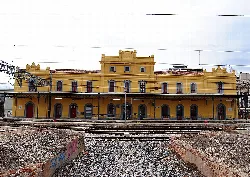
Train station building in Valls, Tarragona, with an old structure and abandoned state.
VallsTarragona

What is the architectural style of the Estació de Valls?

The Estació de Valls features a distinct architectural style characterized by its vibrant yellow facade and historical design elements. This railway station, which has been somewhat abandoned, reflects the importance of rail transport in Valls' development during the 19th century, serving as a key connection point in the region.

Estació de Valls For visitors ›

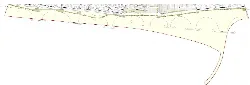
Design plan for the renovation of Cunit beaches in Tarragona.
CunitTarragona

What are the beaches like in Cunit?

Cunit boasts 2.5 km of beautiful sandy beaches shaped into picturesque coves, protected by seven longitudinal and four islet-like breakwaters. These beaches have been awarded the Blue Flag since 1997, recognizing their cleanliness and environmental management. The area is ideal for sunbathing and enjoying the Mediterranean climate, making it a popular destination for both residents and visitors.

beaches For visitors ›