Sights

3,246 questions

La Hoz de la ViejaTeruel

What is the architectural style of La Casa Grande?

La Casa Grande, built in 1777, is a notable example of popular Baroque architecture. It features a ground floor, upper floor, and granary, with a family crest displayed on its façade. This historical building reflects the local heritage and the family's significance in the community.
La Casa Grande For visitors ›

La Hoz de la ViejaTeruel

What can you find at the Museo del Pan in La Hoz de la Vieja?

The Museo del Pan, located in an old mill, showcases the traditional process of bread-making, including cultivation, harvesting, and baking. Visitors can learn about the historical significance of bread in local culture and see the old village oven, which ceased operation in the 1950s.

Museo del Pan For visitors ›

La Hoz de la ViejaTeruel

What are the peirones found around La Hoz de la Vieja?

The peirones are traditional wayside shrines located on the outskirts of La Hoz de la Vieja. They serve as historical markers and reflect the local religious and cultural practices. Notable examples include the Peirón de San Cristóbal and Peirón de la Caña Marcén.

For visitors ›

ValdelinaresTeruel

What is the highest municipality in Spain?

Valdelinares holds the title of the highest municipality in Spain, situated at an altitude of 1695 meters above sea level. This unique feature makes it a notable destination for those interested in high-altitude living and activities.

For visitors ›

Panoramic view of Peracense from its castle, with the village and landscape in Teruel.
PeracenseTeruel

What can I see from the castle in Peracense?

From the castle in Peracense, visitors can enjoy stunning panoramic views of the surrounding landscape. The castle is situated on a spur of rodeno rock, providing a strategic vantage point over the Jiloca Region. The views include the town itself and the natural beauty of the Iberian Aragonés Mountains, making it a perfect spot for photography and sightseeing.

castle For visitors ›

PeracenseTeruel

What is the architectural style of the Town Hall in Peracense?

The Town Hall in Peracense is a two-level building constructed in masonry. Its design features elements from local architectural styles, including an old fish market on the ground floor, characterized by its masonry arches, reflecting the town's historical significance.

Town Hall For visitors ›

Las Parras de CastelloteTeruel

What can I see in Las Parras de Castellote?

In Las Parras de Castellote, visitors can explore several historical sites, including the church of San Nicolás de Bari, built in 1704, and the ancient oil mill located near the town hall. The nearby village of Jaganta features an 18th-century church and a 17th-century oil mill that has been preserved as a museum. The area is rich in natural beauty, with scenic views from the hills.

For visitors ›

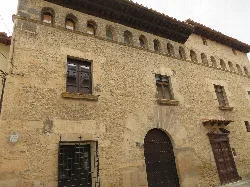
Stone building with windows and an arched door in Las Parras de Castellote.
Las Parras de CastelloteTeruel

What is the building in the second photo?

The second photo features the Palacio in Las Parras de Castellote, a notable historical building in the town. Its architectural style reflects the region's rich history and cultural heritage, making it an interesting site for visitors exploring the area.

Palacio For visitors ›

Las Parras de CastelloteTeruel

What is the significance of the church of San Nicolás de Bari?

The church of San Nicolás de Bari, built in 1704, is a significant landmark in Las Parras de Castellote. It represents the town's historical and cultural heritage, serving as a place of worship and community gatherings. The church is an example of the architectural style of the period and is a focal point for local festivities.

church of San Nicolás de Bari For visitors ›

Las Parras de CastelloteTeruel

What is the noria mentioned in the text?

The noria in Las Parras de Castellote is a waterwheel that has been restored and is part of the town's heritage. It was renovated between 2007 and 2008 and is significant for its historical importance and connection to the region's agricultural practices. It serves as a reminder of the traditional methods of water management in the area.

noria For visitors ›

ToledoToledo

What are some must-see sights in Toledo?

Toledo is rich in historical landmarks, including the stunning Toledo Cathedral, the Alcázar, and several synagogues and mosques. The Cathedral, built between 1226 and 1493, features a magnificent Baroque altar known as El Transparente. The Alcázar offers panoramic views of the city and is a significant historical site. The old town's winding streets are also a delight to explore.

For visitors ›

ToledoToledo

What is the significance of the Alcázar in Toledo?

The Alcázar of Toledo is a prominent historical fortress that has served various purposes throughout its history, including as a royal palace and military museum. Its strategic location offers stunning views of the city and the Tagus River. The Alcázar is a symbol of Toledo's rich history and architectural heritage.

Alcázar For visitors ›

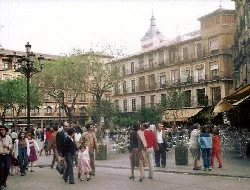
Square with trees, people walking, and historic buildings in Toledo.
ToledoToledo

What is the Plaza de Zocodover known for?

Plaza de Zocodover is Toledo's main square and a popular gathering place for locals and tourists alike. Historically, it served as a marketplace and a social hub. Today, it features cafes and shops, making it a vibrant spot to relax and soak in the city's atmosphere.

Plaza de Zocodover For visitors ›

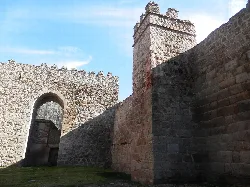
Stone wall with tower and arch in Talavera de la Reina.
Talavera de la ReinaToledo

What can you tell me about the Muralla en la Corredera del Cristo?

The Muralla en la Corredera del Cristo is a historical wall that reflects Talavera de la Reina's medieval past. Built during the Muslim period, it showcases the architectural style and defensive strategies of that era. The wall is a significant remnant of the city's historical fortifications and offers insight into its past as a contested territory between various cultures.

Muralla en la Corredera del Cristo For visitors ›

Talavera de la ReinaToledo

What is the Puente de Castilla-La Mancha known for?

The Puente de Castilla-La Mancha is notable for being the highest bridge in Spain at the time of its completion, rising 192 meters. Spanning 318 meters over the Tagus River, it is a distinctive feature of Talavera de la Reina, although its high cost and limited use have led some to view it as a wasteful investment.

Puente de Castilla-La Mancha For visitors ›

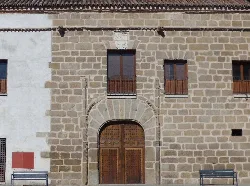
Stone palace facade with wooden doors and windows.
Talavera de la ReinaToledo

What is the significance of the Palacio de Villatoya in Talavera de la Reina?

The Palacio de Villatoya is an important historical building in Talavera de la Reina, reflecting the architectural styles and cultural influences of its time. While specific details about its history are not provided, such palaces often served as residences for nobility and played roles in local governance and social life.

Palacio de Villatoya For visitors ›

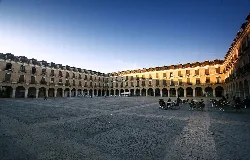
Large square with arcaded buildings and tables in the center in Ocaña.
OcañaToledo

What can I see in the Plaza Mayor of Ocaña?

The Plaza Mayor of Ocaña, built in the 18th century, is a significant cultural site, declared a Bien de Interés Cultural in 2002. It features a spacious layout surrounded by historical buildings and is a popular gathering place for locals and visitors alike. You can enjoy the architecture and atmosphere while exploring nearby shops and cafes.

Plaza Mayor For visitors ›

View of the interior courtyard with white columns and balcony.
OcañaToledo

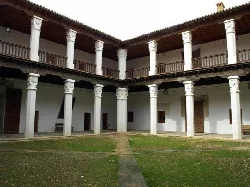
What is the Palacio de Don Gutierre de Cárdenas known for?

The Palacio de Don Gutierre de Cárdenas is a 16th-century building in Ocaña, recognized as a monument of historical and artistic significance. Its architecture reflects the Renaissance style and serves as a reminder of the town's noble past. The palace is an important part of Ocaña's cultural heritage and attracts visitors interested in history and architecture.

Palacio de Don Gutierre de Cárdenas For visitors ›

Two towers of different styles in the city center with rooftops and trees around.
OcañaToledo

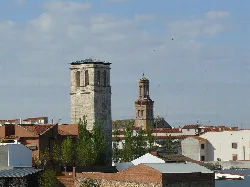
What is the significance of the Torre de la iglesia de San Martín?

The Torre de la iglesia de San Martín is a notable landmark in Ocaña, recognized as a Bien de Interés Cultural since 1993. It represents the town's historical and architectural heritage, showcasing the Mudéjar style. The tower is a remnant of the former church and serves as a symbol of the community's religious history.

Torre de la iglesia de San Martín For visitors ›

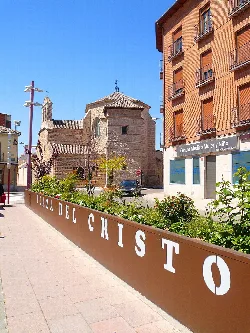
Sign saying Plaza del Cristo and an old building in Torrijos.
TorrijosToledo

What is the significance of the Plaza del Cristo in Torrijos?

Plaza del Cristo is notable for its historical architecture, including the Capilla del Cristo de la Sangre, which was built over an ancient synagogue. This plaza serves as a central gathering place in Torrijos, reflecting the town's rich cultural and religious history.

Plaza del Cristo For visitors ›

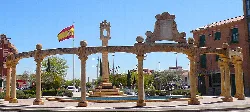
Square with columns, fountain, and flag in Torrijos, Toledo.
TorrijosToledo

What is the significance of the Plaza de la Libertad in Torrijos?

Plaza de la Libertad is an important public square in Torrijos, known for its Rollo jurisdiccional, a symbol of municipal freedom. The plaza serves as a central point for community activities and reflects the town's historical significance and civic pride.

Plaza de la Libertad For visitors ›

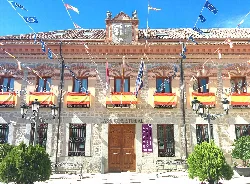
Facade of Sonseca town hall with flags and wooden door.
SonsecaToledo

What is the Casa Consistorial de Sonseca?

The Casa Consistorial de Sonseca serves as the town hall and is a notable building in the municipality. It reflects the architectural style typical of the region and is a central point for local governance. The building is adorned with flags and serves as a symbol of the town's administration.

Casa Consistorial de Sonseca For visitors ›

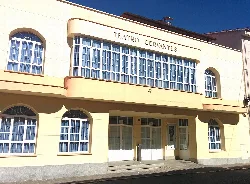
Facade of Cervantes Theatre with windows and sign in Sonseca.
SonsecaToledo

What can you tell me about the Teatro Cervantes in Sonseca?

Teatro Cervantes is a cultural venue in Sonseca that hosts various performances and events. It is an important part of the local cultural scene, offering residents and visitors opportunities to enjoy theater and other artistic expressions. The building itself showcases a distinctive architectural style.

Teatro Cervantes For visitors ›

BargasToledo

What is the Iglesia de San Esteban Protomártir like?

The Iglesia de San Esteban Protomártir is the main architectural monument in Bargas, showcasing three centuries of history. It features a blend of styles, primarily Baroque, with a notable brick tower and a classicist campanile. The interior once housed valuable artworks, including a painting by El Greco, which was lost during the Spanish Civil War.

Iglesia de San Esteban Protomártir For visitors ›