Sights

3,246 questions

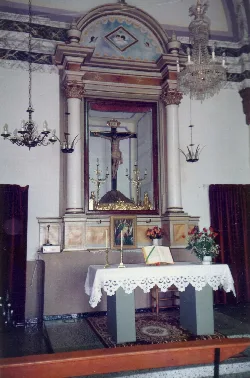
Altar with image of Christ of Health, surrounded by candelabras and flowers.
NavarrésValencia

What is the Ermita del Santísimo Cristo de la Salud known for?

The Ermita del Santísimo Cristo de la Salud is an 18th-century chapel located on a hill east of Navarrés. It features a single nave and a neoclassical altarpiece housing the revered image of Cristo de La Salud, created in 1940. This chapel is significant for the local community, reflecting their deep devotion.
Ermita del Santísimo Cristo de la Salud For visitors ›

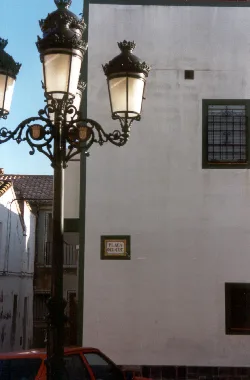
Iron street lamp in Cuc square, Catadau.
CatadauValencia

What is the Plaza del Cuc in Catadau?

The Plaza del Cuc, also known as the Plaza del Gusano, is a notable square in Catadau that commemorates the town's historical significance in silk production. This area reflects the agricultural heritage of Catadau, particularly its past prominence in the cultivation of mulberry trees for silkworms. Today, it's a local gathering spot that showcases the town's cultural identity.

Plaza del Cuc For visitors ›

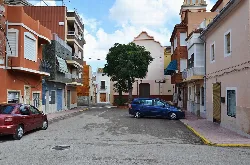
Square with trees, residential buildings, and two parked cars.
FavaraValencia

What can you tell me about the Plaça de la Vera Creu in Favara?

The Plaça de la Vera Creu, established in 1950, features a unique ornamental fountain made of stone and marble. It consists of a circular basin topped by a square body adorned with fantastic motifs, culminating in a balustrade column with a lantern. The design harmoniously combines geometric elements, creating a visually appealing centerpiece in the plaza.

Plaça de la Vera Creu For visitors ›

FavaraValencia

What is the Cueva de la Galera?

The Cueva de la Galera is an archaeological site located in the Sierra del Cavall Bernat, known for its challenging access. It contains materials from the Bronze Age and Iberian period, including flint fragments and handmade pottery, which are currently housed in the Museo Municipal de Alcira.

Cueva de la Galera For visitors ›

FavaraValencia

What is the significance of the Ermita de San Lorenzo?

The Ermita de San Lorenzo is a small, rectangular chapel located on a hill, characterized by its simple stone and masonry construction. It features a two-pitched roof and a modest facade, reflecting the austere architectural style typical of the region's religious structures.

Ermita de San Lorenzo For visitors ›

FavaraValencia

What is the Plaza del Caballo known for?

The Plaza del Caballo is notable for its unique fountain, which features a circular base adorned with four winged horses and lion heads. This decorative fountain serves as a striking visual element in the plaza, showcasing intricate craftsmanship and artistic design.

Plaza del Caballo For visitors ›

AnnaValencia

What is the significance of the Iglesia parroquial in Anna?

The Iglesia parroquial, dedicated to the Inmaculada Concepción, dates back to the early 16th century. It features several wooden altarpieces, especially the Baroque Altar Mayor. After suffering damage from an earthquake in 1748, significant renovations were made in the 18th century, including the construction of a new bell tower in the early 20th century, making it a key landmark in Anna.

Iglesia parroquial For visitors ›

AnnaValencia

What is the Lago de la Albufera and why is it popular?

Lago de la Albufera is a natural lake located about 1 km southwest of Anna. Once a marsh, it has been transformed into a tourist attraction after cleaning efforts in the early 20th century. Surrounded by lush vegetation, it features numerous springs and provides a tranquil setting for visitors, making it one of the main attractions in the area.

Lago de la Albufera For visitors ›

ChellaValencia

What is the significance of the parish church in Chella?

The parish church of the Virgin of Grace, rebuilt in the 18th century, is significant for its architectural style and historical importance. It is currently under examination for potential designs by Gaudí. The church stands as a testament to the town's rich cultural heritage and has been a central point for many local festivities.

parish church For visitors ›

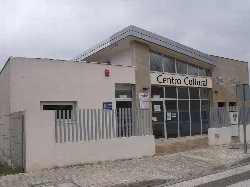
Building with sign that says Cultural Center and Local Police in Chella.
ChellaValencia

What is the architectural style of the Centro Cultural in Chella?

The Centro Cultural in Chella showcases a modern architectural style, characterized by clean lines and a functional design. This building serves as a hub for community activities and cultural events, reflecting the town's commitment to fostering local culture and engagement.

Centro Cultural For visitors ›

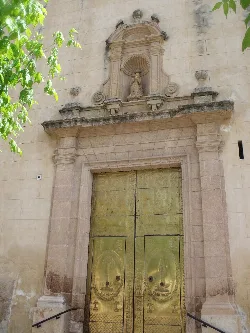
Facade of a church with golden doors and stone details.
Castelló de RugatValencia

What can you tell me about the Iglesia de Nuestra Señora de Gracia?

The Iglesia de Nuestra Señora de Gracia began construction in 1536 and was completed in later centuries. Its facade is minimally decorated, featuring a Baroque cornice and a small chapel above the main entrance. Inside, it consists of three naves with a barrel vault and a dome at the intersection of the central nave and transept.

Iglesia de Nuestra Señora de Gracia For visitors ›

Castelló de RugatValencia

Are there any notable historical sites in Castelló de Rugat?

Yes, Castelló de Rugat boasts several historical sites, including the remains of the Palacio Ducal, the Iglesia de Nuestra Señora de Gracia, and a unique Islamic mosque. These sites reflect the town's rich history, showcasing influences from various cultures and periods, making it a fascinating area for history enthusiasts.

For visitors ›

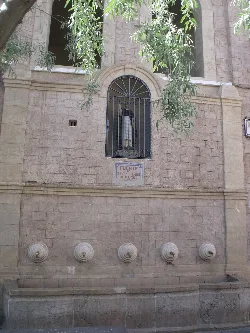
Fountain with statue in window and water outlets in Yátova.
YátovaValencia

What can you tell me about the Fuente de San Vicente Ferrer?

The Fuente de San Vicente Ferrer is a notable landmark in Yátova, featuring several spouts from which water flows. It is a significant site for locals, often associated with community gatherings and historical significance, reflecting the town's cultural heritage.

Fuente de San Vicente Ferrer For visitors ›

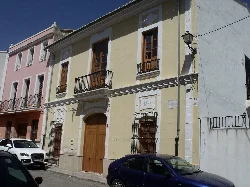
Facade of a house on Bernardo Juan Burriel street in Yátova.
YátovaValencia

What does the architecture in Calle de Bernardo Juan Burriel look like?

Calle de Bernardo Juan Burriel features charming architecture typical of Yátova, with well-preserved buildings showcasing traditional designs. The street is lined with houses that reflect the town's historical character, making it a pleasant area for a stroll and exploration.

Calle de Bernardo Juan Burriel For visitors ›

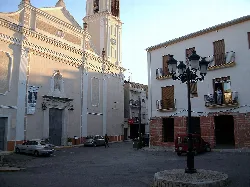
Square with church and street lamp in Llutxent, Valencia.
LlutxentValencia

What can you tell me about the Plaça Major de Llutxent?

Plaça Major de Llutxent is the central square of the town, characterized by its charming architecture and vibrant atmosphere. It serves as a social hub for residents and visitors alike, often hosting events and gatherings. The square is surrounded by notable buildings, including the Church of the Assumption, making it a picturesque spot for relaxation and cultural activities.

Plaça Major de Llutxent For visitors ›

LoriguillaValencia

What are the main attractions in Loriguilla?

Loriguilla offers several attractions, including the Masía del conde de Torrefiel, an important historical site with unique architecture, and the church of San Juan Bautista, inaugurated in 1968. The town is also known for its beautiful parks and recreational areas, such as the municipal sports complex and the scenic Mirador de Valencia, which provides stunning views of the surrounding region.

For visitors ›

LoriguillaValencia

What is the significance of the Masía del conde de Torrefiel?

The Masía del conde de Torrefiel is a 19th-century agricultural estate notable for its architectural style and historical importance. It features a central patio and various functional buildings. The site is currently being restored for cultural and tourism purposes, highlighting its unique design and historical value.

Masía del conde de Torrefiel For visitors ›

LoriguillaValencia

What can I see at the Mirador de Valencia?

The Mirador de Valencia offers breathtaking views of the urban landscape of Valencia and its surroundings. It is a popular spot for both locals and visitors to enjoy the scenery and take photographs, making it a must-visit location for those in Loriguilla.

Mirador de Valencia For visitors ›

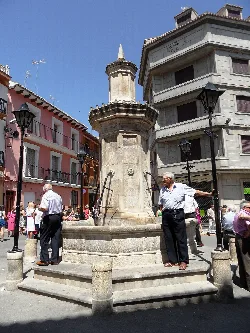
Stone fountain in the square with people and buildings around.
La Font de la FigueraValencia

What can you tell me about the Plaza Mayor in Fuente la Higuera?

Plaza Mayor is a central square in Fuente la Higuera, known for its vibrant atmosphere. It features the Fuente de la Plaza Mayor, a decorative fountain, and is a popular gathering spot for locals and visitors alike, especially during festivals and events.

Plaza Mayor For visitors ›

La Font de la FigueraValencia

What is the significance of the Iglesia de la Natividad?

The Iglesia de la Natividad, built in the 16th century and completed in 1737, is a key religious site in La Font de la Figuera. It houses a notable altarpiece by local painter Juan de Juanes, making it an important cultural and historical landmark.

Iglesia de la Natividad For visitors ›

La Font de la FigueraValencia

What is the Ermita de Santa Bárbara like?

The Ermita de Santa Bárbara, dating back to the 16th century, is situated atop a hill and offers panoramic views of the surrounding valley. The path leading to the chapel is lined with a calvary, making it a significant spiritual and scenic destination.

Ermita de Santa Bárbara For visitors ›

La Font de la FigueraValencia

What is the Teatro Juan de Juanes used for?

Teatro Juan de Juanes serves as a cultural venue in La Font de la Figuera, hosting various performances and events. It is also the home of the local music band, La lira fontiguerense, which has been active since 1916, contributing to the town's cultural life.

Teatro Juan de Juanes For visitors ›

Stone fountain in the square with people and buildings around.
La Font de la FigueraValencia

What is the Fuente de la Plaza Mayor?

The Fuente de la Plaza Mayor is a prominent fountain located in the town's main square. It serves as a historical and social landmark, often frequented by locals and visitors, especially during community events and gatherings.

Fuente de la Plaza Mayor For visitors ›

ChelvaValencia

What are the main attractions in Chelva?

Chelva is home to several notable attractions, including the Iglesia de Nuestra Señora de los Ángeles, a masterpiece of Baroque architecture, and the ancient Acueducto de Peña Cortada, a Roman aqueduct with three arches. The town also features charming historical neighborhoods like Benacacira, showcasing its rich cultural heritage.

For visitors ›