Sights

3,246 questions

Casas AltasValencia

What can you tell me about the local church in Casas Altas?

The Iglesia parroquial de la Santísima Trinidad is notable for its unique architecture, featuring two church bodies and a bell tower. It suggests origins as a small hermitage, with significant additions made in 1615 and 1837.
Iglesia parroquial de la Santísima Trinidad For visitors ›

Casas AltasValencia

What are the main features of the local architecture?

Local architecture includes the Casa consistorial, the town hall, and public washhouses from the 20th century. The Iglesia parroquial de la Santísima Trinidad stands out for its historical significance and unique design elements.

For visitors ›

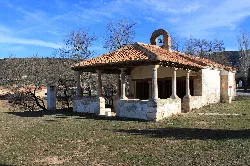
Small hermitage with stone columns and tiled roof in Puebla de San Miguel.
Puebla de San MiguelValencia

What can you tell me about the Ermita de la Purísima?

The Ermita de la Purísima is documented since the 16th century and is located to the east of Puebla de San Miguel, near the CV-363 road. This chapel is an important part of the local heritage, showcasing the religious architecture of the area and its historical significance to the community.

Ermita de la Purísima For visitors ›

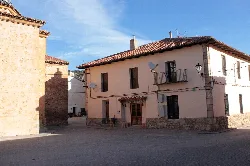
Town hall building in the Puebla de San Miguel square.
Puebla de San MiguelValencia

What is the significance of the Ayuntamiento de Puebla de San Miguel?

The Ayuntamiento de Puebla de San Miguel, located in the main square, serves as the local government building. It represents the administrative heart of the village and is an important site for community gatherings and events, reflecting the town's civic identity.

Ayuntamiento de Puebla de San Miguel For visitors ›

Puebla de San MiguelValencia

What is the architectural style of the Calvario in Puebla de San Miguel?

The Calvario in Puebla de San Miguel features fourteen stone pillars adorned with beautiful ceramic bricks depicting the Passion of Christ. This Via Crucis was built in the immediate post-war period and has undergone recent rehabilitation, showcasing the village's commitment to preserving its cultural heritage.

Calvario For visitors ›

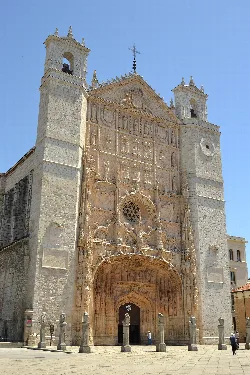
Facade of a church with towers and ornate details in Valladolid.
ValladolidValladolid

What can you tell me about the Iglesia de San Pablo in Valladolid?

Iglesia de San Pablo is a notable church in Valladolid, showcasing a blend of Gothic, Renaissance, and Plateresque architectural styles. Its intricate façade features detailed sculptures and is considered a significant example of late Gothic architecture in Spain. The church is a popular site for visitors interested in religious art and architecture, reflecting the city's rich cultural heritage.

Iglesia de San Pablo For visitors ›

ValladolidValladolid

What is the significance of the Plaza Mayor in Valladolid?

The Plaza Mayor in Valladolid is considered the first of its kind in Spain, designed by Francisco de Salamanca after a major fire in 1561. Its porticoed structure features stone columns and wooden elements, serving as a central gathering place for the community and a model for plazas in nearby towns.

Plaza Mayor For visitors ›

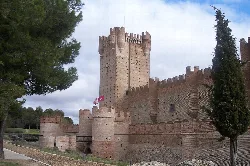
Stone towers and walls of La Mota Castle in Medina del Campo.
Medina del CampoValladolid

What can you tell me about La Mota Castle?

La Mota Castle, built in the 14th and 15th centuries, is a prominent landmark in Medina del Campo. It sits on an elevation, dominating the town and surrounding areas. The castle features a distinctive reddish brick construction and was once part of a larger walled enclosure. It was declared a cultural heritage site on November 8, 1904, and remains a significant historical attraction.

La Mota Castle For visitors ›

La CistérnigaValladolid

What can you tell me about the church in La Cistérniga?

La Cistérniga is home to the church of San Ildefonso, which dates back to 1603 and features a classic Castilian style. It has a single nave and houses altars from the 16th and 17th centuries. The church underwent rehabilitation in 2010, preserving its historical significance.

San Ildefonso For visitors ›

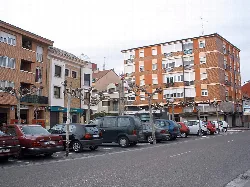
Apartment building and pruned trees in Tudela de Duero
Tudela de DueroValladolid

What is the significance of the Virgen de la Guía in Tudela de Duero?

The Virgen de la Guía is a Gothic Virgin from the 15th century, notable for its historical and cultural importance in Tudela de Duero. It was originally situated above the access arch in the town's wall, symbolizing the town's heritage and identity.

Virgen de la Guía For visitors ›

Tudela de DueroValladolid

What are the main historical sites in Tudela de Duero?

Tudela de Duero boasts several historical sites, including the Church of Nuestra Señora de la Asunción, the Priorato de Santa María de Duero, and remnants of medieval walls. These sites reflect the town's rich architectural and cultural heritage, attracting history enthusiasts.

For visitors ›

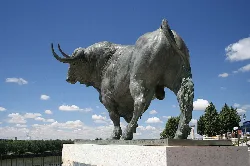
Large bullfighting bull statue in Tordesillas.
TordesillasValladolid

What can I see at the Monumento al toro de lidia?

The Monumento al toro de lidia in Tordesillas is a striking bronze statue that pays homage to the traditional fighting bull, a significant part of local culture. This monument reflects the town's deep-rooted ties to bullfighting and serves as a symbol of the region's agricultural and cultural heritage, attracting visitors interested in this aspect of Spanish tradition.

Monumento al toro de lidia For visitors ›

TordesillasValladolid

What is the Plaza Mayor like in Tordesillas?

The Plaza Mayor of Tordesillas is a beautifully structured square dating back to the 17th century. It features a porticoed design with shops lining the ground floor, making it a lively hub for social gatherings and local events. The square is also home to the town hall, serving as a focal point for community activities.

Plaza Mayor For visitors ›

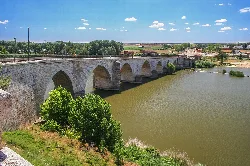
Stone bridge with arches over the Duero River in Tordesillas.
TordesillasValladolid

What are the main features of the Puente de Tordesillas?

The Puente de Tordesillas is a medieval stone bridge notable for its ten pointed arches and triangular supports. Originally built in the 10th century, it underwent significant renovations in the 15th century. This bridge serves as a vital historical crossing over the Duero River, linking various regions and facilitating trade.

Puente de Tordesillas For visitors ›

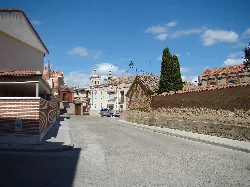
Streets with traditional houses and a church in the background in Cigales.
CigalesValladolid

What are the traditional architectural features in Cigales?

Cigales showcases popular architecture, particularly in its historical center. The town features traditional houses with blasoned facades, especially along streets like Campillo and Corro Vaca. Additionally, the area is known for its unique underground bodegas, which were historically used for winemaking.

For visitors ›

CigalesValladolid

What is the Plaza Mayor like in Cigales?

The Plaza Mayor in Cigales is a central gathering place featuring a sunken area known as the Lagunajo. Here, you'll find the church of Santiago, the town hall, and the former hospital of San Juan Evangelista. The plaza is surrounded by historical architecture, making it a picturesque spot in the town.

For visitors ›

CigalesValladolid

What can you tell me about the traditional bodegas in Cigales?

The traditional bodegas of Cigales are unique underground structures used for winemaking. They are primarily located in areas like Malpique and Las Bodegas. These historical constructions were excavated into the earth and are significant to the town's cultural and economic history.

For visitors ›

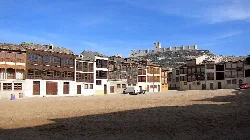
Plaza del Coso with buildings and castle in the background, blue sky.
PeñafielValladolid

What can I see at the Plaza del Coso?

Plaza del Coso is a historic square in Peñafiel known for its unique design and cultural significance. It hosts annual festivities, including bull runs during the fiestas of Nuestra Señora and San Roque. The square is one of the oldest bullfighting venues in Spain, with documented events dating back to 1433.

Plaza del Coso For visitors ›

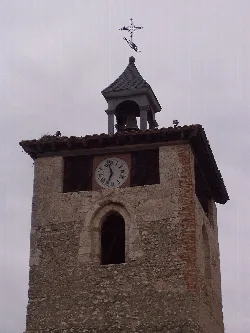
Stone clock tower with bell tower in Peñafiel.
PeñafielValladolid

What is the Torre del Reloj in Peñafiel?

The Torre del Reloj is a historic clock tower that was originally part of the church of San Esteban, built in 1086. The current clock mechanism dates back to 1884. This tower has been a significant landmark in Peñafiel, marking the daily life of its inhabitants for centuries.

Torre del Reloj For visitors ›

PeñafielValladolid

What historical sites are worth visiting in Peñafiel?

Peñafiel boasts several historical sites, including the Castillo de Peñafiel, the Torre del Reloj, and the Convento de San Pablo. The town's rich architectural heritage, with numerous churches and the Plaza del Coso, offers a glimpse into its medieval past.

For visitors ›

Medina de RiosecoValladolid

What are the main attractions in Medina de Rioseco?

Medina de Rioseco boasts several notable attractions, including the stunning Iglesia de Santa María de Mediavilla, known for its late Gothic style and intricate interior. The Ermita de Castilviejo offers a serene escape, while the remnants of the medieval castle provide a glimpse into the town's history. The charming streets lined with traditional architecture, particularly the soportales, add to the town's appeal.

For visitors ›

Medina de RiosecoValladolid

What can you tell me about the architecture in Medina de Rioseco?

Medina de Rioseco features a rich architectural heritage, characterized by traditional buildings made of adobe and brick. The town's historic streets, especially those with soportales, showcase the local architectural style. Notable structures include the palatial home of the Almirantes and various churches, each reflecting different historical periods and styles.

For visitors ›

Medina de RiosecoValladolid

What are the main features of the Iglesia de Santa María de Mediavilla?

The Iglesia de Santa María de Mediavilla is notable for its late Gothic architecture, featuring a blend of Renaissance and Baroque elements. Inside, visitors can admire the elaborate Benavente chapel and the stunning retablo by Juan de Juni. The church also houses an organ from the 17th century and a unique caiman skin donated in the 18th century.

Iglesia de Santa María de Mediavilla For visitors ›

Stone castle towers and walls.
PortilloValladolid

What is the Castle of Portillo known for?

The Castle of Portillo, dating back to the 15th century, is notable for its historical significance, particularly as a prison for nobles like Álvaro de Luna. It is a prominent landmark in the town and offers panoramic views from the nearby 'mirador de Portillo', showcasing the surrounding landscape and other historical sites.

Castle of Portillo For visitors ›