Sights

3,246 questions

PortilloValladolid

What are the main features of the Iglesia de Santa María in Portillo?

The Iglesia de Santa María, built in the 16th century, serves as the main parish church of Portillo. It features a Baroque altarpiece and a notable sculpture of the Piedad, attributed to the workshop of Juan de Juni. Its architectural and artistic significance makes it a key site in the town.
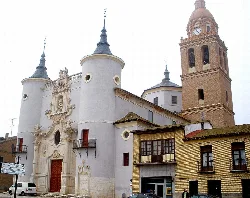
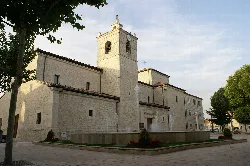
Iglesia de Santa María For visitors ›

Facade of a church with towers and ornamental details in Rueda.
RuedaValladolid

What can you tell me about the Church of Nuestra Señora de la Asunción?

The Church of Nuestra Señora de la Asunción in Rueda features a Latin cross design with three naves, the central one being the widest. Its interior is decorated with floral motifs, and the exterior has a stone retablo-style facade. This historic church has undergone recent restoration, enhancing its architectural significance.

Church of Nuestra Señora de la Asunción For visitors ›

Church with tower and light stone facade in Campaspero.
CampasperoValladolid

What can you tell me about the Iglesia de Santo Domingo de Guzmán in Campaspero?

The Iglesia de Santo Domingo de Guzmán is a significant landmark in Campaspero. Constructed in the late 1750s, it features a single elongated nave and a beautiful interior with a retablo designed by Antonio Bentosa. The church is renowned for its architectural style and is a central part of the community's cultural heritage.

Iglesia de Santo Domingo de Guzmán For visitors ›

MatapozuelosValladolid

What can you tell me about the Church of Santa María Magdalena?

The Church of Santa María Magdalena began construction in the mid-16th century. It features a salon plan with three naves, supported by Tuscan columns. The main façade was completed in 1767, and a new tower was built in the early 18th century, housing bells since 1712.

Church of Santa María Magdalena For visitors ›

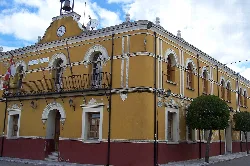
Matapozuelos town hall with clock and balconies.
MatapozuelosValladolid

What is the significance of the yellow building in Matapozuelos?

The yellow building is the Casa Consistorial, or town hall, of Matapozuelos. It serves as an important administrative center for the municipality and is notable for its architectural style, reflecting the town's historical and cultural identity.

Casa Consistorial For visitors ›

MatapozuelosValladolid

What are the notable architectural features of the town?

Matapozuelos features several notable architectural elements, including the Casa Consistorial and various houses with noble coats of arms. These reflect the town's historical significance and the influence of different architectural styles over the centuries.

For visitors ›

Sardón de DueroValladolid

What can I see at the Iglesia de San Juan Bautista?

The Iglesia de San Juan Bautista is a simple 16th-century church featuring a single nave and constructed mainly of masonry. Inside, it houses three retablos from the disbanded abbey of Retuerta, including a notable 17th-century retablo with a crucifix made of ivory.

Iglesia de San Juan Bautista For visitors ›

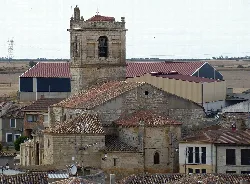
Church of Santiago Apóstol with tower and red roofs in Villalba de los Alcores.
Villalba de los AlcoresValladolid

What can you tell me about the Iglesia de Santiago in Villalba de los Alcores?

The Iglesia de Santiago Apóstol, built in the late 12th century, is a significant historical landmark in Villalba de los Alcores. It showcases Romanesque architecture and is an important part of the town's heritage. The church is situated on a natural elevation, reflecting the area's historical significance as a settlement during the medieval period.

Iglesia de Santiago Apóstol For visitors ›

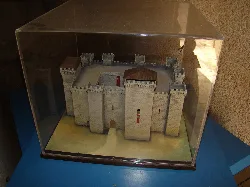
Model of a castle in a display case.
Villalba de los AlcoresValladolid

What is the significance of the castle in Villalba de los Alcores?

The castle of Villalba de los Alcores, dating back to the 12th century, is a historical monument that reflects the town's medieval past. It was initially constructed by Alfonso Téllez de Meneses and has been associated with various historical figures. The castle is noted for its architectural importance and has been declared a cultural heritage site.

castle For visitors ›

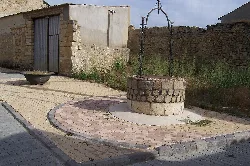
Stone well in a historic site in Villalba de los Alcores.
Villalba de los AlcoresValladolid

What is the well in Villalba de los Alcores used for?

The well in Villalba de los Alcores is a historical feature that reflects the town's agricultural heritage. It was traditionally used for water supply, essential for both domestic use and farming activities. Today, it stands as a reminder of the town's past and its connection to local resources.

well For visitors ›

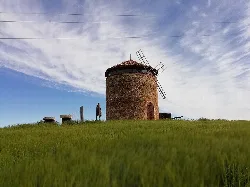
Stone windmill with blades in a green field.
Aguilar de CamposValladolid

What does the Molino de Viento represent in Aguilar de Campos?

The Molino de Viento is a traditional windmill that symbolizes the agricultural heritage of Aguilar de Campos. Although its exact construction date is unclear, it has been referenced since medieval times and played a key role in local cereal production until the 19th century.

Molino de Viento For visitors ›

Aguilar de CamposValladolid

What is the architectural style of the Iglesia de Santa María?

The Iglesia de Santa María is one of the oldest churches in Aguilar de Campos, featuring a mix of Romanesque and later Gothic elements. Its construction dates back to around 1180, with notable features including a polygonal apse and a bell tower built in 1587, showcasing the town's historical architecture.

Iglesia de Santa María For visitors ›

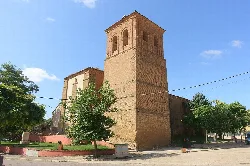
Brick tower of the church and trees in La Unión de Campos.
La Unión de CamposValladolid

What is the main church in La Unión de Campos?

The main church in La Unión de Campos is the Iglesia de la Asunción de Nuestra Señora. This church dates back to the 18th century and features neoclassical architecture. It contains altarpieces from the 16th to the 18th centuries, with the main altarpiece showcasing a painting of the Assumption of the Virgin.

Iglesia de la Asunción de Nuestra Señora For visitors ›

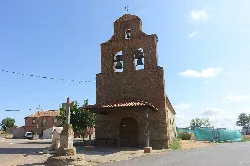
Cristo chapel in La Unión de Campos, with brick bell tower and cross on top.
La Unión de CamposValladolid

What can you tell me about the Ermita del Cristo?

The Ermita del Cristo is one of the historical churches in La Unión de Campos, dedicated to San Pedro. It represents the village's rich ecclesiastical heritage, although it is now less prominent than the main church, the Iglesia de la Asunción.

Ermita del Cristo For visitors ›

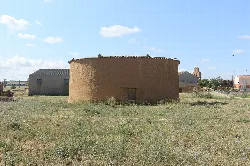
Mud dovecote in an open field in La Unión de Campos.
La Unión de CamposValladolid

What is the Palomar in La Unión de Campos?

The Palomar in La Unión de Campos is a traditional structure used for housing doves. It reflects the agricultural practices and rural lifestyle of the area, showcasing the local heritage and architecture.

Palomar For visitors ›

UrueñaValladolid

What can I see in Urueña?

Urueña boasts a well-preserved medieval urban layout, featuring a historic wall with two gates, remnants of a castle, and the Gothic-Renaissance Church of Santa María del Azogue. Visitors can also explore four museums, including the Joaquín Díaz Ethnological Museum and the Luis Delgado Music Museum, making it a rich cultural destination.

For visitors ›

UrueñaValladolid

What is the significance of the Ermita de Nuestra Señora de la Anunciada?

The Ermita de Nuestra Señora de la Anunciada, dating back to the 11th century, is a notable example of Romanesque architecture in the region. It features thick walls and decorative arches, and it hosts the annual feast and pilgrimage on March 25, celebrating the Virgin of the Annunciation.

Ermita de Nuestra Señora de la Anunciada For visitors ›

UrueñaValladolid

What museums can I visit in Urueña?

Urueña features several interesting museums, including the Joaquín Díaz Ethnological Museum, the Luis Delgado Music Museum, and the Mercedes Rueda Exhibition Hall. These institutions offer insights into local culture, history, and music, enriching the visitor experience.

For visitors ›

Stone church tower with arched windows and tiled roof.
Santibáñez de ValcorbaValladolid

What is the Iglesia de Nuestra Señora del Rosario like?

The Iglesia de Nuestra Señora del Rosario is the main church in Santibáñez de Valcorba, showcasing a medieval architectural style. Its construction dates back to the 13th century, with remnants of Mudéjar design visible. The church features significant artworks, including altarpieces dedicated to various saints and a notable baptismal font made of large stone. Guided tours are available to explore both the church's interior and its surroundings.

Iglesia de Nuestra Señora del Rosario For visitors ›

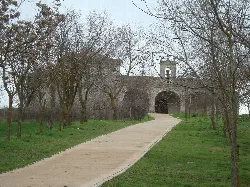
Stone path and trees lead to the chapel in Velliza.
VellizaValladolid

What can you tell me about the Ermita de Nuestra Señora de los Perales?

The Ermita de Nuestra Señora de los Perales is located on the outskirts of Velliza. It serves as a significant religious site for the community, especially during the patronal festivities on September 8, when the Virgen de los Perales is honored with a procession. Its serene setting makes it a peaceful place for reflection and worship.

Ermita de Nuestra Señora de los Perales For visitors ›

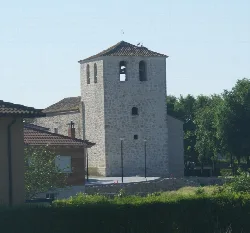
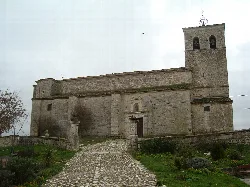
San Millán Church in Velliza, with tower and stone facade.
VellizaValladolid

Is there a notable landmark in Velliza?

Yes, the Iglesia de San Millán is a notable landmark in Velliza. Situated on a small hill, it is an impressive stone structure with a unique architectural style, making it a central feature of the town's skyline and a key point of interest for visitors.

Iglesia de San Millán For visitors ›

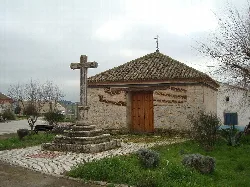
Small chapel with stone cross and gardens in Velliza.
VellizaValladolid

What is the Ermita del Humilladero known for?

The Ermita del Humilladero is a small chapel located within the urban area of Velliza. It is known for its simple yet charming architecture, providing a serene space for local worship and reflection. The chapel enhances the cultural and spiritual landscape of the town.

Ermita del Humilladero For visitors ›

Small church with tower and stone wall in Corrales de Duero.
Corrales de DueroValladolid

What is the significance of the Ermita San Antonio?

The Ermita San Antonio is a small, possibly medieval chapel located near Corrales de Duero. It showcases traditional architecture and is a site of local cultural significance. The chapel is often associated with community events and serves as a reminder of the area's historical roots.

Ermita San Antonio For visitors ›

Landscape with houses, fields, and hills in Corrales de Duero.
Corrales de DueroValladolid

What is the view like from the Pico San Antonio?

The view from Pico San Antonio offers breathtaking panoramas of Corrales de Duero and the surrounding Valle del Cuco. This scenic spot is popular for hiking and provides a unique vantage point to appreciate the natural beauty and agricultural landscapes of the region.

Pico San Antonio For visitors ›