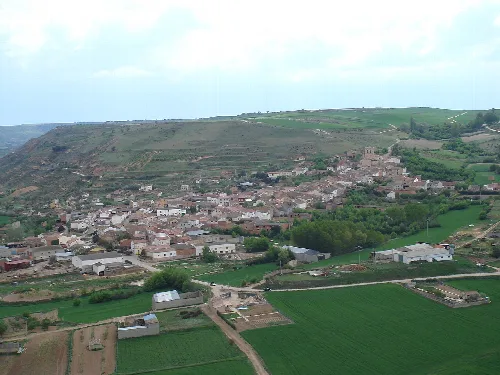
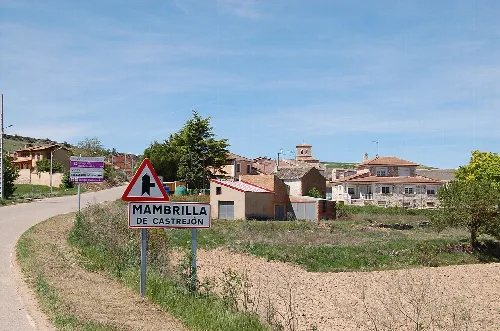
What is the history of the church in Corrales de Duero?
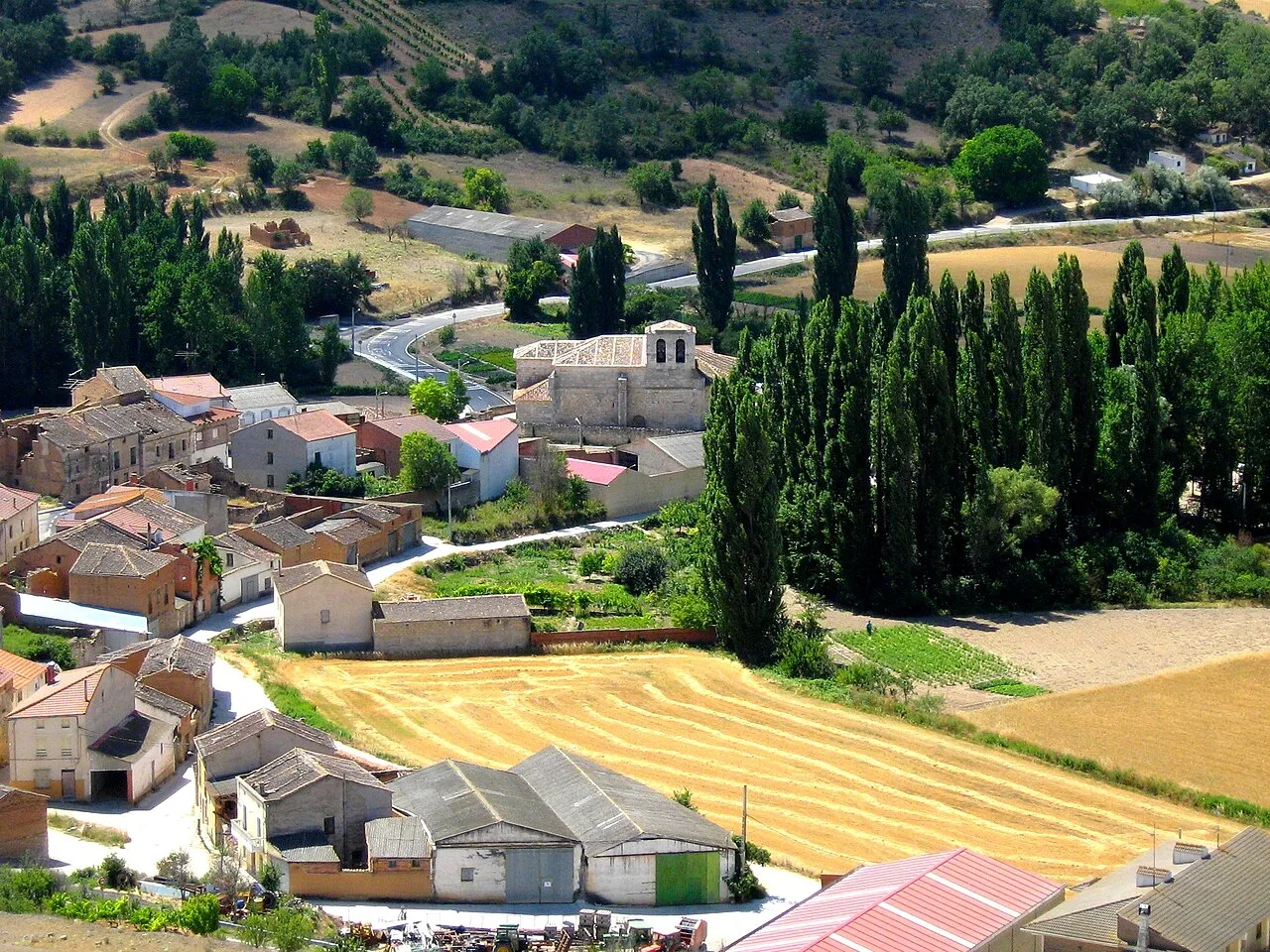
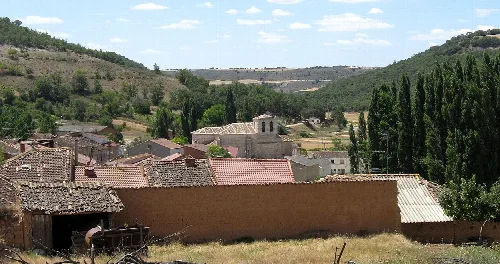
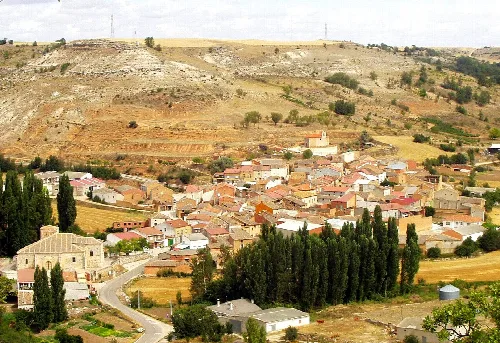
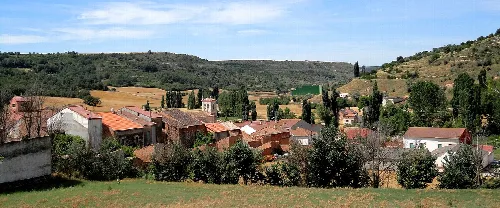
The church of Nuestra Señora de la Asunción dates back to the 12th century and features late Romanesque style. Over the years, it underwent several modifications, including a Mudéjar bell tower in the 16th century. Notable elements include a unique Romanesque Virgin, 16th-century paintings, and a Baroque altarpiece from 1750.
History
Nuestra Señora de la Asunción
What can I do in the Valle del Cuco?
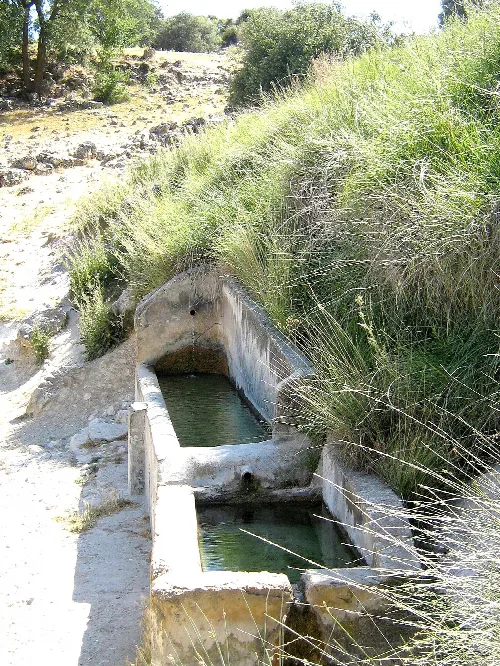
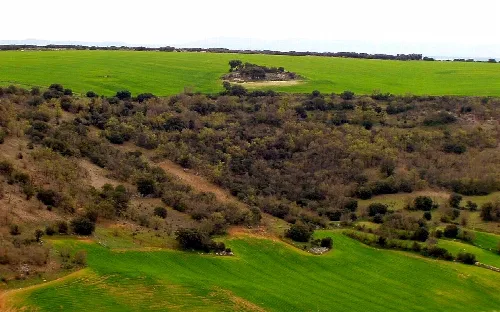
Valle del Cuco offers beautiful landscapes with abundant vegetation and wildlife. Visitors can enjoy hiking along marked trails, such as the 'Ruta de las Fuentes,' which features scenic views and natural springs. The area is also ideal for leisurely walks among oaks and enjoying seasonal wild fruits.
Nature
What are the main agricultural products of Corrales de Duero?
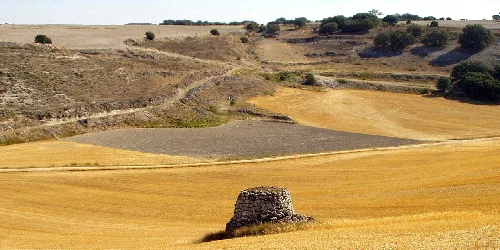
Corrales de Duero primarily relies on agriculture and livestock. The region is known for sheep farming, as well as cattle and pig rearing. Historically, vineyards and fruit orchards were significant, although their prominence has declined. The local economy also benefits from traditional crafts and services.
Food & drink
For residents
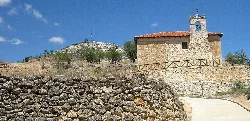
What is the significance of the Ermita San Antonio?
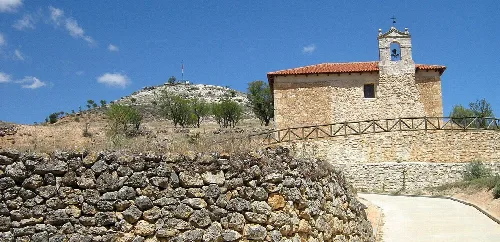
The Ermita San Antonio is a small, possibly medieval chapel located near Corrales de Duero. It showcases traditional architecture and is a site of local cultural significance. The chapel is often associated with community events and serves as a reminder of the area's historical roots.
Sights
Ermita San Antonio
How do locals celebrate San Antonio's feast day?
The feast day of San Antonio de Padua is celebrated with various activities, including masses, processions, and traditional music. The festivities, held the weekend closest to June 13, feature popular dances, communal meals, and the singing of Novenas, creating a vibrant community atmosphere.
Festivals & events
For residents
What are the best hiking routes near Corrales de Duero?
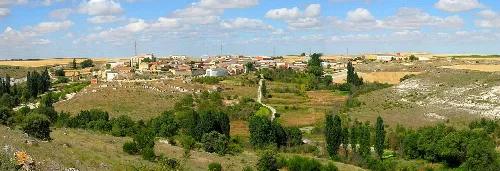
There are several marked hiking routes around Corrales de Duero, including the 'Ruta de las Fuentes,' a 13 km circular trail. This route leads to scenic spots like Valdemoral and offers picturesque views of the valley, making it perfect for nature enthusiasts and hikers.
Nature
What is the local climate like in Corrales de Duero?
Corrales de Duero experiences a microclimate that results in cooler summers and milder winters compared to surrounding areas. The best seasons to visit are spring and autumn when the landscape is vibrant with foliage and wildflowers, enhancing the natural beauty of the region.
Practical
For residents
What are the traditional foods of Corrales de Duero?
Corrales de Duero is known for its traditional dishes, particularly the lechazo asado, a roasted lamb dish. The area also produces seasonal wild fruits and has a history of crafting local spirits like anís and pacharán. These culinary traditions reflect the region's agricultural heritage.
Food & drink
What is the significance of the local festivals in Corrales de Duero?
Local festivals in Corrales de Duero, such as those for San Antonio and San Isidro, play a crucial role in community bonding. They include traditional music, processions, and communal meals, reflecting the cultural heritage and agricultural roots of the area, fostering a sense of belonging.
Festivals & events
For residents
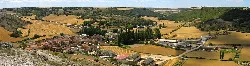
What is the view like from the Pico San Antonio?
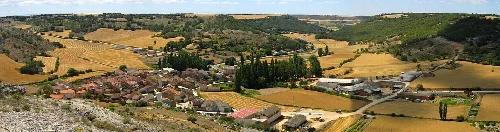
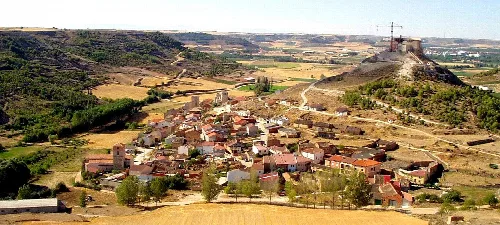
The view from Pico San Antonio offers breathtaking panoramas of Corrales de Duero and the surrounding Valle del Cuco. This scenic spot is popular for hiking and provides a unique vantage point to appreciate the natural beauty and agricultural landscapes of the region.
Sights
Pico San Antonio
 espana.net