Sights

3,246 questions

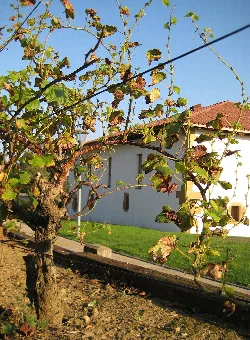
Grapevine leaves in a vineyard with a building in the background in Lejona.
LeioaBiscay

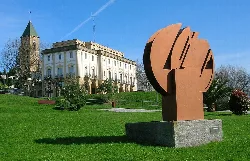
What is the significance of the Museo del Chacolí in Leioa?

The Museo del Chacolí, located in the Palacio Mendibile, is dedicated to the regulation and history of the Txakolí wine from Bizkaia. It serves as an educational space that highlights the cultural and agricultural importance of this unique Basque wine, making it a must-visit for wine enthusiasts.
Museo del Chacolí For visitors ›

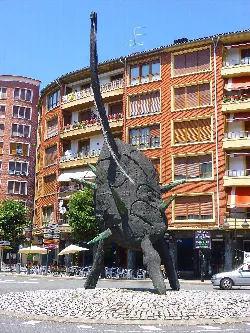
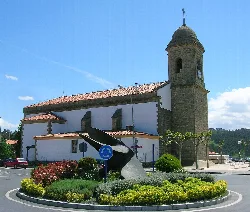
Iron sculpture in a park with historic church and town hall.
LeioaBiscay

What is the church of San Juan Bautista like?

The church of San Juan Bautista, located in Elexalde, dates back to 1526 and has undergone significant renovations. It serves as a historical landmark in Leioa, reflecting the town's religious heritage and community life over the centuries.

San Juan Bautista For visitors ›

Grapevine leaves in a vineyard with a building in the background in Lejona.
LeioaBiscay

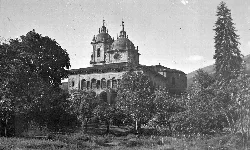
What is the architectural style of the Palacio Mendibile?

Palacio Mendibile showcases a blend of architectural styles, primarily reflecting the grandeur typical of the late 19th century. It serves as a cultural center and is integral to the local heritage, highlighting the historical significance of the area.

Palacio Mendibile For visitors ›

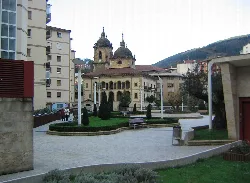
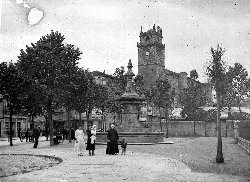
Square with fountain and trees in Durango, with Santa Maria church in the background.
DurangoBiscay

What can you tell me about the Santa Maria church in Durango?

The Santa Maria church, known as Santa María de Uríbarri, is one of the key historical landmarks in Durango. It retains its medieval structure and is located in the town's original urban layout. The church has significant historical importance, having been part of the town since its early days and is situated at one end of the main streets of Durango.

Santa Maria church For visitors ›

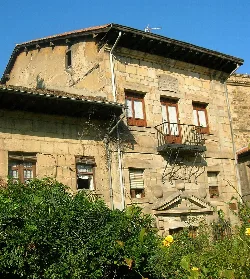
Stone building with iron balcony and sloped roof in Durango.
DurangoBiscay

What is the significance of the Palacio Zabala in Durango?

Palacio Zabala is notable as the birthplace of Bruno Mauricio de Zabala, the founder of Montevideo. This historical building reflects the architectural style of its time and is an important part of Durango's cultural heritage. Visitors can appreciate its history and significance within the context of Durango's development.

Palacio Zabala For visitors ›

DurangoBiscay

What are the main architectural styles found in Durango?

Durango's architecture reflects its historical evolution, featuring medieval structures, Baroque elements, and more modern designs. Key landmarks include the Santa Maria church and the Arco de Santa Ana, showcasing the town's rich architectural heritage. The blend of styles offers a glimpse into Durango's cultural and historical journey.

For visitors ›

Shipyard cranes in Sestao by the river with mountains.
SestaoBiscay

What are the shipyard cranes in Sestao used for?

The shipyard cranes in Sestao are primarily used for shipbuilding and repair activities. They are part of the region's rich maritime industrial history, which includes significant shipyards like La Naval. These cranes facilitate the movement of heavy materials and components necessary for constructing and maintaining vessels, contributing to the local economy.

shipyard cranes For visitors ›

GaldakaoBiscay

What is Galdakao known for?

Galdakao is known for its rich history, beautiful parks, and proximity to the natural landscapes of the Basque Country. The town has a blend of traditional Basque culture and modern amenities, making it a vibrant community. Its notable landmarks include the Iglesia de Andra Mari and Parque Ardanza, which attract both residents and visitors.

For visitors ›

GaldakaoBiscay

What is the significance of the Gallo in Galdakao?

The Gallo, or 'El Gallo de Urgoiti,' is an emblematic monument in Galdakao associated with the Palacio Urgoiti. It symbolizes the town's historical and cultural identity, serving as a reminder of the region's rich past and architectural heritage. The Gallo is a popular spot for photos among visitors.

El Gallo de Urgoiti For visitors ›

Sculpture of a potato-shaped figure in a square in Amorebieta.
Amorebieta-EtxanoBiscay

What is the significance of the sculpture known as 'La Patata'?

La Patata is a prominent sculpture located in Amorebieta-Etxano, created by artist Andrés Nagel. This unique piece has become a recognizable symbol of the town, often sparking curiosity among visitors. Its distinctive design adds a modern artistic touch to the municipality's cultural landscape.

La Patata For visitors ›

Amorebieta-EtxanoBiscay

What is the memorial of the house-tower of Larrea?

The memorial of the house-tower of Larrea is a significant monument in Amorebieta-Etxano, commemorating the historical site of the Larrea palace, which was destroyed during the Spanish Civil War. It features a stone shield from the original building, preserving the memory of the area's heritage.

Memorial of the house-tower of Larrea For visitors ›

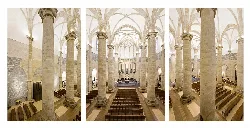
View of the church interior with Gothic columns and arches.
GuernicaBiscay

What is the Andra Mari Church like?

The Andra Mari Church in Gernika is a notable architectural site characterized by its impressive interior and historical significance. It serves as a central place of worship and community gathering, reflecting the town's rich cultural heritage. The church is an integral part of Gernika's landscape.

Andra Mari Church For visitors ›

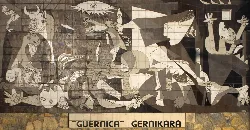
Mural depicting the “Guernica” artwork in Guernica y Luno.
GuernicaBiscay

What does the mural of Guernica represent?

The mural of Guernica is a reproduction of Pablo Picasso's iconic painting, which depicts the suffering caused by war. It serves as a reminder of the town's tragic past and is a powerful symbol of peace. The mural is a significant cultural landmark, attracting visitors interested in art and history.

mural of Guernica For visitors ›

BermeoBiscay

What are the main attractions to visit in Bermeo?

Bermeo offers several attractions including the hermitage of San Juan de Gaztelugache, the Ercilla Tower (Fishermen's Museum), and the charming old town. Visitors can also enjoy the scenic views from the Atalaya and explore the Hospital de Bermeo and its welcoming port. Each site reflects Bermeo's rich maritime tradition and historical significance.

For visitors ›

Palace and garden tower with trees and church in the background.
ErmuaBiscay

What is the Palacio de Valdespina in Ermua?

The Palacio de Valdespina, constructed in 1738, is a stunning Baroque-style building in Ermua. It was designed by architect Sebastián de Lecuna and features a central staircase topped by a dome. The palace is notable for its harmonious relationship with the nearby Church of Santiago Apóstol, both showcasing similar dome designs. Today, it serves as the town hall of Ermua.

Palacio de Valdespina For visitors ›

Square with church and buildings in Ermua.
ErmuaBiscay

What can you tell me about the Church of Santiago Apóstol?

The Church of Santiago Apóstol, dating back to 1600, is a beautiful Renaissance building in Ermua. It features a single nave with side chapels and a distinctive baroque tower added in 1729. The interior includes a significant altar dedicated to Santiago, adorned with intricate sculptures. This church is a key part of Ermua's architectural heritage and complements the nearby Palacio de Valdespina.

Church of Santiago Apóstol For visitors ›

St. Peter's church in Sopelana with clock and garden with sculptures.
SopelaBiscay

What can I see at the church of San Pedro in Sopelana?

The church of San Pedro, a key monument in Sopelana, features a Baroque tower and houses significant artworks, including a 16th-century image of San Pedro and a wooden sculpture of the Immaculate Conception. The church symbolizes the historical union of civil and religious power in the area.

San Pedro's church For visitors ›

ArrigorriagaBiscay

What is the significance of the church of Santa María Magdalena?

The church of Santa María Magdalena dates back to the 9th century, although its current structure has been modified. It features a single wooden vaulted ceiling and houses a notable image of Mary Magdalene. This church represents an important historical and cultural landmark for the community.

For visitors ›

View of a hill with trees and green landscape in Arrigorriaga.
ArrigorriagaBiscay

What is the significance of the Malmasín mountain?

Malmasín mountain holds historical importance as it was the site of early human settlements dating back to the Iron Age. Its elevation offers scenic views and has been a focal point for local activities and historical events, making it a notable landmark in Arrigorriaga.

Malmasin mendia For visitors ›

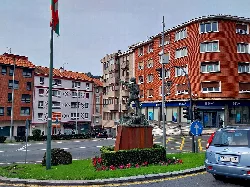
Sculpture in a square with buildings and a car in Ortuella.
OrtuellaBiscay

What is the Monumento al Barrenador in Ortuella?

The Monumento al Barrenador is a tribute to the miners who worked in the region, particularly the barrenadores, who were skilled workers in the mining industry. This monument celebrates their strength and craftsmanship, reflecting the town's rich mining heritage. It is a notable landmark in Ortuella and symbolizes the historical significance of mining in the area.

Monumento al Barrenador For visitors ›

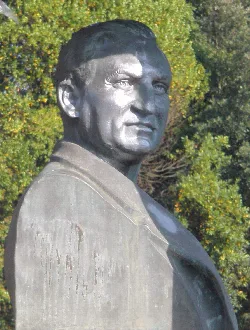
Sculpture of a man in Berango, Vizcaya, in a park with green trees.
BerangoBiscay

What is the significance of the Monumento a Simón de Otxandategi?

The Monumento a Simón de Otxandategi, erected in 1911, features a bronze bust of the titular figure. This eclectic monument serves as a tribute to Otxandategi, reflecting the cultural and historical importance of local figures in Berango's heritage.

Monumento a Simón de Otxandategi For visitors ›

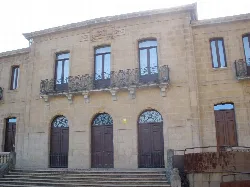
Stone building with wooden doors and windows in Berango, Vizcaya.
BerangoBiscay

What can you tell me about the Ayuntamiento de Berango?

The Ayuntamiento de Berango, built in the late 19th century, showcases post-Neoclassical architecture. It serves as the municipal building and reflects the town's administrative history and architectural style, making it a key point of interest for visitors.

Ayuntamiento de Berango For visitors ›

OndarroaBiscay

What are the main attractions in Ondarroa?

Ondarroa is known for its picturesque harbor and beautiful beaches, notably Playa de Arrigorri. The town also features historical sites like the church of Santa María, which has a striking Gothic design. The Alfonso XIII Bridge, a notable landmark, offers scenic views of the river Artibai and the surrounding landscape.

For visitors ›

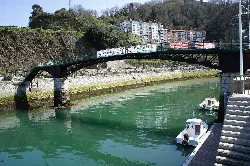
Alfonso XIII bridge over the Artibai River with boats in the water.
OndarroaBiscay

What is the significance of the Alfonso XIII Bridge in Ondarroa?

The Alfonso XIII Bridge is an important historical structure in Ondarroa, serving as a crucial connection over the Artibai River. It symbolizes the town's development and has been integral to its transportation and trade since its construction. The bridge also offers beautiful views of the surrounding area.

Alfonso XIII Bridge For visitors ›