What can you tell me about the Santa Maria church in Durango?
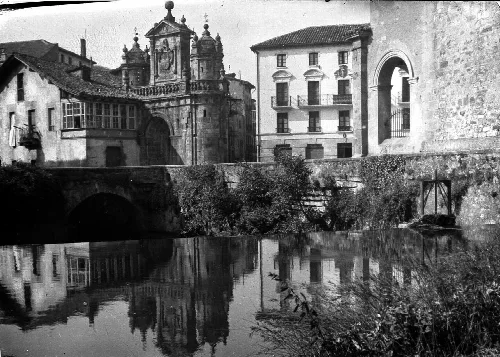
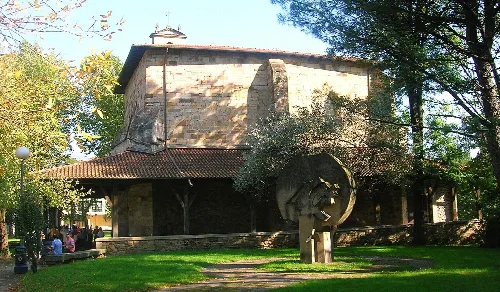
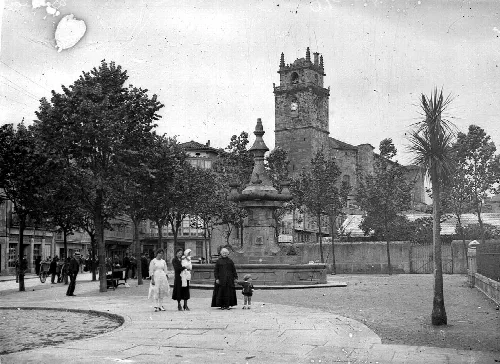
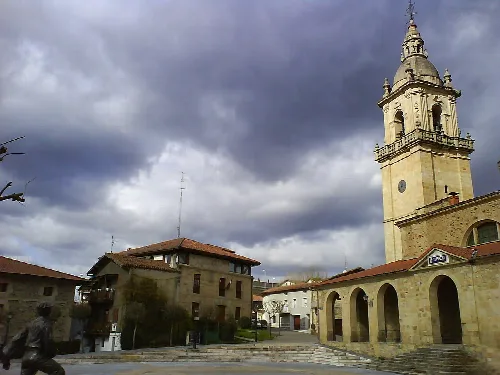
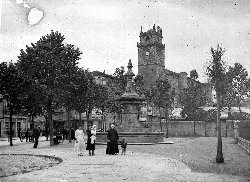
The Santa Maria church, known as Santa María de Uríbarri, is one of the key historical landmarks in Durango. It retains its medieval structure and is located in the town's original urban layout. The church has significant historical importance, having been part of the town since its early days and is situated at one end of the main streets of Durango.
Sights
Santa Maria church
What is the history behind the Cruz de Kurutziaga?
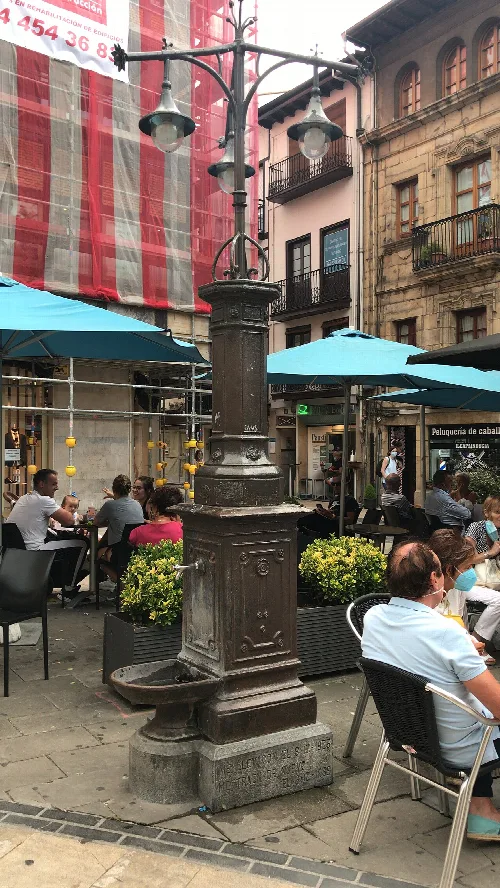
The Cruz de Kurutziaga is a late 15th-century Gothic cross located in Durango. Originally a boundary marker, it symbolizes the town's historical significance. The cross has been relocated to the ermita of Veracruz, which now serves as the Museo Kurutzesantu, where visitors can learn more about its history and cultural importance.
History
Cruz de Kurutziaga
What are some natural attractions near Durango?
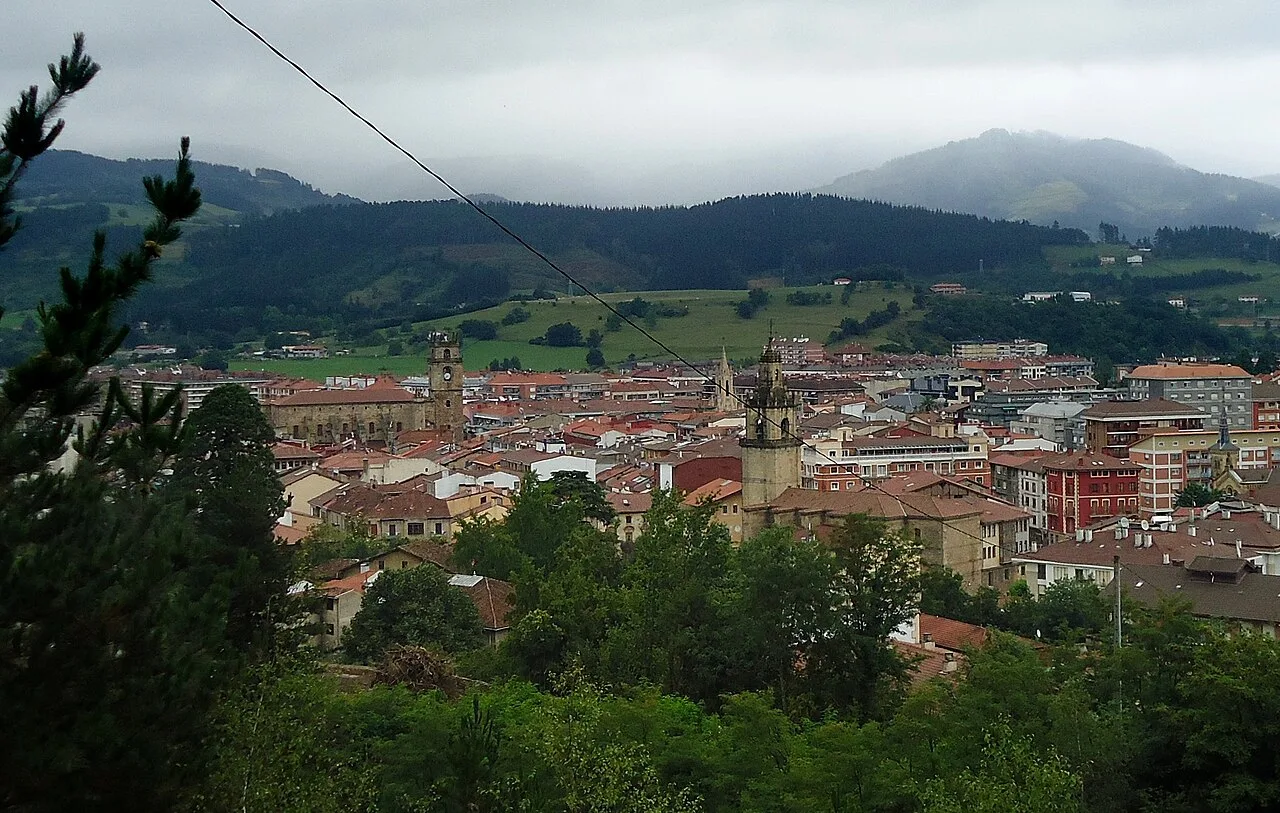
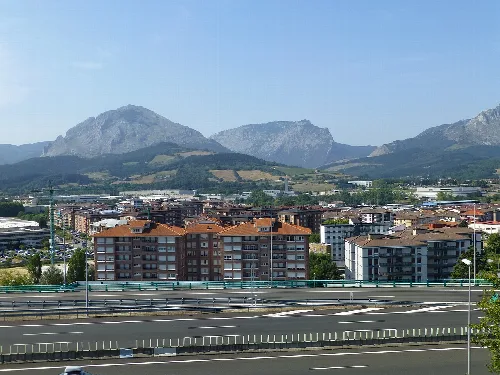
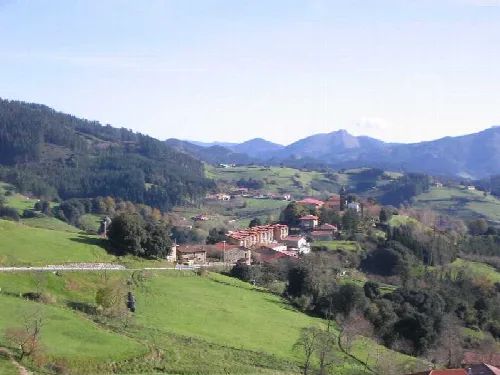
Durango is surrounded by beautiful natural landscapes, including the Peña de Mugarra and Monte Neberondo, which are part of a small limestone massif. These areas offer opportunities for hiking and enjoying the stunning views of the Basque Country, making them popular spots for nature lovers and outdoor enthusiasts.
Nature
How has Durango's economy evolved over the years?
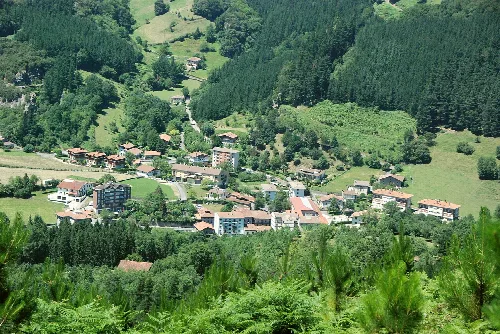
Durango's economy has transitioned significantly, especially since the 20th century. Originally based on agriculture and small industries, it has developed into a predominantly industrial town, focusing on machinery and automotive sectors. The establishment of various industrial parks has further enhanced its economic growth, making it a key industrial hub in the region.
Living there
For residents
What can I expect at the Feria del libro y del disco vasco?
The Feria del libro y del disco vasco, held annually in Durango, is a major cultural event that attracts thousands of visitors. It showcases Basque literature and music, featuring various activities such as book signings, concerts, and literary contests. The event highlights the rich cultural heritage of the Basque Country and is a must-visit for literature and music enthusiasts.
Festivals & events
What is the significance of the Palacio Zabala in Durango?
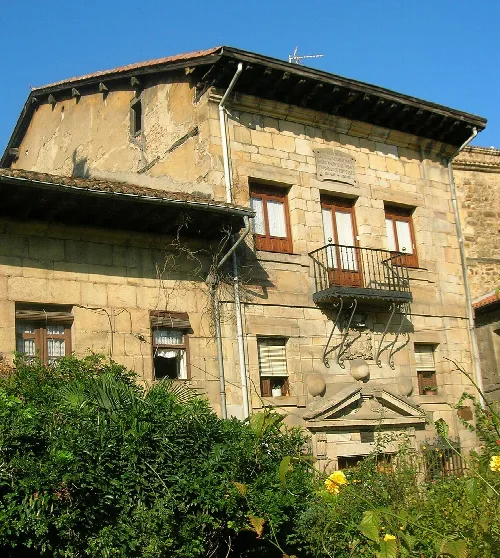
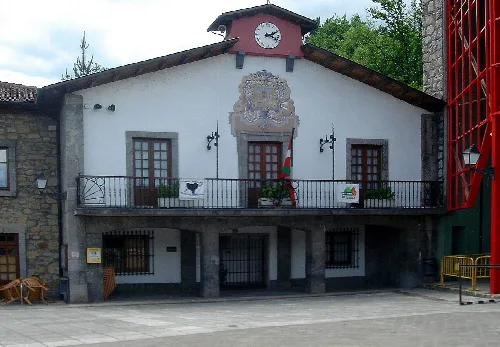
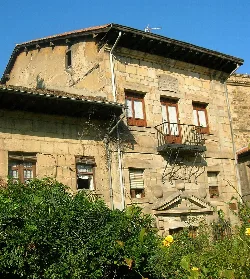
Palacio Zabala is notable as the birthplace of Bruno Mauricio de Zabala, the founder of Montevideo. This historical building reflects the architectural style of its time and is an important part of Durango's cultural heritage. Visitors can appreciate its history and significance within the context of Durango's development.
Sights
Palacio Zabala
Are there any local dishes I should try in Durango?
Durango offers a variety of traditional Basque dishes that visitors should try. Local specialties often include seafood, lamb, and various pintxos. The town's proximity to the coast means fresh fish is commonly featured in many meals. Exploring local restaurants will provide a taste of authentic Basque cuisine.
Food & drink
What was the impact of the bombings during the Spanish Civil War on Durango?
During the Spanish Civil War, Durango suffered devastating bombings, particularly on March 31, 1937, resulting in significant civilian casualties and destruction of buildings. The attacks highlighted the town's strategic importance and left a lasting impact on its history and collective memory, shaping its post-war recovery and development.
History
For residents
What is the current population of Durango?
As of 2025, Durango has a population of 30,192 inhabitants. The town has experienced continuous demographic growth, particularly since the mid-20th century, largely due to industrialization and the influx of people from other regions seeking employment opportunities.
Living there
For residents
What are the main architectural styles found in Durango?
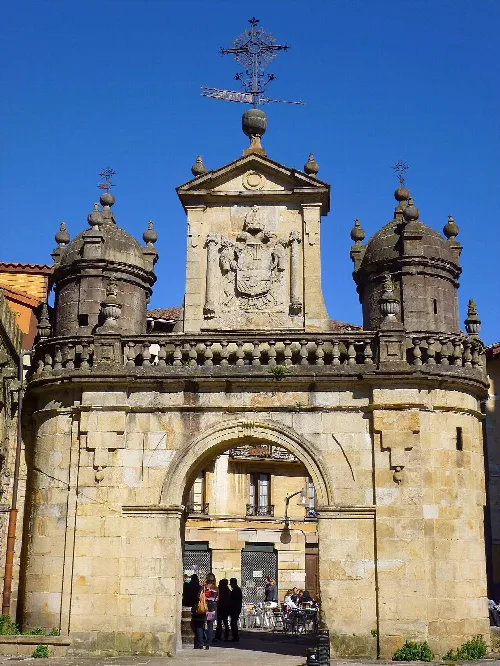
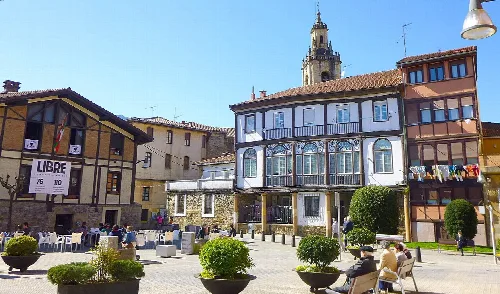
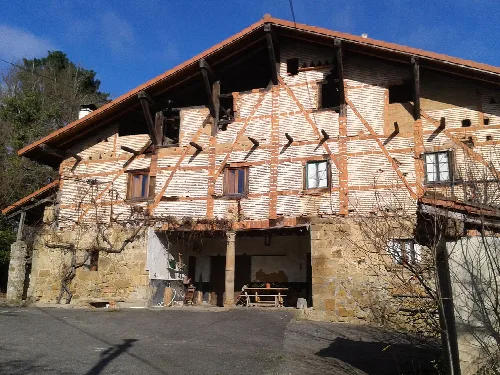
Durango's architecture reflects its historical evolution, featuring medieval structures, Baroque elements, and more modern designs. Key landmarks include the Santa Maria church and the Arco de Santa Ana, showcasing the town's rich architectural heritage. The blend of styles offers a glimpse into Durango's cultural and historical journey.
Sights
 espana.net