Sights

3,246 questions

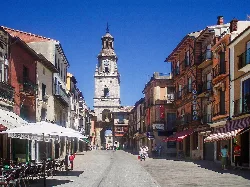
Streets with buildings and a clock tower in Toro.
ToroZamora

What can you tell me about the Torre del Reloj in Toro?

The Torre del Reloj is an iconic clock tower located in the city center of Toro. It serves as a prominent landmark and reflects the historical architecture of the area. This structure is part of the urban landscape that showcases Toro's rich cultural heritage and its evolution over the centuries.
Torre del Reloj For visitors ›

ToroZamora

What are the main historical sites to see in Toro?

Key historical sites in Toro include the Colegiata de Santa María la Mayor, which showcases remarkable architecture, and the ancient city walls that reflect the town's medieval past. The Torre del Reloj and the Verraco are also essential landmarks, each representing different aspects of Toro's rich history.

For visitors ›

Morales del VinoZamora

What are the main attractions in Morales del Vino?

Morales del Vino features several notable attractions, including the church of Nuestra Señora de la Asunción, which showcases late Gothic architecture. The Palacio del Obispo de Luelmo y Pinto, built in the 18th century, is another highlight. Additionally, the Ermita del Cristo de Morales is significant for its cultural importance and the annual Romería celebrated there.

For visitors ›

Morales del VinoZamora

What can you tell me about the architecture in Morales del Vino?

Morales del Vino features a mix of architectural styles, including traditional houses made of brick and 'piedra mollar.' Notable buildings include the church of Nuestra Señora de la Asunción and the Palacio del Obispo, showcasing historical significance and local craftsmanship.

For visitors ›

Santa María del Castillo church and theater in Fuentesaúco, Zamora.
FuentesaúcoZamora

What can you tell me about the Iglesia de Santa María del Castillo?

The Iglesia de Santa María del Castillo is a significant church in Fuentesaúco, dating back to the 16th century. It was declared a Bien de Interés Cultural (BIC) in 1973, highlighting its architectural and historical importance. The church features a striking façade and is a central landmark in the town, often visited for its cultural heritage.

Iglesia de Santa María del Castillo For visitors ›

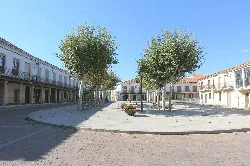
Main square with trees and buildings in Fuentesaúco, Zamora.
FuentesaúcoZamora

What is the Plaza Mayor like in Fuentesaúco?

The Plaza Mayor in Fuentesaúco is a charming public square that serves as a social hub for locals and visitors alike. It features well-maintained landscaping and is surrounded by various buildings, making it an ideal spot for relaxation and community events. The plaza often hosts local festivities and gatherings, reflecting the town's vibrant culture.

Plaza Mayor For visitors ›

San Juan Bautista church in Fuentesaúco, Zamora, with stone facade and tower.
FuentesaúcoZamora

What can you tell me about the Iglesia de San Juan Bautista?

The Iglesia de San Juan Bautista is another notable church in Fuentesaúco, dating back to the 17th century. This church contributes to the town's religious and architectural heritage, showcasing the historical styles of the period. It is a place of worship and community gathering, reflecting local traditions.

Iglesia de San Juan Bautista For visitors ›

Puebla de SanabriaZamora

What can I see in the historic center of Puebla de Sanabria?

The historic center of Puebla de Sanabria features several notable buildings, including the Church of Santa María del Azogue, a Romanesque structure with later transformations, and the Casa Consistorial, known for its distinctive architecture. The area is rich in medieval structures and offers a glimpse into the town's past.

For visitors ›

Puebla de SanabriaZamora

What are the architectural styles in Puebla de Sanabria?

Puebla de Sanabria showcases a blend of architectural styles, primarily medieval and baroque. Key structures include the Romanesque Church of Santa María del Azogue and the Casa Consistorial, which features traditional local designs with stone and timber elements, reflecting the town's rich history.

For visitors ›

FermoselleZamora

What are the main attractions in Fermoselle?

Fermoselle boasts several attractions, including the ruins of the castle of Doña Urraca and the church of Nuestra Señora de la Asunción, which features Romanesque and Gothic elements. The town is also known for its beautiful landscape along the rivers Duero and Tormes, making it a popular spot for hiking and enjoying nature. Additionally, the plaza Mayor is a vibrant area filled with local culture.

For visitors ›

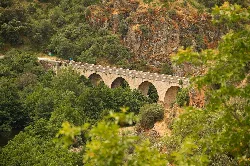
Stone bridge with arches over a river surrounded by greenery.
FermoselleZamora

What is the significance of the Puente de San Lorenzo?

The Puente de San Lorenzo is an important bridge connecting Fermoselle with Trabanca, spanning the Tormes River. It serves as a vital link between the provinces of Zamora and Salamanca. The bridge is not only functional but also a picturesque spot, contributing to the scenic beauty of the area, making it a popular site for visitors.

Puente de San Lorenzo For visitors ›

FermoselleZamora

What are some historical buildings to see in Fermoselle?

In Fermoselle, visitors can explore several historical buildings, including the church of Nuestra Señora de la Asunción, which showcases both Romanesque and Gothic styles. The ruins of the castle of Doña Urraca are also notable, along with various traditional houses that reflect the town's architectural heritage. These sites contribute to Fermoselle's designation as a historical-artistic ensemble.

For visitors ›

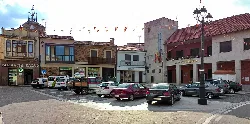
Main square with buildings and parked cars in Alcañices.
AlcañicesZamora

What can you tell me about the Plaza Mayor de Alcañices?

The Plaza Mayor de Alcañices is a central square that serves as a focal point for the town. It features a mix of local shops and cafes, making it a lively area for both residents and visitors. The square is also historically significant as it was once the site of a customs house, reflecting the town's strategic location near the Portugal border.

Plaza Mayor de Alcañices For visitors ›

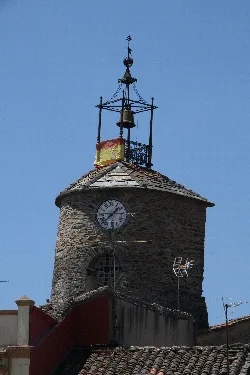
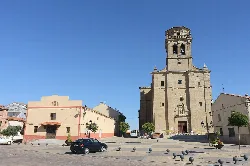
Stone tower with clock and bell tower at the top.
AlcañicesZamora

What is the Torre del Reloj in Alcañices?

The Torre del Reloj is a notable landmark in Alcañices, recognized for its clock and historical architecture. It serves as a symbol of the town and is part of the fortified structures that date back to the medieval period. The tower adds to the character of the town and is a point of interest for visitors.

Torre del Reloj For visitors ›

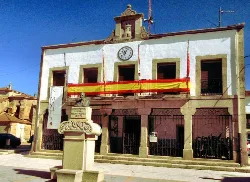
Town hall with bust and flags on the facade.
Bermillo de SayagoZamora

What is the building with the clock and flags in Bermillo de Sayago?

The building you're seeing is the Ayuntamiento de Bermillo de Sayago, the town hall. Constructed in 1910, it serves various municipal functions, including housing the local library and a large event hall. The monument in front honors Federico Requejo, a local politician, and was sculpted by Mariano Benlliure in 1917.

Ayuntamiento de Bermillo de Sayago For visitors ›

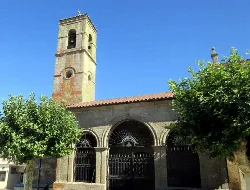
Bell tower and church entrance with trees on the sides.
Bermillo de SayagoZamora

What is the main church in Bermillo de Sayago like?

The main church in Bermillo de Sayago is dedicated to Nuestra Señora de la Asunción. Built in the late 16th century, it has undergone several modifications over the years. The tower and portico were added in 1865 and 1896, respectively, showcasing a blend of historical architectural styles.

Iglesia parroquial de Bermillo de Sayago For visitors ›

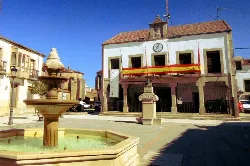
Square with fountain and Town Hall building in Bermillo de Sayago
Bermillo de SayagoZamora

What can you tell me about the main square in Bermillo de Sayago?

The main square in Bermillo de Sayago is rectangular and features the Ayuntamiento at one end. It is notable for its well-preserved architecture and the fountain in the center, making it a focal point for community gatherings and events.

For visitors ›

Morales de ToroZamora

What can you tell me about the Church of San Juan Bautista?

The Church of San Juan Bautista, located in Morales de Toro, dates back to the Middle Ages. It underwent significant renovations in the 16th century, acquiring its definitive form. The church features a unique morisco-renacentista ceiling and remnants of paintings. Although it suffered damage over the years, parts of it have been preserved and incorporated into a new chapel completed in 1983.

San Juan Bautista For visitors ›

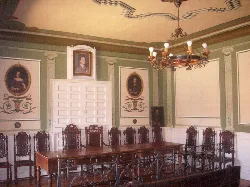
Room with long table, chairs, and paintings on the walls.
Morales de ToroZamora

What is the significance of the Casa Consistorial?

The Casa Consistorial in Morales de Toro was originally the home of Don Tomás Pinto Miguel and his wife, Doña Juana Monroy. Built in the 18th century, it features a grand staircase and rich plasterwork. The building was later donated to the municipality for use as the town hall and has undergone renovations, including a new roof in 1986.

Casa Consistorial For visitors ›

Morales de ToroZamora

What is the significance of the San Salvador church?

The Church of San Salvador in Morales de Toro is notable for its architectural features, including three naves and a unique mudéjar ceiling. The church houses several significant altarpieces from the 16th century and reflects the area's historical and cultural heritage. It has been a central place of worship and community gatherings over the centuries.

San Salvador For visitors ›

FonfríaZamora

What can you tell me about the church in Fonfría?

The main church in Fonfría is the Parroquial de Santa María Magdalena, built in 1971. It features a sober architectural style, with notable artworks including a crucifix and several statues. The church also houses significant silver artifacts from the 18th century, including a processional cross and a custodia.

Santa María Magdalena For visitors ›

FonfríaZamora

What is the significance of the Poblado in Fonfría?

The Poblado in Fonfría was constructed by Iberduero to house workers during the construction of the Salto de Castro. It features remnants of worker housing and facilities such as sports courts and a swimming pool, reflecting its historical role in the community.

El Poblado For visitors ›

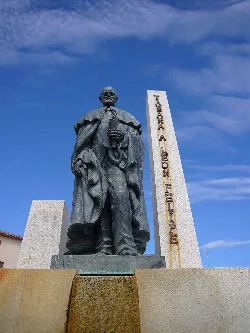
Statue of León Felipe with a monument and blue sky.
TábaraZamora

What can you tell me about the monument to León Felipe in Tábara?

The monument to León Felipe, a prominent poet from Tábara, is a significant landmark in the town. It honors his contributions to literature and celebrates his roots in this municipality. The monument features a statue of the poet alongside an inscription, making it a point of interest for visitors and locals alike.

León Felipe monument For visitors ›

TábaraZamora

What is the architecture like in Tábara?

Tábara features a mix of historical and traditional architecture, including the Romanesque church of Santa María and remnants of the old monastery. The town's buildings often reflect the local Alistana architectural style, characterized by stone construction and rustic elements, contributing to its quaint charm.

For visitors ›