Sights

3,246 questions

Stone building facade with arched door and windows.
La Almunia de Doña GodinaZaragoza

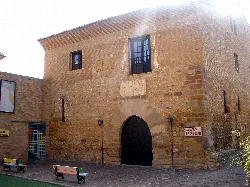
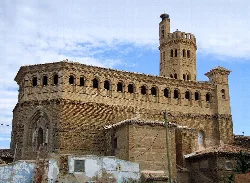
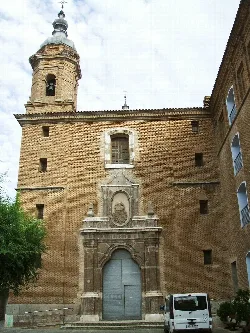
What is the Palacio de San Juan and its current use?

The Palacio de San Juan is a historic building in La Almunia de Doña Godina that now serves as a cultural center. Originally part of a complex for the Order of San Juan de Jerusalén, it features traditional architecture and hosts various community events and activities, enriching the local cultural landscape.
Palacio de San Juan For visitors ›

La Almunia de Doña GodinaZaragoza

What is the significance of the Torre mudéjar in La Almunia de Doña Godina?

The Torre mudéjar is a notable historical structure in La Almunia de Doña Godina, showcasing a blend of architectural styles from different periods. Standing at 40 meters tall, it reflects the region's rich cultural heritage and is a prominent feature of the local skyline, attracting visitors interested in history and architecture.

Torre mudéjar For visitors ›

San Pedro Apostol church in Alagón with tower and stone facade.
AlagónZaragoza

What can you tell me about the Iglesia de San Pedro Apóstol?

The Iglesia de San Pedro Apóstol is a significant landmark in Alagón, showcasing a blend of architectural styles. It features a campanario that was originally an alminar from a mosque during the Islamic period. The church is a testament to the town's rich history and cultural heritage, reflecting its evolution from an important Islamic settlement to a Christian community.

Iglesia de San Pedro Apóstol For visitors ›

Brick church facade with bell tower on the left and stone details at the entrance.
AlagónZaragoza

What is the architecture like in Alagón?

Alagón features a mix of architectural styles, including historical buildings like the Iglesia de San Antonio de Padua, which showcases Baroque and Rococo influences. The town's structures reflect its rich history, with remnants from various periods, including Islamic and medieval architecture, contributing to its unique character.

For visitors ›

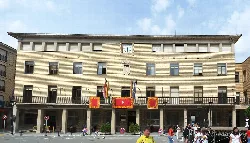
Tauste town hall building with flags on the facade.
TausteZaragoza

What is the Ayuntamiento in Tauste?

The Ayuntamiento, or Town Hall, is a notable building in Tauste, serving as the center of local government. It features a distinct architectural style and is often a focal point for community events and gatherings. The building reflects the town's historical significance and is a key landmark for both residents and visitors.

Ayuntamiento For visitors ›

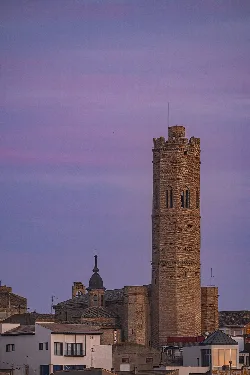
Brick tower with battlements in Tauste, Zaragoza, under a purple and pink sky.
TausteZaragoza

Can you tell me about the Torre de Tauste?

The Torre de Tauste is the former minaret of the Iglesia de Santa María, which has been converted into a bell tower. This structure is a fine example of Mudéjar architecture, showcasing the rich cultural heritage of the area. It stands out in the skyline and is a significant historical landmark in Tauste.

Torre de Tauste For visitors ›

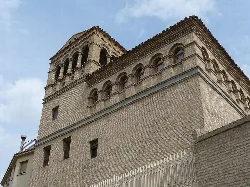
View of the monastery with tower and stone facade in Tauste.
TausteZaragoza

What can you tell me about the Monasterio de San Jorge?

The Monasterio de San Jorge, founded in 1629, is an important Baroque architectural site in Tauste. It features a single nave structure and is characterized by its use of brick. The monastery is a testament to the religious history of the area and is a point of interest for visitors exploring Tauste's heritage.

Monasterio de San Jorge For visitors ›

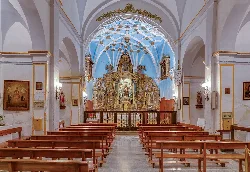
Interior of a church with a golden altar and wooden benches.
BorjaZaragoza

What is the Santuario de Misericordia in Borja?

The Santuario de Misericordia is a significant religious site located at 672.5 meters above sea level, about 6 km from Borja. Initially a hermitage dedicated to Santa Eulalia, it became famous for housing a revered image of the Virgin Mary. The site features a Baroque altar and a notable Romanesque statue from the 13th century. It also gained international attention due to a controversial restoration of an Ecce Homo mural.

Santuario de Misericordia For visitors ›

BorjaZaragoza

What is the Colegiata de Santa María like?

The Colegiata de Santa María is an architectural gem in Borja, showcasing a blend of Mudéjar and Baroque styles. It features two slender bell towers and a single nave with a polygonal apse. Inside, the church houses a stunning main altar, a remarkable organ, and Gothic panels in the sacristy. The structure also bears marks from historical conflicts, adding to its character.

Colegiata de Santa María For visitors ›

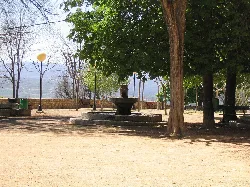
Square with fountain and trees in Borja.
BorjaZaragoza

What is the Plaza del Santuario de Misericordia like?

The Plaza del Santuario de Misericordia is a serene area that complements the sanctuary's tranquil atmosphere. It features picnic facilities and beautiful surroundings, making it a perfect spot for relaxation and social gatherings. The plaza enhances the overall experience of visiting the sanctuary, allowing visitors to enjoy nature and the peaceful environment.

Plaza del Santuario de Misericordia For visitors ›

ÉpilaZaragoza

What are the main historical landmarks in Épila?

Épila is home to several historical landmarks, including the Church of Santa María la Mayor and the Convento de las Concepcionistas. These sites reflect the town's rich history and architectural heritage, making them essential stops for anyone interested in Épila's past.

For visitors ›

CadreteZaragoza

What can you tell me about the Iglesia parroquial in Cadrete?

The Iglesia parroquial in Cadrete is dedicated to the Virgen de la Inmaculada Concepción and is located in the town square. Built in a Baroque Aragonese style, it features a slender tower and is historically significant as it was part of the Convento de Santa Fe. Its architectural style reflects the town's rich cultural heritage.

Iglesia parroquial For visitors ›

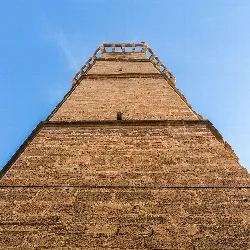
Bell tower of the Church of the Assumption seen from below, with blue sky.
CariñenaZaragoza

What can I see at the Iglesia de la Asunción?

The Iglesia de la Asunción is a notable Baroque church built in the 17th century, featuring a Gothic tower from the 14th century. Inside, you'll find a basilical layout with three naves and eight chapels. The church also houses a museum showcasing various artistic pieces.

Iglesia de la Asunción For visitors ›

Bell tower of the Church of the Assumption seen from below, with blue sky.
CariñenaZaragoza

What is the Torreón de las Monjas?

The Torreón de las Monjas is a historic tower that remains from the medieval walls of Cariñena. Standing at 15.5 meters, it features a square base and octagonal top. It served as a defensive structure and is a significant remnant of the town's historical fortifications.

Torreón de las Monjas For visitors ›

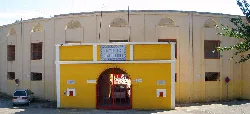
Entrance to the bullring with arch and red gate in Ricla.
RiclaZaragoza

What can you tell me about the Plaza de Toros Braulio Lausín?

The Plaza de Toros Braulio Lausín is a notable bullring in Ricla, named after a local matador. It serves as a venue for traditional bullfighting events and cultural festivities. The bullring is an important part of the town's heritage, showcasing the local passion for this historic Spanish tradition and drawing visitors during events.

Plaza de Toros Braulio Lausín For visitors ›

RiclaZaragoza

What is the significance of the church in Ricla?

The church in Ricla, dedicated to the Asunción de Nuestra Señora, is a remarkable example of Mudéjar architecture. Built between the late 14th and 16th centuries, it features a unique blend of styles, including a neoclassical facade and intricate interior designs. Its tower, with a mix of square and octagonal shapes, is particularly noteworthy.

For visitors ›

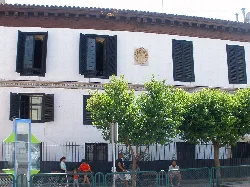
Building with wooden windows and street trees in Ricla, Zaragoza.
RiclaZaragoza

What are the key features of the Palacio de Castellano?

The Palacio de Castellano, dating back to the 18th century, is notable for its architectural style and historical significance. It features a unique entrance to the convent of the Siervas de María and reflects the local heritage through its design. The palace adds to the charm of Ricla's urban landscape.

Palacio de Castellano For visitors ›

Mequinenza dam with water flowing through the gates.
MequinenzaZaragoza

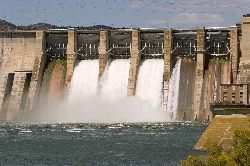
What can you tell me about the Mequinenza Dam?

The Mequinenza Dam, built between 1957 and 1964, is a significant structure located on the Segre River, close to its confluence with the Ebro River. It has a capacity of 1,530,000,000 m³, making it a crucial resource for water management and hydroelectric power in the region. The dam also contributes to the scenic beauty of Mequinenza, attracting visitors interested in nature and engineering.

Mequinenza Dam For visitors ›

Two-story building with windows and a sign at the entrance.
MequinenzaZaragoza

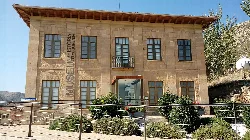
What is the Museo de la Historia de Mequinenza about?

The Museo de la Historia de Mequinenza showcases the town's rich history, including its archaeological significance and historical events. The museum is housed in a building that reflects the local architecture and serves as a cultural hub for residents and visitors alike, offering insights into the town's past and its development over the centuries.

Museo de la Historia de Mequinenza For visitors ›

Group of people with helmets inside a mine.
MequinenzaZaragoza

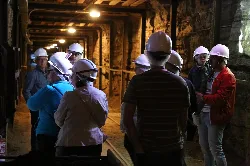
What can you do at the Museo de la Mina de Mequinenza?

At the Museo de la Mina de Mequinenza, visitors can explore the history of coal mining in the region. The museum offers guided tours of the mine's interior, showcasing the mining techniques and equipment used over the years. It's an educational experience that highlights the town's industrial heritage and the lives of the miners.

Museo de la Mina de Mequinenza For visitors ›

DarocaZaragoza

What can you tell me about the Basílica de Santa María de los Sagrados Corporales?

The Basílica de Santa María de los Sagrados Corporales, recognized as a minor basilica since 1890, showcases a blend of Romanesque and Baroque styles. It houses the revered relic of the Sagrados Corporales in its dedicated chapel. Key features include a 15th-century retablo, a significant organ, and a museum. The exterior is marked by a Romanesque apse and the ancient Puerta del Perdón, emphasizing its historical importance.

Basílica de Santa María de los Sagrados Corporales For visitors ›

DarocaZaragoza

What are the main features of the Muralla de Daroca?

The Muralla de Daroca is a significant historical fortification stretching 4 km, featuring 116 towers, making it one of the largest in Spain. It includes notable gates like the Puerta Baja and Puerta Alta. This impressive structure reflects the city's strategic importance throughout history and showcases remarkable engineering from the medieval period.

Muralla de Daroca For visitors ›

DarocaZaragoza

What is the significance of the Fuente de los veinte caños?

The Fuente de los veinte caños, built in 1639, is a monumental fountain that serves as a key urban element in Daroca. It features twenty spouts, each adorned with decorative motifs, and was designed to enhance the city's entrance. This fountain not only provides water but also showcases the artistic style of the period, making it a notable landmark in the town.

Fuente de los veinte caños For visitors ›

DarocaZaragoza

What is the Casa de los Soportales or Almudí?

The Casa de los Soportales, built in 1643, features a notable architectural design with lower-level porticos used historically for grain storage. This building reflects the Baroque style and served as an important commercial hub in the past. Its structure is characterized by brick construction and decorative elements, making it a significant part of Daroca's urban landscape.

Casa de los Soportales o Almudí For visitors ›