Sights

3,246 questions

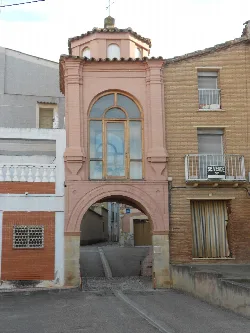
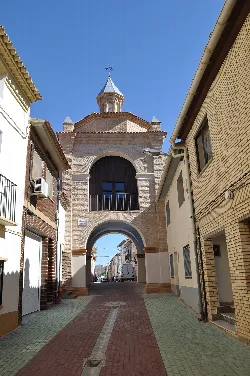
San Roque Portal with arch and tower in Quinto.
QuintoZaragoza

What can you tell me about the Portal de San Roque?

The Portal de San Roque is one of the historic entry points to Quinto, serving as a defensive structure in medieval times. It allowed access to the village from the direction of Alcañiz. The current appearance of the portal dates back to the late 17th or early 18th century, reflecting its historical significance in protecting the community.
Portal de San Roque For visitors ›

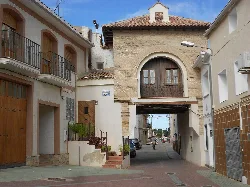
Entrance gate with stone arch and houses on the sides in Quinto, Zaragoza.
QuintoZaragoza

What is the significance of the Portal de San Miguel?

The Portal de San Miguel serves as the main entrance to Quinto, reflecting its medieval origins as a defensive structure. It is part of the town's historical architecture and marks the entry point for visitors coming from Zaragoza, showcasing the town's rich heritage.

Portal de San Miguel For visitors ›

QuintoZaragoza

What can I find at the Museum of Mummies in Quinto?

The Museum of Mummies in Quinto is notable for being the first of its kind in Spain. It houses a collection of naturally mummified bodies from the 18th and early 19th centuries, all preserved in excellent condition due to the dry environment of the former church where they were found.

For visitors ›

QuintoZaragoza

What are the architectural features of Quinto's portales?

The portales of Quinto are medieval structures that served a defensive purpose. They are characterized by their robust construction, designed to protect the entrances to the village. The current designs date back to the late 17th and early 18th centuries, showcasing the town's historical architecture.

For visitors ›

AtecaZaragoza

What are the main attractions to see in Ateca?

Ateca features several notable attractions, including the Iglesia de Santa María, a national monument with a mudéjar tower, and the Castillo, which has historical significance. The town also boasts charming streets, the Torre del Reloj, and various hermitages. The picturesque landscape surrounding the village adds to its appeal, making it a lovely place to explore.

For visitors ›

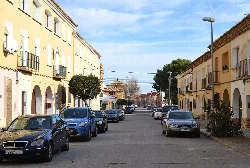
Street with colorful buildings and parked cars in Belchite.
BelchiteZaragoza

What can I see in the new part of Belchite?

In the new part of Belchite, visitors can explore modern architecture and local amenities. The Carrer del poble nou de Belchite features residential buildings and shops, providing a contrast to the historical ruins of the old town. It's a place where the community continues to thrive, showcasing the resilience of its residents.

Carrer del poble nou de Belchite For visitors ›

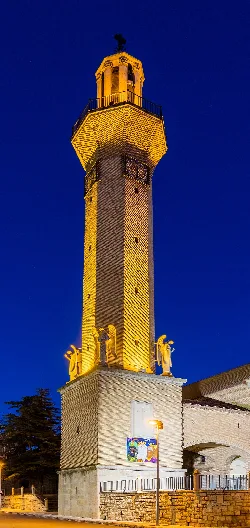
Church tower with angel statues and cross at the top, illuminated against the night sky.
BelchiteZaragoza

What is the significance of the Iglesia nueva de San Martín de Tours?

The Iglesia nueva de San Martín de Tours is a significant landmark in Belchite, representing the town's religious heritage. Built in the 20th century, it features a unique architectural style and serves as a focal point for local religious events. The church stands in contrast to the ruins of the old town, symbolizing renewal and hope.

Iglesia nueva de San Martín de Tours For visitors ›

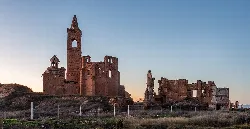
Ruins of a village with damaged buildings and a tower in the center.
BelchiteZaragoza

Is there a way to visit the ruins of Pueblo Viejo de Belchite?

Yes, the ruins of Pueblo Viejo de Belchite are open for guided tours, allowing visitors to explore the historical site and learn about its significance during the Spanish Civil War. These tours provide insights into the town's past and the impact of the war on its architecture and community.

Pueblo Viejo de Belchite For visitors ›

Santa Águeda portal with arch and decorative structure in Escatrón.
EscatrónZaragoza

What is the significance of the Portal de Santa Águeda?

The Portal de Santa Águeda is a notable landmark in Escatrón, possibly serving as one of the ancient gates of the town's fortifications. After losing its defensive function, it was repurposed into a chapel. The structure features a covered passage with a barrel vault and a square chapel above, showcasing the town's historical architecture and its evolution over time.

Portal de Santa Águeda For visitors ›

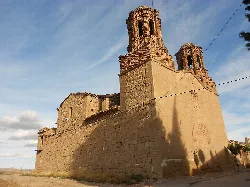
San Javier Church with brick towers in Escatrón.
EscatrónZaragoza

What is the Iglesia de San Javier like?

The Iglesia de San Javier in Escatrón is a historical church that was part of a former convent. Although now in ruins, it features twin towers flanking the main entrance and has a Latin cross layout. Constructed primarily of masonry, it reflects the architectural style of the early 18th century, offering insight into the town's religious heritage and historical significance.

Iglesia de San Javier For visitors ›

Church of the Assumption of Our Lady with bell tower in Escatrón.
EscatrónZaragoza

What can you tell me about the Iglesia de la Asunción de Nuestra Señora?

The Iglesia de la Asunción de Nuestra Señora is a prominent church in Escatrón, notable for its complex construction history. It features a Jesuit baroque design with three Renaissance chapels from an earlier church. The interior houses a magnificent alabaster altarpiece, originally made for the nearby Monastery of Rueda, showcasing the town's rich artistic heritage.

Iglesia de la Asunción de Nuestra Señora For visitors ›

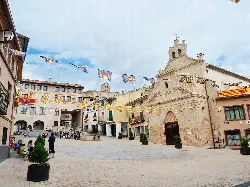
Magallón square with the 18th-century hermitage and decorative banners.
MagallónZaragoza

What can you tell me about the Ermita de Nuestra Señora del Rosario in Magallón?

The Ermita de Nuestra Señora del Rosario is a Baroque-style building located on the eastern side of Plaza de España. It features a single nave and a semi-spherical apse. Originally built in 1641, it underwent modifications in the mid-18th century to accommodate more worshippers. The main altar houses two significant images: the Virgin of the Rosary and Our Lord Crucified.

Ermita de Nuestra Señora del Rosario For visitors ›

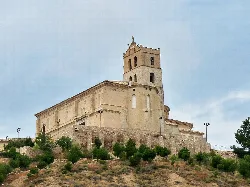
San Lorenzo Church in Magallón on a hill with vegetation.
MagallónZaragoza

Can you tell me about the Iglesia de San Lorenzo?

The Iglesia de San Lorenzo, built between 1533 and 1609, is a late Gothic church that incorporates elements from the earlier castle that once stood on the site. It features a unique layout with the altar located on the west side and includes a notable Baroque chapel dedicated to the Santo Cristo. The church houses various artistic treasures, including a retablo and a historic organ.

Iglesia de San Lorenzo For visitors ›

MagallónZaragoza

What are some notable landmarks in Magallón?

Magallón is home to several notable landmarks, including the Iglesia de Santa María de la Huerta, the Iglesia de San Lorenzo, and the Ermita de Nuestra Señora del Rosario. These buildings showcase the town's rich architectural heritage and history, making them significant points of interest for visitors.

For visitors ›

Palace with tower and clock in Morata de Jalón.
Morata de JalónZaragoza

What can you tell me about the Palacio del Conde de Morata?

The Palacio del Conde de Morata is a Baroque palace built between 1672 and 1676, designed by architect Juan de Marca. It features a distinctive H-shaped layout with a grand staircase and richly decorated interiors. The facade is notable for its decorative elements and is a prominent example of 17th-century architecture in the area. It was declared a National Monument in 1983.

Palacio del Conde de Morata For visitors ›

San Antón's wayside shrine, stone structure with white and red details in Morata de Jalón.
Morata de JalónZaragoza

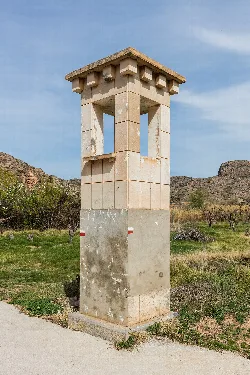
What is the significance of the Peirón de San Antón?

The Peirón de San Antón is a modern construction that serves as a marker or memorial. While it is not as historically significant as other landmarks, it reflects local customs and traditions. Such structures often commemorate local saints and are part of the cultural heritage of Morata de Jalón.

Peirón de San Antón For visitors ›

Morata de JalónZaragoza

Is there a local museum in Morata de Jalón?

Yes, there is a small museum in Morata de Jalón that showcases everyday objects collected over the years. This unique collection reflects the local culture and history, providing visitors with a glimpse into the daily life of the community.

For visitors ›

BoquiñeniZaragoza

What is Boquiñeni known for?

Boquiñeni is a small municipality in Zaragoza, Aragon, known for its rich cultural traditions and community events. It has a population of 743 and features landmarks like the Church of the Assumption, which hosts various religious activities. The town celebrates its patronal fiestas in May and October, highlighting local customs and folklore, including the traditional dance dedicated to San Gregorio.

For visitors ›

BoquiñeniZaragoza

What is the main church in Boquiñeni?

The main church in Boquiñeni is the Church of the Assumption of Our Lady, located on Fernando el Católico street. Built in the 1970s, it replaced an older church that was in poor condition. This church serves as the focal point for religious events and community gatherings, featuring a central altar and various representations of saints.

Church of the Assumption For visitors ›

Church of San Miguel or Señoría in Sabiñán, Zaragoza, with tower and brick walls.
SabiñánZaragoza

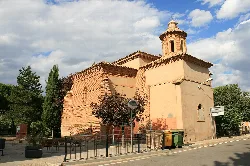
What can you tell me about the Iglesia de San Miguel in Sabiñán?

The Iglesia de San Miguel, also known as the Iglesia de la Señoría, was originally a mosque that underwent modifications after the forced baptism of Muslims in 1526. Constructed in the mudéjar style, it was commissioned in 1577. The church features a lower tower that resembles a mudéjar minaret and has a neoclassical retablo from the 18th century, showcasing a notable image of San Miguel.

Iglesia de San Miguel For visitors ›

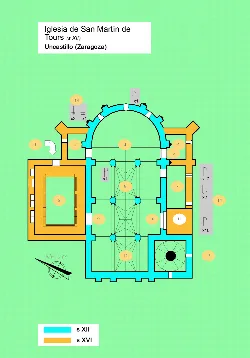
Floor plan with layout and stonework marks of the church in Uncastillo.
UncastilloZaragoza

What can you tell me about the Iglesia de San Martín de Tours?

The Iglesia de San Martín de Tours is a late Romanesque church from the 12th century, characterized by its single rectangular nave and semicircular apse. It features six pillars and pointed arches, with a notable façade that includes two porticos and a beautiful crismón. This church is a prime example of Uncastillo's rich architectural heritage.

Iglesia de San Martín de Tours For visitors ›

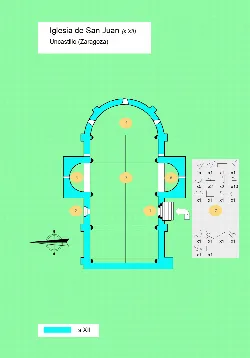
Floor plan of San Juan Church with structural details and stonework marks.
UncastilloZaragoza

What are the key features of the Iglesia de San Juan?

The Iglesia de San Juan, built in the 12th century, features a simple single-nave design with a semicircular apse and lateral chapels. Its robust and austere structure is complemented by medieval paintings preserved within. The entrance is marked by an impressive portico, showcasing the quality of the construction materials used.

Iglesia de San Juan For visitors ›

Sos del Rey CatólicoZaragoza

What are the main attractions to see in Sos del Rey Católico?

Sos del Rey Católico boasts a well-preserved historic center, featuring the city walls, churches, and the Plaza de la Villa. Key sights include the Palacio de los Sada, where Ferdinand II was born, and the Castillo de Sos de Aragón, a 12th-century castle. The Jewish quarter and its historical significance also draw interest, along with the beautiful Iglesia de San Esteban and its remarkable crypt.

For visitors ›

Sos del Rey CatólicoZaragoza

Can you tell me about the Plaza de la Villa?

Plaza de la Villa is one of the most important locations in Sos del Rey Católico. Historically, it served as a medieval market space where merchants conducted trade. The square features a triangular hollow known as 'el quesito,' used for weighing products. It's a central hub for community gatherings and events, showcasing the town's vibrant history.

Plaza de la Villa For visitors ›