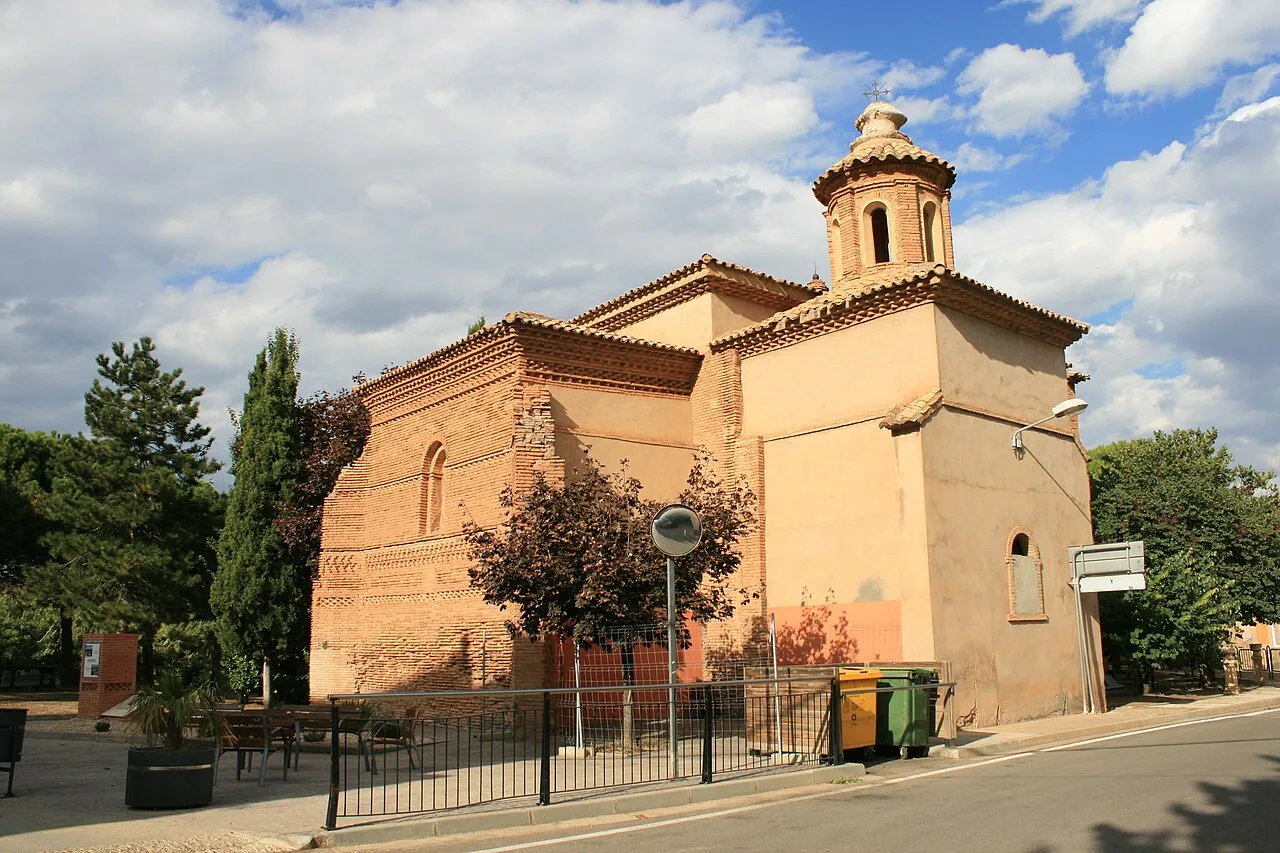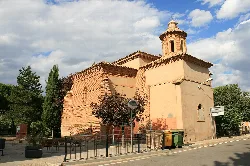
What can you tell me about the Iglesia de San Miguel in Sabiñán?
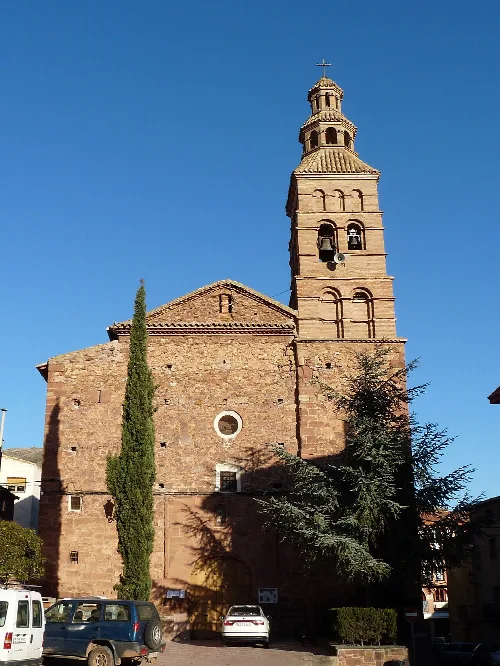
The Iglesia de San Miguel, also known as the Iglesia de la Señoría, was originally a mosque that underwent modifications after the forced baptism of Muslims in 1526. Constructed in the mudéjar style, it was commissioned in 1577. The church features a lower tower that resembles a mudéjar minaret and has a neoclassical retablo from the 18th century, showcasing a notable image of San Miguel.
Sights
Iglesia de San Miguel
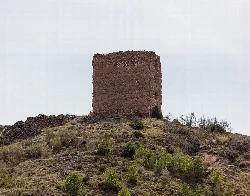
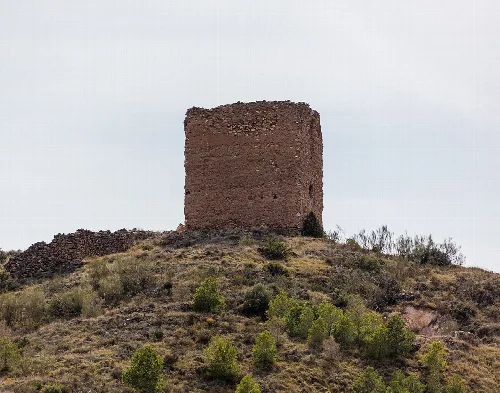
What is the Torre de las Encantadas and its significance?
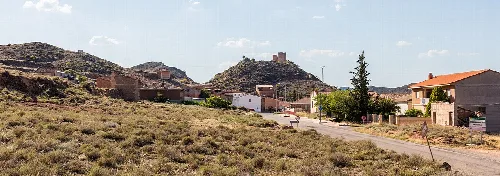
The Torre de las Encantadas is a historic tower located about 3 km from Sabiñán. According to legend, three Moorish maidens were imprisoned there for falling in love with Christians and eventually transformed into doves. It serves as a popular site for cultural excursions, especially during the Noche de San Juan, where the tragic tale is recounted.
History
Torre de las Encantadas
How is the local economy structured in Sabiñán?
Sabiñán's economy is primarily based on agriculture, with significant cultivation of olives, almonds, and cherries. The region is known for its fruit trees and is a center for arboriculture in Aragón. Additionally, Sabiñán is famous for its 'Olivas negrales,' which are harvested locally, contributing to its economic identity.
Food & drink
For residents
What cultural events take place in Sabiñán?
Sabiñán hosts various cultural events throughout the year, including the Hoguera de San Antón on January 17, the San Jorge festival on April 23, and the Noche de las Calaveras on October 31. These events often feature traditional activities such as drawing contests, popular meals, and excursions, fostering community spirit.
Festivals & events
Can you tell me about the traditional May pilgrimage in Sabiñán?
The Romería de Mayo is celebrated on the first Saturday of May, where locals participate in a pilgrimage to the Ermita de San Blas. Young people, known as 'quintos,' play a central role in the festivities, often traveling by decorated tractors. The event is marked by a vibrant procession and various activities leading up to it.
Festivals & events
Ermita de San Blas
What is the significance of the local tree known as El Enebro?
El Enebro is a notable tree in Sabiñán, recognized as a Singular Tree by the Asociación Cultural 'Sabinius Sabinianus.' Located in Valcardera, it is a popular destination for excursions, taking about an hour and a half to reach. This tree symbolizes the local natural heritage and is a point of interest for visitors.
Nature
El Enebro
What can you tell me about the local architecture in Sabiñán?
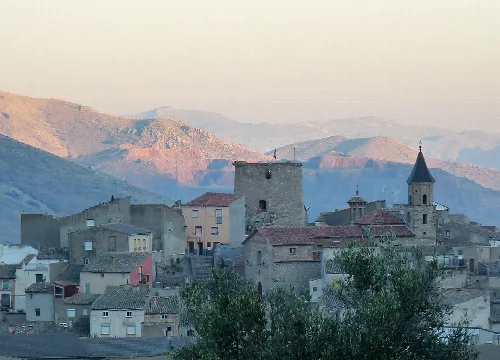
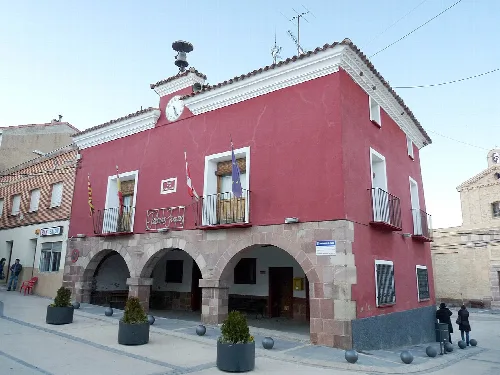
Sabiñán features a mix of architectural styles, including mudéjar influences evident in its churches and palaces. The town's layout includes narrow streets and traditional houses with decorative elements like wrought iron door knockers and arched doorways. The palaces, built with brick and stone, reflect the rich history of influential families in the area.
Living there
For residents
What is the history behind the expulsion of the Moriscos in Sabiñán?
In 1610, around 600 Moriscos were expelled from Sabiñán, a significant event in the town's history. This followed a period of coexistence after the Reconquista, when a notable Morisco community lived in the area. The expulsion marked a turning point, affecting the demographic and cultural landscape of the town.
History
For residents
What are the main features of the local cuisine in Sabiñán?
Sabiñán's cuisine is heavily influenced by its agricultural base, featuring local products like olives, almonds, and cherries. Traditional dishes often incorporate these ingredients, and local events, such as the San Jorge festival, highlight communal meals that celebrate regional flavors. The town is particularly known for its 'Olivas negrales.'
Food & drink
What are the notable historical figures associated with Sabiñán?
Sabiñán is notably linked to Baltasar Gracián, a prominent writer and philosopher born in 1601. His family, the Gracián family, played a significant role in the town's history. Gracián's influence is still recognized today, with events commemorating his contributions to literature and thought.
History
For residents
 espana.net