
Sights

3,246 questions

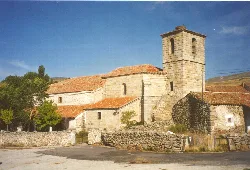
Stone church with tower and red tiled roof in Garganta del Villar.
Garganta del VillarÁvila

What is the main church in Garganta del Villar?

The main church in Garganta del Villar is the Iglesia de Nuestra Señora de la Asunción, built in the 15th century. It features a rectangular layout with a poligonal apse and is covered with tiles. The church also houses a notable processional cross crafted by Bartolomé Rodríguez de Villafuerte, a skilled silversmith from Ávila.
Iglesia de Nuestra Señora de la Asunción For visitors ›

Garganta del VillarÁvila

What is the significance of the Potro de herrar in Garganta del Villar?

The Potro de herrar is an important historical structure in Garganta del Villar, used for shoeing horses. It reflects the agricultural heritage of the area and the traditional practices that have sustained the local community over the years.

Potro de herrar For visitors ›

Stone church with tower and red tiled roof in Garganta del Villar.
Garganta del VillarÁvila

What is the architectural style of the Iglesia de Garganta del Villar?

The Iglesia de Garganta del Villar features a simple yet functional architectural style typical of 15th-century Spanish churches. It includes a rectangular plan and a poligonal apse, with a bell tower that adds to its historical charm.

Iglesia de Nuestra Señora de la Asunción For visitors ›

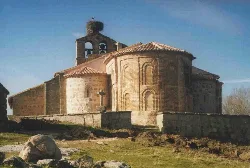
Stone church with tower and dome in Narros del Puerto, Ávila.
Narros del PuertoÁvila

What is the significance of the Iglesia de Nuestra Señora de la Asunción?

The Iglesia de Nuestra Señora de la Asunción is a notable example of Mudéjar architecture from the 13th century. Located on a small hill, it features three naves and a wooden ceiling. The church also houses a granite baptismal font, making it an important historical and architectural site in Narros del Puerto.

Iglesia de Nuestra Señora de la Asunción For visitors ›

San Esteban de los PatosÁvila

What can I see at the Church of Santo Tomé?

The Church of Santo Tomé features a central nave dating back to the early 16th century, built using ancient visigothic measurements. It has undergone several phases of construction, including a late 17th-century altar and modern additions. Notable decorative stones on its facade depict animals and anthropomorphic figures, reflecting its historical significance.

Iglesia de Santo Tomé For visitors ›

San Esteban de los PatosÁvila

Is there a local museum in San Esteban de los Patos?

While San Esteban de los Patos does not have a dedicated museum, the ancient forge has been rehabilitated as a small museum showcasing historical photographs and artifacts related to the village's past. This provides insights into the local heritage and the lives of its inhabitants.

antigua fragua For visitors ›