Sights

3,246 questions

Stone facade of Nava church with bell tower and cross on top.
NavaAsturias

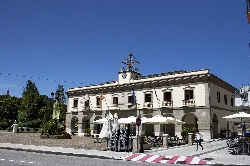
What is the architectural style of the Ayuntamiento de Nava?

The Ayuntamiento de Nava features a classic architectural style, characterized by its rectangular layout and a central body with a neoclassical front. The building includes a U-shaped portico and adorned balconies, reflecting the traditional design elements common in public buildings of the early 20th century.
Ayuntamiento de Nava For visitors ›

Church with tower and stone facade in El Franco, Asturias.
El FrancoAsturias

What is the white building on the hill in the photo?

The white building on the hill is likely part of the residential area of La Caridad, which is the capital of El Franco. This area features various architectural styles and offers stunning views of the surrounding landscape, contributing to the charm of the town.

For visitors ›

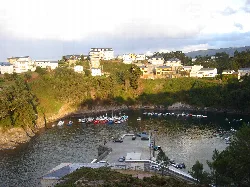
Harbor with white houses and boats in El Franco, Asturias.
El FrancoAsturias

What is the significance of the Puerto de Viavelez?

Puerto de Viavelez is an important fishing port in El Franco, facilitating local fishing activities and trade. It serves as a key point for the community's economic activities and is also a picturesque spot for visitors to enjoy the coastal scenery.

Puerto de Viavelez For visitors ›

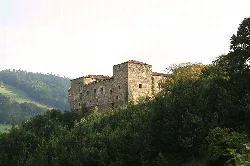
Stone castle on a hill surrounded by trees and vegetation.
AllandeAsturias

What can you tell me about the Palacio de Cienfuegos?

The Palacio de Cienfuegos, also known as Peñalba, is a historic building located in Pola de Allande. Originally constructed in the 14th century, it was rebuilt in the 16th century and features three towers and an L-shaped layout, reflecting a defensive architectural style.

Palacio de Cienfuegos For visitors ›

CarreñoAsturias

What are the main attractions in Carreño?

Carreño boasts several attractions, including the picturesque coastal town of Candás, known for its fishing port and the stunning beaches. The area also features historical sites like the Iglesia de San Félix, which showcases a blend of architectural styles, and the Torre de Prendes, a medieval structure. Additionally, the region is rich in natural beauty with its valleys and coastal scenery.

For visitors ›

Cangas del NarceaAsturias

What is the significance of the Colegiata de Santa María Magdalena in Cangas del Narcea?

The Colegiata de Santa María Magdalena is a National Historic Artistic Monument since 1982 and was designated a Basilica in 1992. It features a remarkable set of Baroque altarpieces, including the main one crafted by Pedro Sánchez Agrela. The church's architecture showcases a flat facade topped with two slate-roofed towers and a significant portal with a half-point arch, highlighting its historical importance in the region.

Colegiata de Santa María Magdalena For visitors ›

Cangas del NarceaAsturias

What is the significance of the Monasterio de Corias?

The Monasterio de Corias is a historic site that now serves as a Parador Nacional, attracting tourists interested in cultural and natural experiences. It has a rich history and is set in a picturesque location, making it a focal point for visitors exploring the region's heritage and beauty.

Monasterio de Corias For visitors ›

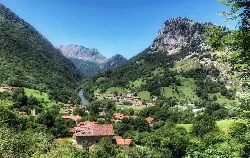
Landscape with houses, river, and green mountains in Peñamellera Alta.
Peñamellera AltaAsturias

What can you see in the village of Mier?

Mier, one of the main villages in Peñamellera Alta, offers picturesque views divided by the Cares River. The village is surrounded by lush landscapes and serves as a great spot for enjoying nature, hiking, and exploring local culture in a serene environment.

Mier For visitors ›

Stone church with tower and bell tower in Alles, Asturias.
Peñamellera AltaAsturias

What is the architectural style of the Iglesia parroquial de San Pedro in Alles?

The Iglesia parroquial de San Pedro in Alles features a Baroque architectural style. Founded in 1787, it has a distinctive dome and a prominent bell tower. The interior includes a retablo that imitates the style of the Santo Domingo Church in Oviedo, showcasing the region's artistic heritage.

Iglesia parroquial de San Pedro For visitors ›

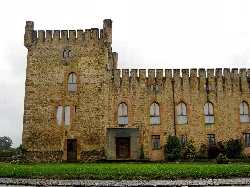
Castle or palace with tower and battlemented walls in San Cucao, Llanera.
LlaneraAsturias

What is the Palacio de Villanueva in San Cucao?

The Palacio de Villanueva, located in San Cucao, is a Baroque building from the 17th century. It features a central body with two floors, square towers, and three balconies. The facade is characterized by its simplicity, with stone walls and granite shields. Although the interior is largely in ruins, it once had a grand staircase and a chapel, reflecting its historical significance as a noble residence.

Palacio de Villanueva For visitors ›

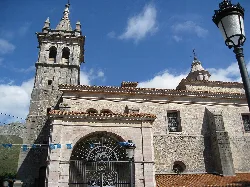
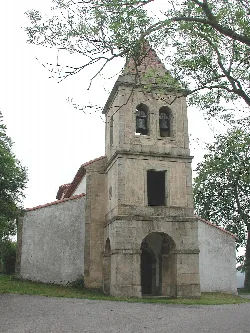
Church facade with tower and entrance arch in Llanera, Asturias.
LlaneraAsturias

What can you tell me about the church in Villardeveyo?

The church of San Miguel de Villardeveyo dates back to the 15th century. It features a rectangular layout with a square apse and a bell tower at the entrance. The interior is divided into two naves, separated by arches on pillars. Its design reflects a blend of historical influences, showcasing the region's architectural heritage.

Iglesia de Veyo For visitors ›

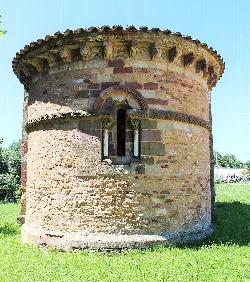
Eastern facade of a church with a round apse and narrow window.
SieroAsturias

What is the architectural style of the church of San Esteban de Aramil?

The church of San Esteban de Aramil showcases a Romanesque architectural style, developed in the 12th century. Its structure features a single rectangular nave and a semicircular apse. Notable elements include intricately decorated cornices and two distinct porticos, reflecting the craftsmanship of the period.

San Esteban de Aramil For visitors ›

SalasAsturias

What are the main attractions in Salas?

Salas boasts several attractions, including the historic Castillo de Valdés Salas, the stunning Parque Carmen Zulueta, and the beautiful Monastery of San Salvador in Cornellana. The town's rich history is reflected in its architecture, such as the Colegiata de Santa María la Mayor and various palaces. Nature lovers can also explore the surrounding mountains and rivers.

For visitors ›

SalasAsturias

What is the architecture like in Salas?

Salas features a blend of historical and traditional architecture, reflecting its rich cultural heritage. Notable structures include the Colegiata de Santa María la Mayor, the Monastery of San Salvador, and various palaces like the Palacio de Valdés Salas. The town's buildings showcase styles from different periods, contributing to its unique charm and historical significance.

For visitors ›

NoreñaAsturias

What are the main attractions in Noreña?

Noreña is known for its culinary heritage, particularly its traditional dishes like fabada and sabadiegos. Additionally, the town hosts gastronomic festivals and the Ecce Homo festival, which are popular among locals and visitors alike. The scenic riverbank along the río Noreña also offers a pleasant spot for walks and relaxation.

For visitors ›

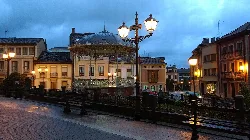
Bandstand in Noreña in a square with street lamps and old buildings.
NoreñaAsturias

What can you tell me about the bandstand in Noreña?

The bandstand in Noreña is a charming structure located in the town square. It serves as a venue for various cultural events and performances, enhancing the community's social life. The picturesque setting, especially at night with its lights, makes it a popular spot for both locals and visitors.

bandstand For visitors ›

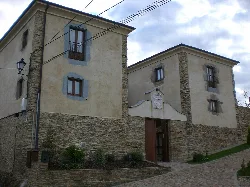
Stone building with white walls in Miou, Asturias.
A VeigaAsturias

What is the significance of the Casona de Trabadelo?

The Casona de Trabadelo is a notable architectural landmark in Miou, reflecting the traditional Asturian style. Its historical significance is tied to the local culture and heritage, showcasing the region's architectural evolution. The building is representative of the wealthy families that once inhabited the area, contributing to the cultural fabric of Vegadeo.

Casona de Trabadelo For visitors ›

Building with clock and terrace in Vegadeo, Asturias, with tables and umbrellas in the square.
A VeigaAsturias

What is the architectural style of the Vegadeo Town Hall?

The Vegadeo Town Hall features a historicist architectural style, built in the late 19th century. Its design includes a ground floor with a portico supported by arches, topped by a balustrade and a clock tower. This building is a central landmark in the town, reflecting its administrative importance and historical significance.

Vegadeo Town Hall For visitors ›

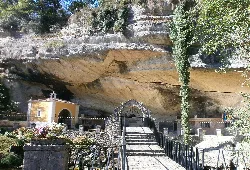
Sanctuary in Piloña with entrance and stairs in front of a large rocky overhang.
PiloñaAsturias

What can you tell me about the Santuario de La Virgen de la Cueva?

The Santuario de La Virgen de la Cueva is located near the river La Marea and has been a site of devotion since the 16th century. It underwent significant renovations in 1983, altering its original appearance. This sanctuary is notable for its religious significance and picturesque setting, attracting visitors seeking spiritual solace and natural beauty.

Santuario de La Virgen de la Cueva For visitors ›

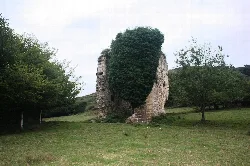
Ruins of an old tower in a grassy field with trees.
PiloñaAsturias

What is the Torreón de Lodeña?

The Torreón de Lodeña is a historic tower in Piloña, representing the region's medieval architecture. It served as a defensive structure and is one of the few remaining examples of its kind in the area. The tower’s preservation allows visitors to glimpse the historical significance of Piloña's past.

Torreón de Lodeña For visitors ›

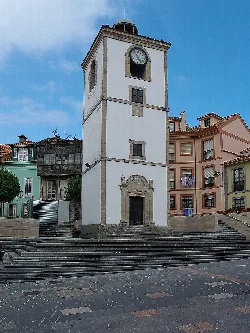
18th-century watchtower in Luanco with a clock at the top and colorful houses around.
GozónAsturias

What is the Torre del Reloj in Luanco?

The Torre del Reloj, built in 1705, is a notable landmark in Luanco. Originally serving as a watchtower and later as a prison, it features a square design with three distinct floors. The structure is marked by a Baroque entrance and is adorned with the Cruz de la Victoria, symbolizing its historical significance.

Torre del Reloj For visitors ›

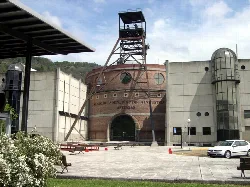
Museum building with a mining tower and arched entrance.
Samartín del Rei AurelioAsturias

What can I see at the Muséu de la Minería de Asturias?

The Muséu de la Minería de Asturias, inaugurated in 1994, showcases the region's mining history. Visitors can explore old mining galleries and learn about the lives of miners through various exhibits, making it a significant cultural site.

Muséu de la Minería de Asturias For visitors ›

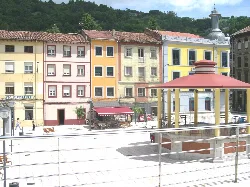
Square with colorful buildings and kiosk structure in Sotrondio, Asturias.
Samartín del Rei AurelioAsturias

What is the significance of the Plaza Sotrondio?

Plaza Sotrondio serves as a central gathering place in the municipality, featuring notable architecture and public spaces. It reflects the community's social life and is often used for local events and celebrations.

Plaza Sotrondio For visitors ›

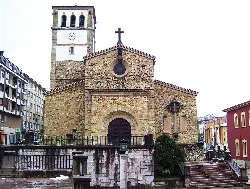
Samartín del Rei AurelioAsturias

What can you tell me about the church of San Martín de Tours?

The church of San Martín de Tours is notable for being built over an earlier structure with possible pre-Romanesque elements. It is believed to be the burial site of King Aurelio, adding historical significance to its architecture.

church of San Martín de Tours For visitors ›