Sights

3,246 questions

OviedoAsturias

What can you tell me about the Cathedral of San Salvador in Oviedo?

The Cathedral of San Salvador is a significant historical site in Oviedo, built over the original church founded in the 8th century. The current structure dates back to 1388, showcasing a blend of architectural styles. It houses the Cámara Santa, a UNESCO World Heritage Site, which contains important Christian relics, including the Arca Santa and the Cross of Victory commissioned by Alfonso III.
Cathedral of San Salvador For visitors ›

OviedoAsturias

What are the best places to visit in Oviedo's old quarter?

In Oviedo's old quarter, you can explore the Plaza del Fontán, a historic marketplace, and the charming streets lined with traditional architecture. Don't miss the Church of San Tirso and the Monastery of San Vicente, which are key historical sites in the area, showcasing the city's rich heritage.

For visitors ›

AvilésAsturias

What can I see at the Centro Niemeyer?

The Centro Niemeyer is a cultural complex designed by the renowned architect Oscar Niemeyer. It hosts various events, exhibitions, and performances, making it a hub for culture and education in Avilés. Visitors can explore its striking architectural design and enjoy the diverse programs it offers throughout the year.

Centro Niemeyer For visitors ›

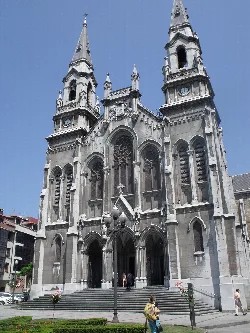
Gothic church facade with tall towers and large windows in Avilés.
AvilésAsturias

What is the significance of the Iglesia de Santo Tomás de Canterbury?

The Iglesia de Santo Tomás de Canterbury is a notable neogothic church in Avilés, designed by architect Luis Bellido. It serves as a prominent religious and cultural landmark in the city, reflecting the architectural styles of its time. The church is a key part of the community's heritage and is often visited by tourists.

Iglesia de Santo Tomás de Canterbury For visitors ›

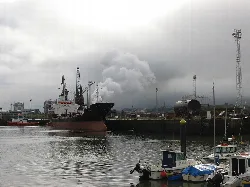
Harbor with ships and boats under cloudy sky in Avilés.
AvilésAsturias

What can I do at the Puerto de Avilés?

The Puerto de Avilés is not only the main fishing port of Asturias but also a hub for maritime activities. Visitors can enjoy scenic views, take boat tours, or explore the waterfront area, which features various recreational facilities and restaurants. It's a lively spot that showcases the city's maritime culture.

Puerto de Avilés For visitors ›

AvilésAsturias

What is the architectural style of the Palacio de Valdecarzana?

The Palacio de Valdecarzana is a notable example of medieval civil architecture in Avilés. Its design features large pointed arches and bifora windows, characteristic of the commercial activity of the time. The palace reflects the city's historical significance and is an important cultural landmark.

Palacio de Valdecarzana For visitors ›

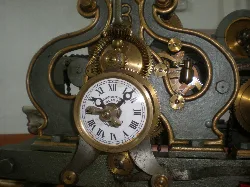
Old clock with gears and Roman numeral dial.
PuertollanoCiudad Real

What is the Reloj de Flores?

The Reloj de Flores, or Flower Clock, is a notable landmark in Puertollano. This decorative clock is made from various flowers and plants, creating a vibrant display. It symbolizes the city's commitment to beautification and serves as a popular spot for both locals and visitors to enjoy the scenery.

Reloj de Flores For visitors ›

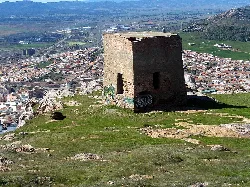
Torre Mathé in Puertollano, a stone structure on a hill with city view.
PuertollanoCiudad Real

What can you tell me about Torre Mathé?

Torre Mathé, also known as Chimenea Cuadrá, is a prominent structure in Puertollano. This historic chimney is a remnant of the city's industrial past, symbolizing its mining heritage. It stands as a landmark reflecting the city's evolution and serves as a reminder of its industrial significance.

Torre Mathé For visitors ›

PuertollanoCiudad Real

What historical sites should I visit in Puertollano?

Puertollano is home to several historical sites, including the Church of the Virgin of Gracia, built in 1489, and the Church of the Assumption, which dates back to the 16th century. These sites reflect the city's architectural heritage and are significant for understanding its historical development.

For visitors ›

AlmadénCiudad Real

What are the main attractions in Almadén?

Almadén is renowned for its historic mercury mines, which are UNESCO World Heritage sites. Visitors can explore the mines and learn about their significance in mercury extraction, which has occurred for nearly two millennia. The town also features the Academy of Mining, the first of its kind in Spain, and offers scenic views from the Virgen del Castillo hermitage.

For visitors ›

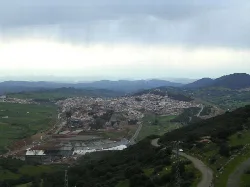
Panoramic view of Almadén from the hermitage with mountains and green fields.
AlmadénCiudad Real

What can you tell me about the Virgen del Castillo hermitage?

The Virgen del Castillo hermitage offers stunning views of Almadén and the surrounding landscape. It is a significant religious site for locals and a popular spot for visitors seeking picturesque scenery. The hermitage is situated on a hill, providing an excellent vantage point to appreciate the town's historical architecture and natural beauty.

Virgen del Castillo For visitors ›

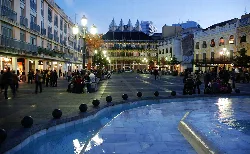
Ciudad Real's Plaza Mayor with people and lit buildings at sunset.
Ciudad RealCiudad Real

What can I see in Plaza Mayor de Ciudad Real?

Plaza Mayor is the central square of Ciudad Real, known for its vibrant atmosphere, especially during the evening. It features a mix of historic and modern architecture, shops, and restaurants, making it a popular gathering place for both locals and visitors. The square often hosts events and activities, providing a lively backdrop for socializing and enjoying the local culture.

Plaza Mayor For visitors ›

Ciudad RealCiudad Real

What historical landmarks should I visit in Ciudad Real?

In Ciudad Real, notable historical landmarks include the Iglesia de San Pedro, the remnants of the ancient city wall, and the Puerta de Toledo, a significant entry point from the medieval period. Each site offers insight into the city's rich history and architectural heritage, making them must-see attractions for history enthusiasts.

For visitors ›

Parish church with bell tower and red tiled roof in Campo de Criptana.
Campo de CriptanaCiudad Real

Can you tell me about the Iglesia de Nuestra Señora de la Asunción?

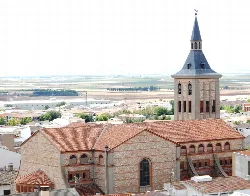
The Iglesia de Nuestra Señora de la Asunción is a modern church that opened in 1958. It was built on the site of a 16th-century church that was destroyed during the Spanish Civil War in 1936. The new structure reflects contemporary architectural styles while honoring its historical roots.

Iglesia de Nuestra Señora de la Asunción For visitors ›

Campo de CriptanaCiudad Real

What can you tell me about the Pósito (granary) in Campo de Criptana?

The Pósito, or granary, in Campo de Criptana dates back to the 16th century and was used for storing grain. It was renovated by Charles III and served as a vital resource for local farmers. After falling into disuse, it was restored in 1991 and now functions as a town museum, hosting cultural activities.

Pósito For visitors ›

Sculpture of a nude woman in a park with trees and bushes.
Campo de CriptanaCiudad Real

What is the significance of the Monumento a Sara Montiel?

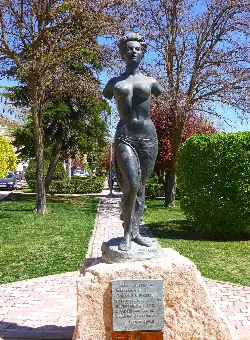
The Monumento a Sara Montiel honors the famous actress born in Campo de Criptana. This statue celebrates her contributions to cinema and culture, reflecting the town's pride in its notable residents. It's a popular spot for visitors who wish to pay tribute to her legacy.

Monumento a Sara Montiel For visitors ›

Stone facade and bell tower of the church in Campo de Criptana.
Campo de CriptanaCiudad Real

What is the architectural style of the Iglesia del Convento de los Carmelitas Descalzos?

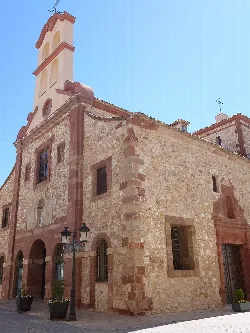
The Iglesia del Convento de los Carmelitas Descalzos features an architectural style influenced by the Jesuit model, reflecting the renovations made in the 18th century. It has a distinctive transept with a cupola crowned by a lantern, showcasing the blend of religious and historical significance in its design.

Iglesia del Convento de los Carmelitas Descalzos For visitors ›

Alcázar de San JuanCiudad Real

What are the famous landmarks in Alcázar de San Juan?

Alcázar de San Juan is known for several landmarks, including the historic Torreón del Gran Prior, which showcases its medieval past. The town also features beautiful churches like Santa María la Mayor and the convent of San Francisco de Asís, reflecting its rich architectural heritage.

For visitors ›

White windmills with blades in an open field.
Alcázar de San JuanCiudad Real

What can you tell me about the windmills in Alcázar de San Juan?

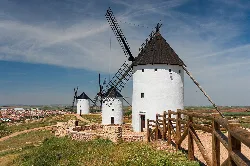
The windmills near Alcázar de San Juan are iconic structures that symbolize the region's agricultural heritage. They are reminiscent of the famous windmills depicted in Cervantes' 'Don Quixote' and attract visitors interested in history and picturesque landscapes, offering stunning views of the surrounding area.

windmills For visitors ›

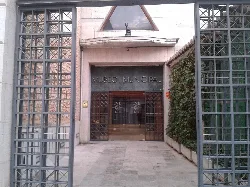
Entrance with metal gates and greenery at the Municipal Museum of Valdepeñas.
ValdepeñasCiudad Real

What can I see at the Museo Municipal in Valdepeñas?

The Museo Municipal features a collection of local art and historical artifacts. It showcases works by the painter Gregorio Prieto, who is known for his depictions of traditional Manchego architecture, particularly windmills. The museum aims to preserve the cultural heritage of the region.

Museo Municipal For visitors ›

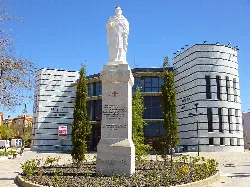
Theatre and monument in a square in Valdepeñas, with trees and a blue sky.
ValdepeñasCiudad Real

What is the significance of the Teatro-Auditorio Francisco Nieva?

The Teatro-Auditorio Francisco Nieva is a cultural landmark in Valdepeñas, named after the renowned playwright. It hosts various performances and events, making it a central hub for the arts in the city. The adjacent monument to San Juan Bautista adds historical value to the site.

Teatro-Auditorio Francisco Nieva For visitors ›

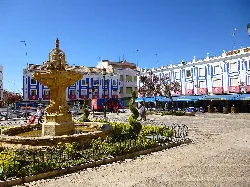
Fountain in the Plaza de España with blue and white buildings.
ValdepeñasCiudad Real

What is the Plaza de España like in Valdepeñas?

Plaza de España serves as the heart of Valdepeñas, surrounded by vibrant buildings and local shops. The square features a beautiful fountain and is a popular gathering place for residents and visitors alike, often hosting events and celebrations throughout the year.

Plaza de España For visitors ›

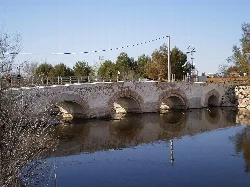
Stone bridge with five arches over the Záncara river in Pedro Muñoz.
Pedro MuñozCiudad Real

What can you tell me about the San Miguel Bridge in Pedro Muñoz?

San Miguel Bridge crosses the Záncara River and has been recently restored. It features greenways on both banks, enhancing the area for visitors. Historically, in the Middle Ages, shepherds were taxed for crossing the bridge, paying two head of sheep per shepherd. It's a significant landmark reflecting the town's history and connection to the surrounding landscape.

San Miguel Bridge For visitors ›

Pedro MuñozCiudad Real

What kind of architecture can I find in Pedro Muñoz?

Pedro Muñoz features a mix of architectural styles, including Renaissance and Baroque influences, particularly in its churches and manor houses. Notable structures include the Church of St. Peter the Apostle and various historic mansions, reflecting the town's rich cultural heritage and historical significance.

For visitors ›