Sights

3,246 questions

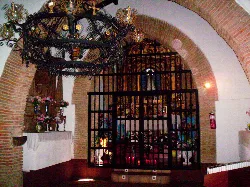
View of the hermitage interior with decorated altar and black grille.
ChillónCiudad Real

Can you tell me about the Ermita de la Virgen del Castillo?

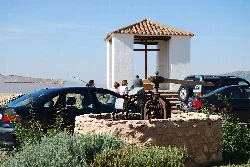
The Ermita de la Virgen del Castillo is located on a hill in the Sierra de la Virgen. It was built on the ruins of an Arab castle and features a fortified plaza. The site is not only a place of worship but also offers panoramic views of the surrounding landscape, making it a popular spot for both locals and visitors.
Ermita de la Virgen del Castillo For visitors ›

ChillónCiudad Real

What is the significance of the Iglesia de San Juan Bautista?

The Iglesia de San Juan Bautista is a significant cultural landmark in Chillón, built in the 16th century. It features impressive Gothic murals depicting scenes from the Passion of Christ and a beautifully crafted Mudéjar ceiling. The church is also a designated cultural heritage site, reflecting the town's historical importance.

Iglesia de San Juan Bautista For visitors ›

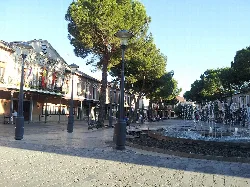
Square with trees, fountain, and buildings in Daimiel
DaimielCiudad Real

What can you tell me about the Plaza de España in Daimiel?

Plaza de España is a central square in Daimiel, featuring the Ayuntamiento (town hall) and a millenary olive tree. It's a popular spot for locals and visitors alike, often serving as a gathering place for events and social activities. The square reflects the town's charm and is surrounded by shops and cafes, making it a pleasant area to explore.

Plaza de España For visitors ›

DaimielCiudad Real

What architectural styles can be seen in the church of Santa María la Mayor?

The church of Santa María la Mayor showcases a mix of architectural styles, primarily Gothic from the 14th century, with later modifications by the Order of Calatrava. Its notable features include a fortified structure, a variety of doors with different arch styles, and a richly decorated interior, reflecting the historical significance of the site.

Santa María la Mayor For visitors ›

PiedrabuenaCiudad Real

What is the architecture like in Piedrabuena?

Piedrabuena features a mix of historical and modern architecture. Notable structures include the Ermita del Santísimo Cristo de la Antigua and the ruins of the Castillo de Miraflores. The town's layout includes traditional street patterns and charming plazas, reflecting its historical roots.

For visitors ›

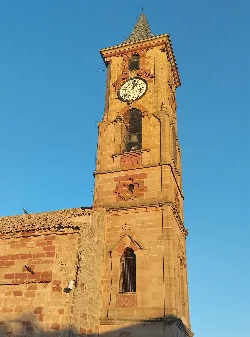
Church tower with clock and bell in Montiel.
MontielCiudad Real

What can you tell me about the Torre de la iglesia de San Sebastián in Montiel?

The Torre de la iglesia de San Sebastián is a notable landmark in Montiel. Originally a hermitage, it was transformed into a church in 1440, with its inauguration in 1474. The tower, which showcases Italian Renaissance influences, was reconstructed in the early 20th century after a collapse in 1895. It features a single nave with six chapels, with the most significant dedicated to the Virgen de las Nieves.

Torre de la iglesia de San Sebastián For visitors ›

View of Montiel town with castle on hills and restoration activities.
MontielCiudad Real

Is there a notable castle in Montiel?

Yes, the Castillo de la Estrella is a significant historical site in Montiel. Originally built in the 10th century by Muslims, it was later captured by Christians in 1227. The castle is famous for its role in the Battle of Montiel and is currently under restoration by the local government, recognized as a cultural heritage site.

Castillo de la Estrella For visitors ›

Facade of the Church of San José in Malagón with bricks and stone.
MalagónCiudad Real

What is the Iglesia de San José in Malagón known for?

The Iglesia de San José is notable for being constructed by Santa Teresa de Jesús. This church reflects the historical and cultural significance of the area, showcasing religious architecture that is integral to Malagón's heritage.

Iglesia de San José For visitors ›

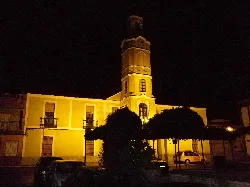
Town hall building with tower and trees at night.
MalagónCiudad Real

What can I find at Plaza del Ayuntamiento in Malagón?

Plaza del Ayuntamiento is a central square in Malagón, often serving as a social hub for residents. It features charming architecture and is a great place to experience local life, including events and gatherings.

Plaza del Ayuntamiento For visitors ›

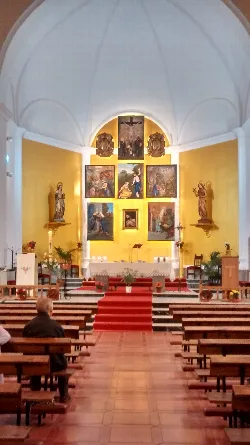
View of the interior of a church with altar and religious paintings in the background.
MalagónCiudad Real

What is the significance of the Santa María Magdalena church in Malagón?

The Santa María Magdalena church is an important religious site in Malagón, known for its historical and architectural value. It represents the town's cultural heritage and is a place of worship for the local community.

Iglesia Santa María Magdalena For visitors ›

Cross of Cristo in the village El Cristo del Espiritu Santo with cars and shrine.
MalagónCiudad Real

What is the Cruz del Cristo del Espíritu Santo?

The Cruz del Cristo del Espíritu Santo is a notable landmark in Malagón, symbolizing the area's religious heritage. It serves as a point of interest for both locals and visitors, often associated with local traditions and events.

Cruz del Cristo del Espíritu Santo For visitors ›

Castle with towers and walls in a park with trees and grass.
Bolaños de CalatravaCiudad Real

What can I see at Castillo de Bolaños?

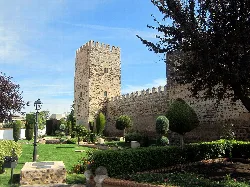
Castillo de Bolaños, a fortress built between the 10th and 11th centuries, features remnants of Arab baths and walls. It has two towers and a large courtyard. The castle served as a military stronghold and later as a cultural venue. Today, visitors can explore its historical significance and enjoy events held within its grounds.

Castillo de Bolaños For visitors ›

Rooftops and clock tower in Bolaños de Calatrava
Bolaños de CalatravaCiudad Real

What is the Torre del reloj in Bolaños?

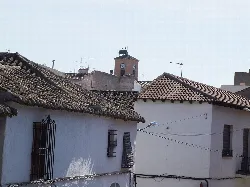
The Torre del reloj is part of the Iglesia de San Felipe y Santiago, a Renaissance-style church built in the 16th century. The clock tower is a prominent feature of the church and serves as a landmark in the town, reflecting its historical and architectural significance.

Torre del reloj For visitors ›

Bolaños de CalatravaCiudad Real

What is the architectural style of the Iglesia de San Felipe y Santiago?

The Iglesia de San Felipe y Santiago showcases a transition from Gothic to Renaissance architecture. It features a single nave with star-shaped vaults, several chapels, and a notable baptismal font from the 16th century. Its design reflects the historical evolution of religious architecture in the region.

Iglesia de San Felipe y Santiago For visitors ›

Church in Pozuelo de Calatrava with trees and benches in the square.
Pozuelo de CalatravaCiudad Real

What can you tell me about the Iglesia de San Juan Bautista in Pozuelo de Calatrava?

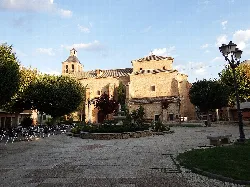
The Iglesia de San Juan Bautista, built in the 17th century, is a significant cultural monument in Pozuelo de Calatrava. It features a basilical layout with a single nave and a polygonal apse, showcasing a Baroque style. The church is made of quality materials, including cuarcita stone, and is reinforced with numerous buttresses. Its interior includes a beautiful unpainted Baroque altar and several notable altars dedicated to saints.

Iglesia de San Juan Bautista For visitors ›

MiguelturraCiudad Real

What are the main attractions in Miguelturra?

Miguelturra boasts several attractions, including the Iglesia de Nuestra Señora de la Asunción, known for its beautiful Gothic and Baroque elements, and the Ermita del Santísimo Cristo, notable for its unique circular design. The town also features several parks, such as Parque Doctor Fleming and Plaza de la Constitución, which are perfect for relaxation and community events.

For visitors ›

MiguelturraCiudad Real

What can you tell me about the Ermita del Santísimo Cristo?

The Ermita del Santísimo Cristo, completed in 1815, is a notable neoclassical church in Miguelturra. Its circular design and prominent dome make it a distinctive landmark. Inside, it features four chapels and a beautiful main altarpiece, showcasing the rich religious heritage of the area.

Ermita del Santísimo Cristo For visitors ›

Columns in Herencia's plaza with buildings and trees in the background.
HerenciaCiudad Real

What can I see in Plaza de España?

Plaza de España is the main square in Herencia, surrounded by charming architecture, including the Iglesia de la Inmaculada Concepción. The square is a vibrant social hub where locals gather, and it often hosts events and celebrations. The area is ideal for leisurely strolls, enjoying the scenery, or relaxing at one of the nearby cafés.

Plaza de España For visitors ›

HerenciaCiudad Real

What is La Copa in Herencia?

La Copa is a notable water reservoir located about 5 km from the town center, designed in 1934 to improve water quality for residents. Its unique design resembles a chalice, reflecting its purpose. This structure has become a significant symbol of Herencia, representing the community's historical efforts to secure clean water.

La Copa For visitors ›

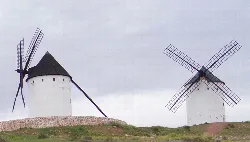
Two windmills on a cloudy landscape.
Argamasilla de AlbaCiudad Real

What are the famous windmills in Argamasilla de Alba?

The windmills in Argamasilla de Alba are iconic structures that reflect the region's rich agricultural history. They are reminiscent of those described in Cervantes' 'Don Quixote', symbolizing the traditional landscape of La Mancha. These windmills, with their distinctive whitewashed walls and large sails, are popular among visitors for their picturesque beauty and historical significance.

For visitors ›

Argamasilla de AlbaCiudad Real

What is the Iglesia de San Juan Bautista like?

The Iglesia de San Juan Bautista is an important historical church in Argamasilla de Alba. Its construction began in 1542 and continued over the centuries, showcasing various architectural styles. The church features a notable altarpiece and is home to a painting linked to Cervantes, enhancing its cultural significance in the town.

Iglesia de San Juan Bautista For visitors ›

Argamasilla de AlbaCiudad Real

What is the Casa del Bachiller Sansón Carrasco?

The Casa del Bachiller Sansón Carrasco is a traditional Manchegan house associated with the character from 'Don Quixote'. Located in Argamasilla de Alba, it is currently in a state of disrepair, but efforts are underway by the local government to restore it and make it accessible to visitors, highlighting its literary significance.

Casa del Bachiller Sansón Carrasco For visitors ›

AgudoCiudad Real

What is the significance of the Iglesia de San Benito Abad?

The Iglesia de San Benito Abad, built in the 16th century, features a single nave and a polygonal apse. Its design includes a barrel vault with lunettes and six arches, showcasing late Gothic architecture with later 19th-century renovations, reflecting its historical and cultural importance.

Iglesia de San Benito Abad For visitors ›

AgudoCiudad Real

What is the significance of the Ermita de San Blas?

The Ermita de San Blas is located on a plateau, offering exceptional views of the surrounding landscape, including nearby towns. Its elevated position makes it a notable landmark in Agudo, reflecting the area's cultural and historical heritage.

Ermita de San Blas For visitors ›