Sights

3,246 questions

CrevillentAlicante

What is the significance of the Museo de la Semana Santa in Crevillent?

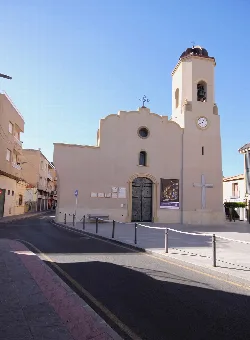
The Museo de la Semana Santa is one of Spain's most important museums dedicated to Holy Week. It showcases a chronological display of religious art, including works by renowned artists like Mariano Benlliure. The museum enhances the cultural understanding of the local traditions and the artistic heritage of Crevillent.
Museo de la Semana Santa For visitors ›

CrevillentAlicante

What can I see at the Museo Arqueológico Municipal de Crevillente?

The Museo Arqueológico Municipal of Crevillente exhibits artifacts from various historical periods, including prehistoric, Iberian, Roman, and Muslim cultures. It provides valuable insights into the region's rich archaeological heritage and the diverse civilizations that have influenced Crevillent throughout history.

Museo Arqueológico Municipal For visitors ›

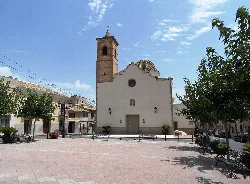
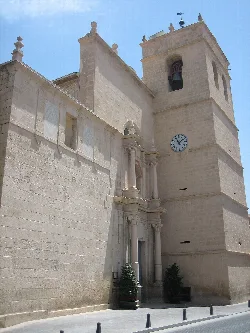
Facade of the church with bell tower and clock in Muchamiel.
MutxamelAlicante

What can I see at the Iglesia de El Salvador?

The Iglesia de El Salvador, constructed in the 16th century, features a neoclassical style with a compact cross-shaped layout. It has a striking blue cobalto dome and houses an ancient Gothic chapel dedicated to the Virgin of Loreto. The church's bell tower, originally built for defense, stands at 23.5 meters and adds historical significance to the site.

Iglesia de El Salvador For visitors ›

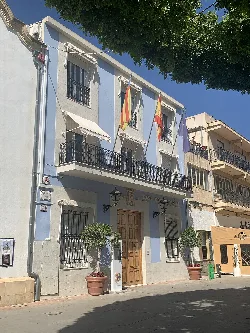
Cox town hall building with flags on the facade.
CoxAlicante

How is the town hall of Cox characterized?

The town hall of Cox is a notable building, characterized by its blue facade and traditional Spanish architectural elements. It serves as the administrative center of the municipality and is a focal point for local governance and community events, reflecting the town's civic pride.

Cox town hall For visitors ›

CoxAlicante

What can I find at the Museo Villa de Cox?

The Museo Villa de Cox is located in the cultural center of the town. It showcases various curiosities related to Cox's history, including photographs, ancient artifacts, and tools used in local agriculture. The museum offers insights into the town's cultural and historical heritage, making it a worthwhile visit.

Museo Villa de Cox For visitors ›

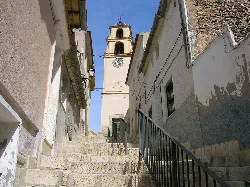
Clock tower of Monóvar on a steep street with stairs.
MonòverAlicante

What is the Torre del Reloj de Monovar?

The Torre del Reloj, or Clock Tower, is a notable landmark in Monòver, serving as a symbol of the town. It is situated in a picturesque area, making it a popular spot for visitors. The tower features a clock that has been a part of the town's history, marking the passage of time for its residents. Its architectural style reflects the historical influences of the region.

Torre del Reloj de Monovar For visitors ›

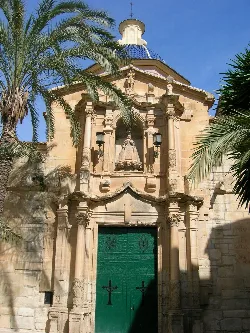
Facade of a church with columns, statues, and a green door.
MonòverAlicante

Can you tell me about the Iglesia de San Juan Bautista?

The Iglesia de San Juan Bautista is a prominent church in Monòver, known for its Baroque architecture with Neoclassical influences. Construction began on April 19, 1751. It features two towers, one of which remains unfinished, and has a beautifully decorated interior, including a significant organ from 1771. This church is a key religious site for the local community.

Iglesia de San Juan Bautista For visitors ›

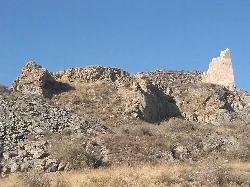
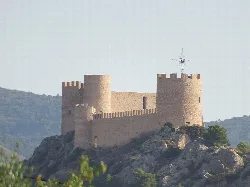
Castle on a hilltop with blue sky in Monóvar, Alicante.
MonòverAlicante

What is the significance of the Castillo de Monóvar?

The Castillo de Monóvar, or Monòver Castle, is a historical site that offers insight into the town's medieval past. Located on a hill, it provides panoramic views of the surrounding area. The castle's ruins tell the story of the strategic importance of Monòver during various historical conflicts, making it a fascinating site for history enthusiasts.

Castillo de Monóvar For visitors ›

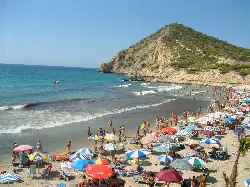
Beach with umbrellas, swimmers, and a green hill in Finestrat.
FinestratAlicante

What is the significance of the Cala de Finestrat?

The Cala de Finestrat is notable for being one of the smallest coastal areas in Spain, offering a picturesque beach that attracts both locals and tourists. It borders the municipalities of Villajoyosa and Benidorm, making it a popular spot for relaxation and enjoyment of the Mediterranean sea.

Cala de Finestrat For visitors ›

FinestratAlicante

What are the main features of the town's historical center?

Finestrat's historical center is characterized by traditional houses built on the hillside, with narrow, winding streets that reflect its Moorish origins. Key landmarks include the church of Sant Bertomeu and the Plaza del Pueblo, which features a mural created by local art students, enhancing the town's cultural vibe.

For visitors ›

View of a castle on a hill with towers and stone walls.
CastallaAlicante

What can I see at the Castillo de Castalla?

The Castillo de Castalla, built between the 11th and 16th centuries, features a Palau, Pati d'Armes, and the Torre Grossa. It has a rich history, having served as a strategic fortress. The castle underwent restoration from 2003 to 2006, making it a significant cultural heritage site today, offering various activities and stunning views of the surrounding area.

Castillo de Castalla For visitors ›

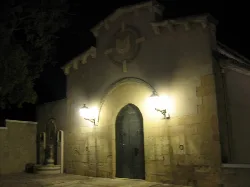
Blood Hermitage in Castalla, with door and street lamps lighting up the facade.
CastallaAlicante

What is the Ermita de la Sangre like?

The Ermita de la Sangre is a primitive Gothic-style church built in the late 13th century. It features a single nave with large pointed arches and side chapels. The ceiling is crafted in wood, and it underwent an expansion in 1436 due to population growth. This site was the main church until the 16th century, when it became the seat of the Cofradía de la Sangre.

Ermita de la Sangre For visitors ›

Callosa de SeguraAlicante

What is the significance of the Santuario de San Roque?

The Santuario de San Roque is a vital part of Callosa's identity, located at the village's highest point. Completed in 1798, it features colonial architecture and is the site of a significant pilgrimage every August 16. The sanctuary houses the 'Puerta del Santo,' an oil painting depicting the door where San Roque is said to have appeared, attracting many devotees throughout the year.

Santuario de San Roque For visitors ›

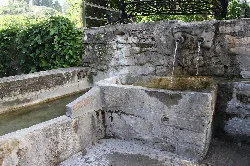
Stone fountain with two water spouts in Planes, Alicante.
PlanesAlicante

What can I see at the Font Nova in Planes?

Font Nova is an ancient water source located next to an aqueduct, still in use today. It supplies water to a nearby washhouse, which has been operational since at least the 13th century. Visitors can admire its historical architecture and the surrounding natural beauty, making it a serene spot to explore.

Font Nova For visitors ›

PlanesAlicante

What is the significance of the Ermita del Santo Cristo de Planes?

The Ermita del Santo Cristo de Planes is located on a hill and is known for offering some of the best views in the region. It features a children's park and picnic areas, making it a great spot for families. Access may require consultation with local residents or the parish priest.

Ermita del Santo Cristo de Planes For visitors ›

PlanesAlicante

What are the main historical landmarks in Planes?

Key historical landmarks in Planes include the Castillo de Planes, which has both Muslim and feudal architecture, and the Iglesia parroquial Santa María de la Asunción, built over an old mosque. The Font Nova and the ancient washhouse are also notable sites reflecting the town's history.

For visitors ›

San Antonio Abad church in Plaza España, Salinas.
SalinasAlicante

What can you tell me about the Iglesia de San Antonio Abad in Salinas?

The Iglesia de San Antonio Abad, constructed in the late 18th century, features a unique blend of Baroque and Neoclassical styles. Its construction began after the town's relocation following a major flood in 1751. The church houses a single nave with side chapels and a central dome. Notably, the original bell tower was demolished in 1905 and rebuilt in 1922.

Iglesia de San Antonio Abad For visitors ›

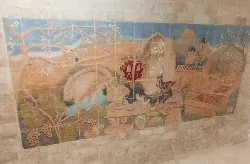
Ceramic mural showing farming, pottery, and town views in Agost.
AgostAlicante

What is the mural in Agost about?

The mural in Agost showcases the town's rich agricultural heritage, depicting the cultivation of grapes and almonds, traditional pottery, and a typical village view. It serves as a reminder of the community's historical connection to agriculture and craftsmanship, celebrating local culture and traditions.

mural For visitors ›

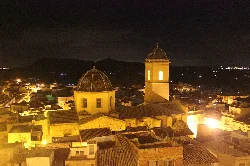
Night view of the church and town of Agost illuminated from the castle.
AgostAlicante

What is the significance of the Iglesia de San Pedro in Agost?

The Iglesia de San Pedro, built in the 16th century, is a central landmark in Agost. It reflects the town's historical and architectural heritage, showcasing elements of Baroque and Neoclassical styles. The church serves as a focal point for community gatherings and religious events, embodying the town's cultural identity.

Iglesia de San Pedro For visitors ›

CocentainaAlicante

What are the main attractions in Cocentaina?

Cocentaina boasts several notable attractions, including the Palacio Condal, a gothic-renascence building, and the Castillo de Cocentaina, a medieval fortress. The town is also home to the Iglesia de Santa María, known for its stunning architecture, and the historic Arrabal, an ancient Arab quarter with narrow, winding streets. Additionally, the area features beautiful natural landscapes, especially within the Sierra Mariola Natural Park.

For visitors ›

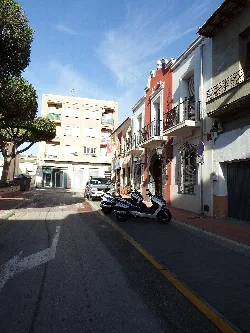
Buildings with balconies and parked scooters on the street in San Fulgencio.
San FulgencioAlicante

What is the significance of the Museo Arqueológico in San Fulgencio?

The Museo Arqueológico in San Fulgencio showcases important archaeological finds, including Iberian and Greek ceramics. It reflects the town's rich historical heritage and offers insights into the ancient civilizations that once inhabited the region, making it a key site for history enthusiasts.

Museo Arqueológico For visitors ›

PetrerAlicante

What can I find in the Plaza de Baix?

Plaza de Baix is located in the heart of Petrer and features a beautiful alameda. It is home to the Ayuntamiento and the historic Iglesia de San Bartolomé. The plaza serves as a central gathering place for locals and hosts various community events, making it a lively spot to experience the town's culture.

Plaza de Baix For visitors ›

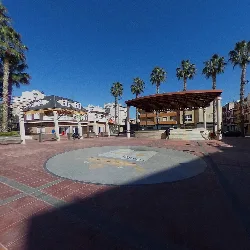
Music kiosk in Plaza de España in Rafal with palm trees and buildings.
RafalAlicante

What is the Templete de música in Rafal?

The Templete de música is a charming music pavilion located in Plaza de España, serving as a cultural hub for performances and gatherings. It's a lovely spot to relax and enjoy local events, showcasing the community's vibrant spirit.

Templete de música For visitors ›

White church with tower and clock in Rafal, Alicante.
RafalAlicante

Is there a church in Rafal?

Yes, Rafal features a notable church, which reflects the town's historical architecture. It has undergone several phases of construction, with the first phase completed in 1640, showcasing the town's deep-rooted religious heritage.

Iglesia For visitors ›