Sights

3,246 questions

CoínMálaga

What are the Cuevas Rupestres in Coín?

The Cuevas Rupestres are remarkable rock-excavated structures believed to date back to the 9th century. They are thought to have served as a suburban monastery and reflect the area's historical significance. These caves are a fascinating site for those interested in Coín's ancient past.
Cuevas Rupestres For visitors ›

OjénMálaga

What are the main attractions in Ojén?

Ojén is known for its beautiful white buildings and stunning natural surroundings. Key attractions include the Museo del Molino, the Mirador del Macho Montés, and the area around the Refugio de Juanar. Visitors can also enjoy the scenic hiking trails of the Gran Senda de Málaga, which connect Ojén to nearby towns.

For visitors ›

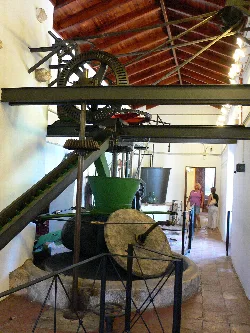
Vintage olive oil mill machinery inside a museum in Ojén.
OjénMálaga

What is the significance of the Museo del Molino in Ojén?

The Museo del Molino in Ojén showcases the town's agricultural heritage, particularly its olive oil production. The museum features traditional milling equipment and offers insights into the historical processes of oil extraction, reflecting the local culture and economy.

Museo del Molino For visitors ›

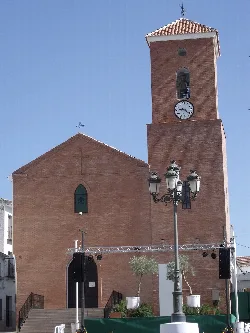
Facade of the parish church with tower and clock in Villanueva de Tapia.
Villanueva de TapiaMálaga

What can you tell me about the church in Villanueva de Tapia?

The church in Villanueva de Tapia, known as the iglesia parroquial, features a distinctive brick facade and a prominent clock tower. It serves as a central place of worship and community gatherings, reflecting the town's cultural and religious heritage.

iglesia parroquial For visitors ›

AlfarnateMálaga

What are the main attractions to see in Alfarnate?

Alfarnate boasts beautiful natural scenery surrounded by the Sierras of Enmedio, Palomera, and Jobo. Visitors can explore the charming village center, notable for its traditional architecture, and enjoy local festivals like the Feria de San Antonio in June and the Fiesta in September, which features the procession of the Virgen de Monsalud.

For visitors ›

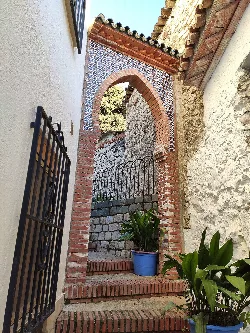
Brick and tile archway in Alfarnate with potted plants
AlfarnateMálaga

What can you tell me about the Callejón Fortuna?

Callejón Fortuna is a picturesque alleyway in Alfarnate that leads to Calle Comandante Frías. This charming passageway showcases the traditional architecture of the village and offers a glimpse into the local lifestyle, making it a lovely spot for visitors to explore.

Callejón Fortuna For visitors ›

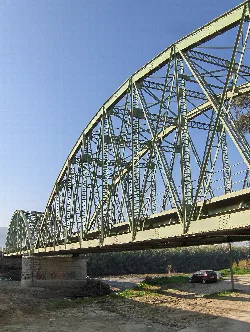
Metal bridge with arch and truss structure over the river.
CártamaMálaga

What is the significance of the Puente de Cártama?

The Puente de Cártama, constructed in 1928 by Rafael Benjumea, spans the Guadalhorce River. It serves as an important infrastructure piece in the region, facilitating transportation and connecting communities. Its design is a notable example of early 20th-century engineering in Andalusia.

Puente de Cártama For visitors ›

CártamaMálaga

What are the notable landmarks in Cártama?

Cártama features several landmarks, including the Ermita de Nuestra Señora de los Remedios and the Puente de Cártama. These sites reflect the town's historical and cultural significance, attracting both residents and visitors interested in its heritage.

For visitors ›

FrigilianaMálaga

What is Frigiliana known for?

Frigiliana is renowned for its picturesque whitewashed buildings and charming narrow streets, making it one of the most beautiful villages in Spain. It was the first municipality in Málaga to receive accreditation from the association 'Los Pueblos Más Bonitos de España' in 2015. The town is also famous for its production of caña honey, a unique local delicacy.

For visitors ›

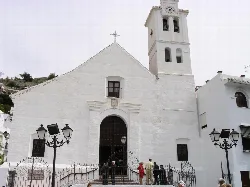
White facade of San Antonio Church in Frigiliana with tower and large door.
FrigilianaMálaga

What can you tell me about the San Antonio Church?

The San Antonio Church, built in 1676, is a notable landmark in Frigiliana. It features a Renaissance style and has a Latin cross layout with three large naves. The church is significant for its historical value and serves as a central place of worship for the community, reflecting the town's rich cultural heritage.

San Antonio Church For visitors ›

Rincón de la VictoriaMálaga

What are the main attractions in Rincón de la Victoria?

Rincón de la Victoria is known for its beautiful beaches, such as Playa de Rincón, and historical sites like the Castillo de Bezmiliana and the Torre de El Cantal. The area also features the Cueva del Tesoro, a unique underwater cave, and the Parque Arqueológico del Mediterráneo, which showcases the region's archaeological heritage.

For visitors ›

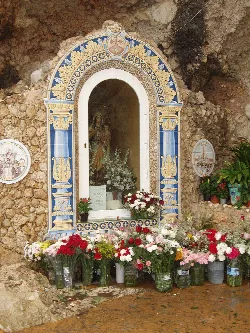
A shrine with a statue of the Virgin of Carmen in a decorated niche with flowers and tiles.
Rincón de la VictoriaMálaga

What is the significance of the Santuario de la Virgen del Carmen?

The Santuario de la Virgen del Carmen is a local religious site dedicated to the Virgin of Carmen, a significant figure in maritime culture. It serves as a place of worship and pilgrimage, reflecting the town's fishing heritage and the devotion of its residents to the patron saint of sailors.

Santuario de la Virgen del Carmen For visitors ›

Church facade with sculpture and wooden arch in Arriate.
ArriateMálaga

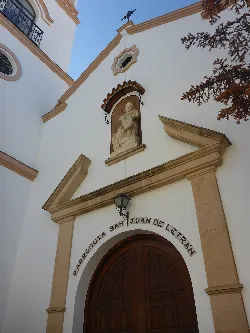
What is the significance of the Iglesia de San Juan de Letrán?

The Iglesia de San Juan de Letrán, dating back to the 17th century, showcases Mudéjar carpentry attributed to Francisco Hernández and Andrés Valverde. It has faced destruction during the Spanish Civil War, losing many of its altars and images, making its preservation a testament to local history.

Iglesia de San Juan de Letrán For visitors ›

ArchidonaMálaga

What is the Plaza Ochavada in Archidona?

The Plaza Ochavada is a notable square in Archidona, recognized for its unique octagonal shape and beautiful arcades. Built in 1786, it exemplifies Andalusian Baroque urbanism. The square serves as a central gathering place and is surrounded by charming streets, making it a must-visit site for anyone exploring the town.

Plaza Ochavada For visitors ›

View of Vega de Archidona with mountains and houses in the foreground.
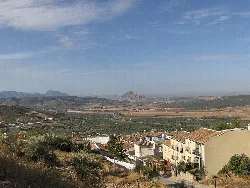
ArchidonaMálaga

What is the significance of the Peña de los Enamorados?

The Peña de los Enamorados is a prominent mountain near Archidona, known for its distinct shape resembling a sleeping lover. It holds cultural significance and is often associated with local legends. The mountain offers stunning views of the surrounding landscape, making it a popular spot for hiking and photography.

Peña de los Enamorados For visitors ›

ArchidonaMálaga

What is the architecture like in Archidona?

Archidona features a mix of architectural styles, with notable examples from the Baroque period, such as the Plaza Ochavada and the Church of Santa Ana. The town's historical buildings reflect its rich past, including remnants of the castle and defensive walls from the 9th century. The narrow, winding streets add to its picturesque charm.

For visitors ›

White church with tower in Alozaina, Málaga.
AlozainaMálaga

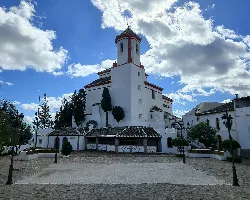
What can you tell me about the Church of Santa Ana in Alozaina?

The Church of Santa Ana is a prominent architectural feature in Alozaina, showcasing a blend of styles from its construction starting in the 16th century. It features a Latin cross layout and a wooden ceiling, with a striking red brick facade and a square base that transitions to an octagonal bell tower.

Iglesia de Santa Ana For visitors ›

AlozainaMálaga

Are there any historical sites to visit in Alozaina?

Yes, Alozaina is home to several historical sites, including the remnants of the María Sagredo Tower and the Church of Santa Ana. The town's architecture reflects its rich history, with influences from various eras, including Roman and Moorish periods, making it a fascinating place to explore.

For visitors ›

TebaMálaga

What historical sites should I visit in Teba?

When in Teba, you should visit the Castillo de la Estrella and the Baroque church of Santa Cruz Real, built between 1699 and 1715. Additionally, the remains of the Convento de San Francisco, though only its facade remains, offer a glimpse into the town's religious history. Each site reflects Teba's rich cultural heritage.

For visitors ›

View of white houses and hilltop castle in Teba.
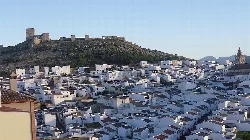
TebaMálaga

What is the architecture like in Teba?

Teba features traditional Andalusian architecture, characterized by whitewashed houses, noble residences, and palatial structures. The urban layout is dominated by the historic Castillo de la Estrella and a Baroque church, creating a picturesque blend of historical and cultural elements in the town's landscape.

For visitors ›

Diving person in the public pool of Almargen, Málaga.
AlmargenMálaga

What is the public swimming pool like in Almargen?

The public swimming pool in Almargen is unique as it is filled with saltwater sourced from the local river, known as the río Almargen. This feature attracts many visitors, especially during the summer months. The pool area is popular for relaxation and social gatherings among residents and tourists alike.

public swimming pool For visitors ›

CasabermejaMálaga

What is the significance of the Torre Zambra?

Torre Zambra is a watchtower from the 12th century that offers stunning panoramic views over 50 km, including sights of Málaga and, on clear days, even Africa. This historical site serves as a reminder of the region's strategic importance during the medieval period.

Torre Zambra For visitors ›

Path with white graves and blue sky in Casabermeja, Málaga.
CasabermejaMálaga

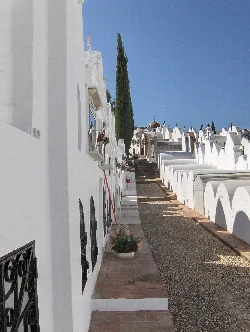
What is the cemetery in Casabermeja like?

The municipal cemetery of San Sebastián is unique, designed to resemble a small independent village with its own streets and squares. The niches look like small houses, allowing for personal touches like photographs and flowers. It is recognized as a cultural heritage site due to its distinctive architectural style.

Cementerio municipal de San Sebastián For visitors ›

AlgatocínMálaga

What is Algatocín known for?

Algatocín is known for its picturesque location in the Valle del Genal, characterized by steep hills and lush vegetation. The town features a rich history dating back to the Bronze Age, with evidence of early human settlement. It also hosts traditional festivals and has a strong agricultural economy, particularly in chestnuts and livestock.

For visitors ›