Sights

3,246 questions

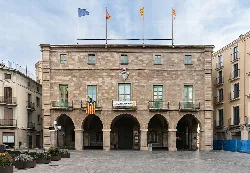
Stone building with arches and flags on the roof, in Manresa, Catalonia.
ManresaBarcelona

What can you tell me about the Town Hall of Manresa?

The Town Hall of Manresa is a historic building located in the city center. It showcases a blend of architectural styles typical of the 18th century. The building serves as the seat of the local government and is a significant landmark in the city, reflecting its administrative importance throughout history.
Town Hall of Manresa For visitors ›

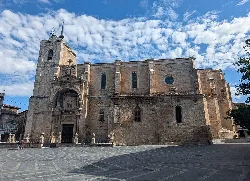
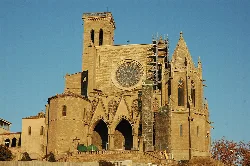
Gothic cathedral of Manresa with rose window and tall towers.
ManresaBarcelona

What is La Seo in Manresa?

La Seo, or the Collegiate Church of Santa María, is a prominent Gothic-style church in Manresa. It features stunning architecture and historical significance, serving as a key religious site in the city. The church is known for its intricate design and is a popular attraction for both locals and visitors.

La Seo For visitors ›

ManresaBarcelona

What is the significance of the Cueva de San Ignacio?

The Cueva de San Ignacio is an important historical site in Manresa, known for its association with Saint Ignatius of Loyola, who spent time there in the early 16th century. This cave is now a pilgrimage site and reflects the city's spiritual heritage, attracting visitors interested in religious history.

Cueva de San Ignacio For visitors ›

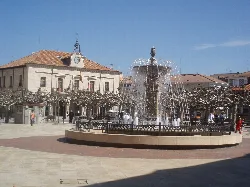
Fountain in the main square of Villarcayo with a building in the background.
Villarcayo de Merindad de Castilla la ViejaBurgos

What can I see in Plaza Mayor de Villarcayo?

Plaza Mayor de Villarcayo is a vibrant central square featuring the Casa Consistorial, which is an important municipal building. The square is known for its beautiful fountain and is surrounded by trees, making it a pleasant spot for visitors to relax and enjoy the atmosphere of the town.

Plaza Mayor de Villarcayo For visitors ›

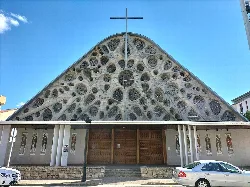
Facade of Santa Marina Church with stone design and cross in Villarcayo.
Villarcayo de Merindad de Castilla la ViejaBurgos

What is the significance of the Iglesia de Santa Marina?

The Iglesia de Santa Marina is a modern church built in 1967, designed by architect José Luis Gutiérrez Martínez. Its unique structure resembles a giant Bedouin tent and is adorned with stunning stained glass windows created by artist Luis Quico, making it a notable landmark in Villarcayo.

Iglesia de Santa Marina For visitors ›

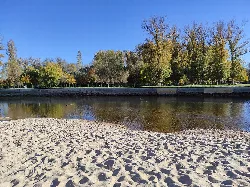
Sand beach with trees and river in the background.
Villarcayo de Merindad de Castilla la ViejaBurgos

What can you tell me about the Playa de Villarcayo?

Playa de Villarcayo is an artificial beach located along the river Nela. It is a popular spot for relaxation and leisure activities, providing a sandy area for sunbathing and swimming, making it a favorite destination during the summer months.

Playa de Villarcayo For visitors ›

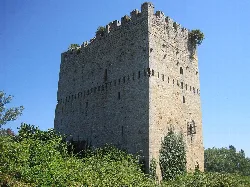
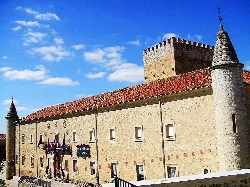
Side view of the Torre de los Velasco with stone walls and battlements.
Espinosa de los MonterosBurgos

What is the Torre de Velasco?

The Torre de Velasco is a medieval defensive structure located in Espinosa de los Monteros. It showcases Gothic architectural elements and has been preserved as a historical monument. Its significant size and design reflect the military architecture of its time.

Torre de Velasco For visitors ›

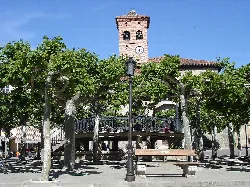
Main square with trees, bench, and clock tower in Belorado.
BeloradoBurgos

What can I see at Plaza Mayor in Belorado?

Plaza Mayor in Belorado features a charming castellano style with porticos and is a central hub for local activities. It's surrounded by trees and has a prominent clock tower, making it an ideal spot for relaxation and enjoying the atmosphere of the town. The plaza often hosts various events, contributing to its vibrant community life.

Plaza Mayor For visitors ›

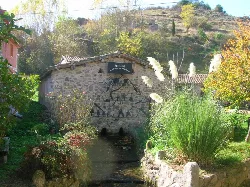
San Miguel Museum in Belorado with mural and stream in front.
BeloradoBurgos

What is the significance of the Museo de Radiocomunicación in Belorado?

The Museo de Radiocomunicación in Belorado houses one of Europe's finest collections of radio equipment, showcasing the evolution of communication technology. It includes a unique reconstruction of a World War I trench, making it an interesting visit for history and technology enthusiasts.

Museo de Radiocomunicación For visitors ›

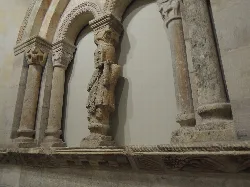
Romanesque twin window with columns and a central figure in San Miguel's tower.
Tubilla del AguaBurgos

What is the significance of the Iglesia de San Miguel?

The Iglesia de San Miguel is a Romanesque church dating back to the late 12th century. It features a notable twin window, which is an example of the architectural style of the time. Although it is now in ruins, it represents the historical and cultural heritage of Tubilla del Agua.

Iglesia de San Miguel For visitors ›

Tubilla del AguaBurgos

What is the Arco in Tubilla del Agua?

The Arco is one of the medieval entrances to Tubilla del Agua that has been preserved over the years. It serves as a historical landmark, showcasing the architectural style of the time and providing insight into the village's past as a fortified settlement.

Arco For visitors ›

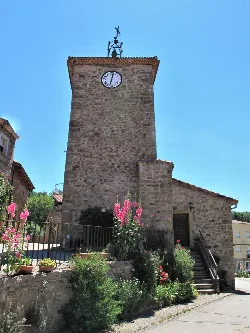
Stone clock tower with flowers and greenery in front.
Monasterio de la SierraBurgos

What can you tell me about the Torre del Reloj?

The Torre del Reloj, built in 1923, was created after a dispute between the local priest and mayor. It features a unique clock mechanism powered by two weights, one weighing 300 kg for the bells and another 100 kg for the clock itself. The design includes a single hand and has a distinctive chime pattern that marks the hours and half-hours.

Torre del Reloj For visitors ›

Stone clock tower with flowers and greenery in front.
Monasterio de la SierraBurgos

What is the architecture like in Monasterio de la Sierra?

The architecture in Monasterio de la Sierra is characterized by traditional styles, with houses often displaying protective inscriptions. The church of San Pedro features a rectangular layout with a neoclassical altarpiece. The Torre del Reloj adds a unique historical element to the village's skyline.

For visitors ›

Fresneda de la Sierra TirónBurgos

What are the main attractions in Fresneda de la Sierra Tirón?

Fresneda de la Sierra Tirón offers beautiful natural landscapes, especially in the Sierra de la Demanda. Key attractions include the Pozo Negro, a glacial lagoon known for its turquoise waters, and the historic Iglesia de la Asunción, which showcases local architecture. The village is also surrounded by hiking trails that provide stunning views of the area.

For visitors ›

RoaBurgos

What are the main attractions in Roa?

Key attractions in Roa include the Iglesia de Nuestra Señora de la Asunción, a notable ex-colegiata, and the remnants of the medieval wall built by Queen Violante. The Paseo Mirador de El Espolón offers stunning views of the Duero River valley. Additionally, the town is home to monuments dedicated to historical figures like Cardenal Cisneros and Juan Martín El Empecinado.

For visitors ›

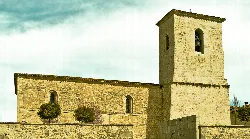
Church of Our Lady of the Assumption in Roa, with tower and stone facade.
RoaBurgos

What is the significance of the Iglesia de Nuestra Señora de la Asunción?

The Iglesia de Nuestra Señora de la Asunción is a prominent church in Roa, recognized as an ex-colegiata. It serves as the parish church and is part of the historical heritage of the town. Its architecture and historical significance make it a key site for visitors interested in Roa's cultural and religious history.

Iglesia de Nuestra Señora de la Asunción For visitors ›

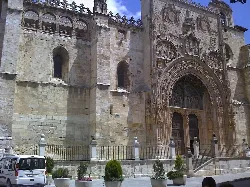
Facade of a church with Gothic portal and sculptures in Aranda de Duero.
Aranda de DueroBurgos

What is the significance of the Iglesia de Santa María la Real?

The Iglesia de Santa María la Real is a notable architectural landmark in Aranda de Duero. It showcases impressive Gothic design and serves as an important historical site, reflecting the city's rich cultural heritage. The church is a key attraction for visitors interested in history and architecture.

Iglesia de Santa María la Real For visitors ›

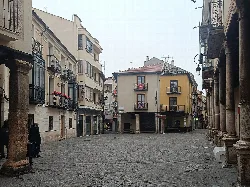
Plaza del Trigo with buildings and cobbled streets in Aranda de Duero.
Aranda de DueroBurgos

What is Plaza del Trigo known for?

Plaza del Trigo is a central square in Aranda de Duero, known for its vibrant atmosphere and historical significance. It often serves as a gathering place for locals and hosts various events throughout the year, making it a lively spot for both residents and visitors.

Plaza del Trigo For visitors ›

Aranda de DueroBurgos

What can you tell me about the underground wineries in Aranda de Duero?

Aranda de Duero features around 7 kilometers of underground wineries, constructed between the 12th and 18th centuries. These historic cellars are an integral part of the city's wine culture, offering insight into traditional winemaking practices and attracting wine enthusiasts.

For visitors ›

Dominican convent in Caleruega with stone walls and towers.
CaleruegaBurgos

What is the Convento de los Dominicos in Caleruega?

The Convento de los Dominicos is a significant religious building in Caleruega, constructed in the 1950s. It serves as a center for the Dominican order and includes a museum adapted for the visually impaired. The convent is part of a larger complex that also features the historical Torreón de los Guzmanes, showcasing the town's rich religious heritage.

Convento de los Dominicos For visitors ›

San Sebastián Church in Caleruega, Burgos, with stone tower and facade.
CaleruegaBurgos

What can I see at the Iglesia de San Sebastián?

The Iglesia de San Sebastián, dating back to the 12th century, is a Romanesque church notable for its preserved entrance, bell tower, and presbytery. Inside, visitors can find various religious artworks, including a crucifix and statues of saints, as well as the sepulcher of Beata Juana, adding to its historical significance.

Iglesia de San Sebastián For visitors ›

CaleruegaBurgos

What is the story behind the Fuente del Cubo?

The Fuente del Cubo is a natural spring that marks the source of the Gromejón River. Historically, it was known for its abundance of crayfish, and an inscription at the site highlights its importance as a water source for the town. It remains a notable landmark in Caleruega.

Fuente del Cubo For visitors ›

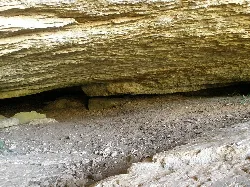
Inside a cave with rock layers and a dirt and stone floor.
Basconcillos del TozoBurgos

What can you tell me about the Cueva del Agua?

Cueva del Agua, also known as Cueva de los Moros, is a fascinating cave where the river Hurón disappears underground for about four kilometers, re-emerging as the Rudrón River. This large cave is notable for its size and the legends surrounding it, making it a popular site for speleologists. It features a grand entrance and various chambers, including the Sala de las Dunas and Hoya de los Caracoles.

Cueva del Agua For visitors ›

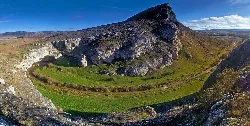
Landscape with cave, river, and valley in Burgos.
Basconcillos del TozoBurgos

What is the Cueva de Basconcillos del Tozo known for?

Cueva de Basconcillos del Tozo is known for its stunning geological features and the river Hurón that flows through it. The cave is a significant site for speleology, attracting explorers due to its size and the unique natural phenomena associated with it, including various chambers and legends.

Cueva de Basconcillos del Tozo For visitors ›