Sights

3,246 questions

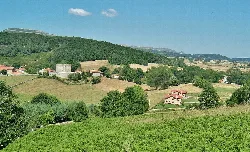
Landscape with castle, church, and green hills in Valle de Valdebezana.
Valle de ValdebezanaBurgos

What can I see at the Castillo de Los Porres?

The Castillo de Los Porres is a historical landmark in Valle de Valdebezana. It features impressive architecture and offers panoramic views of the surrounding landscape. The castle, along with the nearby church of Santa María, creates a picturesque scene that reflects the area's rich history and cultural heritage.
Castillo de Los Porres For visitors ›

Landscape with castle, church, and green hills in Valle de Valdebezana.
Valle de ValdebezanaBurgos

What is the significance of the church of Santa María in the area?

The church of Santa María is a significant historical and cultural landmark in Valle de Valdebezana. It reflects the architectural style of the region and serves as a reminder of the area's medieval past. The church is often a focal point for local gatherings and religious events.

Santa María For visitors ›

TardajosBurgos

What are the main attractions in Tardajos?

Tardajos features several notable attractions, including the Church of the Assumption, characterized by its medieval tower and Gothic naves. The archaeological site of Deobrígula offers insights into Roman history. Additionally, the Camino de Santiago runs through the town, adding cultural significance. These sites reflect Tardajos' rich historical and architectural heritage.

For visitors ›

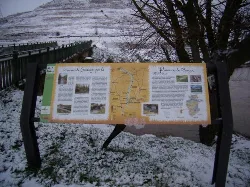
Informational sign of the Camino de Santiago in Tardajos with snowy landscape.
TardajosBurgos

What is the significance of the Camino de Santiago in Tardajos?

The Camino de Santiago is a historic pilgrimage route that passes through Tardajos, recognized as a cultural heritage site. This route has been vital for centuries, attracting pilgrims from around the world. Tardajos' section of the Camino offers unique cultural experiences and connects visitors to the broader history of pilgrimage in Spain.

Camino de Santiago For visitors ›

TardajosBurgos

What archaeological sites are near Tardajos?

The most significant archaeological site near Tardajos is Deobrígula, which dates back to the Roman Empire. It includes remnants of structures from various historical periods, including the Iron Age. The site is a key attraction for those interested in history and archaeology, providing insights into the region's ancient past.

Deobrígula For visitors ›

TardajosBurgos

What can you tell me about the Church of the Assumption in Tardajos?

The Church of the Assumption in Tardajos features a medieval tower and Gothic naves, showcasing a blend of architectural styles. Built on a small elevation, it has significant historical value, possibly incorporating elements from an earlier fortress. This church serves as a central landmark in the town, reflecting its cultural heritage.

Church of the Assumption For visitors ›

Olmillos de MuñóBurgos

What is the main church in Olmillos de Muñó like?

The main church in Olmillos de Muñó is dedicated to La Asunción de Nuestra Señora and showcases late Gothic architecture with Renaissance elements. Built between the 14th and 15th centuries, it features three naves, although one collapsed in the 18th century. The church houses various artistic elements, including retablos and a unique sepulcher.

Iglesia de La Asunción de Nuestra Señora For visitors ›

Olmillos de MuñóBurgos

What is the architectural style of the church's main altar?

The main altar of the church in Olmillos de Muñó features a Baroque classicist style, created in the late 17th century. It includes intricate sculptures and reliefs depicting biblical scenes, such as the Adoration of the Magi and the Circumcision, showcasing the artistic heritage of the region.

Retablo Mayor For visitors ›

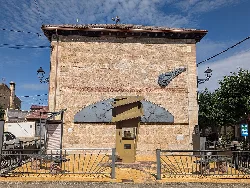
Meteorite sculpture on a building facade in Berlangas de Roa.
Berlangas de RoaBurgos

What is the significance of the Meteorito de Berlanguillas?

The Meteorito de Berlanguillas is a notable landmark in Berlangas de Roa, recognized for its unique geological significance. It serves as a point of interest for visitors interested in natural history and geology, reflecting the area's rich environmental heritage.

Meteorito de Berlanguillas For visitors ›

Berlangas de RoaBurgos

What is the architectural style of the local buildings?

The architecture in Berlangas de Roa showcases a mix of traditional styles, including stone and brick constructions. Notable buildings include the town hall and the church, which feature solid structures with decorative elements. The use of local materials reflects the region's cultural heritage and historical influences.

For visitors ›

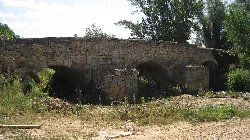
Roman stone bridge with arches and vegetation in Coruña del Conde.
Coruña del CondeBurgos

What can you tell me about the Roman bridges in Coruña del Conde?

Coruña del Conde features two Roman bridges that are remnants of the extensive network of roads connecting the ancient city of Clunia. These bridges, characterized by their three arches and solid stone construction, showcase the engineering skills of the Romans. They are significant for understanding the infrastructure that supported trade and movement in the region during Roman times.

For visitors ›

Coruña del CondeBurgos

What is the significance of the Iglesia de San Martín in Coruña del Conde?

The Iglesia de San Martín, built in the 16th century, is notable for its architectural style and historical significance. Funded by Fray Agustín Gormaz Velasco, a local who contributed to the Americas, the church features Renaissance and Baroque elements, including a wooden plane used to recreate Diego Marín Aguilera's flight. It serves as a cultural and religious center for the community.

Iglesia de San Martín For visitors ›

Coruña del CondeBurgos

What is the architectural style of the Ermita del Santo Cristo de San Sebastián?

The Ermita del Santo Cristo de San Sebastián exhibits Visigothic architectural features, particularly evident in its square apse. The simple façade, blind arches, and Roman stonework reflect the historical layers of the region, showcasing its rich cultural heritage.

Ermita del Santo Cristo de San Sebastián For visitors ›

Valle de MenaBurgos

What historical sites should I visit in Valle de Mena?

Valle de Mena boasts a rich historical heritage with numerous sites to explore. Notable landmarks include the Iglesia de Nuestra Señora de las Altices in Villasana and the Convento de Santa Ana. Additionally, the Torre de los Velasco is a significant medieval structure that reflects the region's historical importance.

For visitors ›

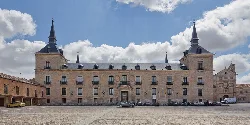
Facade of Lerma Ducal Palace with multiple windows and towers on top.
LermaBurgos

What can you tell me about the Palacio Ducal de Lerma?

The Palacio Ducal de Lerma, designed by architects Francisco de Mora and fray Alberto de la Madre de Dios, occupies a prominent position in the town's Plaza Mayor. Originally serving as a ducal residence, it was later used as a prison during the Spanish Civil War. Now, it functions as a national parador, renowned as one of the top ten in Spain.

Palacio Ducal de Lerma For visitors ›

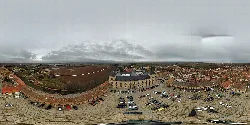
360-degree view of Lerma's Plaza Mayor, Burgos, with buildings and cars.
LermaBurgos

What is the significance of the Plaza Mayor in Lerma?

The Plaza Mayor, also known as Gran Plaza, is one of the largest in Spain, covering nearly 7000 m². Historically, it served various purposes, including as a marketplace and a bullfighting arena. Today, it features important monuments, including the Palacio Ducal and the Monastery of San Blas, making it a central hub for visitors.

Plaza Mayor For visitors ›

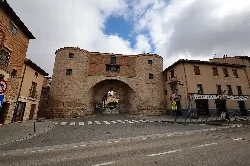
City gate with stone arch in Lerma.
LermaBurgos

What can I see at the Puerta de la Cárcel?

The Puerta de la Cárcel, also known as the Arco de la Cárcel, is the only preserved medieval wall entrance to Lerma. It features two cylindrical towers and was originally built in stone, later modified with brick. Today, it serves as the headquarters for the Denomination of Origin Arlanza, making it both a historical and functional landmark.

Puerta de la Cárcel For visitors ›

LermaBurgos

What makes Lerma one of the most beautiful towns in Spain?

Lerma was recognized as one of the Most Beautiful Towns in Spain in 2017, thanks to its well-preserved historical architecture, including the grand Plaza Mayor and the Palacio Ducal. The town's picturesque setting and rich cultural heritage, combined with its historical significance, contribute to its charm and appeal.

For visitors ›

CovarrubiasBurgos

What are the main attractions to see in Covarrubias?

Covarrubias is known for its well-preserved urban layout and historical landmarks. Key attractions include the Torreón de Fernán González, the Excolegiata de San Cosme y San Damián, and the charming Plaza Mayor. The town's rich history and beautiful architecture make it a delightful destination for visitors interested in culture and history.

For visitors ›

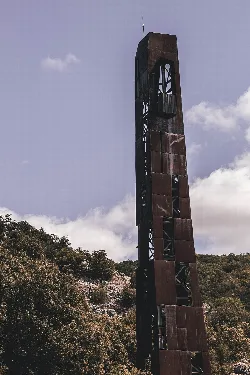
Incomplete steel tower in Covarrubias, Burgos.
CovarrubiasBurgos

Where is the Ermita de San Olav located?

The Ermita de San Olav is situated in the Valle de los Lobos, approximately 3 kilometers from the historic center of Covarrubias. This modern chapel features a unique design resembling a Viking helmet and is dedicated to Saint Olav, the patron saint of Norway.

Ermita de San Olav For visitors ›

CovarrubiasBurgos

What is the architectural style of the Casa de Doña Sancha?

The Casa de Doña Sancha exemplifies traditional architecture in Covarrubias, dating back to the 15th century. Its façade features adobe and classic wooden framework, showcasing the town's historical building techniques. The structure includes a spacious portico and balcony, reflecting the region's climatic adaptations.

Casa de Doña Sancha For visitors ›

Cerezo de Río TironBurgos

What can you tell me about the church of San Nicolás de Bari?

The Iglesia de San Nicolás de Bari is a neoclassical church built in the 18th century. It features three naves and is notable for its large size. Inside, you can find various altarpieces that were brought from the older hermitages that existed in the area, showcasing the town's rich religious heritage.

Iglesia de San Nicolás de Bari For visitors ›

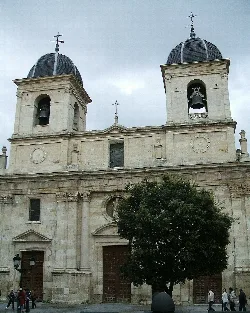
Facade of the church with two towers and a tree in front.
BriviescaBurgos

What can you tell me about the Colegiata de Santa María la Mayor in Briviesca?

The Colegiata de Santa María la Mayor is a prominent landmark in Briviesca, known for its impressive architecture. This monumental complex features intricate designs and is part of the city’s rich historical heritage. It reflects the Renaissance style and is a significant site for both locals and visitors, showcasing the artistic and cultural legacy of the region.

Colegiata de Santa María la Mayor For visitors ›

Gumiel de IzánBurgos

What can you tell me about the church in Gumiel de Izán?

The main church in Gumiel de Izán is dedicated to the Virgin Mary and features Gothic architecture. Built over an earlier structure, it has a Baroque facade and was declared a cultural heritage site in 1962. Its unique design has drawn comparisons to Petra, increasing visitor interest.

Iglesia parroquial de Santa María For visitors ›