Sights

3,246 questions

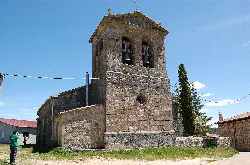
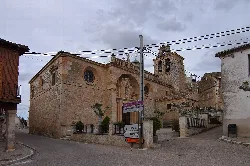
San Miguel Árcangel church in Fuentelcésped with bell tower and stone facade.
FuentelcéspedBurgos

What can you tell me about the Iglesia de San Miguel Arcángel in Fuentelcésped?

The Iglesia de San Miguel Arcángel is a Baroque church built in the 17th century, featuring three naves and a notable Baroque organ from 1753. Its construction was funded by the local community, and it includes a tower with six bells from various years. The church showcases beautiful stained glass and several chapels with intricate altarpieces, making it a significant landmark in Fuentelcésped.
Iglesia de San Miguel Arcángel For visitors ›

FuentelcéspedBurgos

What are the main architectural features of the houses in Fuentelcésped?

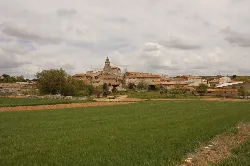
The houses in Fuentelcésped showcase traditional architecture with large solanas (balconies) and intricately carved wooden beams. Many buildings have protective iron railings and distinctive balconies, contributing to the village's unique character and charm, reflecting the local building styles of the Ribera del Duero region.

For visitors ›

Medina de PomarBurgos

What can I find at the Museo Histórico de las Merindades?

The Museo Histórico de las Merindades, located within the Alcázar de los Condestables, showcases the history of Medina de Pomar through documents, archaeological remains, and various exhibits. It spans four floors, with sections dedicated to history, archaeology, and ethnography, and offers guided tours and temporary exhibitions.

Museo Histórico de las Merindades For visitors ›

Medina de PomarBurgos

What are the main historical landmarks in Medina de Pomar?

Key historical landmarks in Medina de Pomar include the Alcázar de los Condestables, the Monastery of Santa Clara, and the Church of Santa Cruz. Each of these sites reflects the town's rich history and architectural heritage, showcasing styles from various periods, including medieval and baroque influences.

For visitors ›

Panoramic view of Fontioso with houses and a bell tower in the center.
FontiosoBurgos

What can you tell me about the Iglesia de Santa Columba?

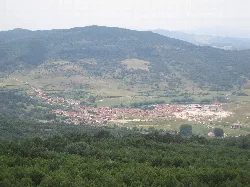
The Iglesia de Santa Columba, dating back to the 18th century, is notable for its construction in ashlar stone and features two naves. Its exterior showcases a bell gable and a statue of Saint Columba above the southern entrance. Inside, visitors can find a retablo from 1638 and a baptismal font inscribed with the year 1630.

Iglesia de Santa Columba For visitors ›

FontiosoBurgos

What is the significance of the Fuente tardorromana in Fontioso?

The Fuente tardorromana is an ancient fountain located at one of the village's entrances. It features a semi-circular vault and was built to protect a spring, showcasing Roman architectural influences. The fountain also includes a stone basin that collects water from two copper spouts, highlighting the area's historical water management practices.

Fuente tardorromana For visitors ›

FontiosoBurgos

What is the architectural style of the houses in Fontioso?

Most of the houses in Fontioso are constructed from stone, reflecting the availability of limestone from nearby quarries. The village features a mix of medieval architecture and later constructions, with narrow streets and steep slopes that adapt to the terrain's contours.

For visitors ›

Landscape with village and mountains in Burgos, view from Mount Araña.
Canicosa de la SierraBurgos

What can I see in the photos of Canicosa de la Sierra?

The photos showcase the scenic beauty of Canicosa de la Sierra, highlighting its mountainous surroundings and the charming village layout. You can see the lush greenery of the forests and the traditional architecture of the houses, providing a glimpse into the tranquil lifestyle of this picturesque village.

For visitors ›

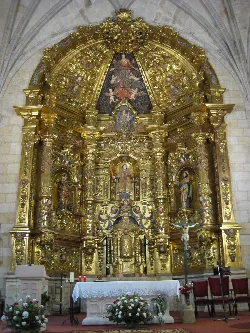
Golden altarpiece with religious figures in Canicosa de la Sierra church.
Canicosa de la SierraBurgos

What is the Retablo in the church of Canicosa de la Sierra?

The Retablo mayor in the church of Canicosa de la Sierra is a striking altar piece that showcases intricate craftsmanship and religious iconography. It reflects the artistic heritage of the region and serves as a focal point for worship and community gatherings, enhancing the spiritual ambiance of the church.

Retablo Canicosa For visitors ›

NeilaBurgos

What is Neila known for?

Neila is known for its rich history, traditional architecture, and beautiful natural surroundings. Nestled in the Sierra de la Demanda, it offers numerous hiking opportunities and is home to the Parque natural de las Lagunas Glaciares de Neila, established in 2008. The village has a population of just 113, making it a quaint and peaceful destination in Burgos, Castile and León.

For visitors ›

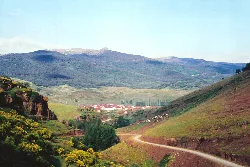
Neila village viewed from the west, with mountains and a road in the foreground.
NeilaBurgos

What can I see in the photo of Neila from the west?

The photo shows a picturesque view of Neila, set against the backdrop of the Picos de Urbión mountains. The village is nestled in a valley, showcasing its traditional architecture surrounded by lush greenery. This scenic location highlights Neila's natural beauty and its mountainous environment, perfect for outdoor enthusiasts and nature lovers.

For visitors ›

Santa María del CampoBurgos

What are the main attractions in Santa María del Campo?

Santa María del Campo features several notable attractions, including the Iglesia de Nuestra Señora de la Asunción, renowned for its impressive Renaissance tower known as the Buena Moza. The Casa del Cordón, a historical palace, and the three main arches of the town's ancient wall are also significant sites. Additionally, the nearby Ermita de Nuestra Señora de Escuderos draws visitors for its historical and cultural importance.

For visitors ›

Santa María del CampoBurgos

What is the significance of the Iglesia de Nuestra Señora de la Asunción?

The Iglesia de Nuestra Señora de la Asunción is a significant landmark in Santa María del Campo, renowned for its beautiful Renaissance tower, often referred to as the Buena Moza. The church's construction began in the 13th century, and it features a blend of Gothic and Renaissance architectural styles, making it a centerpiece of the town's cultural heritage.

Iglesia de Nuestra Señora de la Asunción For visitors ›

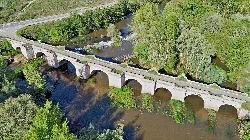
Aerial view of a stone bridge over the Arlanza River surrounded by trees.
Santa María del CampoBurgos

Is there a bridge in Santa María del Campo?

Yes, there is a notable bridge in the area known as the Puente sobre el río Arlanza. This bridge is an important structure that connects different parts of the region and showcases the natural beauty surrounding Santa María del Campo, enhancing local accessibility and transport.

For visitors ›

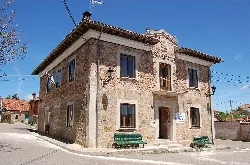
Town hall building of La Gallega in Burgos.
La GallegaBurgos

What is the Casa consistorial de La Gallega?

The Casa consistorial de La Gallega serves as the town hall for the municipality. It is a notable building that reflects the local architecture and governance of La Gallega. This structure plays a central role in the community, hosting administrative functions and serving as a gathering place for residents.

Casa consistorial de La Gallega For visitors ›

Stone church with a two-story bell tower and a small round door.
La GallegaBurgos

Can you tell me about the Iglesia de Nuestra Asunción de La Señora de La Gallega?

The Iglesia de Nuestra Asunción de La Señora de La Gallega is a significant religious site in the municipality. This church showcases local architectural styles and serves as a place of worship for the community. It is an important part of the cultural heritage of La Gallega.

Iglesia de Nuestra Asunción de La Señora de La Gallega For visitors ›

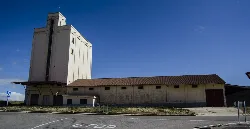
Large gray silo with storage structure in Sotresgudo.
SotresgudoBurgos

What is the significance of the Silo del Servicio Nacional del Trigo in Sotresgudo?

The Silo del Servicio Nacional del Trigo is an important industrial landmark in Sotresgudo, representing the agricultural history of the area. It reflects the municipality's reliance on agriculture and grain production, which has been a key part of its economy. The silo stands out due to its distinctive architecture and historical relevance in the context of local industry.

Silo del Servicio Nacional del Trigo For visitors ›

SotresgudoBurgos

What is the architectural style of the Iglesia de San Miguel?

The Iglesia de San Miguel, built in the 16th century, features a blend of Romanesque and Renaissance styles. It retains elements from its earlier Romanesque predecessor, including a notable southern portal and a late Romanesque baptismal font with Gothic influences, reflecting the region's architectural heritage.

Iglesia de San Miguel For visitors ›

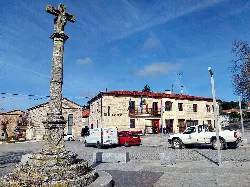
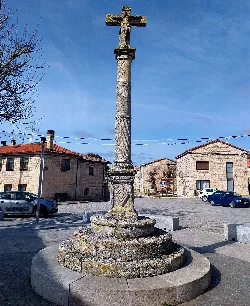
Main square with an old cross and buildings in Castrillo del Val.
Castrillo del ValBurgos

What can you tell me about the Plaza Mayor in Castrillo del Val?

The Plaza Mayor de Castrillo del Val is a central square that serves as a focal point for the community. It features traditional architecture and is often the site of local events and gatherings. The square is characterized by its stone buildings and a prominent crucero, which adds historical significance to the area. It's a great place to experience local culture and meet residents.

Plaza Mayor For visitors ›

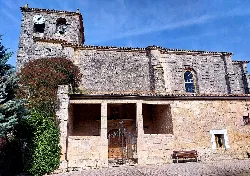
Santa Eugenia Church with tower and clock in Castrillo del Val.
Castrillo del ValBurgos

What is the significance of the Iglesia de Santa Eugenia in Castrillo del Val?

Iglesia de Santa Eugenia is an important religious site in Castrillo del Val. This church showcases local architectural styles and serves as a place of worship for the community. Its historical significance is tied to the village's past, reflecting the cultural and spiritual heritage of the area. Visitors can appreciate its beauty and the role it plays in local traditions.

Iglesia de Santa Eugenia For visitors ›

Stone cross with circular base and column in Castrillo del Val.
Castrillo del ValBurgos

What is the Crucero de Castrillo del Val?

The Crucero de Castrillo del Val is a notable stone cross located in the village's Plaza Mayor. It serves as a historical landmark and a symbol of the community's religious heritage. The intricately designed cross reflects the artistic styles of the period and is often a focal point during local celebrations and gatherings.

Crucero For visitors ›

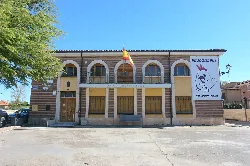
Villangómez town hall building with Spanish flag.
VillangómezBurgos

What is the Casa Consistorial de Villangómez?

The Casa Consistorial de Villangómez serves as the town hall and is a central administrative building in the village. It features a distinctive design and hosts various local events, including the Pollogómez festival. The building is adorned with a mural celebrating the festival, making it a focal point for community activities.

Casa Consistorial de Villangómez For visitors ›

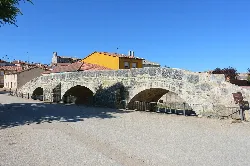
Stone bridge with three arches in Villangómez, Burgos.
VillangómezBurgos

What can you tell me about the bridge in Villangómez?

The bridge in Villangómez, constructed in the 17th century under Felipe III, originally spanned the river Cogollos. However, due to a river diversion, it no longer crosses the village. Recently restored, it remains a historical landmark, showcasing the town's architectural heritage.

bridge For visitors ›

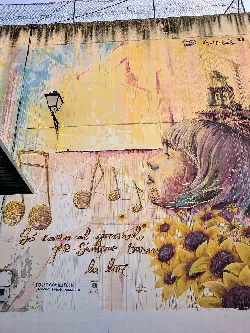
Mural with a woman, sunflowers, and musical notes in Villangómez, Burgos.
VillangómezBurgos

What is the significance of the mural in Villangómez?

The mural in Villangómez is an artistic representation that reflects the town's cultural identity. It features vibrant colors and themes related to music and light, symbolizing the local folk festival, Pollogómez. This mural enhances the town's charm and serves as a backdrop for community events.

mural For visitors ›