Sights

3,246 questions

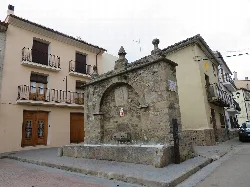
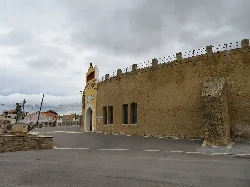
Statue of Silvino Zafón in front of the bullring in Villafranca del Cid.
Vilafranca / Villafranca del CidCastellón

What is the significance of the statue of Silvino Zafón in Villafranca?

The statue of Silvino Zafón, known as 'El Niño de la Estrella', is located in front of the plaza de toros in Villafranca del Cid. This statue commemorates a local figure, reflecting the cultural heritage and pride of the community, particularly in relation to its bullfighting traditions.
statue of Silvino Zafón For visitors ›

Vilafranca / Villafranca del CidCastellón

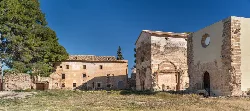
What can you tell me about the Ermita de San Miguel?

The Ermita de San Miguel is a significant historical site in Villafranca del Cid, representing the old village. It is a Romanesque-Gothic church dating back to the late 13th century and is recognized as a Bien de Relevancia Local, showcasing the architectural heritage of the area.

Ermita de San Miguel For visitors ›

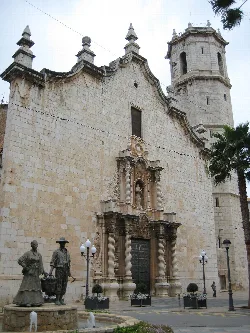
Facade of Sant Bartomeu church with tower and sculptures in Benicarló
BenicarlóCastellón

What can you tell me about the Església de Sant Bartomeu?

The Església de Sant Bartomeu is an 18th-century parish church known for its striking Baroque façade and octagonal bell tower. The interior features a single nave with chapels and a large dome above the transept. A notable altarpiece of the Virgin of Remei, attributed to Vicent Macip, enhances its artistic significance. The church is a central landmark in Benicarló.

Església de Sant Bartomeu For visitors ›

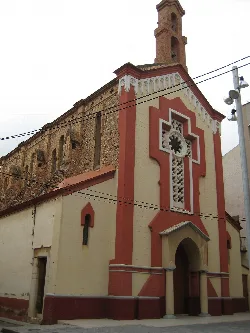
Facade of a church with red and beige details in Benicarló.
BenicarlóCastellón

What is the significance of the Chapel of Holy Christ of the Sea?

The Chapel of Holy Christ of the Sea, also known as the Church of Saint Peter, was built in 1924 and is a site of deep devotion for locals. According to legend, it houses an image of Christ that arrived miraculously in 1650, making it a focal point for religious and cultural gatherings in Benicarló.

Chapel of Holy Christ of the Sea For visitors ›

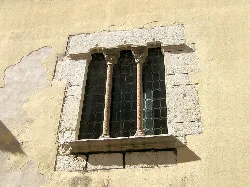
Gothic window with columns and stained glass on an old building facade.
BenicarlóCastellón

What is the Old Town Hall in Benicarló like?

The Old Town Hall features a Gothic Hall with distinctive architectural elements, including large windows divided by columns. This historic building reflects the town's rich architectural heritage and is a notable landmark in Benicarló's old town area.

Old Town Hall For visitors ›

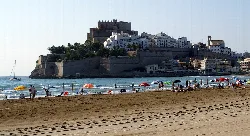
View of Peñíscola's castle and historic center from the beach.
PeníscolaCastellón

What are the main attractions in the historic center of Peñíscola?

The historic center of Peñíscola features several attractions, including the Castillo del Papa Luna, the Renaissance city walls, and the Portal Fosc, a historic entrance to the old town. Visitors can also explore the charming streets and enjoy views of the Mediterranean.

For visitors ›

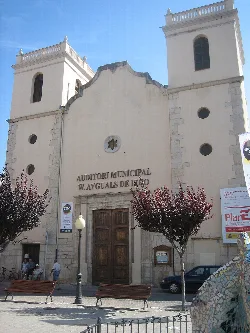
White building facade with towers and wooden doors, in a square with trees and benches.
VinaròsCastellón

What can you tell me about the church of San Agustín?

The church of San Agustín, now serving as the Auditorio Municipal Wenceslao Ayguals de Izco, is notable for its architectural style. Originally built as a church, it has been repurposed for community events and performances, showcasing the town's cultural evolution.

Iglesia de San Agustín For visitors ›

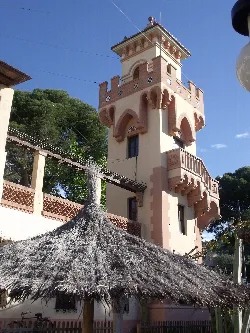
Tower with balconies and a roof in Benicasim, with a thatched roof in the foreground.
BenicàssimCastellón

What is the Torreta y Hotel Voramar used for?

The Torreta y Hotel Voramar, originally built as a hospital named Villa Frente Popular, now serves as a hotel. This historic building reflects the architectural style of the early 20th century and is part of the cultural heritage of Benicàssim, contributing to its appeal as a tourist destination.

Torreta y Hotel Voramar For visitors ›

CastellnovoCastellón

What is the church of Santos Reyes like?

The Church of Santos Reyes, constructed between 1622 and 1730, features a Latin cross layout and a lateral nave. It has recently undergone restoration and is located in the plaza del Olmo, where the iconic Olmo tree stands. The church is an important religious site for the community and reflects the architectural style of its time.

Iglesia de los Santos Reyes For visitors ›

CastellnovoCastellón

What is the Torre de Mal Paso?

The Torre de Mal Paso is a historical watchtower located on a hill near Castellnovo. It is believed to date back to the late Roman or pre-medieval period and served as a link to the castle of Segorbe. Although now in ruins, it showcases defensive architecture and has archaeological significance, with nearby findings from the Bronze Age and Roman times.

Torre de Mal Paso For visitors ›

Ruins of Valldecrist Charterhouse in Altura, Castellón, with stone buildings and blue sky.
AlturaCastellón

What can I see at the Cartuja de Vall de Cristo?

The Cartuja de Vall de Cristo is a significant historical site that began construction in 1286. It features the church of San Martín and parts of the original monastic walls. Although it fell into ruin in the 19th century, visitors can still admire its architectural remnants and learn about its historical importance in the region.

Cartuja de Vall de Cristo For visitors ›

AlturaCastellón

What is the significance of the Iglesia Primitiva in Altura?

The Iglesia Primitiva, originally a mosque, is notable for its historical architecture and was declared a Bien de Relevancia Local in 1998. It features a rectangular plan and is a key site for understanding the town's cultural and religious history.

Iglesia Primitiva For visitors ›

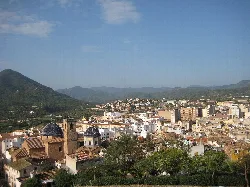
Panoramic view of Onda with buildings and mountains.
OndaCastellón

What can I see from the panoramic view of Onda?

From the panoramic viewpoint of Onda, you can enjoy stunning vistas of the town nestled between the Sierra de Espadán and the plains extending towards the Mediterranean. The landscape features a mix of urban architecture and natural beauty, showcasing the surrounding hills and greenery, making it a perfect spot for photography and relaxation.

For visitors ›

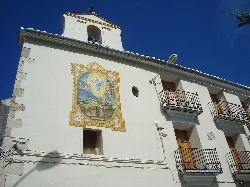
Facade of the Ermita del Salvador with mural and balconies in Onda.
OndaCastellón

What is the Ermita del Salvador in Onda?

The Ermita del Salvador is an 18th-century chapel dedicated to the patron saint of Onda. It features a notable ceramic panel on its facade by ceramist Ismael Mundina. The chapel serves as a place of worship and includes a hospitable area for visitors, making it a charming spot to explore.

Ermita del Salvador For visitors ›

OndaCastellón

What are the main attractions in Onda's old town?

Onda's old town features several historical attractions, including the Plaza del Almudín, which served as a grain market, and the Portal de San Pedro, a notable gateway with a rich history. The area is characterized by its charming streets and historic architecture, making it ideal for leisurely exploration.

For visitors ›

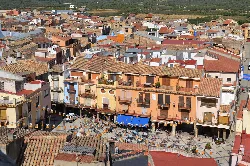
Aerial view of the square with buildings and terraces in Sant Mateu.
Sant MateuCastellón

What is the Plaza Mayor like in Sant Mateu?

The Plaza Mayor in Sant Mateu is a typical medieval square, originally closed and accessed through the houses surrounding it. It features a central fountain and is bordered by seven streets, with one leading to the Torre, which served as a defense during sieges. The square was established in the late 14th century to accommodate the expanding market of the town, and it is adorned with the town's coat of arms, depicting an angel.

Plaza Mayor For visitors ›

Stone fountain in Plaza del Járiz in El Toro, Castellón.
El ToroCastellón

What is the Plaza del Járiz in El Toro?

Plaza del Járiz is a central square in El Toro, serving as a focal point for community gatherings. It features traditional architecture and is a pleasant place to relax or enjoy local events. The square reflects the town's cultural heritage and is often used for various celebrations throughout the year.

Plaza del Járiz For visitors ›

Entrances and exits of the air-raid shelter at El Toro, Castellón
El ToroCastellón

What is the significance of the Aeródromo de El Toro?

The Aeródromo de El Toro is historically significant as it features remnants from the Spanish Civil War, including air raid shelters and military installations. Today, it serves as a reminder of the area's past and is of interest to those exploring historical sites related to the war.

Aeródromo de El Toro For visitors ›

El ToroCastellón

What historical buildings can I see in El Toro?

El Toro features several historical buildings, including the Iglesia de Santa María, dating back to 1258, and the medieval castle, which served as a defensive structure. These sites reflect the town's rich architectural heritage and historical significance.

For visitors ›

La Vall d'UixóCastellón

What can you tell me about the Grutas de San José?

The Grutas de San José is a spectacular cave system featuring a navigable underground river, making it one of the longest in Europe. The caves are renowned for their stunning natural formations and archaeological significance, with evidence of prehistoric human habitation and unique rock paintings. It's a major tourist attraction, drawing visitors for its beauty and historical value.

Grutas de San José For visitors ›

La Vall d'UixóCastellón

What is the Torre de Benizahat?

The Torre de Benizahat is a historic tower located in the center of Vall d'Uixó. Built in the 12th century by Muslims, it is the only surviving tower within the urban area. The tower serves as a reminder of the town's rich history and architectural heritage, reflecting the influences of the Islamic period in the region.

Torre de Benizahat For visitors ›

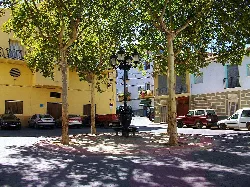
Square with trees, cars, and a fountain in the center in Soneja.
SonejaCastellón

What is the Plaza del Mesón de Soneja like?

The Plaza del Mesón de Soneja is a charming square located in the heart of the town. It features a serene atmosphere with trees providing shade, making it a pleasant spot for relaxation. The square is surrounded by traditional buildings and is often a hub for local gatherings and events, reflecting the community spirit of Soneja.

Plaça del Mesón de Soneixa For visitors ›

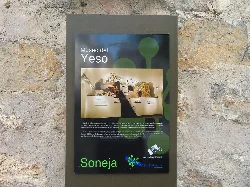
Sign for the Gypsum Museum in Soneja with text and exhibit image.
SonejaCastellón

What can I see at the Museo del Yeso de Soneja?

The Museo del Yeso de Soneja showcases the history and significance of gypsum in the region. Visitors can explore various exhibits featuring gypsum artifacts, audiovisual presentations, and learn about the local gypsum industry. The museum provides insights into how this material has shaped the economy and culture of Soneja.

Museo del Yeso de Soneja For visitors ›

Panoramic view of Morella from the castle, with streets and old buildings.
MorellaCastellón

What is the view like from the Castillo de Morella?

The view from the Castillo de Morella is breathtaking, offering panoramic vistas of the surrounding landscapes and the town below. Visitors can appreciate the dramatic mountainous terrain and the historical architecture of Morella, making it a popular spot for photography and sightseeing.

Castillo de Morella For visitors ›