Sights

3,246 questions

Priego de CórdobaCórdoba

What are the main attractions in the Barrio de la Villa?

The Barrio de la Villa is known for its narrow, winding streets and whitewashed buildings adorned with flowers. Key attractions include the Plaza de Santa Ana, the Church of the Assumption, and the picturesque views from the Balcón del Adarve. This area reflects the town's Moorish heritage and is a delight to explore.
Barrio de la Villa For visitors ›

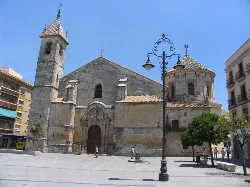
San Mateo Church in Lucena with tower and stone facade.
LucenaCórdoba

What can you tell me about San Mateo Church in Lucena?

San Mateo Church is a notable landmark in Lucena, showcasing a blend of architectural styles. It features a striking facade and a bell tower, making it a prominent part of the town's skyline. The church is significant for its historical and cultural value, reflecting Lucena's rich heritage. Visitors often admire its intricate details and the peaceful atmosphere surrounding the church.

San Mateo Church For visitors ›

LucenaCórdoba

What is the significance of the Castillo del Moral in Lucena?

The Castillo del Moral, located near the paseo del Coso, is a historic monument dating back to the 11th century. It played a crucial role during the Reconquista and later served as a residence for local nobility. Today, it houses the Archaeological and Ethnological Museum of Lucena, showcasing the city's rich history and cultural heritage.

Castillo del Moral For visitors ›

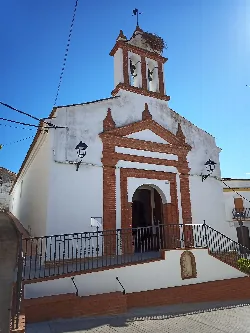
White church facade with bell tower and clock in Villaharta, Córdoba.
VillahartaCórdoba

What is the significance of the Iglesia de Nuestra Señora de la Piedad?

The Iglesia de Nuestra Señora de la Piedad, built in 1828, features a single nave with a neoclassical exterior and a baroque retablo of the Virgin of Belén. Its architectural style reflects the period's aesthetic, making it an important historical and cultural landmark in Villaharta.

Iglesia de Nuestra Señora de la Piedad For visitors ›

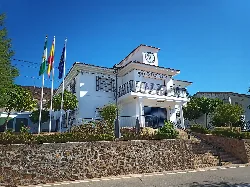
Town hall of Villaharta with flags and clock in Córdoba, Spain.
VillahartaCórdoba

What are the main features of the Casa consistorial de Villaharta?

The Casa consistorial de Villaharta serves as the town hall and is a notable architectural feature. Its design reflects local style, and it plays a central role in community administration and local events, making it a focal point for residents and visitors alike.

Casa consistorial de Villaharta For visitors ›

VillahartaCórdoba

What is the significance of the Monumento a San Rafael?

The Monumento a San Rafael honors the town's patron saint, designed by Aurelio Teno. It symbolizes San Rafael's journey and poverty, featuring elements from the biblical story, making it a unique representation of the saint's significance in Villaharta.

Monumento a San Rafael For visitors ›

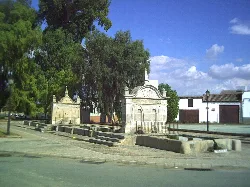
Stone fountain in Hinojosa del Duque with trees and blue sky.
Hinojosa del DuqueCórdoba

What can you tell me about the Fuente de El Pilar de los Llanos?

The Fuente de El Pilar de los Llanos is a notable landmark in Hinojosa del Duque, recognized for its Renaissance style. This historical fountain dates back to the 16th century and is an important part of the town's heritage, showcasing the architectural beauty typical of that era. It's a lovely spot for visitors to appreciate the local history and enjoy the surrounding area.

Fuente de El Pilar de los Llanos For visitors ›

Hinojosa del DuqueCórdoba

What is the significance of the Ermita de Santa Ana?

The Ermita de Santa Ana is a historic chapel in Hinojosa del Duque, dating back to the 14th century. Declared a cultural heritage site, it reflects the town's religious history and architectural style. The chapel is an important site for local celebrations and religious gatherings, showcasing the community's devotion and cultural traditions.

Ermita de Santa Ana For visitors ›

Hinojosa del DuqueCórdoba

What are the main historical sites in Hinojosa del Duque?

Hinojosa del Duque is home to several historical sites, including the Church of San Juan Bautista, which is a cultural heritage site, and the Castillo del Cohete, a medieval fortification. These sites reflect the town's rich history and architectural significance, attracting visitors interested in exploring its past.

For visitors ›

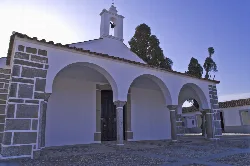
White hermitage with arches and a bell tower in Pozoblanco.
PozoblancoCórdoba

What is the Ermita Virgen de La Luna?

The Ermita Virgen de La Luna is a significant religious site located near Pozoblanco. It serves as the sanctuary for the Virgen de Luna, the town's patron saint, and is a focal point during the annual pilgrimage, attracting many visitors and worshippers.

Ermita Virgen de La Luna For visitors ›

PozoblancoCórdoba

What is the architecture like in Pozoblanco?

Pozoblanco features a mix of civil and religious architecture, reflecting its historical development. Notable structures include traditional Andalusian houses and the Ermita Virgen de La Luna, showcasing the town's cultural heritage and architectural diversity.

For visitors ›

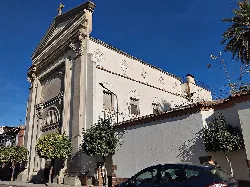
White church facade with classical details and trees on the sidewalk.
Pedro AbadCórdoba

What can I see at the Iglesia de Santa Rafaela María?

The Iglesia de Santa Rafaela María is a beautifully decorated church built in 1950. It features a single nave adorned with polychrome marbles and paintings, making it a notable landmark in Pedro Abad. The church is adjacent to the birthplace of Santa Rafaela María, adding to its historical significance.

Iglesia de Santa Rafaela María For visitors ›

Pedro AbadCórdoba

What historical sites should I visit in Pedro Abad?

In Pedro Abad, notable historical sites include the Ermita del Santísimo Cristo de los Desamparados and the Ancient Grain Storehouse, which now houses a contemporary art center. These sites reflect the town's rich history and architectural heritage, making them worthwhile stops for visitors.

For visitors ›

CarcabueyCórdoba

What can you tell me about the Iglesia de la Asunción?

The Iglesia de la Asunción, dating back to the 14th century, is a prominent landmark in Carcabuey. It features later renovations from the 17th and 18th centuries. The church is known for its impressive collection of Granadian imagery, including the Cristo de Ánimas created by Alonso de Mena, making it a significant cultural site.

Iglesia de la Asunción For visitors ›

CarcabueyCórdoba

What is the significance of the Ermita de Santa Ana?

The Ermita de Santa Ana, built in the mid-18th century, is centrally located in Carcabuey and features numerous altars. It is notable for housing the image of La Aurora, which is celebrated during the Toro de Cuerda festival, highlighting its cultural importance in the community.

Ermita de Santa Ana For visitors ›

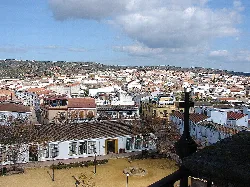
View of houses and urban landscape from the church in Adamuz.
AdamuzCórdoba

What can I see from the church in Adamuz?

From the church in Adamuz, you can enjoy a stunning panoramic view of the town and its surroundings. The elevation provides a scenic perspective of the landscape, showcasing the blend of traditional architecture and the natural beauty of the area.

For visitors ›

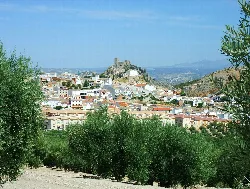
View of Luque with castle on hill and white houses.
LuqueCórdoba

What can I see from the viewpoint in Luque?

From the viewpoint in Luque, you can enjoy stunning panoramic views of the village and the surrounding countryside, characterized by its white streets and olive groves. The backdrop features the impressive Castillo de Luque, which dominates the landscape. This picturesque setting is perfect for photography and appreciating the natural beauty of the Sierra Subbética.

For visitors ›

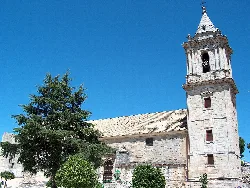
Stone church with tower and trees in Luque, Córdoba, Spain.
LuqueCórdoba

What is the significance of the Iglesia de Nuestra Señora de la Asunción?

The Iglesia de Nuestra Señora de la Asunción, known as the 'Catedral de la Subbética', is a Renaissance church from the 16th century. It is notable for its grand architecture and numerous chapels. Declared a cultural heritage site in 1976, it reflects the artistic heritage of Luque and is a central place of worship for the community.

Iglesia de Nuestra Señora de la Asunción For visitors ›

BaenaCórdoba

What are the main attractions to see in Baena?

Baena is rich in historical architecture, including the church of Santa María la Mayor and the Castillo de Baena. Visitors can also explore the ancient ruins at Torreparedones and the Leona de Baena sculpture. The town's picturesque streets and the surrounding olive groves add to its charm, making it a delightful place for history and nature lovers alike.

For visitors ›

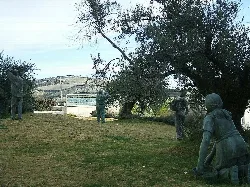
Sculptures of people working in an olive grove at a monument in Baena.
BaenaCórdoba

What is the significance of the Monumento a los Olivareros?

The Monumento a los Olivareros in Baena honors the olive growers and their contribution to the local economy and culture. This monument symbolizes the importance of olive cultivation in the region, which is renowned for its high-quality olive oil production.

Monumento a los Olivareros For visitors ›

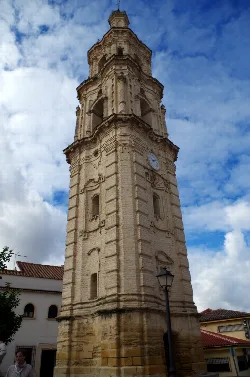
Clock Tower of Aguilar de la Frontera with cloudy sky.
Aguilar de la FronteraCórdoba

What is the Torre del Reloj in Aguilar de la Frontera?

The Torre del Reloj is a notable landmark in Aguilar de la Frontera, built in 1774 during the reign of Carlos III. This baroque-style tower is made of brick and adorned with decorative tiles. It serves as a prominent example of local civil architecture and was designed by Juan Vicente Gutiérrez de Salamanca, who also designed the Plaza de San José.

Torre del Reloj For visitors ›

Aguilar de la FronteraCórdoba

What is the Plaza de San José like?

The Plaza de San José is a unique octagonal square in Aguilar de la Frontera, designed in the early 19th century. It serves as the town's central hub, hosting various events, including the popular Cata del Vino. The square is surrounded by neoclassical architecture and has been declared a Historic Artistic Ensemble since 1974.

Plaza de San José For visitors ›

Aguilar de la FronteraCórdoba

What is the Casa Señorial, Obispo Fernández de Toro?

The Casa Señorial, Obispo Fernández de Toro is one of Aguilar's oldest noble houses, dating back around 400 years. It is recognized as a national historical heritage site and was once home to the Bishop of Oviedo, José Fernández de Toro. The building showcases the architectural style of its time and is located on Calle Carrera.

Casa Señorial, Obispo Fernández de Toro For visitors ›

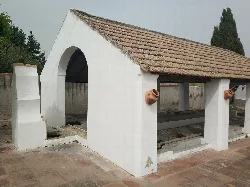
Public washhouse with stone structure and tiled roof in Guadalcázar.
GuadalcázarCórdoba

What can you tell me about the Pilar de Arriba in Guadalcázar?

The Pilar de Arriba, or the upper washhouse, dates back to the early 20th century. It's a public water source located just a short distance from the older Pilar de Abajo. This site is significant for locals, as it reflects the traditional water management practices of the area.

Pilar de Arriba For visitors ›