Sights

3,246 questions

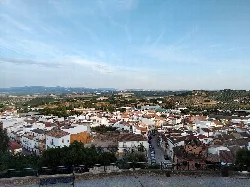
Panoramic view of Montemayor and the countryside from a viewpoint.
MontemayorCórdoba

What can I see from the viewpoint near the castle in Montemayor?

The viewpoint located next to the castle of Montemayor offers stunning panoramic views of the surrounding countryside, known as the Campiña. This elevated position allows visitors to appreciate the beautiful landscape and the layout of the town below, making it a perfect spot for photography and relaxation.
viewpoint For visitors ›

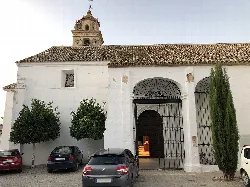
White church facade with arched entrance and trees beside it.
MontemayorCórdoba

What is the significance of the Parroquia de Nuestra Señora de la Asunción?

The Parroquia de Nuestra Señora de la Asunción was built in 1515, incorporating Roman materials in its structure. It features a stunning retablo created by Pedro Freila de Guevara in 1633. This church is a cultural landmark, reflecting the town's historical and architectural heritage.

Parroquia de Nuestra Señora de la Asunción For visitors ›

MontemayorCórdoba

What is the Ermita de San José known for?

The Ermita de San José, built between 1696 and 1700, is recognized for its Rococo-style retablo and the annual pilgrimage of San Isidro. Located outside the town, it attracts visitors from Montemayor and nearby areas, especially during festivities.

Ermita de San José For visitors ›

MontemayorCórdoba

What can you tell me about the Museo de Ulía?

The Museo de Ulía, located in the Casa de la Cultura, showcases archaeological finds primarily from Montemayor. Established in 1971, it features a diverse collection, including coins, pottery, and sculptures, reflecting the area's rich historical heritage.

Museo de Ulía For visitors ›

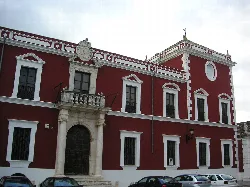
Building with red facade, white-framed windows, and an arched entrance in Fernán Núñez.
Fernán NúñezCórdoba

What can you tell me about the Palacio Ducal?

The Palacio Ducal in Fernán Núñez, built between 1783 and 1787, is a significant neoclassical building in Córdoba. Commissioned by Carlos José Gutiérrez de los Ríos, it was inspired by the Palace of Necessities in Lisbon. The palace incorporates remnants of an earlier castle and has been restored, making it a cultural landmark in the area.

Palacio Ducal For visitors ›

Fernán NúñezCórdoba

What are the main attractions in Fernán Núñez?

Fernán Núñez boasts several attractions, including the Baroque-style church of Santa Marina de Aguas Santas and the neoclassical Palacio Ducal. The town is also known for its historical sites, like the Torre de Abencáez, and its vibrant local festivals, which reflect its rich cultural heritage.

For visitors ›

Aerial view of narrow streets and white buildings in La Rambla, Córdoba.
La RamblaCórdoba

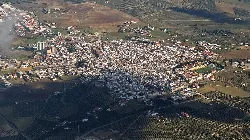
What can I see from the aerial view of La Rambla?

From the aerial view of La Rambla, you can see the layout of the town, surrounded by agricultural land. The white buildings and streets are typical of Andalusian towns, and you can spot various landmarks, including churches and parks. The landscape also features olive groves and fields, showcasing the agricultural richness of the region.

For visitors ›

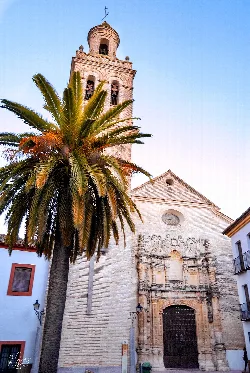
Church facade with a palm tree in the foreground.
La RamblaCórdoba

What is the significance of the Parroquia de Nuestra Señora de la Asunción?

The Parroquia de Nuestra Señora de la Asunción is a key landmark in La Rambla, featuring a stunning Plateresque façade designed by Hernán Ruiz I. Its origins date back to the Middle Ages, and it was remodeled in the 18th century, blending neoclassical and earlier artistic styles. The church houses the statue of San Lorenzo Mártir, the town's patron saint.

Parroquia de Nuestra Señora de la Asunción For visitors ›

La RamblaCórdoba

What can you tell me about the local museum?

La Rambla features the Casa Museo Alfonso Ariza, dedicated to the local artist known for his contributions to sculpture and ceramics. Additionally, there is a Museum of Ceramics that showcases the town's rich pottery tradition, highlighting both historical and contemporary works. These museums offer insights into the artistic heritage of La Rambla.

For visitors ›

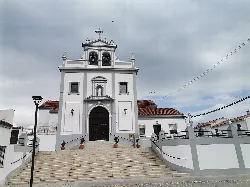
Church facade with staircase and cloudy sky.
CardeñaCórdoba

What can you tell me about the Iglesia de Nuestra Señora del Carmen?

The Iglesia de Nuestra Señora del Carmen is a modern church built between 1950 and 1956, replacing a 19th-century structure. Designed by Carlos de Santamaría, it features a neobaroque facade. Notable artworks include a Cristo Yacente from 1918 and a 19th-century chalice. The church is significant for its architectural style and historical value.

Iglesia de Nª Sª del Carmen For visitors ›

CardeñaCórdoba

What is the significance of the Torre telegráfica de Cerquilla?

The Torre telegráfica de Cerquilla is a 19th-century telegraph tower that played a crucial role in communication between Madrid, Córdoba, Sevilla, and Cádiz. It was part of a network using light signals to relay messages, marking an important technological advancement of its time. Today, it stands as a historical monument.

Torre telegráfica de Cerquilla For visitors ›

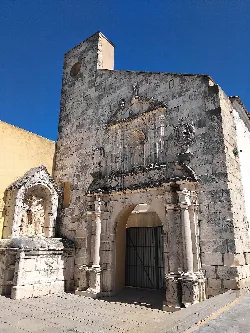
Stone facade with columns and architectural details of the old church.
Doña MencíaCórdoba

What can I see at the ancient Iglesia de la Consolación?

The ancient Iglesia de la Consolación, now in ruins, was originally built in the 15th century and later reconstructed in the 18th century. It was a baroque structure that unfortunately burned down in 1932. Today, only the façade and a nearby niche remain, showcasing a crucified Christ in stone, making it a notable historical site.

Iglesia de la Consolación For visitors ›

Facade of the Holy Spirit Chapel with wooden door and golden columns in Doña Mencía.
Doña MencíaCórdoba

What is the Ermita del Espíritu Santo known for?

The Ermita del Espíritu Santo is notable for housing most of the images that process during Semana Santa (Holy Week) in Doña Mencía. Built in 1936 in a neobaroque style, it serves as an important cultural site, especially during religious festivities.

Ermita del Espíritu Santo For visitors ›

Square with town hall, palm trees, and streets in Cañete de las Torres.
Cañete de las TorresCórdoba

What is the Ayuntamiento in Cañete de las Torres?

The Ayuntamiento, or Town Hall, is a significant building in Cañete de las Torres, characterized by its beautiful clock tower. It serves as the center of local government and administration, where residents can access municipal services and participate in community affairs. The architecture reflects the town's cultural heritage and is a notable landmark for visitors and locals alike.

Ayuntamiento For visitors ›

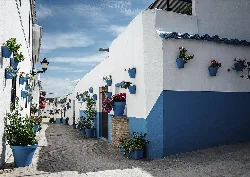
Streets with white houses and many blue pots in Cañete de las Torres.
Cañete de las TorresCórdoba

What is Huerto del Francés like?

Huerto del Francés is a charming neighborhood in Cañete de las Torres, known for its narrow streets adorned with natural gardens and vibrant flowers. This area was revitalized in 2015, showcasing traditional Cordoban architecture and offering a picturesque setting for visitors looking to experience local culture and aesthetics. It's a great spot for leisurely strolls and photography.

Huerto del Francés For visitors ›

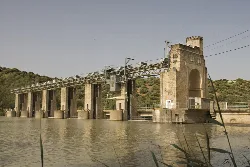
Dam and hydroelectric plant in El Carpio, Córdoba.
El CarpioCórdoba

What are the main features of the Salto del Agua hydroelectric plant?

The Salto del Agua hydroelectric plant in El Carpio is an important infrastructure built in the early 20th century. It harnesses the flow of the Guadalquivir River to generate electricity, contributing to the region's energy supply. The plant reflects the industrial development of the area and its reliance on renewable energy sources.

Salto del Agua For visitors ›

El CarpioCórdoba

What are the key architectural features of El Carpio?

El Carpio boasts a mix of architectural styles, including the medieval Torre de Garci-Méndez, which reflects its historical significance. The town also features 18th to 20th-century civil buildings, and religious architecture like the Church of Nuestra Señora de la Asunción, showcasing a rich cultural heritage.

For visitors ›

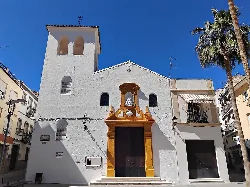
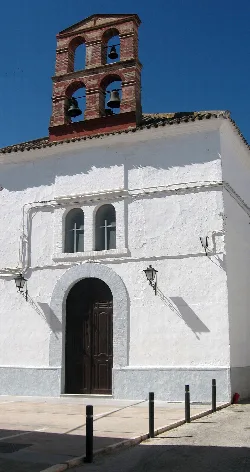
White facade with wooden door and red brick bell tower in Monturque.
MonturqueCórdoba

What can I see at the Ermita del Santo Cristo de la Vera Cruz?

The Ermita del Santo Cristo de la Vera Cruz is a small chapel in Monturque that holds religious significance. Visitors can admire its simple yet charming architecture, which often features traditional Andalusian elements. The chapel is a place for local worship and may host religious events, making it a peaceful spot to experience the town's culture.

Ermita del Santo Cristo de la Vera Cruz For visitors ›

MonturqueCórdoba

Are there any archaeological sites to visit in Monturque?

Yes, Monturque is home to several archaeological sites, including remnants from the Roman era. The Gran Cisterna is particularly noteworthy, showcasing ancient engineering with its impressive structure for water storage. Additionally, the local museum features artifacts that provide insight into the town's historical significance.

For visitors ›

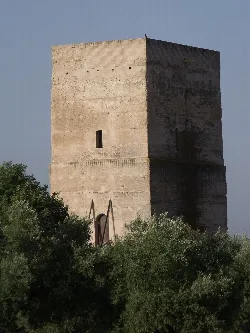
Torre de Don Lucas in La Victoria, Córdoba, full view with greenery.
La VictoriaCórdoba

What can you tell me about the Torre de Don Lucas?

The Torre de Don Lucas is an ancient structure believed to have been built during the Islamic period, possibly in the 12th century. It is located northwest of La Victoria and constructed of local materials like lime and pebbles. A coin from the reign of Alhaquen I was found nearby, indicating its historical significance.

Torre de Don Lucas For visitors ›

La VictoriaCórdoba

Can you tell me about the Casa capilla de los Monjes Mínimos?

The Casa capilla de los Monjes Mínimos is a historical building linked to the Minims Order, featuring a beautiful brick façade and a small niche with the Virgin of the Immaculate Conception. Although privately owned, it showcases architectural elements from the late 18th century, reflecting the town's historical roots.

Casa capilla de los Monjes Mínimos For visitors ›

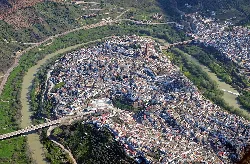
Aerial view of Montoro with old town and Guadalquivir river.
MontoroCórdoba

What can you tell me about the aerial view of Montoro?

The aerial view of Montoro showcases its unique location around a meander of the Guadalquivir River. The town's distinctive urban layout, characterized by steep streets and historical architecture, is evident. The surrounding landscape features the Sierra Morena, enhancing the scenic beauty of this historic-artistic ensemble, which has been recognized since 1969.

For visitors ›

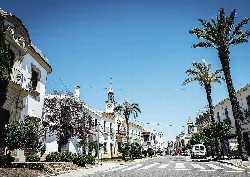
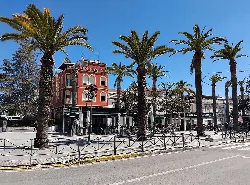
Palm trees and a red building on Paseo Diego Carro, Nueva Carteya.
Nueva CarteyaCórdoba

What is the Paseo Diego Carro like in Nueva Carteya?

Paseo Diego Carro is a charming area in Nueva Carteya, lined with palm trees and offering a pleasant atmosphere for leisurely walks. It features cafes and restaurants where visitors can enjoy local cuisine. The vibrant setting makes it a popular spot for both residents and tourists to relax and socialize.

Paseo Diego Carro For visitors ›

Peñarroya-PueblonuevoCórdoba

What is the significance of the Museo Geológico-Minero?

The Museo Geológico-Minero is a key cultural site in Peñarroya-Pueblonuevo, established by Francisco Orden Palomino. Located in the old Yutera factory, it showcases a diverse collection of minerals and geological artifacts, including a meteorite. The museum serves as an educational resource on Spain's geological history and is considered one of the best of its kind in the country.

Museo Geológico-Minero For visitors ›