Sights

3,246 questions

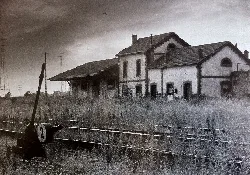
Old train station building in Peñarroya with tracks and signal in foreground.
Peñarroya-PueblonuevoCórdoba

What is the significance of the old train station in Peñarroya-Pueblonuevo?

The old train station in Peñarroya-Pueblonuevo was part of the railway line connecting the town with Puertollano. It played a crucial role during the mining boom, facilitating transportation of goods and workers. Today, it stands as a historical reminder of the town's industrial past and the importance of rail transport in its development.
Estacion Peñarroya For visitors ›

Peñarroya-PueblonuevoCórdoba

What are the main architectural highlights in Peñarroya-Pueblonuevo?

Peñarroya-Pueblonuevo boasts a rich architectural heritage, including industrial buildings from its mining past and residential areas like the Barrio Francés. Notable structures include the Milton Livesey College, showcasing neoclassical French design. The town's blend of historical and modern architecture reflects its evolving identity.

For visitors ›

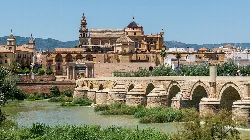
View of Córdoba's historic center with the Mosque-Cathedral and Roman Bridge.
CórdobaCórdoba

What can I see in the historic center of Córdoba?

The historic center of Córdoba, a UNESCO World Heritage Site, features stunning architecture, including the Great Mosque-Cathedral and the Roman Bridge. Visitors can explore the narrow streets of the Jewish Quarter, admire the ancient Roman ruins, and enjoy the vibrant atmosphere of local plazas. It's a blend of Moorish, Roman, and Christian influences, showcasing the city's rich history.

For visitors ›

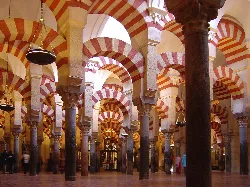
View of the interior with arches and columns.
CórdobaCórdoba

What is the Great Mosque of Córdoba known for?

The Great Mosque of Córdoba, built between 784 and 786 AD, is renowned for its stunning Moorish architecture and intricate design. Once the third-largest mosque in the world, it features a beautiful prayer hall with iconic horseshoe arches. After the Christian conquest, it was converted into a cathedral, blending both Islamic and Christian elements, and was designated a UNESCO World Heritage Site in 1984.

Great Mosque of Córdoba For visitors ›

CórdobaCórdoba

What are the Caliphal Baths?

The Caliphal Baths, located near the Alcázar de los Reyes Cristianos, are a partially reconstructed hammam complex from the 10th century. They provide insight into the bathing culture of the time and are an example of the architectural sophistication of Islamic Córdoba. The site has been open as a museum since 2006, allowing visitors to explore its historical significance.

Caliphal Baths For visitors ›

CórdobaCórdoba

What is the Jewish Quarter like in Córdoba?

The Jewish Quarter in Córdoba is characterized by its narrow, winding streets that retain a medieval atmosphere. This historic area features significant sites such as the Sepharad House and a well-preserved synagogue built in 1315. It's a charming neighborhood that reflects the city's diverse cultural heritage and is a must-visit for those interested in Córdoba's history.

Jewish Quarter For visitors ›

MontillaCórdoba

What can I see in Montilla?

Visitors to Montilla can explore its charming historical center, which features whitewashed buildings and narrow streets. Notable sights include the Parroquia de Santiago Apóstol, whose tower was built between 1779 and 1789, and the ruins of the castle that once dominated the town. The surrounding vineyards also offer picturesque views.

For visitors ›

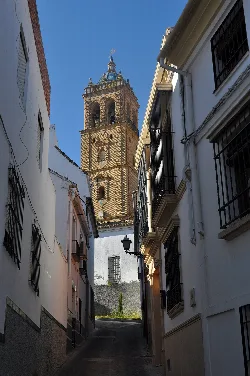
A church tower seen from a narrow street with white houses in Montilla.
MontillaCórdoba

What is the significance of the Parroquia de Santiago Apóstol?

The Parroquia de Santiago Apóstol is an important landmark in Montilla. Its tower was constructed between 1779 and 1789, replacing an earlier one destroyed in the 1755 Lisbon earthquake. The church serves as a vital part of the town's religious and cultural identity, reflecting its historical architecture.

Parroquia de Santiago Apóstol For visitors ›

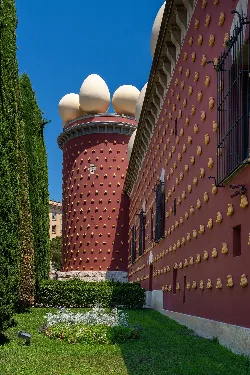
Facade of the Dalí Theatre-Museum in Figueras with colorful details and surreal shapes.
FigueresGirona

What can I see at the Teatre-Museu Dalí?

The Teatre-Museu Dalí is a unique museum dedicated to the works of Salvador Dalí, featuring a variety of his surrealist art. The building itself is an artwork, with a striking design that includes a glass dome and egg-shaped sculptures. Notable exhibits include the Mae West room and various original pieces created specifically for the museum.

Teatre-Museu Dalí For visitors ›

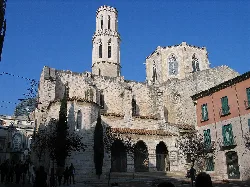
San Pere church with tower and arches in Figueras.
FigueresGirona

What is the significance of the Iglesia San Pere?

The Iglesia San Pere is a notable Gothic-style church in Figueres, characterized by its unique architectural features, including a single nave and neo-Gothic elements. It serves as a key landmark in the city and reflects the historical and cultural heritage of the region.

Iglesia San Pere For visitors ›

FigueresGirona

Can you tell me about the Museo del Juguete de Cataluña?

The Museo del Juguete de Cataluña, opened in 1982, features over 4,000 toys, including historical pieces and modern collectibles. It showcases the evolution of toys and play, with exhibits that include dolls, games, and models, making it a nostalgic experience for visitors of all ages.

Museo del Juguete de Cataluña For visitors ›

GironaGirona

What can you tell me about the Cathedral of Girona?

The Cathedral of Girona is a remarkable example of Catalan Gothic architecture, featuring the second widest stone vault in the world, measuring 22.98 m. It was originally a mosque during the Moorish period and was remodeled after their expulsion. The cathedral is approached by ninety steps and houses a 14th-century altarpiece by silversmith Pere Berneç, along with the tombs of notable historical figures.

Cathedral For visitors ›

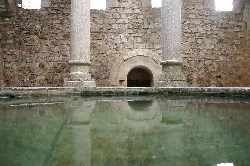
Pool and columns in the Arab baths of Girona from the 13th century.
GironaGirona

What are the Banys Àrabs in Girona?

The Banys Àrabs, or Arab Baths, date back to the 13th century and are a well-preserved example of medieval bathhouses. They feature a unique architectural style, including an apodyterium (changing room) with a serene atmosphere. These baths reflect the influence of Moorish culture in Girona and are a popular attraction for visitors interested in the city's history.

Banys Àrabs For visitors ›

GironaGirona

What is the significance of Plaça de la Independència?

Plaça de la Independència is a bustling square in Girona, known for its 19th-century architecture and vibrant atmosphere. It commemorates the War of Spanish Independence and is surrounded by neoclassical buildings. The square serves as a social hub, featuring numerous cafés and restaurants, making it a lively spot for both locals and tourists.

Plaça de la Independència For visitors ›

GironaGirona

What are the Cases de l'Onyar?

The Cases de l'Onyar are iconic multicolored houses lining the river Onyar in Girona. Built from the 17th to 20th centuries, these houses were restored in 1982, showcasing a vibrant palette of 29 colors. They represent a significant part of Girona's architectural identity and are a popular subject for photographs.

Cases de l'Onyar For visitors ›

RosesGirona

What are the main tourist attractions in Roses?

Roses is known for its beautiful beaches, including Canyelles Petites and L'Almadrava. The historical City Walls and the Castillo de la Trinidad are significant landmarks, while the Palms Promenade offers a scenic walk along the coast. Additionally, the local cuisine and vibrant festivals, such as the Carnival and Fiesta Mayor, attract many visitors each year.

For visitors ›

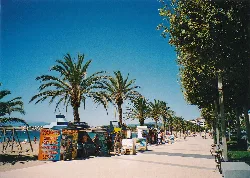
Palm trees and stalls on the Roses promenade.
RosesGirona

What is the Palms Promenade in Roses?

The Palms Promenade is a picturesque walkway in Roses lined with palm trees, offering stunning views of the beach and the Mediterranean Sea. It is a popular spot for leisurely strolls, dining, and enjoying local shops, making it a vibrant hub for both residents and visitors.

Palmenpromenade For visitors ›

OlotGirona

What are the main attractions in Olot?

Olot is renowned for its natural beauty, particularly the extinct volcanoes within the Garrotxa Volcanic Zone Natural Park, including Montsacopa and Croscat. Visitors can explore the Parc Nou, which features the Volcano Museum and a botanical garden. The beech forest at Jordà is also popular for walking and cycling. Additionally, the city is known for its religious sculpture art and unique local cuisine, such as patates d'Olot.

For visitors ›

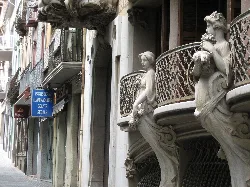
Sculptures on the balconies of Casa Solà Morales in Olot.
OlotGirona

What is the significance of the Casa Solà Morales?

Casa Solà Morales is an important architectural landmark in Olot, showcasing the Modernisme style. Built in the early 20th century, it reflects the artistic movements of the time and is notable for its intricate details and design. The building contributes to the cultural heritage of Olot and is a point of interest for architecture enthusiasts.

Casa Solà Morales For visitors ›

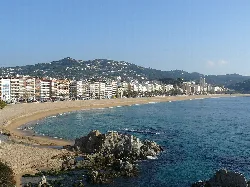
View of Lloret de Mar beach with buildings and hills.
Lloret de MarGirona

What can you tell me about Lloret de Mar beach?

Lloret de Mar beach is a popular destination on the Costa Brava, stretching 1,630 meters long and 45 meters wide. It features coarse, white sand and has been awarded the Blue Flag for cleanliness. The beach is divided into three sections named after local fishermen and is centrally located, making it easily accessible for visitors.

Lloret beach For visitors ›

Tossa de MarGirona

What is the significance of the Museu Municipal in Tossa de Mar?

The Museu Municipal, housed in the former governor's palace, showcases archaeological artifacts from the Neolithic to the late Middle Ages. It highlights Tossa's artistic heritage, featuring works by artists who were inspired by the town, such as Marc Chagall. The museum opened in 1935 and is a key cultural institution in Tossa de Mar.

Museu Municipal For visitors ›

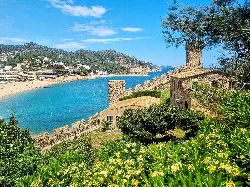
Walls and greenery in the historic center of Tossa de Mar with sea view.
Tossa de MarGirona

What are the main features of Vila Vella in Tossa de Mar?

Vila Vella, Tossa de Mar's old town, is characterized by its medieval walls and seven defensive towers, some of which date back to the 12th century. The narrow, winding streets are lined with historic buildings, including a ruined Gothic church and the Museu Municipal. The area retains its charm with around 80 inhabited houses and local eateries nestled within the ancient walls.

Vila Vella For visitors ›

Tossa de MarGirona

What is the Pariser Kirche and its importance in Tossa de Mar?

The Pariser Kirche, dedicated to Saint Vincent of Saragossa, was inaugurated on November 29, 1775, after 29 years of construction. It is one of the largest churches in the diocese and can accommodate the entire population of Tossa de Mar during major festivities. The church's interior features a revered chapel dedicated to Saint Sebastian, celebrated annually on January 20.

Pariser Kirche For visitors ›

Torroella de MontgríGirona

What are the main attractions to visit in Torroella de Montgrí?

Torroella de Montgrí is rich in attractions, including the impressive Castillo del Montgrí, which offers stunning views from its height. The Museu de la Mediterrània provides insights into local history and culture, while the medieval streets of the old town are perfect for a leisurely stroll. Nature lovers can explore the nearby Montgrí Natural Park and the beautiful beaches of L'Estartit.

For visitors ›