Sights

3,246 questions

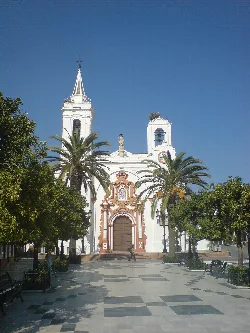
White church with bell tower and ornamental details in Almonte, surrounded by palm trees and trees.
AlmonteHuelva

What is the significance of the Iglesia parroquial in Almonte?

The Iglesia parroquial is a prominent landmark in Almonte, known for its beautiful architecture and historical importance. It serves as the parish church and is a central place of worship for the local community. The church is also linked to the cultural identity of Almonte, reflecting its rich history and traditions.
Iglesia parroquial For visitors ›

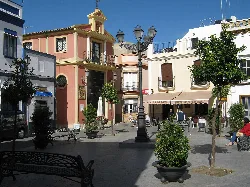
San Francisco Square with trees, benches, and colorful buildings in Isla Cristina.
Isla CristinaHuelva

What is Plazoleta San Francisco like?

Plazoleta San Francisco is one of the oldest squares in Isla Cristina, known for its charming atmosphere. It is located next to another square, Plazoleta de las Flores, and features traditional architecture and a pleasant setting for relaxation. Visitors can enjoy the local cafes and the vibrant community life that characterizes this historic area.

Plazoleta San Francisco For visitors ›

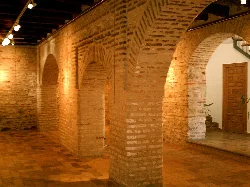
Interior with brick arches and columns in Mudejar style.
Isla CristinaHuelva

What is the architecture like in Isla Cristina?

The architecture in Isla Cristina reflects its rich history, with a blend of traditional Andalusian styles. Notable buildings include the mudéjar hall in the town hall and the colorful facades found in various neighborhoods. The town's design showcases its cultural heritage and coastal charm.

For visitors ›

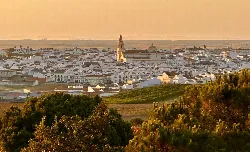
Landscape with white houses and a church in the center, cloudy sky.
MoguerHuelva

What can I see from the viewpoint of Moguer?

From the viewpoint, you can enjoy a panoramic view of Moguer, showcasing its charming white buildings and the surrounding landscape. The town is characterized by its historical architecture and beautiful natural scenery, making it a picturesque spot for photography and relaxation.

For visitors ›

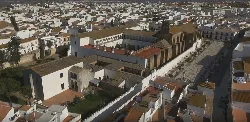
Drone view of Santa Clara Monastery in Moguer.
MoguerHuelva

What historical buildings should I visit in Moguer?

Key historical buildings in Moguer include the Santa Clara Monastery, the Almohad Castle, and the Parish Church of Our Lady of Granada. Each site offers a glimpse into the town's rich history and architectural heritage, making them must-visit landmarks.

For visitors ›

NieblaHuelva

What are the main attractions in Niebla?

Niebla boasts several attractions, including its impressive medieval walls, which are among the best preserved in Europe. Key monuments include the Castillo de los Guzmanes, the Iglesia de San Martín, and the Iglesia de Santa María de la Granada. The town's rich history is evident in its architecture and archaeological sites, making it a fascinating destination for history enthusiasts.

For visitors ›

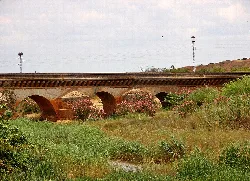
Roman bridge of Niebla over the Tinto River with vegetation and cables in the background.
NieblaHuelva

Can you describe the Roman Bridge in Niebla?

The Roman Bridge in Niebla is an ancient structure that spans the river Tinto. Although it has undergone significant renovations over the years, it remains a testament to the town's historical importance during Roman times. The bridge facilitated trade and communication, linking various routes and contributing to Niebla's economic development.

Puente romano de Niebla For visitors ›

NieblaHuelva

What can you tell me about the architecture in Niebla?

Niebla features a mix of architectural styles, reflecting its diverse history. The most notable structures include the medieval walls and the Castillo de los Guzmanes, showcasing Islamic and Gothic influences. The churches, such as San Martín and Santa María de la Granada, highlight the town's historical significance and artistic heritage.

For visitors ›

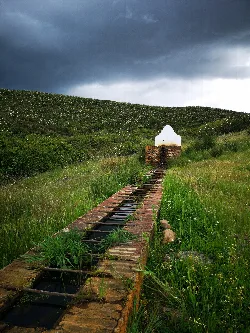
Old fountain with water channel in a green landscape and dark sky.
EncinasolaHuelva

What is the white building on the hill in Encinasola?

The white building on the hill is the Fuente del Pilar de San Pedro, known for its iron-rich waters. Visitors are advised to drink it with caution due to its high iron content. This source is a notable landmark in the area and reflects the local natural resources.

Fuente del Pilar de San Pedro For visitors ›

El Cerro de AndévaloHuelva

What is the architectural style of the Iglesia de Santa María de Gracia?

The Iglesia de Santa María de Gracia, constructed in the 16th century by architect Hernán Ruiz, features a mix of architectural styles, primarily Renaissance. It includes a majestic tower that offers views over the surrounding landscape. The church has undergone several renovations, adding elements like a new presbytery and a baroque volute to its exterior.

Iglesia de Santa María de Gracia For visitors ›

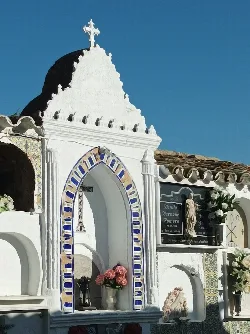
White tomb with blue details and a cross on top.
El Cerro de AndévaloHuelva

What is the Panteón de Maria Moreno Soriano known for?

The Panteón de Maria Moreno Soriano, built in 1916, is notable for its unique neogothic and neomudéjar architectural style. It features intricate tile work and is supported by angel busts at its base. This panteón stands out as a rare example of monumental tombs in the province of Huelva, reflecting the local artistic heritage.

Panteón de Maria Moreno Soriano For visitors ›

El Cerro de AndévaloHuelva

What is the significance of the Cementerio histórico municipal?

The Cementerio histórico municipal is an important cultural site in El Cerro de Andévalo, reflecting local customs and artistic expressions. Established in 1837, it features various architectural styles and is a focal point for traditions, especially during the Day of the Dead, when families illuminate graves in remembrance of their loved ones.

Cementerio histórico municipal For visitors ›

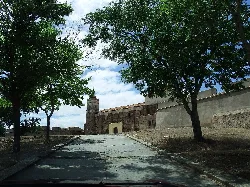
Path with trees and stone wall in Paymogo.
PaymogoHuelva

What can you tell me about the Iglesia-Castillo Santa María Magdalena?

The Iglesia-Castillo Santa María Magdalena is a significant landmark in Paymogo, built during the mid-17th century for defense against Portuguese incursions. It combines a church and a castle, and was declared a National Monument in 1944. Restoration efforts have preserved its structure, making it a key cultural site.

Iglesia-Castillo Santa María Magdalena For visitors ›

Paterna del CampoHuelva

What can you tell me about the Castle of Alpízar?

The Castle of Alpízar is an ancient fortress featuring a beautiful Almohad-style entrance from the 11th century. It has a square layout with a central courtyard and four flanking towers. Located near Tujena, it is surrounded by agricultural fields, making it a picturesque spot in the region's landscape.

Castle of Alpízar For visitors ›

Paterna del CampoHuelva

Is there any notable architecture in Paterna del Campo?

Yes, Paterna del Campo boasts several notable architectural sites, including the Iglesia de San Bartolomé, which showcases a blend of mudéjar and Baroque styles. Additionally, the Casa Cilla, a Baroque building from the 18th century, reflects the town's historical significance and architectural heritage.

For visitors ›

Paterna del CampoHuelva

What is the Fuente de los Frailes?

The Fuente de los Frailes is an ancient Roman swimming pool located in Tejada la Nueva, a site that has been abandoned since the 16th century. This historical structure offers insight into the region's Roman heritage and is an interesting point of interest for visitors exploring Paterna del Campo.

Fuente de los Frailes For visitors ›

ArocheHuelva

What can I see at the Museo del Rosario?

The Museo del Rosario in Aroche showcases a collection of religious artifacts, including paintings, sculptures, and other items related to the local culture and traditions. It's a great place to learn about the historical and artistic heritage of the area, particularly the significance of the Rosario in local celebrations.

Museo del Rosario For visitors ›

ArocheHuelva

What is the architecture like in Aroche?

Aroche features a blend of historical architecture, including the Castillo de Aroche and the Iglesia de Nuestra Señora de la Asunción, showcasing styles from different periods. The town's narrow, winding streets and stone houses add to its charm, reflecting its rich history.

For visitors ›

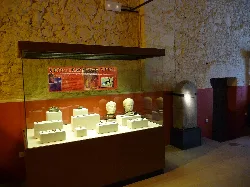
Exhibition with busts and panels in a museum in Aroche.
ArocheHuelva

What can you tell me about the archaeological collection in Aroche?

The archaeological collection in Aroche highlights the area's rich prehistoric and historic past, featuring artifacts from various cultures, including Roman and Celtic influences. This collection provides insights into the daily lives and practices of ancient inhabitants of the region.

archaeological collection For visitors ›

Minas de RiotintoHuelva

What can I see at the Parque Minero de Riotinto?

The Parque Minero de Riotinto offers a glimpse into the region's industrial heritage, featuring the Museo Minero, a tourist train that runs on parts of the old mining railway, and various rehabilitated mining sites. Visitors can explore the history of mining in the area and enjoy the scenic landscapes that were shaped by industrial activities.

Parque Minero de Riotinto For visitors ›

Minas de RiotintoHuelva

What is the Corta Atalaya?

Corta Atalaya is an open-pit mine that was once a major site for copper extraction in the region. Although currently inactive and partially flooded, it represents a significant part of the mining heritage of Minas de Riotinto and is a key point of interest for visitors exploring the area's industrial past.

Corta Atalaya For visitors ›

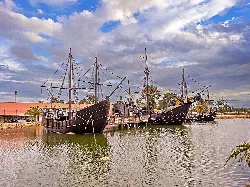
Three wooden ships in the water at Palos de la Frontera.
Palos de la FronteraHuelva

What can you tell me about the Tres Carabelas in Palos de la Frontera?

The Tres Carabelas, or Three Caravels, are replicas of the ships used by Christopher Columbus during his first voyage to the Americas. These replicas are located at the Muelle de las Carabelas in Palos de la Frontera, serving as a historical attraction that commemorates the town's significant maritime heritage and its role in the discovery of America.

Tres Carabelas For visitors ›

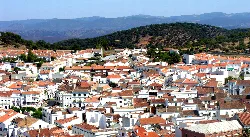
Aerial view of white houses and red roofs in Aracena, Huelva.
AracenaHuelva

What can I see in Aracena?

Aracena is known for its stunning natural beauty and historical landmarks. Visitors can explore the Gruta de las Maravillas, a remarkable cave system, and enjoy the picturesque architecture of the town, including the Church of Nuestra Señora del Mayor Dolor. The surrounding Sierra de Aracena offers hiking opportunities and breathtaking views.

For visitors ›

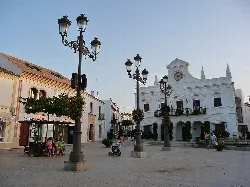
Cartaya Town Hall Square with white church and old lampposts.
CartayaHuelva

What can you tell me about the Plaza del Ayuntamiento in Cartaya?

The Plaza del Ayuntamiento, also known as Plaza Redonda, is a central square in Cartaya. It's a lively spot where locals gather, featuring charming architecture and beautiful lampposts. The square is surrounded by shops and cafes, making it a great place to relax and enjoy the atmosphere of the town.

Plaza del Ayuntamiento For visitors ›