Sights

3,246 questions

ArquillosJaén

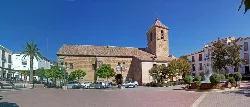
What can you tell me about the church of Inmaculada Concepción in Arquillos?

The church of Inmaculada Concepción, built in 1769, is a significant architectural feature of Arquillos. It showcases a neoclassical facade typical of 18th-century colonization towns. The church has a unique bell tower with a triangular pediment, contributing to the town's historical and cultural identity.
Iglesia de la Inmaculada Concepción For visitors ›

ArquillosJaén

Are there any notable architectural features in El Porrosillo?

El Porrosillo, located 6 km from Arquillos, retains an orthogonal street layout from the 18th century. Its most notable structure is the church of the Purísima Concepción, which stands as a central feature of the village, reflecting the architectural style of the time and the community's historical roots.

El Porrosillo For visitors ›

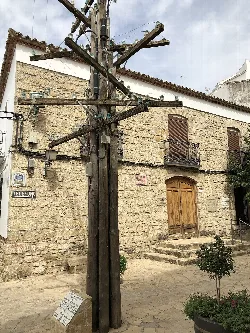
Stone facade of the museum with a wooden telephone pole in the foreground.
CanenaJaén

What can I see at the Museo de las Telecomunicaciones?

The Museo de las Telecomunicaciones in Canena showcases various historical telecommunications equipment, including functioning terminals, cables, and satellite systems. Opened in December 2010, it offers a glimpse into the evolution of communication technology, making it an interesting stop for tech enthusiasts.

Museo de las telecomunicaciones For visitors ›

CanenaJaén

What are the main features of the Iglesia parroquial de Santa María?

The Iglesia parroquial de Santa María is a Renaissance-style church with three naves, supported by arches and columns. It houses a small museum of historical religious artifacts and has a notable square bell tower. The church is an important part of Canena's cultural heritage.

Iglesia parroquial de Santa María For visitors ›

CanenaJaén

What is the significance of the Balneario de San Andrés?

The Balneario de San Andrés is a historic spa with Roman origins, known for its therapeutic waters. It remains active today, offering treatments for various ailments and attracting visitors seeking wellness and relaxation in a serene environment.

Balneario de San Andrés For visitors ›

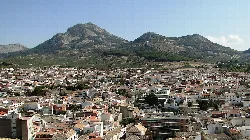
Panoramic view of Alcaudete with mountains in the background.
AlcaudeteJaén

What can I see from the Castillo in Alcaudete?

From the Castillo in Alcaudete, visitors can enjoy panoramic views of the entire town and its surrounding landscape, characterized by rolling hills and olive groves. The castle itself is a historical landmark that dates back to the Muslim period, offering insights into the region's rich history and strategic importance.

Castillo For visitors ›

Bell tower of Santa María Church in Alcaudete, Jaén.
AlcaudeteJaén

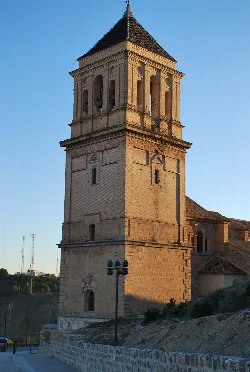
What is the Torre de la Iglesia de Santa María de Alcaudete?

The Torre de la Iglesia de Santa María is a prominent bell tower located in Alcaudete. This architectural feature is part of the church dedicated to Santa María, showcasing a blend of historical styles and serving as a key landmark in the town's skyline. It reflects the town's religious heritage and historical significance.

Torre de la Iglesia de Santa María For visitors ›

Square with benches, trees, and old buildings in Alcaudete.
AlcaudeteJaén

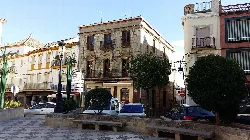
What can you tell me about the Plaza Veintiocho de Febrero?

Plaza Veintiocho de Febrero is a central square in Alcaudete, known for its charming architecture and vibrant atmosphere. It serves as a social hub for residents and visitors, often hosting local events and gatherings, making it a great place to experience the town's culture.

Plaza Veintiocho de Febrero For visitors ›

BailénJaén

What can I see at the church of Nuestra Señora de la Encarnación?

The church of Nuestra Señora de la Encarnación is a significant architectural landmark in Bailén, built in the 15th century in the Isabel Gothic style. It is recognized as a Historic Monument and features intricate designs and historical elements that reflect the town's rich cultural heritage.

Nuestra Señora de la Encarnación For visitors ›

BailénJaén

What historical sites can I explore in Bailén?

Visitors to Bailén can explore several historical sites, including the remains of the ancient fortress, the church of Nuestra Señora de la Encarnación, and the palatial architecture from the Ponce de León family. The town's rich history is reflected in its monuments and buildings.

For visitors ›

Church with tower and stone and white facade in Lopera.
LoperaJaén

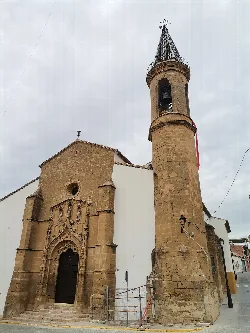
What is the significance of the Iglesia de la Purísima Concepción?

The Iglesia de la Purísima Concepción is a gem of Gothic architecture from the 16th century. Its striking façade showcases a flamboyant Gothic style, while the interior features star-shaped ribbed vaults and a baroque altarpiece. It also houses a museum with various religious artifacts, making it a key cultural site in Lopera.

Iglesia de la Purísima Concepción For visitors ›

LoperaJaén

Can you describe the architectural style of the Ayuntamiento in Lopera?

The Ayuntamiento of Lopera, dating from 1605, features a Baroque architectural style. It has a notable bell tower and a Tuscan-style façade. Although it has undergone several renovations, it retains elements from its original design, including its escutcheons and entrance.

Ayuntamiento For visitors ›

Sebastián Martos sports pavilion in Huelma, Jaén, with green areas and trees.
HuelmaJaén

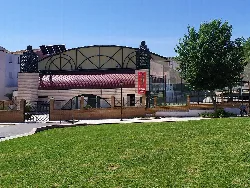
What is the Pabellón Sebastián Martos used for?

The Pabellón Sebastián Martos is a multi-purpose sports facility in Huelma. It hosts various sporting events and activities, including basketball and handball matches. Additionally, it serves as a venue for community events, such as the ExpoHuelma, enhancing local engagement.

Pabellón Sebastián Martos For visitors ›

Stone church with tower and square with fountain and trees in Valdepeñas de Jaén.
Valdepeñas de JaénJaén

What is the main church in Valdepeñas de Jaén?

The main church in Valdepeñas de Jaén is the Iglesia parroquial de Santiago Apóstol. Built between the 16th and 17th centuries, it features a three-nave layout and a prominent main altar. The church has undergone restorations, particularly after suffering damage during the Spanish Civil War, and today showcases a blend of historical architectural styles.

Iglesia parroquial de Santiago Apóstol For visitors ›

OrceraJaén

What are the main attractions to see in Orcera?

Orcera offers a range of attractions, including the well-preserved old town with its traditional serrana architecture, the Almohad towers of Santa Catalina, and the Renaissance church of Nuestra Señora de la Asunción. Nature enthusiasts can explore the nearby natural park and enjoy sites like the Laguna de Orcera and the cascades of La Hueta.

For visitors ›

Reflections in the water of the Pegalajar pond and buildings in the background.
PegalajarJaén

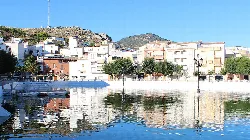
What can you tell me about La Charca in Pegalajar?

La Charca is an important reservoir in Pegalajar, originally formed by a simple dam. It was significantly developed between 1944 and 1949, enhancing its capacity and structure. Apart from its primary role in water management, it serves as a vital social and cultural space for the community, reflecting its historical significance since 1771.

La Charca For visitors ›

Image of the Old Santo Domingo Convent in La Guardia de Jaén from the northwest.
La Guardia de JaénJaén

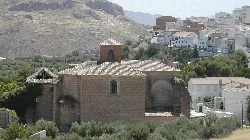
What can you tell me about the Antiguo Convento de Santo Domingo in La Guardia de Jaén?

The Antiguo Convento de Santo Domingo is a significant historical landmark in La Guardia de Jaén. This former convent showcases architectural styles from various periods and reflects the town's rich history. It is located on a hillside, providing a picturesque view of the surrounding area. The convent's historical importance ties back to the town's role during the Reconquista, making it a site of interest for visitors and residents alike.

Antiguo Convento de Santo Domingo For visitors ›

CárchelesJaén

What can I see at the ruins of Castillejo?

The ruins of Castillejo, of Muslim origin, are notable for the archaeological finds in the area, including fragments of Hispano-Muslim ceramics and a unique clay figurine head discovered in 1997. This site reflects the historical significance of the region.

Ruins of Castillejo For visitors ›

CárchelesJaén

What is the Iglesia Parroquial de Nuestra Señora de los Ángeles like?

The Iglesia Parroquial de Nuestra Señora de los Ángeles in Carchelejo is a neoclassical structure built in the late 18th century. It was constructed over an earlier church and features a prominent facade, with a history of reconstruction following damage from a strong earthquake in 1680.

Iglesia Parroquial de Nuestra Señora de los Ángeles For visitors ›

CárchelesJaén

What are the main features of the Convento de Cazalla?

The Convento de Cazalla, originally an Augustinian monastery, later became part of the Order of San Basilio Magno. Today, only a portion of its structure remains, including a notable façade with a statue of San Basilio, reflecting its historical and architectural significance.

Convento de Cazalla For visitors ›

MarmolejoJaén

What can I see at the Balneario in Marmolejo?

The Balneario of Marmolejo features beautiful gardens and a historic building from the early 20th century. It has three mineral springs known for their therapeutic properties. The site includes the Casa del Médico, which houses a center of interpretation detailing the balneario's history, showcasing original artifacts and interactive displays.

Balneario For visitors ›

MarmolejoJaén

What is the Museo de Arte Contemporáneo Mayte Spínola?

The Museo de Arte Contemporáneo Mayte Spínola, established in 2004, features a diverse collection of over 250 works from national and international artists. Housed in a former olive mill, it showcases contemporary art trends and serves as a cultural hub in Marmolejo.

Museo de Arte Contemporáneo Mayte Spínola For visitors ›

MarmolejoJaén

What is the significance of the Parroquia de Nuestra Señora de la Paz?

The Parroquia de Nuestra Señora de la Paz dates back to the 14th century, showcasing a blend of architectural styles from subsequent centuries. Its historical importance lies in its role as a central place of worship and community gathering in Marmolejo.

Parroquia de Nuestra Señora de la Paz For visitors ›

Higuera de CalatravaJaén

What does the Iglesia de la Inmaculada Concepción look like?

The Iglesia de la Inmaculada Concepción, built in the 16th century, showcases a blend of Gothic and Renaissance styles. It features a three-nave layout with twisted columns and intricate vaults. The church underwent several renovations, especially after the Civil War, which affected its original artwork. Today, it stands as a significant architectural landmark in the town.

Iglesia de la Inmaculada Concepción For visitors ›