Sights

3,246 questions

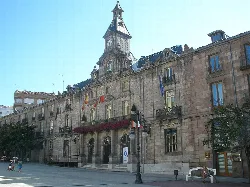
Historic building with clock tower and flags on the facade.
TorrelavegaCantabria

What can you tell me about the Palacio Municipal in Torrelavega?

The Palacio Municipal, also known as the Ayuntamiento de Torrelavega, is a significant landmark in the city. It features an impressive architectural style and serves as the municipal government building. The palace is located in a prominent area, making it a focal point for both locals and visitors.
Palacio Municipal For visitors ›

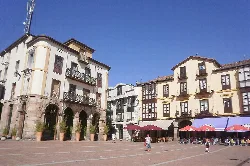
Square with historic buildings and shaded terraces in Torrelavega.
TorrelavegaCantabria

What is Plaza Baldomero Iglesias known for?

Plaza Baldomero Iglesias is a central square in Torrelavega, known for its vibrant atmosphere and social gatherings. It features various cafes and restaurants, making it a popular spot for both residents and tourists to relax and enjoy the local ambiance.

Plaza Baldomero Iglesias For visitors ›

Castro UrdialesCantabria

What are the main attractions in Castro Urdiales?

Castro Urdiales boasts several attractions, including the stunning Church of Santa María de la Asunción, a Gothic masterpiece, and the Castillo de Santa Ana, which features a lighthouse. The town's picturesque port is also a highlight, surrounded by charming streets and a vibrant atmosphere. Additionally, the coastal scenery and beaches offer opportunities for relaxation and water sports.

For visitors ›

Castro UrdialesCantabria

What is the significance of the Castillo de Santa Ana?

The Castillo de Santa Ana is a historic fortress located near the port of Castro Urdiales. Originally built for defense, it now houses a lighthouse, adding to its charm. The castle offers panoramic views of the coastline and the town, making it a popular spot for visitors interested in history and scenic vistas.

Castillo de Santa Ana For visitors ›

El AstilleroCantabria

What can you tell me about the Iglesia de San José in El Astillero?

The Iglesia de San José, built in the mid-20th century, features Romanesque-inspired architecture with a Mudéjar-style ceiling. Inside, it houses a churrigueresque altarpiece from the 18th century, highlighting its historical and cultural significance in the community.

Iglesia de San José For visitors ›

El AstilleroCantabria

What is the role of the Almacén de las Artes in El Astillero?

The Almacén de las Artes is a cultural center in El Astillero, inaugurated in 2004. It offers a variety of facilities, including a library, music school, and arts classes, serving as a hub for community engagement and cultural activities.

Almacén de las Artes For visitors ›

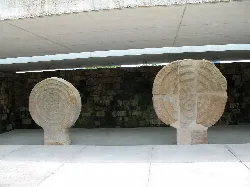
Two stone stelae in a covered space with concrete roof.
Los Corrales de BuelnaCantabria

What can I see at the Parque de las Estelas?

Parque de las Estelas in Barros showcases two Cantabrian stelae, notable for their cultural significance. This park offers a blend of history and nature, making it an ideal spot for visitors interested in local heritage and outdoor activities.

Parque de las Estelas For visitors ›

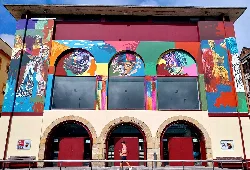
Facade of the theater with a colorful mural and three arches at the entrance.
Los Corrales de BuelnaCantabria

What is the Teatro Municipal like?

Teatro Municipal de Los Corrales de Buelna is a vibrant cultural hub, hosting various performances and events throughout the year. Its colorful exterior and artistic murals make it a noteworthy landmark, reflecting the town's commitment to the arts and community engagement.

Teatro Municipal For visitors ›

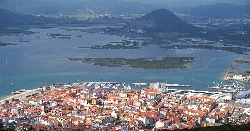
Aerial view of Santoña and its port from Monte Buciero.
SantoñaCantabria

What can I see from Monte Buciero?

From Monte Buciero, you can enjoy stunning views of Santoña, the surrounding bay, and the beautiful beaches, including Playa de Berria. The landscape features a mix of cliffs, marshes, and the vibrant blue of the Cantabrian Sea, making it a perfect spot for photography and nature walks.

Monte Buciero For visitors ›

LaredoCantabria

What is the Iglesia de Santa María de la Asunción known for?

The Iglesia de Santa María de la Asunción is a significant Gothic structure in Laredo, dating back to the 13th century. It features four naves and is noted for its architectural beauty, including a Renaissance portico and various chapels. It is a National Historic-Artistic Monument.

Iglesia de Santa María de la Asunción For visitors ›

LaredoCantabria

What is the significance of the Túnel de la Atalaya?

The Túnel de la Atalaya, constructed in 1863, was intended to facilitate the building of the Muelle de la Soledad. It has historical importance as it was used as a refuge during the Spanish Civil War. Today, it offers scenic views of Laredo's coastline from the Mirador del Abra.

Túnel de la Atalaya For visitors ›

ColindresCantabria

What can I see in Colindres de Arriba?

Colindres de Arriba features historical architecture, including the 16th-century Church of San Juan, built on the ruins of an earlier monastery. You can also explore the Palacio del Infantado and several restored houses showcasing the town's noble heritage, such as Casa de los Agüero and Casa de los Cachupines.

For visitors ›

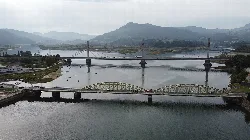
Panoramic view of the Treto estuary with bridges and mountains.
ColindresCantabria

What is the Puente de Treto?

The Puente de Treto is a notable iron girder bridge that connects Colindres with Adal-Treto. Designed by Eduardo Miera and constructed between 1897 and 1905, it features a unique rotating section to allow boat passage. The bridge is an iconic structure in the area, showcasing engineering from the early 20th century.

Puente de Treto For visitors ›

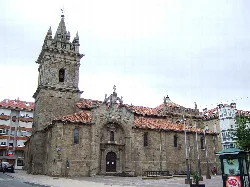
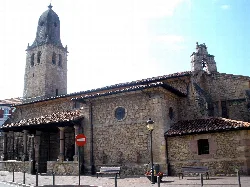
San Sebastián Church in Reinosa with tower and stone facade.
ReinosaCantabria

Can you tell me about the Iglesia de San Sebastián?

The Iglesia de San Sebastián is a notable church in Reinosa, characterized by its impressive architectural style. It serves as a central place of worship and is an important landmark for both residents and visitors.

Iglesia de San Sebastián For visitors ›

San Martin Church with stone tower and bell tower in Cabezón de la Sal.
Cabezón de la SalCantabria

What can you tell me about the Iglesia de San Martín?

The Iglesia de San Martín is a notable church in Cabezón de la Sal, characterized by its historical architecture. It features a blend of styles and is an important landmark for both locals and visitors, reflecting the town's cultural heritage.

Iglesia de San Martín For visitors ›

Cabezón de la SalCantabria

What are the Hundimientos de Cabezón de la Sal?

The Hundimientos de Cabezón de la Sal are geomorphological points of interest located within the urban area. They are a result of the historical salt mining activities, leading to ground subsidence in certain parts of the town.

For visitors ›

PolancoCantabria

Are there any notable landmarks in Polanco?

Polanco features several notable landmarks, including the church of San Pedro Ad Víncula, which was rebuilt in the 1940s after being destroyed during the Spanish Civil War. Additionally, the preserved homes of José María de Pereda showcase the town's literary history. The Casona de Díaz Cacho in Mar is another significant building reflecting the region's architectural heritage.

For visitors ›

EntrambasaguasCantabria

What are the main attractions in Entrambasaguas?

Entrambasaguas offers several attractions including the limestone caves with Paleolithic rock art, the historic Puente Agüero bridge, and the remains of iron mining from the 19th century. Additionally, the Palace of Acebedo and the Palace of Fernández de Velasco are notable cultural landmarks within the municipality.

For visitors ›

EntrambasaguasCantabria

What is the significance of Mount Vizmaya?

Mount Vizmaya is a prominent feature in Entrambasaguas, rising to 249 meters. It offers panoramic views of the surrounding landscape and has historical significance with remnants of a Cantabrian castle. The mountain is also a site for exploring local flora and fauna along its paths.

Mount Vizmaya For visitors ›

Santillana del MarCantabria

What is Santillana del Mar known for?

Santillana del Mar is famous for its well-preserved medieval architecture and historical significance. It's often referred to as "the town of three lies" because it is neither saintly, flat, nor by the sea. The nearby Altamira Cave, a UNESCO World Heritage site, is renowned for its prehistoric cave paintings, making the town a popular tourist destination.

For visitors ›

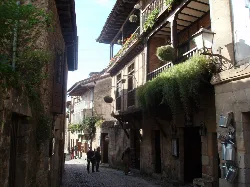
Street in Santillana del Mar with stone houses and balconies with plants.
Santillana del MarCantabria

What can I expect to see in the historic center of Santillana del Mar?

The historic center of Santillana del Mar features cobblestone streets lined with medieval buildings, including palaces and traditional houses. Key attractions include the Colegiata de Santa Juliana and the Torre del Merino. The area is rich in history and offers a charming atmosphere for visitors to explore.

For visitors ›

Santillana del MarCantabria

What is the significance of the Cueva de Altamira?

The Cueva de Altamira, located near Santillana del Mar, is renowned for its prehistoric cave paintings, often referred to as the "Sistine Chapel of Paleolithic Art." Discovered in 1868, it is a UNESCO World Heritage site, attracting researchers and tourists interested in ancient human history and art.

Cueva de Altamira For visitors ›

Puente ViesgoCantabria

What are the main attractions in Puente Viesgo?

Puente Viesgo is renowned for its cultural and tourist attractions, particularly the caves of Monte Castillo, which feature prehistoric rock art and are recognized as a UNESCO World Heritage site. The complex includes two visitable caves: Las Monedas and El Castillo. Additionally, the Centro de Arte Rupestre de Cantabria offers insights into the region's rich archaeological heritage.

For visitors ›

Puente ViesgoCantabria

What is the significance of the Casona de Fuentes Pila?

The Casona de Fuentes Pila is a notable architectural landmark in Puente Viesgo, built in 1928 and recognized as a cultural heritage site. Its neomontañés style reflects the region's historical and architectural significance, making it a point of interest for visitors exploring local history.

Casona de Fuentes Pila For visitors ›