Sights

3,246 questions

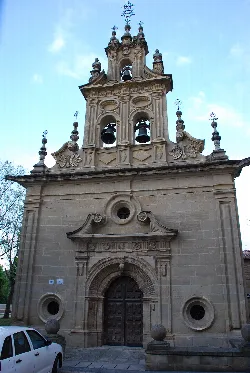
Hermitage facade with bell tower and stone decorative details.
CeniceroLa Rioja

What can I see at the Ermita de la Virgen del Valle?

The Ermita de la Virgen del Valle is an 18th-century Baroque church notable for its single nave and three sections. It features beautiful retablos from the 18th century dedicated to San Antón and San Isidro. The central retablo houses a 13th-century image of the Virgin, the patron saint of Cenicero, reflecting the town's deep devotion.
Ermita de la Virgen del Valle For visitors ›

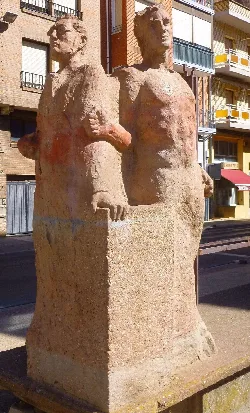
Sculpture of two human figures in a monument in Quel.
QuelLa Rioja

What can you tell me about the Iglesia de El Salvador?

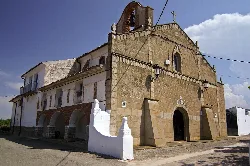
The Iglesia de El Salvador, built between 1561 and 1580, is a significant example of late Gothic architecture with Renaissance elements. It features a single nave with four sections and a unique ochavada head. The church also has a Baroque altarpiece adorned with Corinthian columns, making it an important cultural site in Quel.

Iglesia de El Salvador For visitors ›

Stone church facade with bell tower in Quel.
QuelLa Rioja

What is the Ermita de la Transfiguración like?

The Ermita de la Transfiguración is a charming chapel characterized by its single nave and ochavada head, covered by a unique vaulted ceiling. Built in brick, it serves as a venue for local religious events, including the famous distribution of bread and cheese during the festival, making it a focal point for the community.

Ermita de la Transfiguración For visitors ›

QuelLa Rioja

What is the cultural significance of Manuel Bretón de los Herreros in Quel?

Manuel Bretón de los Herreros, a notable playwright and writer, is commemorated in Quel with a monument. His contributions to literature are celebrated, reflecting the town's cultural heritage. The monument symbolizes the pride of the residents in their historical figures and their impact on Spanish literature.

Monumento a Bretón de los Herreros For visitors ›

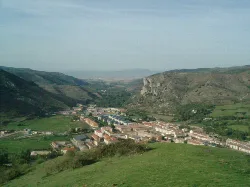
Panoramic view of Ezcaray and the Oja valley from Santa Bárbara.
EzcarayLa Rioja

What can you tell me about the view from Santa Bárbara hill in Ezcaray?

From Santa Bárbara hill, you can enjoy a stunning view of Ezcaray and the surrounding Oja valley. This elevated vantage point offers a picturesque perspective of the town's layout and the natural beauty of the valley, making it a popular spot for visitors and photographers alike.

For visitors ›

EntrenaLa Rioja

What can you tell me about St. Martin's Church?

St. Martin's Church, constructed in 1545, features a single nave divided into three sections with chapels between the abutments. The church is notable for its ogival vaults and a baroque sacristy. It has two entrances, one with a semicircular arch and the other with classical elements, and a tower dating back to the late 16th century.

St. Martin's Church For visitors ›

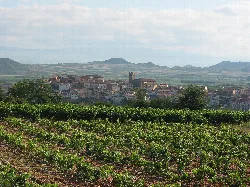
View of Entrena with vineyards and the town in the background.
EntrenaLa Rioja

What is the white building on the hill in Entrena?

The white building on the hill is likely St. Ann's Hermitage, located about 2 km from Entrena. Built in the 18th century, it features a baroque style and was restored in 1964 and 2005. This site is a significant religious landmark in the area.

St. Ann's Hermitage For visitors ›

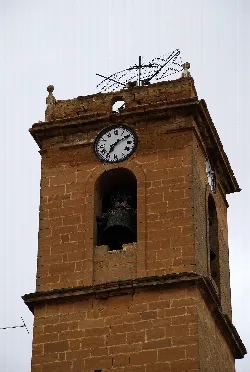
Brick tower with clock and bell at the top, in Casalarreina.
CasalarreinaLa Rioja

What can you tell me about the Torre de la iglesia de San Martín?

The Torre de la iglesia de San Martín is a notable structure in Casalarreina, built in sillería. Construction began in 1533, and it features a three-part tower. The church itself has a rich architectural history, with elements from different periods, including a rococo altarpiece. It serves as an important religious and cultural landmark for the community.

Torre de la iglesia de San Martín For visitors ›

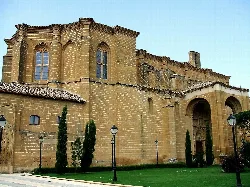
Stone monastery with Gothic windows in Casalarreina.
CasalarreinaLa Rioja

What is the Monasterio de Nuestra Señora de la Piedad known for?

The Monasterio de Nuestra Señora de la Piedad was founded in 1514 and is notable for being the only monastery in Spain consecrated by a pope. It was blessed by Pope Adrian VI in 1522. The architecture reflects early Renaissance styles, and it showcases significant artistic contributions from various sculptors and architects of the time.

Monasterio de Nuestra Señora de la Piedad For visitors ›

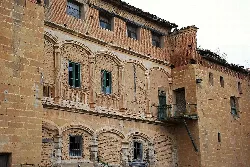
Facade of a palace with windows and Renaissance details in Casalarreina.
CasalarreinaLa Rioja

What is the significance of the Palacio de los Condestables de Castilla?

The Palacio de los Condestables de Castilla is a historic building in Casalarreina, significant for its association with Queen Juana I of Castile and Pope Adrian VI. Constructed in the 16th century, it has undergone various restorations but remains a private property. Its historical importance makes it a key landmark in the town's heritage.

Palacio de los Condestables de Castilla For visitors ›

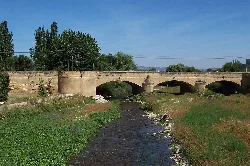
Stone bridge over a river with vegetation on the sides in Casalarreina.
CasalarreinaLa Rioja

What is the architectural style of the bridge over the Río Oja?

The bridge over the Río Oja, initially built in wood around 1507, was reconstructed in stone between 1827 and 1831. It features a robust stone structure, designed to withstand the river's frequent floods. The bridge is a vital connection for the town and showcases the engineering efforts of its time.

bridge over the Río Oja For visitors ›

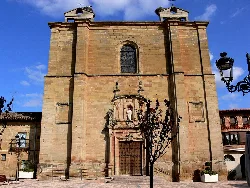
Stone church facade with doors and windows in Huércanos.
HuércanosLa Rioja

What can you tell me about the Iglesia de San Pedro in Huércanos?

The Iglesia de San Pedro began construction in June 1554 and was completed in the early 17th century. It features a central nave with a star-shaped vault and a façade that combines various architectural styles. The church underwent significant renovations in the 20th century, and its design includes a blend of baroque and neoclassical elements, making it a notable landmark in Huércanos.

Iglesia de San Pedro For visitors ›

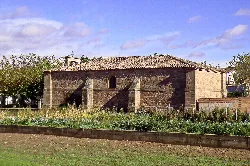
Stone church in Huércanos with surrounding vegetation and fields.
HuércanosLa Rioja

What is the significance of the Ermita de San Pantaleón?

The Ermita de San Pantaleón, originally built in 1551, has undergone numerous restorations over the centuries. It features a single nave covered with a barrel vault and an entrance adorned with reliefs of angels. This chapel is dedicated to San Pantaleón, the patron saint of Huércanos, and is central to the village's religious celebrations.

Ermita de San Pantaleón For visitors ›

HuércanosLa Rioja

What can you tell me about the Casa consistorial in Huércanos?

The Casa consistorial, built in the late 17th century, features two stories of stone construction with distinctive architectural details, including adintelados windows and a wooden eave. It reflects the historical governance of Huércanos and houses the local administration, showcasing the village's architectural heritage.

Casa consistorial For visitors ›

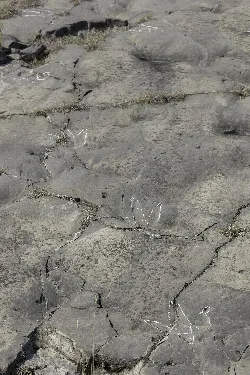
Stones with white markings at an archaeological site in Igea, La Rioja.
IgeaLa Rioja

What is the significance of the Yacimiento El Peladillo in Igea?

Yacimiento El Peladillo is one of the most important paleontological sites in Igea, containing 1,766 dinosaur footprints, making it the third largest in the world. Discovered in 1988, it showcases unique traces of herbivorous and carnivorous dinosaurs, including a new type of footprint named Hadrosaurichnoides igeensis, which honors Igea.

Yacimiento El Peladillo For visitors ›

IgeaLa Rioja

What can I see at the Centro de interpretación Paleontológica de La Rioja?

The Centro de interpretación Paleontológica de La Rioja showcases unique paleontological finds, including the complete leg of a Baryonyx dinosaur. Opened in 2005, it aims to educate visitors of all ages about the region's rich geological history and the significance of its dinosaur fossils.

For visitors ›

IgeaLa Rioja

What is the Palacio del marqués de Casa Torre like?

The Palacio del marqués de Casa Torre, built in the 18th century, is a prominent Florentine-style building in Igea. Declared a cultural heritage site in 1983, it reflects the wealth of its builder, Juan José Ovejas y Díez, who made his fortune in Peru. The palace is a significant historical landmark in the region.

Palacio del marqués de Casa Torre For visitors ›

IgeaLa Rioja

What unique paleontological finds can be seen in Igea?

Igea is renowned for its paleontological treasures, including the remains of Baryonyx and various dinosaur footprints at Yacimiento El Peladillo. The area features unique icnitas and fossils that provide insights into the region's prehistoric life, attracting paleontology enthusiasts.

For visitors ›

AnguianoLa Rioja

What is the significance of the Iglesia parroquial de San Andrés?

The Iglesia parroquial de San Andrés is an important cultural monument in Anguiano, recognized as a well-preserved example of architecture from the 16th century. It features a stunning baroque altarpiece and is notable for its three naves and intricate interior design, making it a key site for visitors interested in local history.

Iglesia parroquial de San Andrés For visitors ›

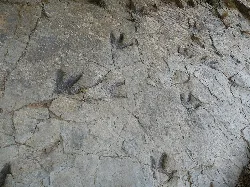
Animal footprints on a rock at Los Cayos in Cornago, La Rioja.
CornagoLa Rioja

What can I see at the Yacimiento de Los Cayos?

The Yacimiento de Los Cayos is a well-preserved dinosaur footprint site located in a nearby ravine. It features three sectors, showcasing numerous tracks from carnivorous dinosaurs and other prehistoric creatures, including birds and turtles. This site is of significant paleontological interest and is easily accessible for visitors.

Yacimiento de Los Cayos For visitors ›

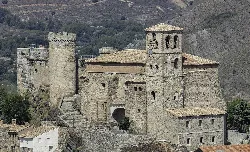
Church and castle of Cornago with medieval walls and towers.
CornagoLa Rioja

What is the Iglesia de San Pedro like?

The Iglesia de San Pedro, located next to the Castillo de Cornago, was constructed between the 15th and 16th centuries. Its architecture features a mix of sillería, sillarejo, and brick, with a Baroque chapel added in the 17th century. The church was completed in 1711 and showcases historical religious art and design.

Iglesia de San Pedro For visitors ›

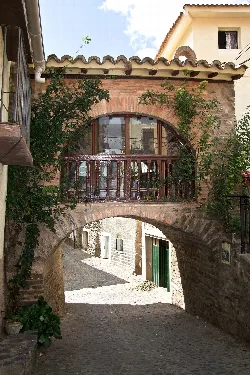
Piety hermitage in Cornago with arch and cobbled street below.
CornagoLa Rioja

What is the Ermita de la Piedad known for?

The Ermita de la Piedad is a rectangular building that houses the Virgen del Rosario from the 17th century. This small chapel is significant for its historical and cultural value, serving as a place of worship and reflection for the local community.

Ermita de la Piedad For visitors ›

CornagoLa Rioja

What is the significance of the Fuente de La Pazana?

The Fuente de La Pazana is an 18th-century fountain known for its sulfurous waters, which emit a strong odor. Located about 5 km from Cornago, it historically attracted visitors seeking its reputed health benefits and served as a rest stop for travelers in the area.

Fuente de La Pazana For visitors ›

Old stone San Roque chapel in a rural setting.
ÁbalosLa Rioja

What can you tell me about the Ermita de San Roque?

The Ermita de San Roque is a notable chapel located in Ábalos. It reflects the local architectural style and serves as a place of worship for residents. Its historical significance is tied to the traditions of the community, often associated with local festivals and celebrations. Visitors can appreciate its serene setting and the cultural heritage it represents.

Ermita de San Roque For visitors ›