Sights

3,246 questions

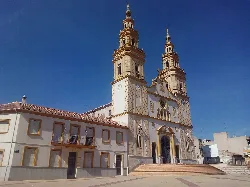
Church with twin towers and decorated facade in Alcantarilla.
AlcantarillaMurcia

What can you tell me about the Iglesia Nuestra Señora de la Asunción?

The Iglesia Nuestra Señora de la Asunción is located in the Campoamor neighborhood of Alcantarilla. It is the newest of the three churches in the town, showcasing a blend of modern architecture while still reflecting the historical significance of the area. The church serves as a community hub for religious activities and local events.
Iglesia Nuestra Señora de la Asunción For visitors ›

AlcantarillaMurcia

Are there any notable museums in Alcantarilla?

Yes, Alcantarilla is home to the Museo Etnológico de la Huerta de Murcia, which showcases the traditional tools and instruments used in the region's orchards. The museum features both indoor and outdoor exhibits, including a typical Barraca house and a water wheel, making it a fascinating destination for history enthusiasts.

Museo Etnológico de la Huerta de Murcia For visitors ›

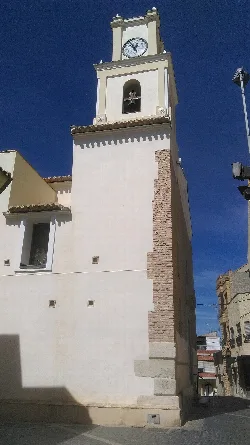
Church tower with clock and bell tower in Alcantarilla.
AlcantarillaMurcia

What is the significance of the Torre Iglesia de San Roque?

The Torre Iglesia de San Roque is a notable landmark in Alcantarilla, representing the town's rich architectural heritage. This church, dating back to the 17th and 18th centuries, serves as a place of worship and community gathering, reflecting the historical and cultural significance of the area.

Iglesia de San Roque For visitors ›

Torre-PachecoMurcia

Are there any notable landmarks in Torre-Pacheco?

Torre-Pacheco is home to several notable landmarks, including the Nuestra Señora del Rosario Church Tower, which was inaugurated in 2011, and the Centre for the Performing Arts (C.A.E.S.), a modern facility for drama, dance, and music. These sites reflect the town's cultural and architectural heritage.

For visitors ›

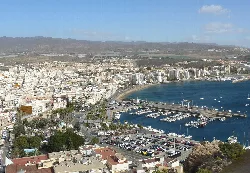
Aerial view of the port, city, and mountains in Águilas.
ÁguilasMurcia

What can I see from the castle in Águilas?

From the Castillo de San Juan de las Águilas, you can enjoy stunning views of the city center and the port. The castle is situated on a rocky promontory, providing a panoramic perspective of the Mediterranean coast and the surrounding landscape, making it a perfect spot for photography and sightseeing.

Castillo de San Juan de las Águilas For visitors ›

ÁguilasMurcia

What is Águilas known for?

Águilas is renowned for its beautiful beaches and vibrant carnival, which was declared a Festival of International Tourist Interest in 2015. The town's coastal location along the Mediterranean makes it a popular destination for sun-seekers and festival-goers alike.

For visitors ›

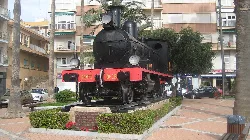
Steam locomotive in a park in Águilas, Murcia.
ÁguilasMurcia

What can you tell me about the steam locomotive in Águilas?

The steam locomotive on display in Águilas is a RENFE 130-2124, symbolizing the town's historical connection to the railway. It serves as a reminder of the importance of rail transport in the region's development, particularly during the mining boom.

Locomotora de vapor de RENFE 130-2124 For visitors ›

San JavierMurcia

What are the main attractions in San Javier?

San Javier boasts beautiful beaches along the Mar Menor and Mediterranean coasts, particularly in Santiago de la Ribera and La Manga. Notable landmarks include the Iglesia de San Francisco Javier, historical villas along the promenade, and the Museo de San Javier, which showcases local history. The area is also known for its vibrant festivals, such as the Festival Internacional de Jazz and local patron saint celebrations.

For visitors ›

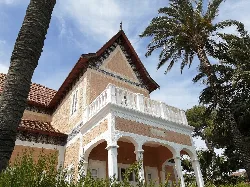
Summer house with balconies and columns in Santiago de la Ribera.
San JavierMurcia

What is the significance of the Casa de Torre Javiera?

The Casa de Torre Javiera is a modernist summer house located on the promenade of Santiago de la Ribera, built in the late 19th to early 20th century. It reflects the architectural style of that period and is a notable example of the region's historical residential buildings, attracting visitors interested in local heritage and architecture.

Torre Javiera For visitors ›

YeclaMurcia

What are the main attractions in Yecla?

Yecla boasts several notable attractions, including the Basilica de la Purísima Concepción, known as the 'Iglesia Nueva', and the historic Castillo, remnants of the ancient fortress. The Teatro Concha Segura is also a highlight, showcasing local culture. Additionally, the Plaza Mayor features beautiful Renaissance and Baroque architecture, making it a central point for visitors.

For visitors ›

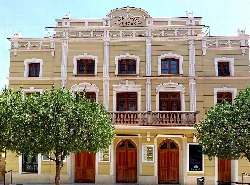
Facade of the Concha Segura Theatre in Yecla, Murcia, with trees in the foreground.
YeclaMurcia

What can you tell me about the Teatro Concha Segura?

Teatro Concha Segura, built between 1886 and 1887, is a historic theater in Yecla. It was named after the renowned actress Concha Segura in 1899. The theater features a distinctive interior with a horseshoe-shaped seating arrangement and has undergone several renovations to maintain its cultural significance.

Teatro Concha Segura For visitors ›

YeclaMurcia

What is the significance of the Ermita de San Roque?

The Ermita de San Roque is the oldest temple in Yecla, dating back to the early 14th century. This mudéjar-style church features unique wooden ceilings and arches. It holds historical and cultural importance, reflecting the architectural heritage of the region.

Ermita de San Roque For visitors ›

CiezaMurcia

What is the white building on the hill in Cieza?

The white building on the hill is likely the Ermita de San Bartolomé, a significant landmark in Cieza. This site features a medieval tower transformed into a church in the 18th century. It serves as a place of worship and a viewpoint for blessing the annual harvests, reflecting the town's agricultural roots and cultural traditions.

Ermita de San Bartolomé For visitors ›

CiezaMurcia

Are there any notable landmarks in Cieza?

Cieza is home to several notable landmarks, including the Basílica de Nuestra Señora de la Asunción, known for its unique octagonal bell tower and beautiful interior artworks. The Convento de San Joaquín y San Pascual is another significant site, showcasing stunning architecture and historical importance. These sites reflect the town's rich cultural heritage.

For visitors ›

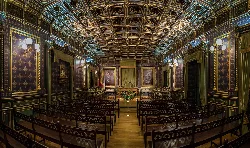
Interior of a room with wooden benches and decorated walls with paintings and gold moldings.
MazarrónMurcia

What can you tell me about the Mazarrón Town Hall?

The Mazarrón Town Hall is a notable example of Murcian Modernism, reflecting the architectural style that emerged in the early 20th century. This building serves as the municipal government center and showcases intricate designs that highlight the town's historical and cultural significance.

Edificio del Ayuntamiento For visitors ›

MazarrónMurcia

What is the significance of the Vélez Castle?

Vélez Castle, located in the center of Mazarrón, is an important historical fortress built during the Middle Ages. It served as a defensive structure against pirate attacks and symbolizes the town's rich history and architectural heritage.

Vélez Castle For visitors ›

MazarrónMurcia

Are there any archaeological sites to visit in Mazarrón?

Yes, Mazarrón is home to several archaeological sites, including the Villa del Alamillo and the Cabezo del Plomo Site. These sites offer insights into the region's prehistoric and Roman history, making them fascinating destinations for history buffs.

For visitors ›

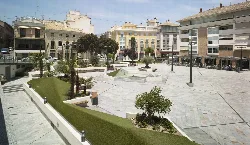
Square with palm trees, benches, and buildings in the background.
TotanaMurcia

What is the main square of Totana like?

The main square of Totana is a vibrant area that serves as a focal point for community activities. It features modern landscaping and seating areas, making it a great place to relax or socialize. The square is surrounded by various shops and cafes, adding to its lively atmosphere and making it a popular spot for both locals and visitors.

main square For visitors ›

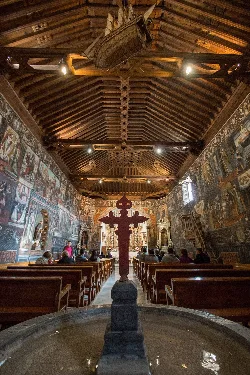
Interior of a church with fresco-decorated walls and wooden ceiling.
TotanaMurcia

What is the significance of the Iglesia de Santa Eulalia de Mérida?

The Iglesia de Santa Eulalia de Mérida is a notable church in Totana, reflecting the region's religious heritage. It features intricate interior decorations and a rich history, making it a significant landmark. The church is dedicated to Saint Eulalia, a symbol of the region, and is a focal point during local festivities.

Iglesia de Santa Eulalia de Mérida For visitors ›

TotanaMurcia

What is the architectural style of the Town Hall in Totana?

The Town Hall of Totana, constructed in the 16th century, showcases a blend of architectural styles. It underwent remodeling in the 19th century and was restored in 1990, reflecting the town's historical evolution. Its design features elements characteristic of the period, making it a significant landmark in the municipality.

Town Hall For visitors ›

TotanaMurcia

What is the significance of the Arco de San Pedro?

The Arco de San Pedro, also known as Arco de Las Ollerías, is an aqueduct built in 1753. It serves as an important historical structure in Totana, reflecting the town's architectural heritage and engineering capabilities of the time. This landmark is a testament to the region's historical water management systems.

Arco de San Pedro For visitors ›

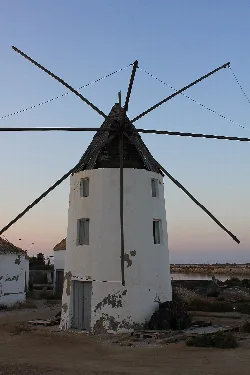
Wooden windmill with white walls in San Pedro del Pinatar.
San Pedro del PinatarMurcia

What is the significance of Ezequiela's windmill in San Pedro del Pinatar?

Ezequiela's windmill is a historic landmark in San Pedro del Pinatar, representing the region's traditional agricultural practices. Windmills were commonly used for grinding grain and are an essential part of the area's cultural heritage. This particular windmill adds to the charm of the landscape and is a point of interest for visitors exploring the town's history.

Ezequiela's windmill For visitors ›

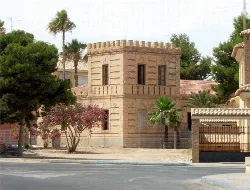
Brick tower building with trees in San Pedro del Pinatar.
San Pedro del PinatarMurcia

What is the Palacio de los condes de Villar de Felices?

The Palacio de los condes de Villar de Felices is a notable neomudéjar style building in San Pedro del Pinatar, constructed in the 19th century. It reflects the architectural heritage of the region and is an important historical site, attracting visitors interested in local history and culture.

Palacio de los condes de Villar de Felices For visitors ›

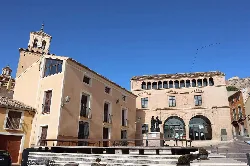
Plaza de Arriba with buildings and fountain in Jumilla, Murcia.
JumillaMurcia

What is the Plaza de Arriba in Jumilla?

Plaza de Arriba is a prominent square in Jumilla, known for its historical significance and architectural beauty. It serves as a central gathering place for locals and visitors alike, featuring various shops and cafes. The square is surrounded by notable buildings, including the town hall and other civil structures, making it a vibrant part of the city's social life.

Plaza de Arriba For visitors ›