Sights

3,246 questions

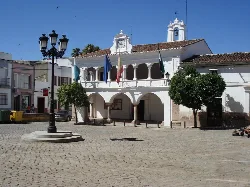
Square with white building, flags, trees, and lamppost in Aceuchal.
AceuchalBadajoz

What is the Plaza de España like in Aceuchal?

The Plaza de España is a charming square in Aceuchal, featuring a beautiful Ayuntamiento (town hall) with distinctive architectural elements. It serves as a central gathering place for residents and visitors alike, often bustling with local activities and events. The square's layout and surrounding buildings reflect the traditional character of the town, making it a pleasant spot to relax and enjoy the atmosphere.
Plaza de España For visitors ›

AceuchalBadajoz

What is the significance of the monument to the ajero in Aceuchal?

The monument to the ajero in Aceuchal honors the local garlic producers, known as 'ajeros.' This bronze sculpture, created by Fulgencio León Manchego in 1985, symbolizes the town's agricultural heritage and its reputation for high-quality garlic, which is a key ingredient in many traditional dishes.

For visitors ›

AceuchalBadajoz

What can you tell me about the church in Aceuchal?

The church of San Pedro Apóstol in Aceuchal is a notable architectural landmark, showcasing a blend of Gothic, Renaissance, and Baroque styles. Originally built in the 16th century, it features a striking tower from the 13th century and various artistic elements, including Baroque altarpieces. It serves as a central place of worship and community gatherings.

For visitors ›

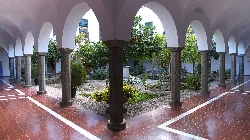
Courtyard with arches and gardens in Los Santos de Maimona.
Los Santos de MaimonaBadajoz

What is the Palacio de la Encomienda?

The Palacio de la Encomienda, built between 1515 and 1550, is a notable example of architecture from the Order of Santiago. It features a large façade and a well-preserved central patio surrounded by corridors with arches and columns. This palace was significant in the history of the Order, hosting a General Chapter presided over by the Grand Master Juan Pacheco.

Palacio de la Encomienda For visitors ›

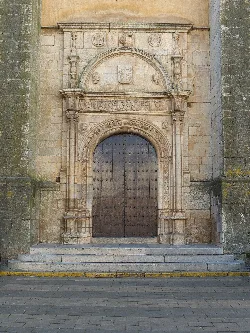
Wooden door with arches and stone details at the church in Los Santos de Maimona.
Los Santos de MaimonaBadajoz

What is the significance of the Iglesia parroquial de Nuestra Señora de los Ángeles?

The Iglesia parroquial de Nuestra Señora de los Ángeles is a significant architectural piece from the 16th century, marking one side of the town's main square. Its historical and cultural importance reflects the town's religious heritage and community life, serving as a central place for worship and gatherings.

Iglesia parroquial de Nuestra Señora de los Ángeles For visitors ›

Los Santos de MaimonaBadajoz

What are some notable landmarks in Los Santos de Maimona?

Notable landmarks in Los Santos de Maimona include the Palacio de la Encomienda, the Iglesia parroquial de Nuestra Señora de los Ángeles, and the Ermita de San Lorenzo. Each of these sites reflects the town's rich history and architectural heritage, making them essential stops for visitors.

For visitors ›

LlerenaBadajoz

What can you tell me about the Church of Our Lady of Granada in Llerena?

The Church of Our Lady of Granada is located in the Town Hall Square and features a baroque façade with a balcony supported by two-story arcs. This addition was made in the 18th century to facilitate access to events in the main square. It also boasts a magnificent brick tower, making it a notable landmark in Llerena.

Our Lady of Granada For visitors ›

LlerenaBadajoz

Can you tell me about the Plaza of Spain in Llerena?

The Plaza of Spain is a central area in Llerena that has historically hosted a bullring and markets. It features the Church of Our Lady of Granada on one side and the City Hall on another. The plaza is known for its architectural beauty, including whitewashed brick arches and stone columns.

Plaza of Spain For visitors ›

LlerenaBadajoz

What can you tell me about the Convento de Santa Clara?

The Convento de Santa Clara, located across from the slide, features a distinctive veranda with a polygonal stone lattice. Inside, visitors can find a sculpture of St. Jerome by Juan Martínez Montanes, along with beautiful wall paintings and baroque altarpieces, showcasing its artistic heritage.

Convento de Santa Clara For visitors ›

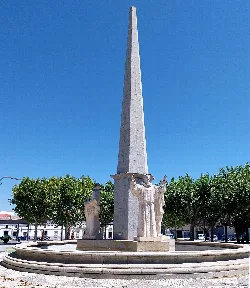
Statues and obelisk in the Plaza de Villanueva de la Serena.
Villanueva de la SerenaBadajoz

What is the significance of the Monumento a los Conquistadores in Villanueva de la Serena?

The Monumento a los Conquistadores is a prominent landmark in Villanueva de la Serena, symbolizing the city's historical connection to the Spanish Conquistadors. It features a large obelisk surrounded by figures representing a monk, a navigator, and a soldier, commemorating the contributions of these figures to the history of exploration and conquest in the Americas.

Monumento a los Conquistadores For visitors ›

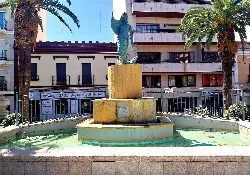
Fountain with the Sirena sculpture in a park with palm trees and buildings in the background.
Villanueva de la SerenaBadajoz

What can you tell me about La Sirena statue in Villanueva de la Serena?

La Sirena, created by artist Perfecto Corchado, is an iconic sculpture located in Parque de la Constitución. This statue symbolizes Villanueva de la Serena and is a beloved representation of the city's cultural identity, making it a popular spot for both locals and visitors to enjoy and take photographs.

La Sirena For visitors ›

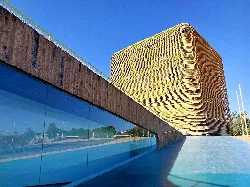
Modern wooden building with rectangular shape and reflective windows in Villanueva de la Serena.
Villanueva de la SerenaBadajoz

What is the Palacio de Exposiciones y Congresos like?

The Palacio de Exposiciones y Congresos in Villanueva de la Serena is a modern architectural marvel, featuring two main structures: an auditorium and a cubic building known as 'El Cubo.' Inaugurated in 2017, it serves as a venue for various cultural and business events, enhancing the city's role as a center for gatherings.

Palacio de Exposiciones y Congresos For visitors ›

Villanueva de la SerenaBadajoz

What historical buildings should I visit in Villanueva de la Serena?

In Villanueva de la Serena, notable historical buildings include the Casa Consistorial, built in 1583, and the Casa de la Tercia, constructed in 1310. These structures reflect the city's rich architectural heritage and historical significance, making them essential stops for history enthusiasts.

For visitors ›

Cabeza la VacaBadajoz

What are the main attractions in Cabeza la Vaca?

Cabeza la Vaca features several attractions, including the Iglesia de Nuestra Señora de los Ángeles, a 15th-century church, and the town's plaza de toros, which showcases its long-standing bullfighting tradition. Additionally, the Pisá del Caballo offers a natural area with a legendary water spring. The town's picturesque streets and historical monuments, like the Cruz del Rollo, also draw visitors.

For visitors ›

Cabeza la VacaBadajoz

What is the significance of the Cruz del Rollo?

The Cruz del Rollo is a notable monument in Cabeza la Vaca, representing the town's historical and cultural identity. It is a symbol of the local heritage, often reflecting the community's connection to its past and the influences of neighboring regions.

Cruz del Rollo For visitors ›

Orellana la ViejaBadajoz

What can you tell me about the Playa Costa Dulce de Orellana?

Playa Costa Dulce de Orellana is notable for being the first inland beach in Spain to receive the Blue Flag award on June 2, 2010. This recognition highlights its excellent facilities, access, and water quality, promoting ongoing improvements in services. The beach is located near the Orellana reservoir, making it a popular spot for both locals and visitors.

Playa Costa Dulce de Orellana For visitors ›

Orellana la ViejaBadajoz

What are the main attractions in Orellana la Vieja?

Orellana la Vieja boasts several historical attractions, including the Castillo-Palacio de los Altamirano, which symbolizes the town's noble heritage. Other notable sites are the Convento de San Benito and the Iglesia Parroquial de la Inmaculada Concepción, dating back to the 16th century. These sites reflect the rich cultural history of the municipality.

For visitors ›

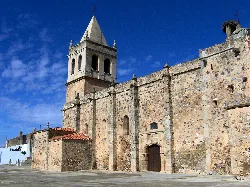
Parish church with stone wall and bell tower in La Garrovilla.
La GarrovillaBadajoz

What can you tell me about the Iglesia parroquial Nuestra Señora de la Asunción?

The Iglesia parroquial Nuestra Señora de la Asunción features a late Gothic style with a stunning plateresque façade. The church was built in the early 16th century and has a single nave with a barrel vault. Notable elements include a richly decorated altar and a bell tower. It's a significant landmark in La Garrovilla, showcasing exquisite architectural details.

Iglesia parroquial Nuestra Señora de la Asunción For visitors ›

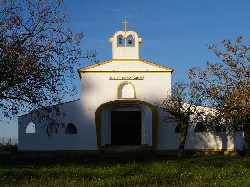
Small white hermitage with cross on top and trees around.
La GarrovillaBadajoz

What is the Ermita de San Isidro like?

The Ermita de San Isidro, inaugurated in 1957, is situated near the river Lácara. It features a single square nave illuminated by eight high windows. The façade is crowned with a belfry housing two bells. Originally built with exposed stone, it has undergone modifications, including added porches. It hosts an annual pilgrimage on May 15.

Ermita de San Isidro For visitors ›

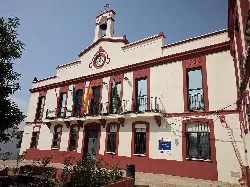
White building with red details and flags on the town hall facade.
La GarrovillaBadajoz

What is the Casa consistorial del ayuntamiento like?

The Casa consistorial del ayuntamiento de La Garrovilla is a prominent municipal building characterized by its red and white façade. It serves as the town hall and is an important center for local governance. Its architectural style reflects the town's historical and cultural identity, making it a notable landmark.

Casa consistorial del ayuntamiento For visitors ›

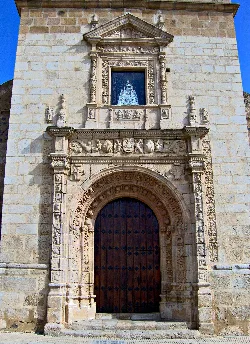
Stone facade with wooden door and plateresque decoration.
La GarrovillaBadajoz

What is the architectural style of the portada plateresca?

The portada plateresca of the Iglesia parroquial Nuestra Señora de la Asunción is a remarkable example of plateresque architecture. It features intricate stonework, harmonious proportions, and decorative elements that reflect the craftsmanship of skilled artisans. This façade is a highlight of the church, showcasing the artistic heritage of the region.

portada plateresca For visitors ›

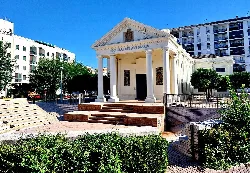
Facade of the Ave María Schools with columns and steps.
Don BenitoBadajoz

What is the Escuelas del Ave María?

The Escuelas del Ave María is a historic building in Don Benito, constructed in 1927. Initially built to serve as schools, it now functions as a cultural venue for performances and rehearsals of the Municipal Band of Music. Its neoclassical architecture makes it a notable landmark in the city.

Escuelas del Ave María For visitors ›

Don BenitoBadajoz

What is the significance of the Plaza de España?

Plaza de España is a central square in Don Benito, notable for its large area and a unique sculpture titled 'Monumento al agua y la tierra.' This square is surrounded by important buildings, including the municipal palace and the church of Santiago Apóstol, making it a key cultural hub.

Plaza de España For visitors ›

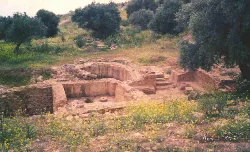
Ruins of a Roman villa with stone walls and ancient structures.
Navalvillar de PelaBadajoz

What can I see at the Villa romana de Lacimurga?

The Villa romana de Lacimurga features significant archaeological remains from a Roman settlement, including baths and various structures. Located near the river Guadiana, it offers stunning views and is a popular spot for fishing, particularly for black bass. The site is rich in history and worth exploring for its ancient ruins.

Villa romana de Lacimurga For visitors ›